
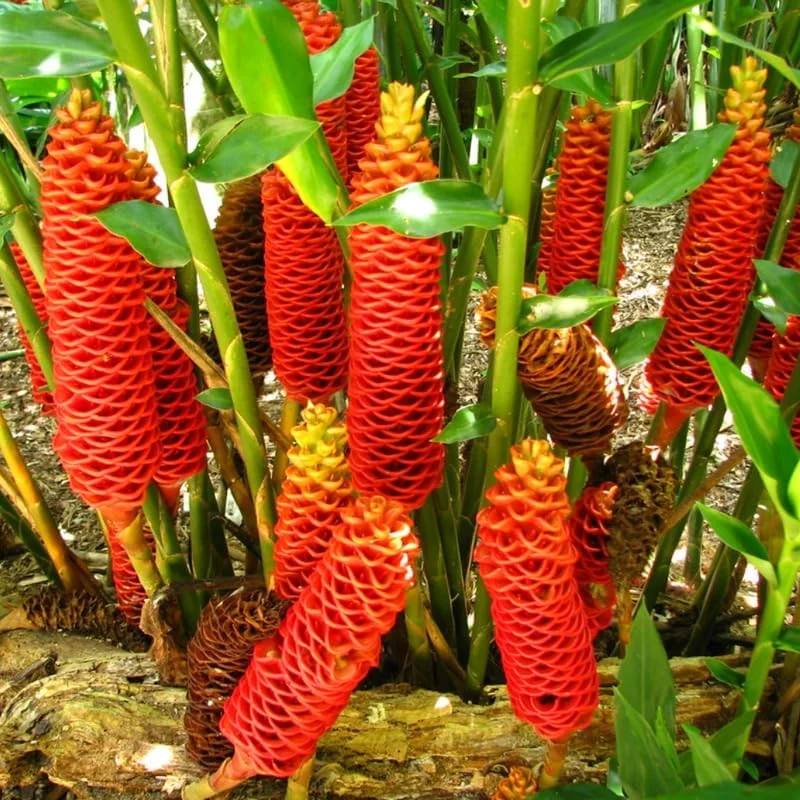
Awapuhi Shampoo Ginger Roots – 5 Rhizomes for Planting, Tropical Perennial Ginger Plant, Live Plant
Original price was: $31.98.$28.78Current price is: $28.78.
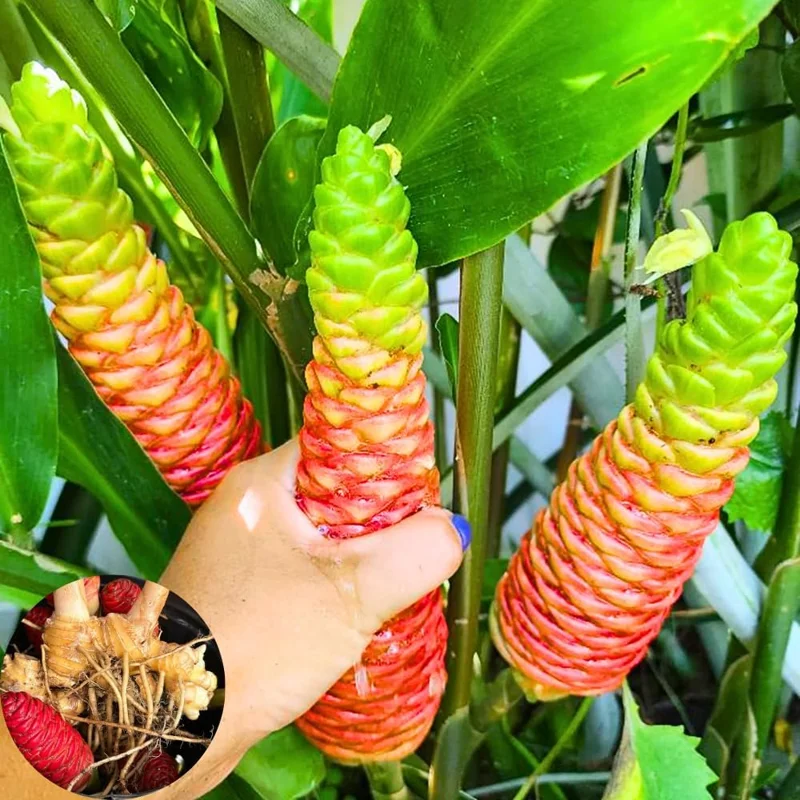
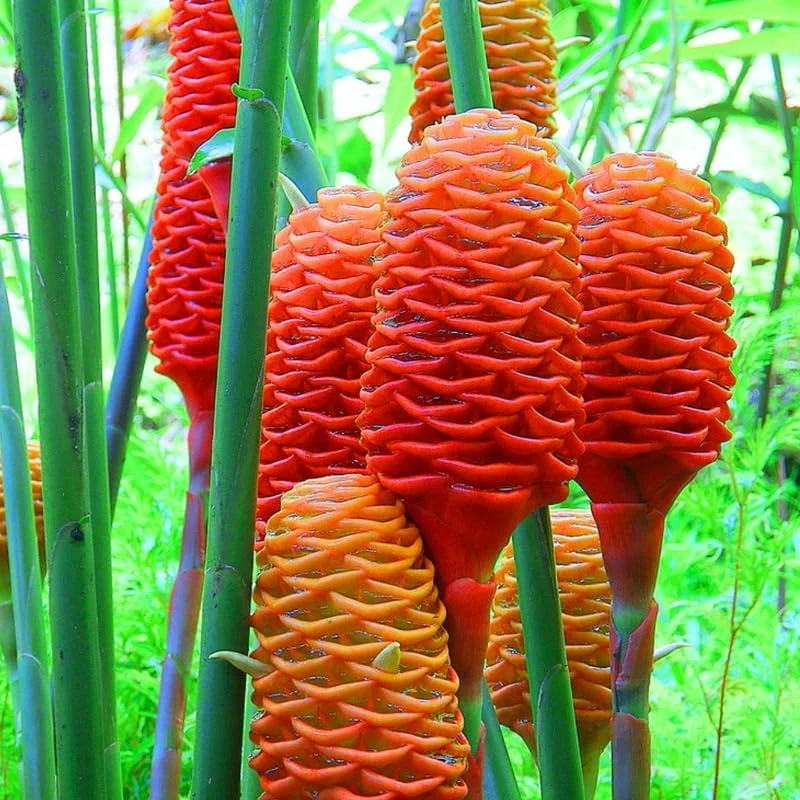
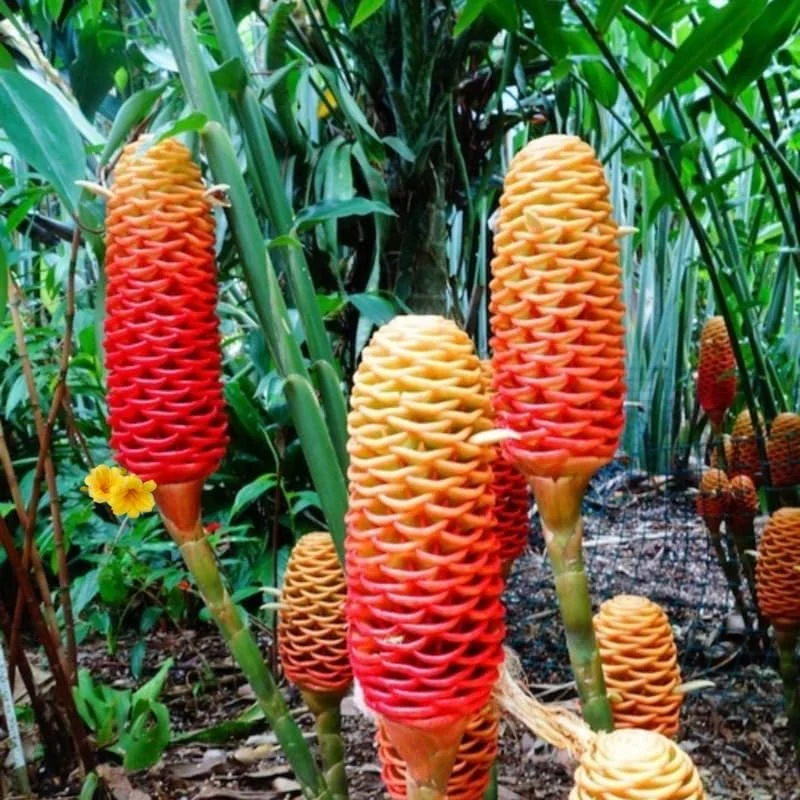
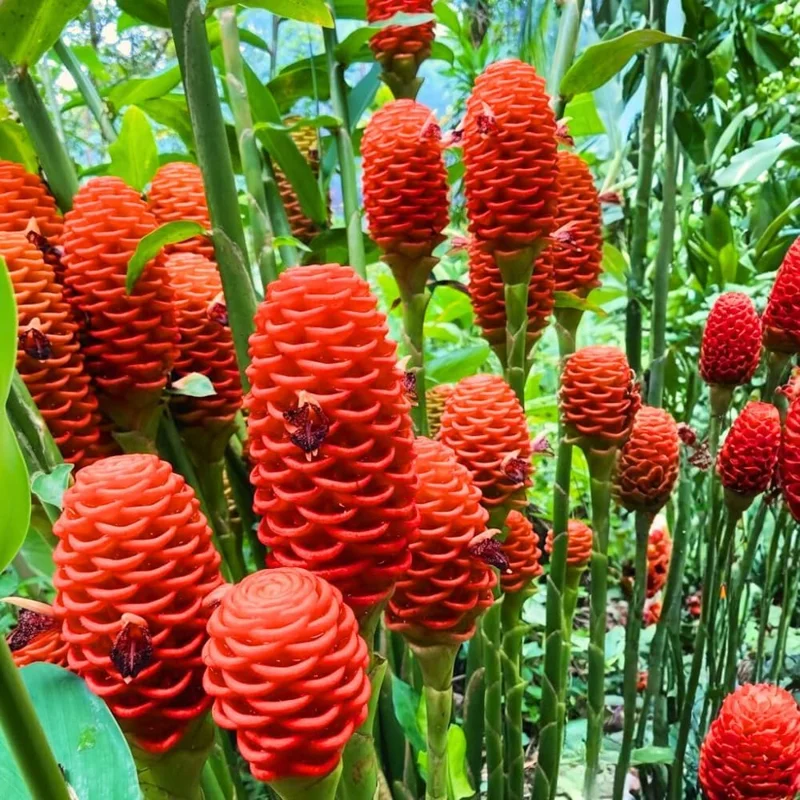
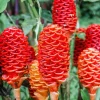
Plant 5 Awapuhi Shampoo Ginger Roots to cultivate beautiful and fragrant tropical landscaping. These perennial Zingiber zerumbet rhizomes thrive in warm climates, producing unique pinecone-like blooms. Perfect for gardens or containers.
Shipping and Return policies:
We stand behind our plants with our Alive & Thrive Guarantee. If you experience any issues within the first 30 days, please email us, and our team will be happy to help. When needed, we’ll send you a one-time replacement free of charge to make sure your garden keeps growing strong.

Reasonable Price
We offer reasonable price

Support 24/7
Contact us 24 hrs a day
100% Money Back
You’ve 30 days to Return
Payment Secure
100% secure payment
Overview
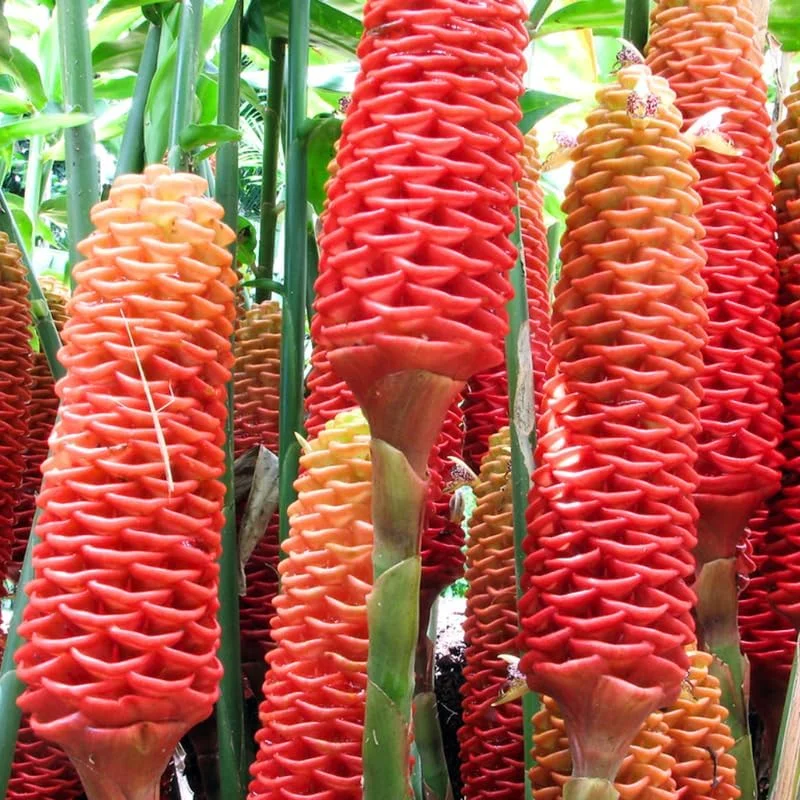
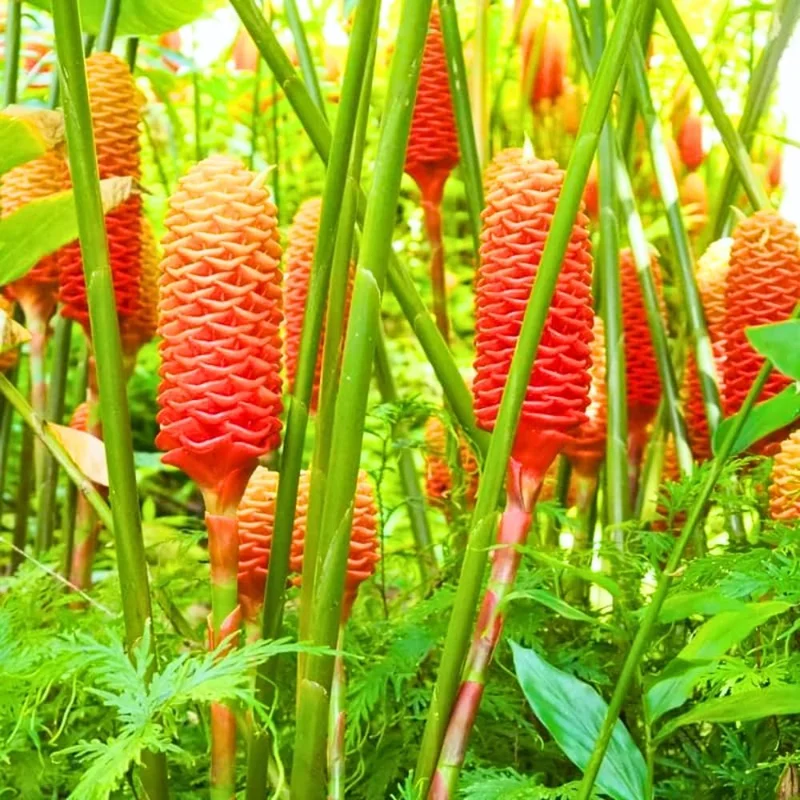
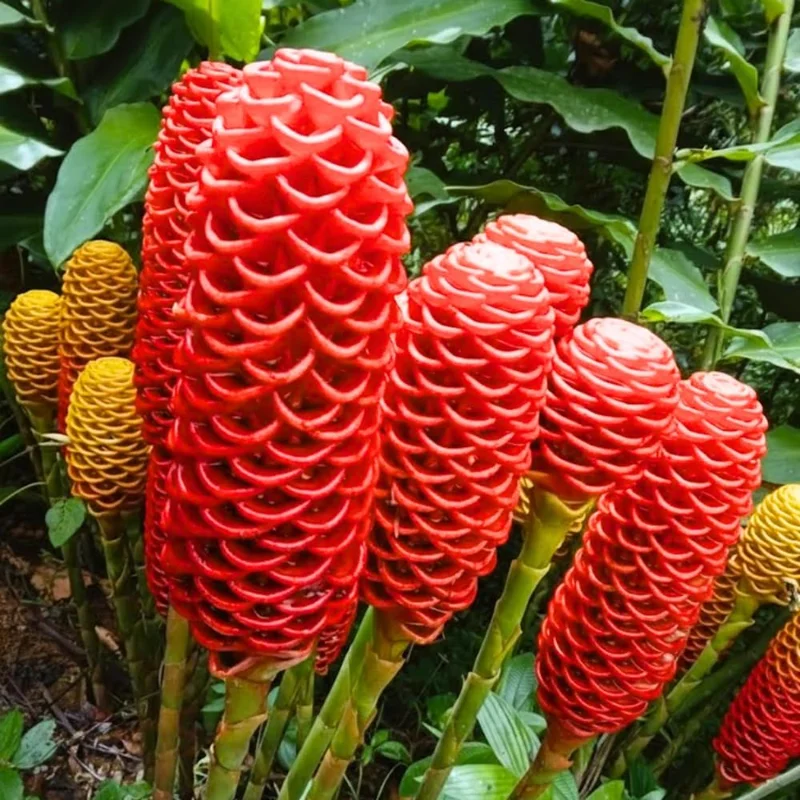
Introduce a touch of the tropics to your garden with these 5 Awapuhi Shampoo Ginger Roots. Also known by its botanical name, Zingiber zerumbet rhizomes, this remarkable plant is celebrated for its striking foliage and distinctive cone-shaped inflorescences that produce a fragrant, sudsy liquid. This liquid, often referred to as ‘shampoo ginger,’ has been traditionally used for its cleansing and moisturizing properties. These live rhizomes are ready for planting, offering a unique opportunity to grow your very own tropical perennial ginger plant, adding an exotic flair to any landscape or container garden. Cultivating Awapuhi Shampoo Ginger Roots is a rewarding experience, providing both ornamental beauty and practical benefits.
The Zingiber zerumbet rhizomes are a fantastic addition for gardeners looking for something out of the ordinary. Their lush green leaves and unique ‘shampoo’ cones make them a conversation starter. Whether you’re aiming for a vibrant tropical theme or simply want to explore the benefits of growing your own natural shampoo ingredients, these rhizomes provide an excellent starting point. They are relatively easy to establish in the right conditions and will quickly become a cherished part of your plant collection, bringing a continuous supply of natural goodness and beauty.
Key Benefits
Growing Awapuhi Shampoo Ginger Roots offers a multitude of advantages, from aesthetic appeal to practical uses. These plants are not only beautiful but also provide a natural resource right in your backyard.
- Exotic Visual Appeal: The lush, vibrant green foliage and unique, pinecone-like flower heads of the tropical ginger plant add a dramatic and exotic touch to any garden or patio. Its striking appearance makes it a focal point.
- Natural Hair and Skin Care: The cones of the Awapuhi ginger produce a clear, fragrant, and sudsy liquid that is traditionally used as a natural shampoo and conditioner. Discover the amazing shampoo ginger benefits for healthier hair and skin.
- Fragrant Garden Addition: The ginger plants emit a pleasant, subtle fragrance, especially when the cones mature, enhancing the sensory experience of your outdoor space.
- Hardy Perennial Growth: In appropriate climates (USDA zones 8-12), these rhizomes establish as hardy perennials, returning year after year with minimal effort, providing long-term beauty.
- Versatile Planting Options: Suitable for both garden beds and large containers, making it adaptable for various landscaping designs and smaller spaces like patios or balconies.
- Pollinator Attraction: While not heavily emphasized, the unique blooms can attract beneficial insects to your garden, contributing to a healthy ecosystem.
- Easy to Grow: With proper care, these Awapuhi Shampoo Ginger Roots are surprisingly resilient and simple to cultivate, even for novice gardeners, ensuring a successful growing experience.
Plant Care & Growing Tips
To ensure your Awapuhi Shampoo Ginger Roots thrive, understanding their specific care requirements is crucial. These tropical plants prefer conditions that mimic their natural habitat, but are adaptable with a little attention. Learning how to grow shampoo ginger successfully begins with proper planting and ongoing maintenance.
Sunlight and Location: Awapuhi ginger prefers partial shade to full sun. In hotter climates, partial shade is ideal to protect the leaves from scorching. Aim for locations that receive at least 4-6 hours of direct sunlight daily or dappled shade throughout the day. If growing in containers, choose a spot on a patio or deck that offers this light exposure. The plant is hardy in USDA zones 8-12, meaning it can remain outdoors year-round in these regions. In cooler zones, it can be grown as an annual or overwintered indoors by bringing the rhizomes inside before the first frost.
Watering and Soil: These plants require moderate watering to keep the soil consistently moist but not waterlogged. Well-drained soil is essential to prevent root rot. A rich, loamy soil amended with organic matter will provide the best growing medium. Ensure your pots have drainage holes if container planting. During periods of active growth and flowering, increase watering frequency, and reduce it during dormancy. Fertilize with a balanced slow-release fertilizer during the growing season to support robust growth and abundant flowering. Regular feeding will enhance the shampoo ginger benefits you can harvest.
Temperature and Humidity: As a tropical plant, Awapuhi ginger thrives in warm temperatures. It prefers temperatures between 65-85°F (18-29°C). While it tolerates cooler temperatures in its hardiness zones, frost will damage or kill the foliage. High humidity is beneficial, so consider misting container plants or placing them near other plants to create a microclimate. Common problems include yellowing leaves due to overwatering or nutrient deficiencies, and pests like spider mites, which can often be managed with insecticidal soap. Proper care ensures your Zingiber zerumbet rhizomes produce healthy, vibrant plants.
Size & Details
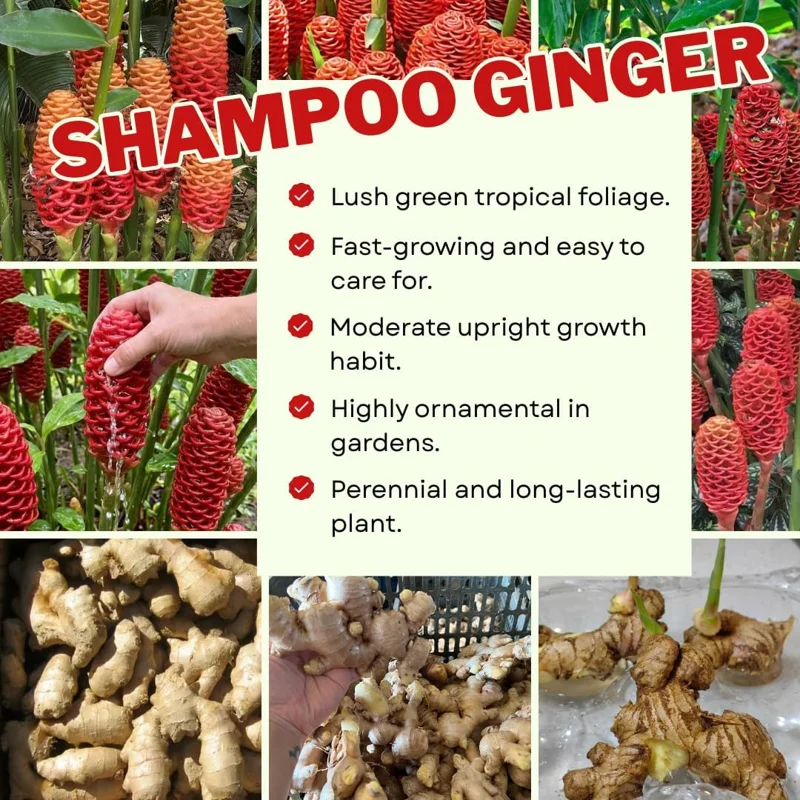
This offering includes a set of 5 Awapuhi Shampoo Ginger Roots, specifically Zingiber zerumbet rhizomes, ready for immediate planting. Each rhizome is carefully selected to ensure viability and robust growth. When mature, these tropical perennial ginger plants can reach an impressive height of 3 to 6 feet tall with a spread of 2 to 3 feet wide, creating a substantial and impactful presence in your garden. The rhizomes are shipped bare root, allowing for easy handling and planting upon arrival. They are well-suited for establishing quickly in garden beds or larger pots.
Expect to see foliage emerge within a few weeks of planting, with the distinctive shampoo ginger cones developing in late summer to early fall. The growth rate is moderate, allowing the plant to establish well within its first season. These rhizomes are an excellent way to start your own collection of this unique and beneficial plant, providing years of enjoyment and natural resources. Understanding how to grow shampoo ginger will help you maximize the potential of these rhizomes.
Frequently Asked Questions
- Q: How big do these Awapuhi Shampoo Ginger Roots get? A: When mature, these plants typically grow 3 to 6 feet tall with a spread of 2 to 3 feet wide. Their size makes them ideal for creating a lush, tropical statement in your landscape.
- Q: Is this an indoor or outdoor plant? A: This is primarily an outdoor plant, hardy in USDA zones 8-12. In cooler regions, it can be grown as an annual or the rhizomes can be overwintered indoors to protect them from frost.
- Q: How much sunlight does the tropical ginger plant need? A: Awapuhi ginger prefers partial shade to full sun. In very hot climates, partial shade is recommended to prevent leaf scorch. Aim for at least 4-6 hours of direct sun or dappled shade daily.
- Q: What condition will the Zingiber zerumbet rhizomes arrive in? A: The rhizomes will arrive as bare roots, carefully packaged to ensure they are healthy and ready for planting. This method allows for optimal transport and planting flexibility.
- Q: Is this plant easy to care for? A: Yes, with proper attention to sunlight, watering, and soil, Awapuhi ginger is considered relatively easy to care for. It’s a great choice for both experienced and novice gardeners interested in unique tropical plants.
- Q: When is the best time to plant these Awapuhi Shampoo Ginger Roots? A: The best time to plant these rhizomes is in spring or early summer, after the last frost, when soil temperatures have warmed up. This gives them ample time to establish before cooler weather.
- Q: What are the main shampoo ginger benefits? A: The primary benefit is the natural, fragrant liquid produced by the cones, traditionally used as a natural shampoo and conditioner. It is known for its cleansing and softening properties for hair and skin.
- Q: What kind of soil is best for how to grow shampoo ginger? A: Well-draining, rich, loamy soil amended with organic matter is ideal. Ensure good drainage to prevent root rot, especially if growing in containers.
- Q: Will these plants survive winter in my zone? A: They are hardy in USDA zones 8-12, meaning they can survive winter outdoors in those regions. In colder zones, the rhizomes need to be lifted and stored indoors for the winter or grown as annuals.
- Q: How often should I water my Awapuhi ginger? A: Keep the soil consistently moist but not waterlogged. Water moderately, increasing frequency during active growth and flowering, and reducing during dormancy.
Be the first to review “Awapuhi Shampoo Ginger Roots – 5 Rhizomes for Planting, Tropical Perennial Ginger Plant, Live Plant”
You must be logged in to post a review.
People also Viewed
Sold 50 products
Original price was: $17.58.$11.86Current price is: $11.86.
Sold 50 products
Price range: $32.99 through $35.99
Sold 50 products
$69.99
Sold 50 products
$18.99
Sold 50 products
Price range: $14.98 through $23.89
Sold 50 products
$32.99
Sold 50 products
$24.99
Sold 50 products
Price range: $43.99 through $44.99RELATED posts
Top 7 Best Smelling Jasmine Varieties for a Heavenly Garden
Have you ever walked past a house and caught a scent so sweet you just [...]
Mar
Master the Heat: 8 Expert Tips for Growing Jalapeños Like a Pro
Are you staring at your garden space, wondering why your pepper plants look more like [...]
Mar
Top 5 Must-Have Hoya Varieties for Beginners
Hoyas are easily one of my top recommendations if you’re hunting for a low-maintenance houseplant [...]
Mar
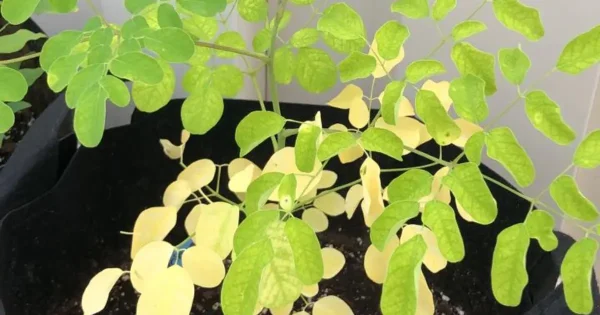
7 Moringa Plant Care Mistakes to Avoid for Healthy Growth
Have you ever looked at your Moringa tree and wondered why its once vibrant green [...]
Feb
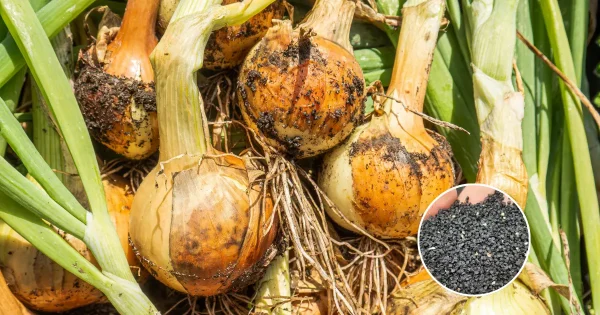
How to Grow Potato Onions From True Seeds: A Step-by-Step Guide
Have you ever wondered how to grow potato onions from true seeds or why some [...]
Feb
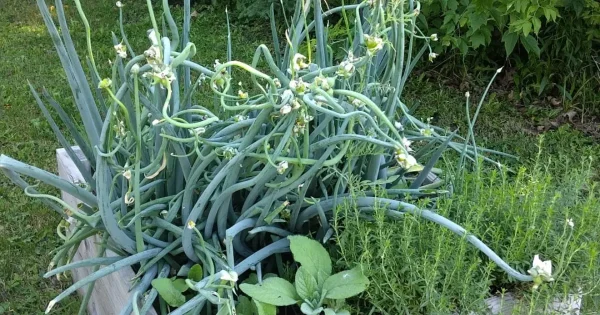
Growing Walking Onions in Containers: The Ultimate Guide
Have you ever looked at your small balcony or cramped patio and wished you could [...]
Feb

9 Best Flower Seeds to Start in February for Early Blooms
If you’re a passionate gardener, you know that itchy feeling in your fingers when February [...]
Jan
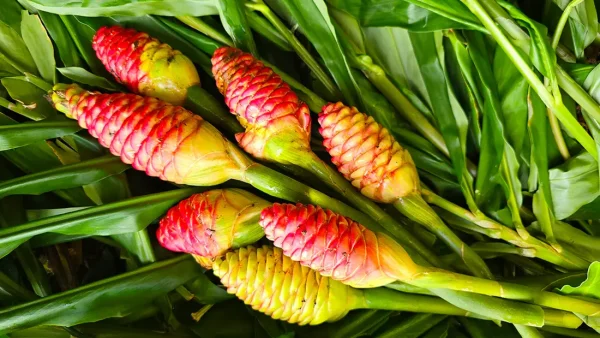
Growing Shampoo Ginger in Pots: Easy Guide to Potting Ginger Lilies
Are you looking to add a touch of exotic beauty to your home while growing [...]
Jan


Reviews
There are no reviews yet.