
Asian Sour Leaf Roselle Hibiscus Seeds – 20 Seeds – Heat-Tolerant Edible
Original price was: $33.99.$13.99Current price is: $13.99.
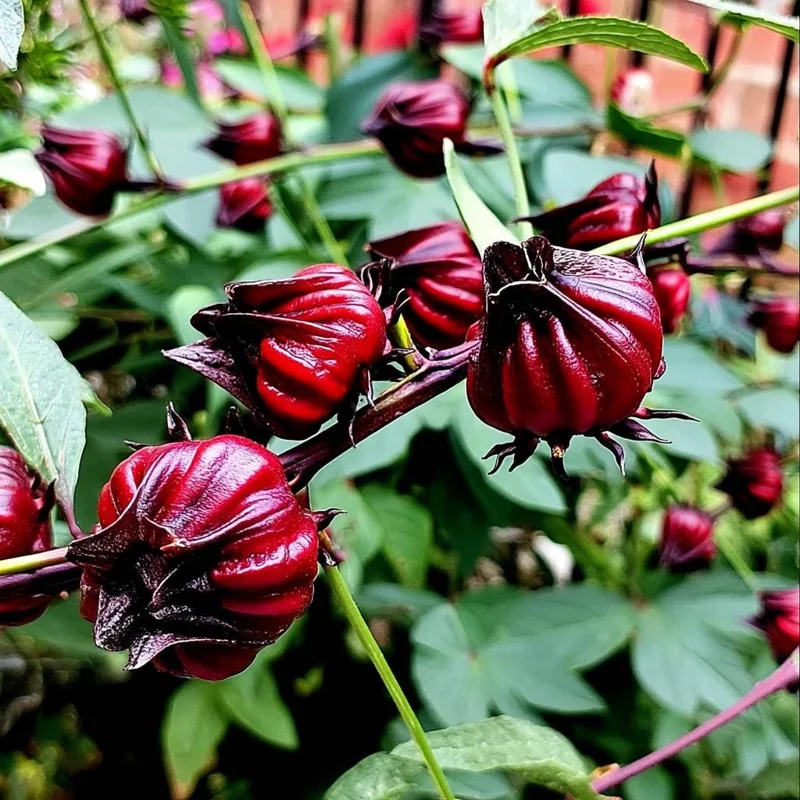
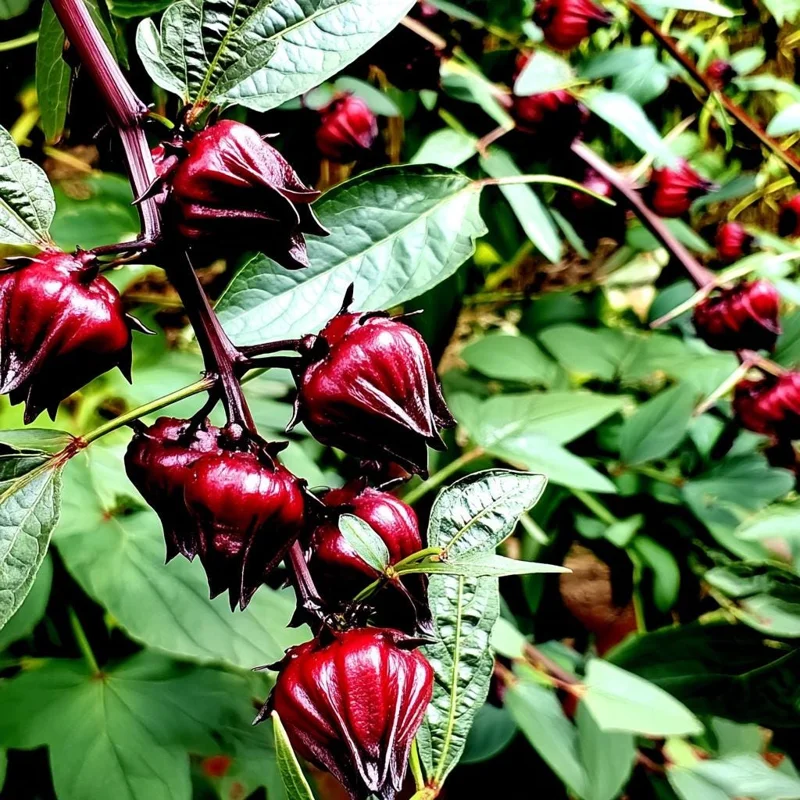
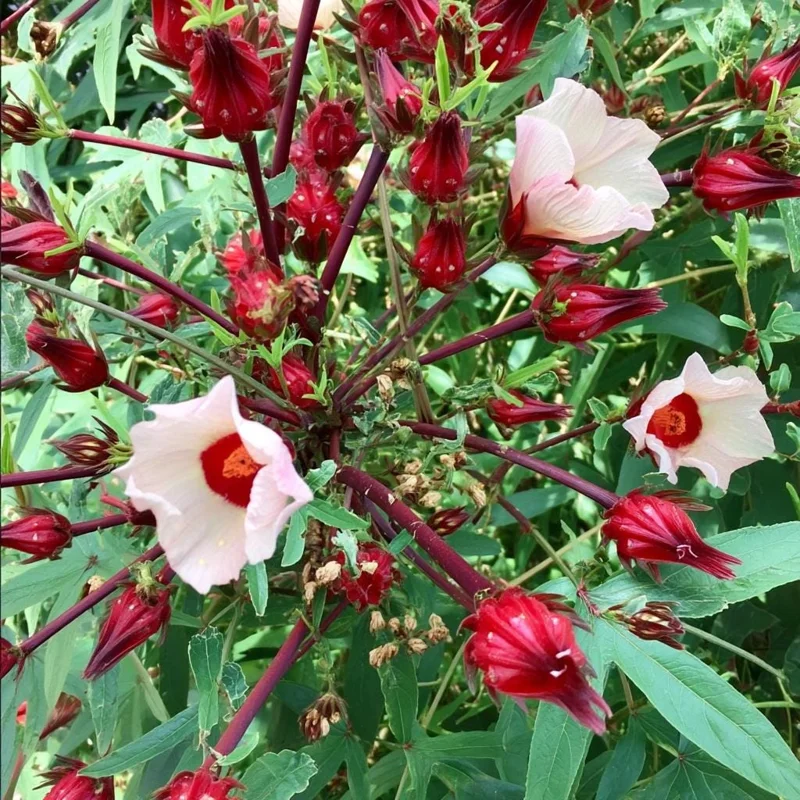
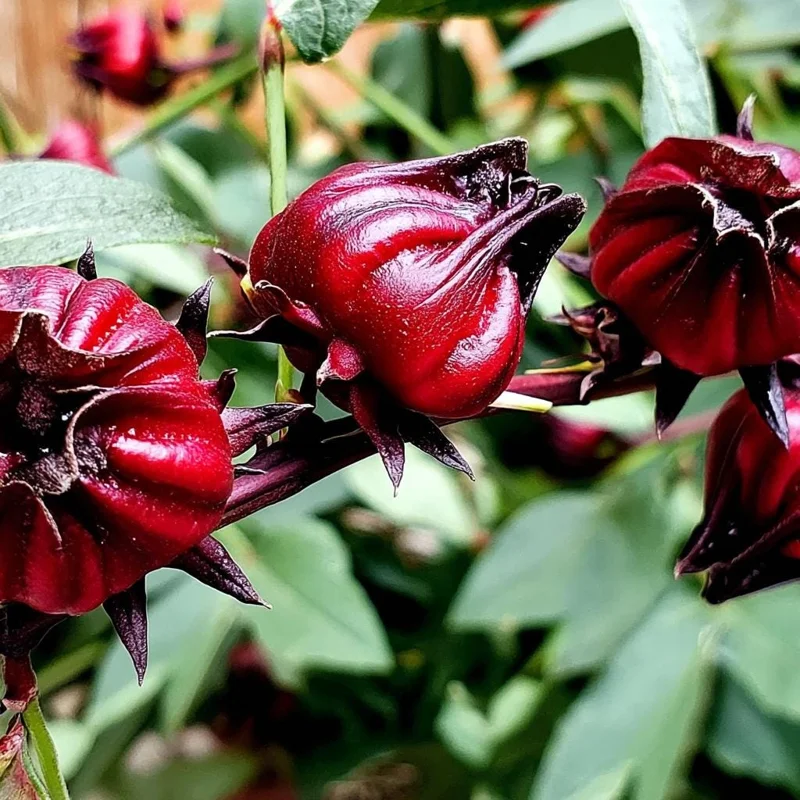
Cultivate your own vibrant and versatile Asian Sour Leaf Roselle Hibiscus seeds. These heat-tolerant hibiscus seeds produce plants with tangy, edible leaves and striking red calyces, ideal for culinary use and garden beauty. Perfect for teas, salads, and jams, these seeds offer a rewarding growing experience.
Shipping and Return policies:
We stand behind our plants with our Alive & Thrive Guarantee. If you experience any issues within the first 30 days, please email us, and our team will be happy to help. When needed, we’ll send you a one-time replacement free of charge to make sure your garden keeps growing strong.

Reasonable Price
We offer reasonable price

Support 24/7
Contact us 24 hrs a day
100% Money Back
You’ve 30 days to Return
Payment Secure
100% secure payment
Overview
Discover the joy of growing your own delicious and beautiful plants with our premium Asian Sour Leaf Roselle Hibiscus seeds. This unique variety, scientifically known as Hibiscus sabdariffa, is highly prized for its dual appeal: tangy, edible leaves and vibrant red calyces. Ideal for culinary enthusiasts and home gardeners alike, these seeds promise a rewarding cultivation experience. The Asian Sour Leaf Roselle Hibiscus seeds are perfect for those looking to add a touch of exotic flavor and color to their garden. Whether you’re an experienced gardener or just starting out, growing roselle hibiscus from seed is a fulfilling endeavor that yields bountiful harvests.
Our edible hibiscus seeds are selected for their vigor and ability to thrive in warm climates, making them an excellent choice for a wide range of growing conditions. The resulting plants are not only beautiful but also incredibly versatile in the kitchen, offering a unique tart flavor that enhances various dishes and beverages. Cultivating Asian Sour Leaf Roselle Hibiscus seeds means bringing a piece of vibrant, edible nature into your backyard or container garden.
Key Benefits
Growing Asian Sour Leaf Roselle Hibiscus seeds offers a multitude of advantages for both your garden and your culinary adventures. These seeds provide an opportunity to cultivate a plant that is both ornamental and highly functional.
- Culinary Versatility: The leaves and calyces of the roselle plant are edible and incredibly versatile. Use the tangy leaves in salads, stir-fries, or as a refreshing tea. The vibrant red calyces are perfect for making jams, jellies, sauces, and traditional hibiscus drinks, offering a unique flavor profile to your homemade creations.
- Heat-Tolerant Growth: This variety of hibiscus is renowned for its resilience and ability to flourish in warmer climates. If you’re looking for a plant that can withstand the summer heat and continue to produce, these heat-tolerant hibiscus seeds are an excellent choice, ensuring vigorous growth even in challenging conditions.
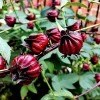
- Vibrant Garden Addition: Beyond its culinary uses, the roselle hibiscus adds a stunning visual element to any garden. Its lush green foliage and striking red calyces provide a beautiful contrast, making it an attractive feature in garden beds, borders, or large containers.
- Nutritional Value: Roselle leaves and calyces are known to be rich in vitamins and antioxidants, contributing to a healthy diet. Growing your own ensures a fresh, organic source of these beneficial compounds.
- Easy to Grow: With straightforward sowing and care instructions, these edible hibiscus seeds are suitable for gardeners of all experience levels. The plant’s vigorous growth habit means you’ll quickly see results and enjoy bountiful harvests.
- Container Gardening Friendly: For those with limited garden space, roselle hibiscus adapts well to container growing, making it accessible for patios, balconies, and urban gardens, allowing anyone to grow roselle hibiscus.
- Pollinator Friendly: The flowers, while often short-lived, can attract pollinators to your garden, contributing to a healthy ecosystem.
Plant Care & Growing Tips
Successfully growing Asian Sour Leaf Roselle Hibiscus seeds requires attention to a few key environmental factors and consistent care. Start by sowing seeds indoors 6–8 weeks before the last expected frost, or directly outdoors once all danger of frost has passed and soil temperatures have warmed. Plant seeds about ¼ inch deep in moist, well-drained soil. Germination typically occurs within 10–14 days. Once seedlings have developed strong roots and are ready for transplanting, space them 12–18 inches apart in rows 18–24 inches apart.
Roselle hibiscus thrives in full sun, meaning it needs at least 6-8 hours of direct sunlight per day to produce a robust harvest of leaves and calyces. The ideal soil is fertile and well-draining; heavy clay soils should be amended with organic matter to improve drainage. Water consistently to maintain even soil moisture, but be careful to avoid waterlogging, which can lead to root rot. While the plant is generally resilient, providing a light, balanced fertilizer throughout the growing season will support vigorous growth and maximize your yield. For optimal flavor and color, harvest leaves as needed and calyces when they are mature and plump.
To ensure your roselle plant care is effective, monitor for common garden pests, though roselle is generally quite hardy. It prefers warm temperatures and is sensitive to frost, so in cooler climates, consider growing it as an annual or in containers that can be moved indoors. The plant typically performs best in USDA zones where it can enjoy a long, warm growing season. Proper watering, adequate sunlight, and well-drained soil are the cornerstones of successful cultivation for these heat-tolerant hibiscus plants.
Size & Details
Each packet contains 20 Asian Sour Leaf Roselle Hibiscus seeds, providing ample opportunity to establish a thriving crop. These seeds will grow into bushy plants that can reach heights of 3-7 feet, depending on growing conditions and climate, with a spread of 2-4 feet. The plants are vigorous growers, quickly developing lush foliage and then producing the distinctive red calyces. Roselle hibiscus is typically grown as an annual in most climates, completing its life cycle within one growing season, though it can be perennial in tropical and subtropical regions. The seeds are shipped in a protective packet to ensure viability upon arrival.
Expect to begin harvesting leaves within a few weeks of planting and calyces typically 3-4 months after sowing, once they have fully developed. The mature calyces are typically 1-2 inches in diameter. The plant’s growth rate is considered fast, especially in optimal warm and sunny conditions. These edible hibiscus seeds offer the potential for a substantial harvest from a single packet, allowing you to enjoy fresh roselle throughout the growing season.
Frequently Asked Questions
- Q: How big does this plant get? A: The Asian Sour Leaf Roselle Hibiscus typically grows 3-7 feet tall with a spread of 2-4 feet, depending on growing conditions and climate. It can be kept smaller with pruning if grown in containers.
- Q: Is this an indoor or outdoor plant? A: While it can be started indoors, roselle hibiscus is primarily an outdoor plant that thrives in full sun. In colder climates, it’s often grown as an annual or brought indoors during winter.
- Q: How much sunlight does it need? A: This heat-tolerant hibiscus requires full sun, meaning at least 6-8 hours of direct sunlight daily for optimal growth and calyx production.
- Q: Is this plant easy to care for? A: Yes, roselle hibiscus is generally considered easy to care for, making it suitable for gardeners of all experience levels. Consistent watering and well-drained soil are key to successful roselle plant care.
- Q: What condition will the seeds arrive in? A: You will receive 20 Asian Sour Leaf Roselle Hibiscus seeds in a sealed packet, protected to ensure their viability and readiness for planting.
- Q: Can I use the leaves and calyces in cooking? A: Absolutely! Both the tangy leaves and the vibrant red calyces are edible. The leaves can be used in salads or stir-fries, while the calyces are perfect for making teas, jams, and sauces from these edible hibiscus seeds.
- Q: When is the best time to plant these seeds? A: Sow seeds indoors 6-8 weeks before the last frost, or directly outdoors after all danger of frost has passed and soil temperatures are consistently warm.
- Q: Will it survive winter in my zone? A: Roselle hibiscus is a tropical plant and is sensitive to frost. It is typically grown as an annual in most temperate climates, but can be perennial in USDA Zones 9-11 or warmer.
- Q: What kind of soil is best for growing roselle hibiscus? A: Roselle prefers fertile, well-drained soil. Amending heavy soils with organic matter can improve drainage and provide essential nutrients for these Asian Sour Leaf Roselle Hibiscus seeds to thrive.
- Q: How long until I can harvest? A: You can typically harvest leaves within a few weeks of planting. The calyces are usually ready for harvest 3-4 months after sowing, once they are plump and fully developed.
Be the first to review “Asian Sour Leaf Roselle Hibiscus Seeds – 20 Seeds – Heat-Tolerant Edible”
You must be logged in to post a review.
People also Viewed
Sold 50 products
Original price was: $36.99.$16.99Current price is: $16.99.
Sold 50 products
Original price was: $31.99.$11.99Current price is: $11.99.
Sold 50 products
Original price was: $35.99.$15.99Current price is: $15.99.
Sold 50 products
Original price was: $31.99.$11.99Current price is: $11.99.
Sold 50 products
Original price was: $35.99.$15.99Current price is: $15.99.
Sold 50 products
Original price was: $31.99.$11.99Current price is: $11.99.
Sold 50 products
Original price was: $34.99.$14.99Current price is: $14.99.
Sold 50 products
Original price was: $31.99.$11.99Current price is: $11.99.RELATED posts
How to Grow Arabian Jasmine: A Complete Care Guide
If you’ve ever dreamed of a garden that smells like a tropical paradise, Jasminum sambac [...]
Apr
How to Grow Jalapeño Peppers From Seeds: A Step-by-Step Guide
Ready to spice things up in your garden? Jalapeños are the true life of the [...]
Apr
Top 12 Best Types of Peppers to Grow in Your Garden: Easy and High Yield
Growing peppers is, quite honestly, one of the biggest “wins” you can have in a [...]
Apr
Frostproof Jasmine Care: 7 Tips for Successful Pot Growth
Most gardenias are known for being “divas.” They want perfect humidity, perfect soil, and they [...]
Mar
Top 7 Best Smelling Jasmine Varieties for a Heavenly Garden
Have you ever walked past a house and caught a scent so sweet you just [...]
Mar
Master the Heat: 8 Expert Tips for Growing Jalapeños Like a Pro
Are you staring at your garden space, wondering why your pepper plants look more like [...]
Mar
Top 5 Must-Have Hoya Varieties for Beginners
Hoyas are easily one of my top recommendations if you’re hunting for a low-maintenance houseplant [...]
Mar
7 Moringa Plant Care Mistakes to Avoid for Healthy Growth
Have you ever looked at your Moringa tree and wondered why its once vibrant green [...]
Feb

Reviews
There are no reviews yet.