
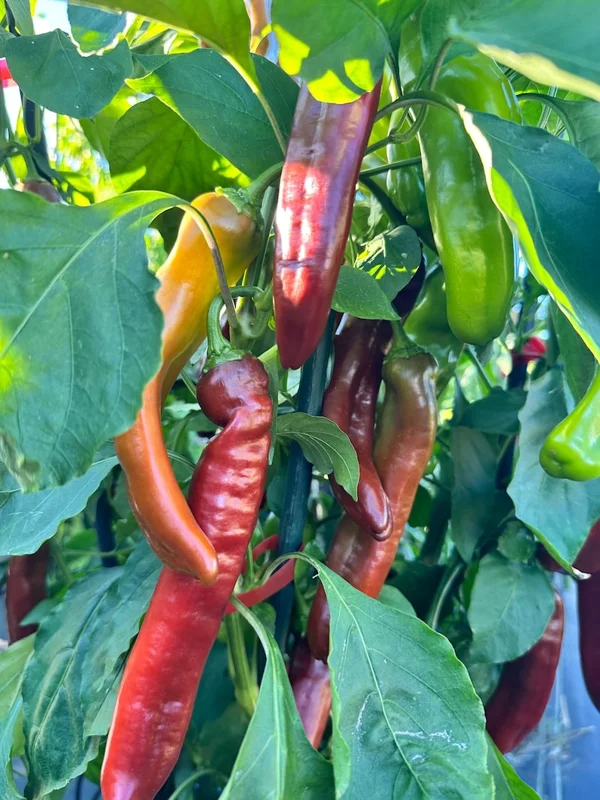
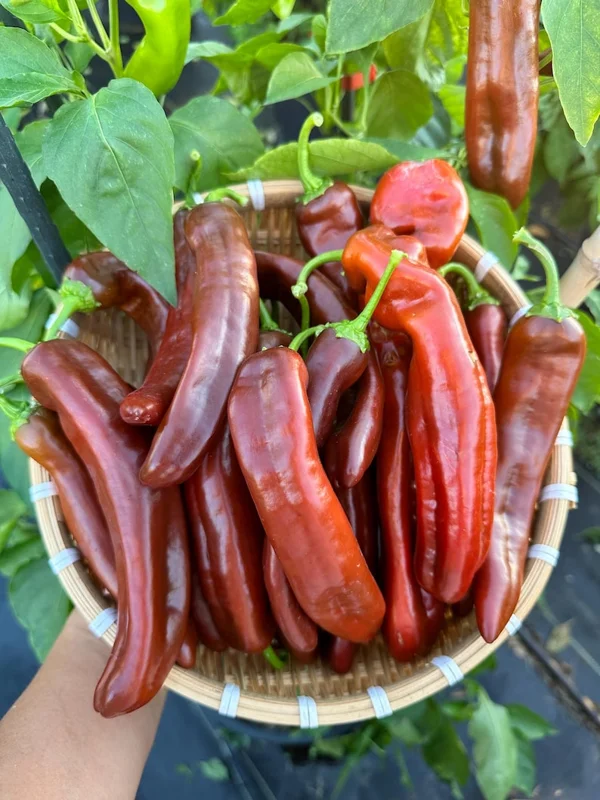
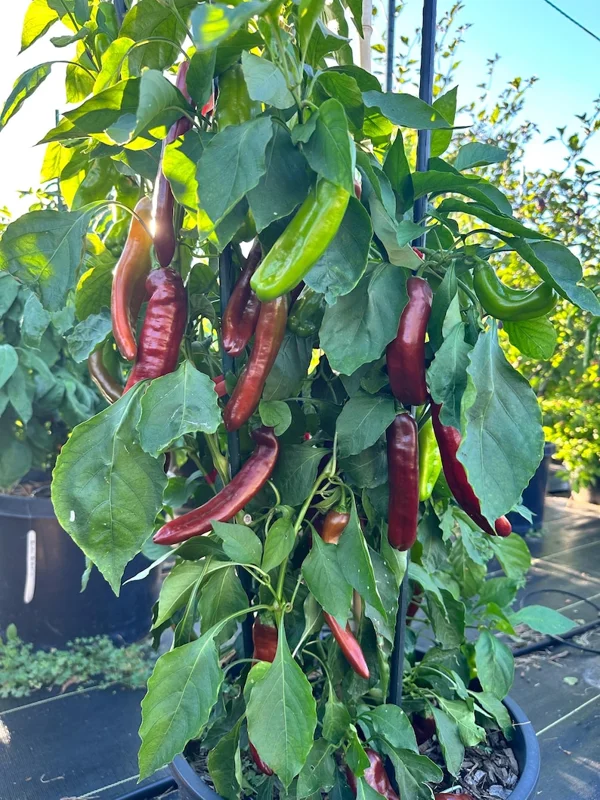
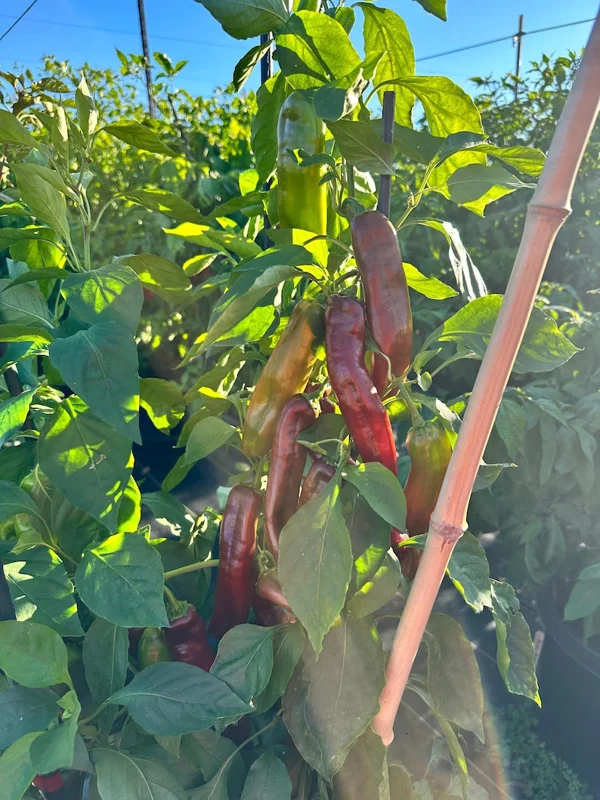
Ancient Sweet Chocolate Pepper Seeds – Heirloom Variety – Garden Seeds
Original price was: $17.98.$9.99Current price is: $9.99.
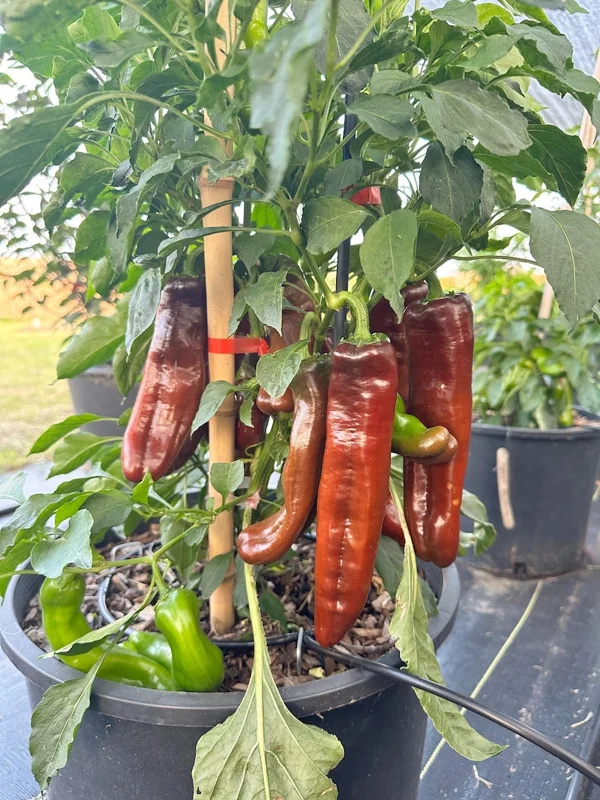
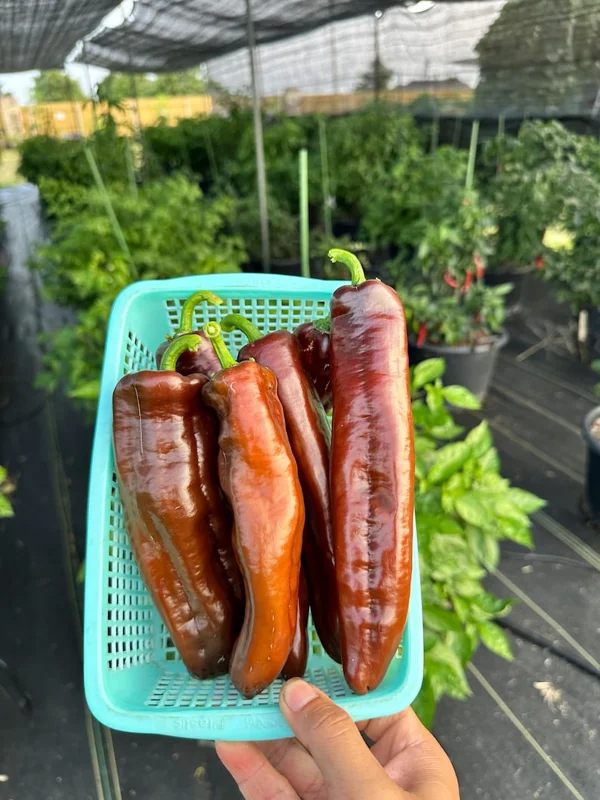
Grow your own delicious peppers! These Ancient Sweet Chocolate Pepper Seeds produce sweet, thin-skinned peppers perfect for frying or stuffing. Each pack contains 12+ organically grown, open-pollinated seeds.
Shipping and Return policies:
We stand behind our plants with our Alive & Thrive Guarantee. If you experience any issues within the first 30 days, please email us, and our team will be happy to help. When needed, we’ll send you a one-time replacement free of charge to make sure your garden keeps growing strong.

Reasonable Price
We offer reasonable price

Support 24/7
Contact us 24 hrs a day
100% Money Back
You’ve 30 days to Return
Payment Secure
100% secure payment
Grow Your Own Sweet Chocolate Peppers
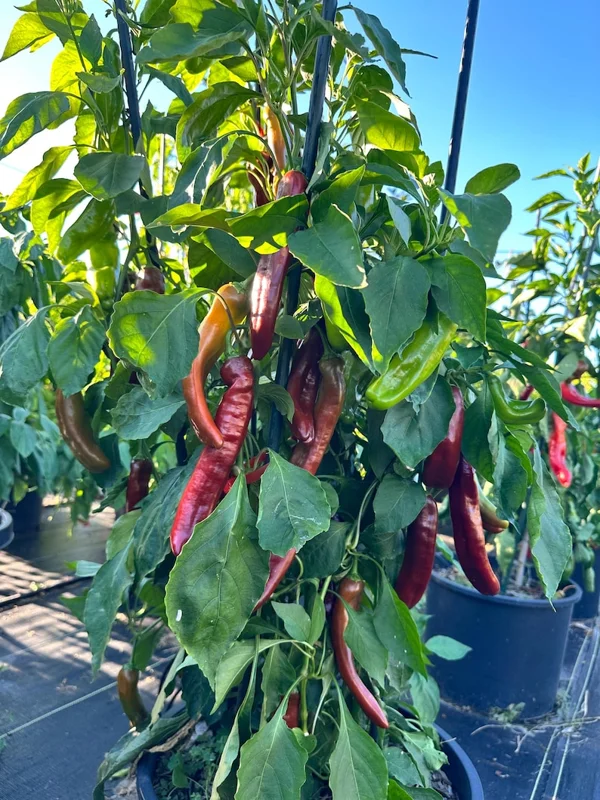
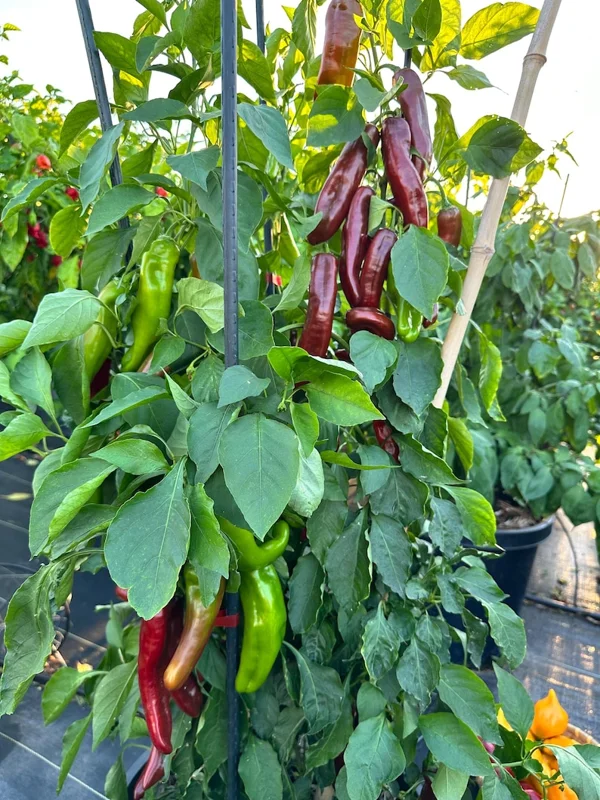
These Ancient Sweet Chocolate Pepper Seeds will allow you to grow a unique and flavorful pepper in your own garden. As the name suggests, these peppers boast a delightful sweetness, making them a versatile addition to your culinary creations. With their thin skin and low seed count, they are a joy to prepare and eat. Start your journey to delicious homegrown peppers today! They are excellent fresh or stuffed!
These peppers typically grow to a size of 6-8 inches, offering a substantial yield for your gardening efforts. Their size makes them ideal for various cooking methods, especially frying. The plant’s open-pollinated nature ensures that you can save the seeds and continue growing this exceptional variety year after year. Experience the satisfaction of harvesting your own sweet and flavorful peppers with these high-quality seeds.
Benefits of Growing Ancient Sweet Chocolate Peppers:
- Enjoy a unique and sweet flavor profile.
- Harvest peppers perfect for frying, stuffing, or eating fresh.
- Save seeds and grow this variety for years to come.
- Add a beautiful and productive plant to your garden.
- Experience the satisfaction of growing your own food.
Frequently Asked Questions
- How long does it take for Ancient Sweet Chocolate Pepper Seeds to germinate?
- What is the best way to start Ancient Sweet Chocolate Pepper Seeds?
- How much sunlight do Ancient Sweet Chocolate Pepper plants need?
- What kind of soil is best for growing Ancient Sweet Chocolate Peppers?
- How often should I water my Ancient Sweet Chocolate Pepper plants?
Germination typically takes 7-14 days, depending on soil temperature and moisture levels. Ensure a consistent soil temperature of 70-80°F for optimal germination.
Start seeds indoors 6-8 weeks before the last expected frost. Use a seed-starting mix and provide plenty of light.
These pepper plants require at least 6-8 hours of direct sunlight per day for optimal growth and fruit production.
A well-draining, fertile soil rich in organic matter is ideal. Amend heavy clay soils with compost or other organic material.
Water regularly, especially during hot, dry weather. Aim to keep the soil consistently moist but not waterlogged. Check the soil moisture level regularly and water when the top inch feels dry.
Be the first to review “Ancient Sweet Chocolate Pepper Seeds – Heirloom Variety – Garden Seeds”
You must be logged in to post a review.
People also Viewed
Sold 50 products
Original price was: $28.58.$19.99Current price is: $19.99.
Sold 50 products
$32.39
Sold 50 products
$21.59
Sold 50 products
$35.99
Sold 50 products
Price range: $23.15 through $25.19
Sold 50 products
$38.39

Sold 50 products
Price range: $28.79 through $35.99
Sold 50 products
$26.39RELATED posts
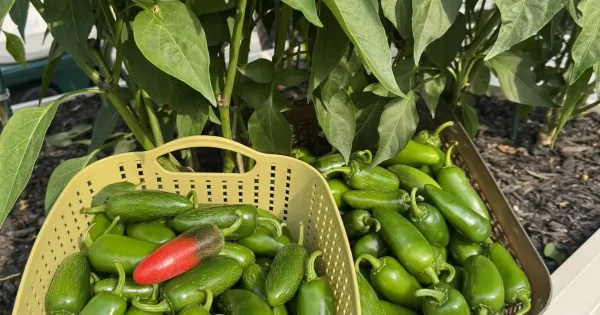
How to Grow Jalapeño Peppers From Seeds: A Step-by-Step Guide
Ready to spice things up in your garden? Jalapeños are the true life of the [...]
Apr
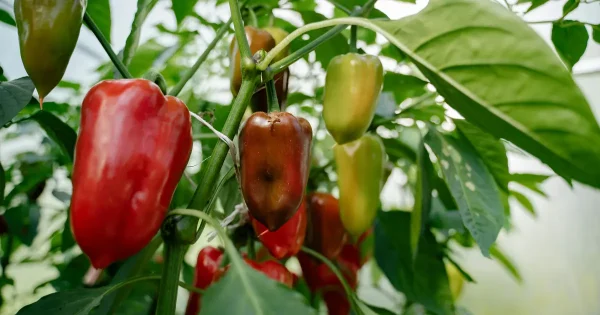
Top 12 Best Types of Peppers to Grow in Your Garden: Easy and High Yield
Growing peppers is, quite honestly, one of the biggest “wins” you can have in a [...]
Apr
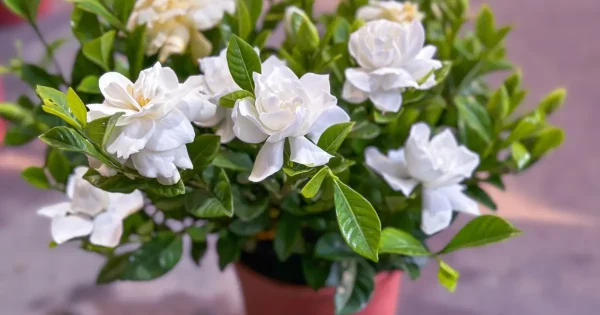
Frostproof Jasmine Care: 7 Tips for Successful Pot Growth
Most gardenias are known for being “divas.” They want perfect humidity, perfect soil, and they [...]
Mar
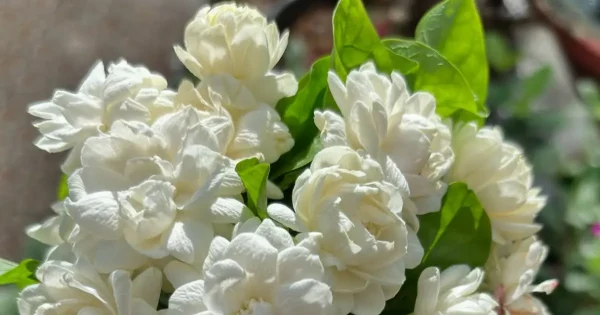
Top 7 Best Smelling Jasmine Varieties for a Heavenly Garden
Have you ever walked past a house and caught a scent so sweet you just [...]
Mar
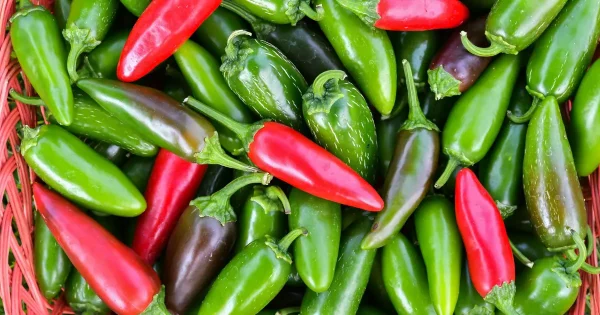
Master the Heat: 8 Expert Tips for Growing Jalapeños Like a Pro
Are you staring at your garden space, wondering why your pepper plants look more like [...]
Mar
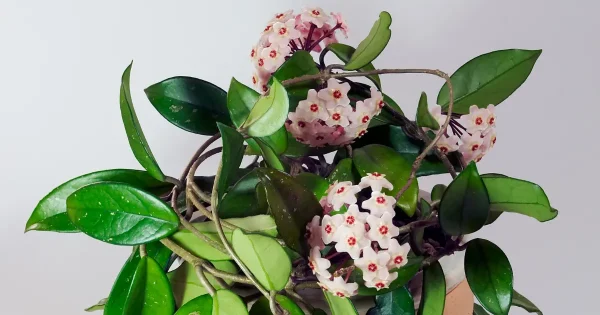
Top 5 Must-Have Hoya Varieties for Beginners
Hoyas are easily one of my top recommendations if you’re hunting for a low-maintenance houseplant [...]
Mar
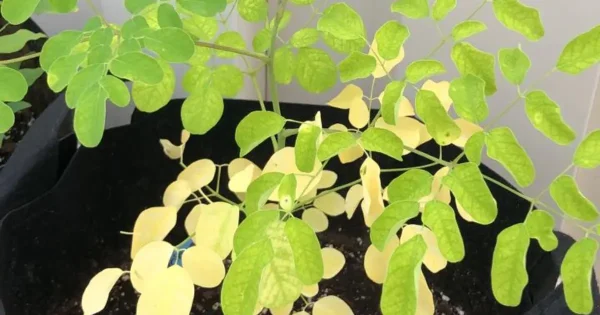
7 Moringa Plant Care Mistakes to Avoid for Healthy Growth
Have you ever looked at your Moringa tree and wondered why its once vibrant green [...]
Feb
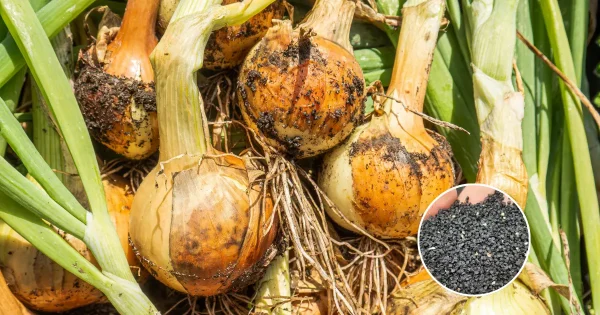
How to Grow Potato Onions From True Seeds: A Step-by-Step Guide
Have you ever wondered how to grow potato onions from true seeds or why some [...]
Feb


Reviews
There are no reviews yet.