
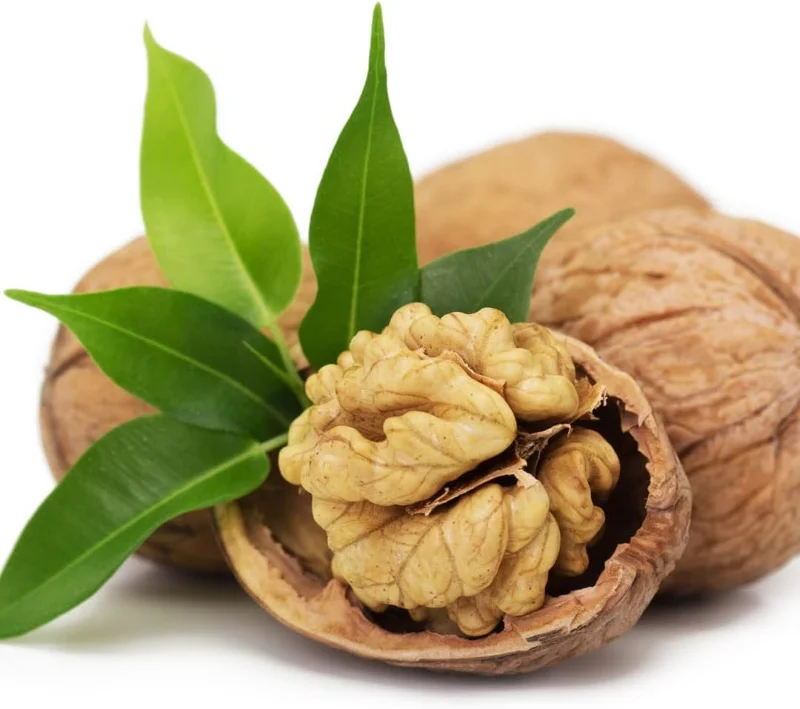
American Chestnut Tree Live Plant 2-3 Feet Tall – 2 Years Old, Cold Hardy
$37.49
Cultivate a piece of history with this American Chestnut Tree live plant. Standing 2-3 feet tall and 2 years old, this cold hardy nuts tree is ready for planting. Enjoy the long-term investment of a tree known for its strong growth and future nut production.
Shipping and Return policies:
We stand behind our plants with our Alive & Thrive Guarantee. If you experience any issues within the first 30 days, please email us, and our team will be happy to help. When needed, we’ll send you a one-time replacement free of charge to make sure your garden keeps growing strong.

Reasonable Price
We offer reasonable price

Support 24/7
Contact us 24 hrs a day
100% Money Back
You’ve 30 days to Return
Payment Secure
100% secure payment
Overview
Introduce a majestic specimen to your landscape with the American Chestnut Tree live plant. Once a dominant species in Eastern North American forests, the American Chestnut (Castanea dentata) is celebrated for its rapid growth and valuable timber. This offering provides a healthy, 2-3 feet tall, 2-year-old sapling, ready to establish itself in your garden or property. Known for its resilience and cold hardiness, this tree represents a significant long-term investment, promising future generations the joy of its abundant nut production. Planting an American Chestnut Tree live plant is not just about adding greenery; it’s about participating in the revitalization of a truly iconic species, ensuring its legacy continues to thrive.
Our carefully nurtured American Chestnut Tree live plant is grown to be robust and adaptable, making it suitable for a wide range of climates (USDA Zones 4-9). It thrives in full sun and, once established, requires minimal maintenance. This particular specimen is 2 years old, providing it with a strong root system and a head start on growth. Imagine the satisfaction of watching this tree mature, eventually producing delicious nuts and contributing to local wildlife support. This is an exceptional opportunity for gardeners, homesteaders, and conservationists alike who are interested in growing Chestnut trees.
Key Benefits
The American Chestnut Tree live plant offers a multitude of benefits, from ecological contributions to personal satisfaction. Its historical significance and practical advantages make it a highly desirable addition to any suitable landscape.
- Ecological Restoration: By planting an American Chestnut Tree live plant, you contribute directly to the ongoing efforts to restore this once-flourishing species, playing a vital role in biodiversity and forest health.
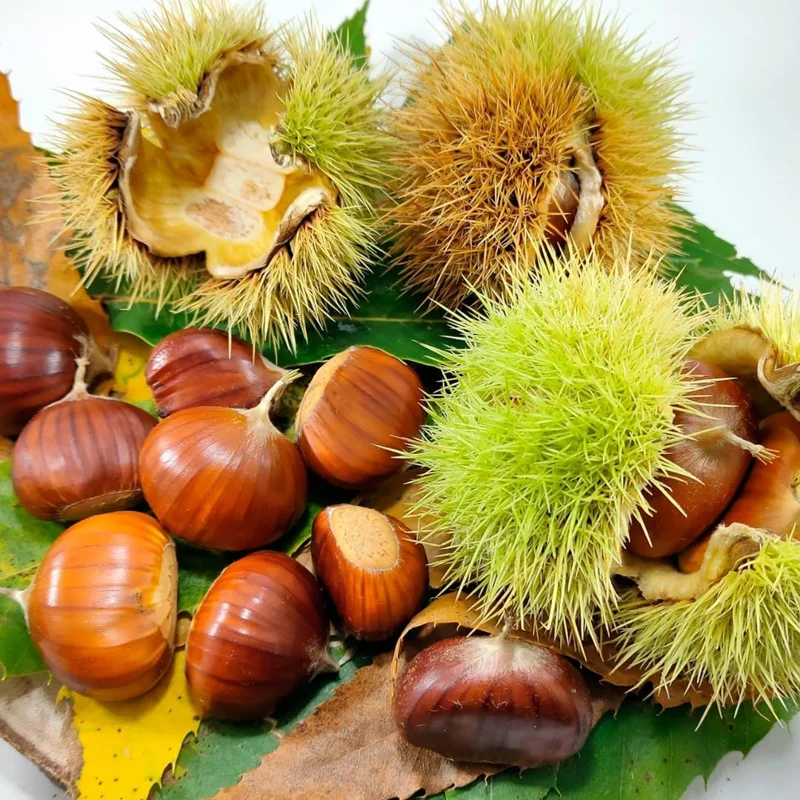
- Valuable Nut Production: After several years, your tree will begin to produce sweet, edible nuts, a cherished food source for both humans and wildlife. This makes it an excellent choice for those interested in a cold hardy nuts tree.
- Long-Term Investment: These trees are known for their longevity and strong growth, offering a lasting legacy for your property and future generations.
- Hardy and Resilient: Bred for cold hardiness, this plant is designed to withstand various environmental conditions, ensuring a greater chance of successful establishment and growth.
- Wildlife Support: The nuts provide a crucial food source for deer, squirrels, and other forest creatures, enhancing the ecological value of your land.
- Aesthetic Appeal: With its broad canopy and strong structure, a mature American Chestnut Tree provides significant shade and visual appeal to any landscape.
- Minimal Maintenance: Once established, the tree requires relatively little care, making it an ideal choice for those seeking a rewarding yet low-effort gardening project.
Plant Care & Growing Tips
Ensuring the successful growth of your American Chestnut Tree live plant begins with proper siting and consistent care during its establishment phase. These trees prefer a location with full sun exposure, meaning at least 6-8 hours of direct sunlight per day. Good air circulation is also beneficial to prevent fungal issues. When considering American Chestnut tree care, soil composition is paramount. They thrive in well-draining, slightly acidic to neutral soil (pH 5.0-7.0). Avoid heavy clay soils that retain too much moisture, as this can lead to root rot. Amending the planting site with compost or well-rotted organic matter can significantly improve soil structure and fertility.
Watering is crucial during the first few years after planting. Keep the soil consistently moist but not waterlogged. Deep watering once or twice a week, depending on rainfall and temperature, is generally more effective than frequent shallow watering. Once the American Chestnut sapling is established, it becomes more drought-tolerant. Fertilization can be beneficial but should be done judiciously. A balanced, slow-release fertilizer applied in early spring can support healthy growth. Monitor for common pests and diseases, although healthy trees are generally resilient. Protecting young trees from deer and other browsing animals with a tree guard is highly recommended.
These trees are reliably cold hardy within USDA Zones 4-9. In colder zones, ensure adequate mulching around the base of the tree to protect the root system during winter. Pruning should be minimal, focusing on removing dead, damaged, or crossing branches to maintain a strong central leader and good canopy structure. Regular inspection for signs of blight or other issues is part of diligent American Chestnut tree care, allowing for early intervention if necessary. With proper care, your American Chestnut Tree live plant will flourish and grow into a magnificent specimen.
Size & Details
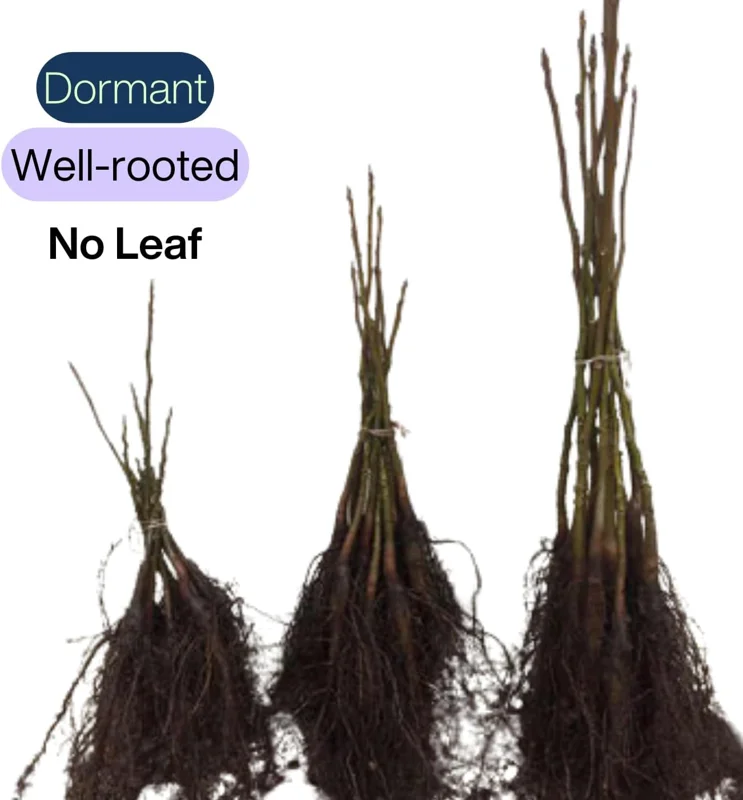
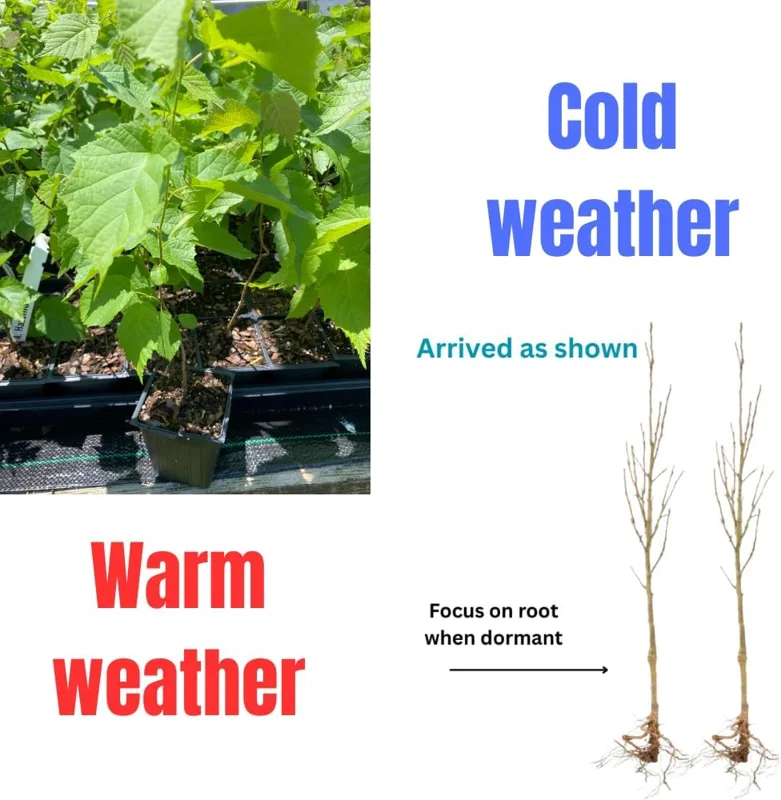
This offering is for one American Chestnut Tree live plant, which stands approximately 2-3 feet tall from the base of the root ball to the top of the plant. It is a 2-year-old sapling, indicating a well-developed root system and robust initial growth. The tree is shipped in a dormant state for optimal transplant success, typically bare-root or with a small amount of soil around the roots, carefully packaged to ensure its health upon arrival. The growth rate of an American Chestnut sapling is generally moderate to fast, adding 1-2 feet per year under ideal conditions, making growing Chestnut trees a rewarding experience.
While specific mature dimensions can vary, a fully grown American Chestnut Tree can reach impressive heights of 50-100 feet with a spread of 30-50 feet. Nut production typically begins after 5-7 years, with increasing yields as the tree matures. This plant is sold as a single unit, providing a strong foundation for establishing this magnificent species in your landscape. Prepare a planting site that can accommodate its eventual large size, ensuring it has ample space to grow and thrive for decades to come.
Frequently Asked Questions
- Q: How big does this American Chestnut Tree live plant get? A: This particular plant is 2-3 feet tall and 2 years old. Mature American Chestnut trees can reach heights of 50-100 feet with a spread of 30-50 feet, so plan your planting location accordingly.
- Q: Is this an indoor or outdoor plant? A: The American Chestnut Tree live plant is an outdoor tree, best suited for planting in a garden, yard, or forest setting where it can receive ample sunlight and space to grow.
- Q: How much sunlight does it need? A: This tree thrives in full sun, requiring at least 6-8 hours of direct sunlight per day for optimal growth and health.
- Q: Is this plant easy to care for? A: Once established, the American Chestnut Tree live plant is relatively low-maintenance. Initial care involves consistent watering and protection from pests and deer.
- Q: What condition will it arrive in? A: Your American Chestnut sapling will arrive in a dormant state, either bare-root or with a small root ball, carefully packaged to ensure its health during transit.
- Q: When is the best time to plant an American Chestnut Tree? A: The ideal time for planting is in the spring or fall when temperatures are moderate, allowing the tree to establish its root system before extreme weather.
- Q: Will it survive winter in my zone? A: This cold hardy nuts tree is suitable for USDA Hardiness Zones 4-9, meaning it can withstand winter temperatures in these regions.
- Q: How long until it produces nuts? A: Nut production typically begins after 5-7 years, with yields increasing as the tree matures, offering a long-term reward for those interested in growing Chestnut trees.
- Q: What kind of soil does an American Chestnut Tree prefer? A: American Chestnut trees prefer well-draining, slightly acidic to neutral soil. Avoid waterlogged conditions.
- Q: Is the American Chestnut Tree resistant to blight? A: While efforts are ongoing to develop blight-resistant varieties, this specific listing refers to a standard American Chestnut Tree live plant. Continued research and community support are vital for its future.
Be the first to review “American Chestnut Tree Live Plant 2-3 Feet Tall – 2 Years Old, Cold Hardy”
You must be logged in to post a review.
People also Viewed
Sold 50 products
Original price was: $17.58.$11.86Current price is: $11.86.
Sold 50 products
Price range: $32.99 through $35.99
Sold 50 products
$69.99
Sold 50 products
$18.99
Sold 50 products
Price range: $14.98 through $23.89
Sold 50 products
$32.99
Sold 50 products
$24.99
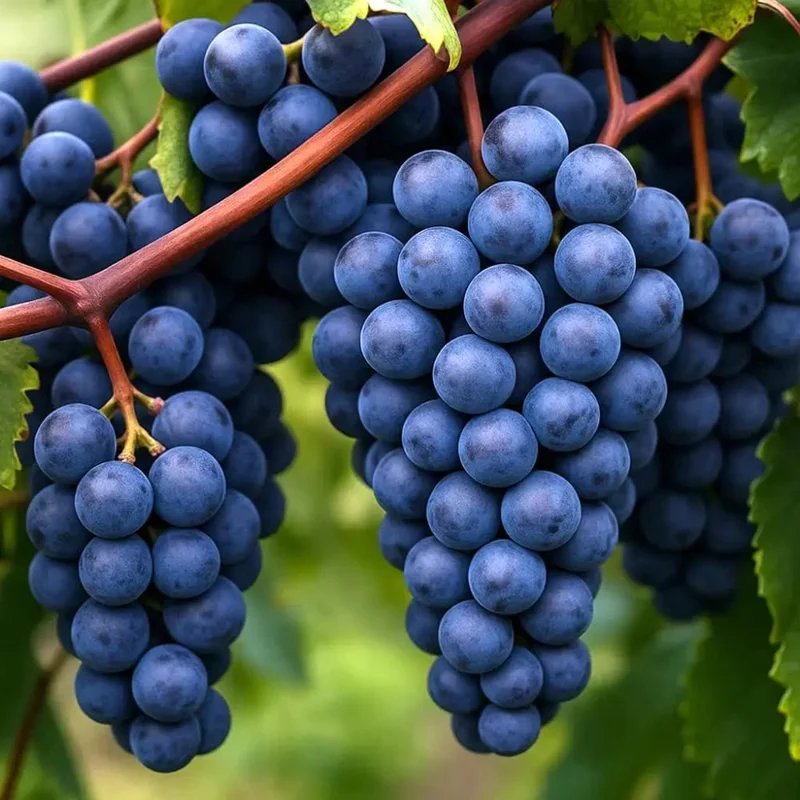
Sold 50 products
Price range: $43.99 through $44.99RELATED posts
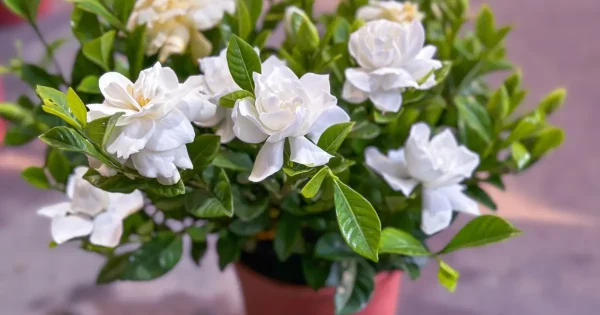
Frostproof Jasmine Care: 7 Tips for Successful Pot Growth
Most gardenias are known for being “divas.” They want perfect humidity, perfect soil, and they [...]
Mar
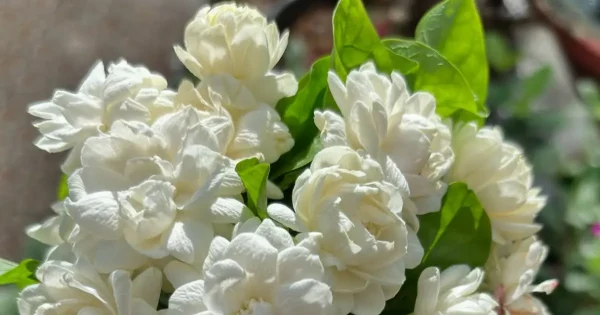
Top 7 Best Smelling Jasmine Varieties for a Heavenly Garden
Have you ever walked past a house and caught a scent so sweet you just [...]
Mar
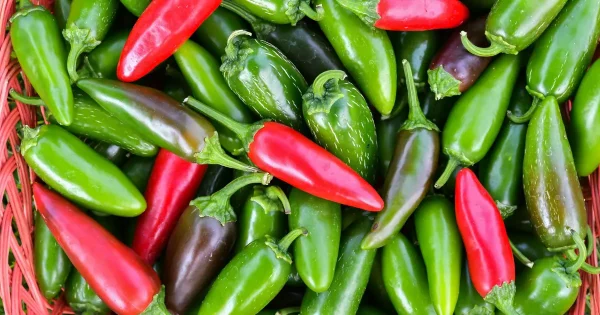
Master the Heat: 8 Expert Tips for Growing Jalapeños Like a Pro
Are you staring at your garden space, wondering why your pepper plants look more like [...]
Mar
Top 5 Must-Have Hoya Varieties for Beginners
Hoyas are easily one of my top recommendations if you’re hunting for a low-maintenance houseplant [...]
Mar
7 Moringa Plant Care Mistakes to Avoid for Healthy Growth
Have you ever looked at your Moringa tree and wondered why its once vibrant green [...]
Feb
How to Grow Potato Onions From True Seeds: A Step-by-Step Guide
Have you ever wondered how to grow potato onions from true seeds or why some [...]
Feb
Growing Walking Onions in Containers: The Ultimate Guide
Have you ever looked at your small balcony or cramped patio and wished you could [...]
Feb

9 Best Flower Seeds to Start in February for Early Blooms
If you’re a passionate gardener, you know that itchy feeling in your fingers when February [...]
Jan
Reviews
There are no reviews yet.