
Allium stellatum Seeds – Prairie Onion Seeds – 100 Seeds – Lavender-Purple Blooms
Original price was: $32.99.$12.99Current price is: $12.99.
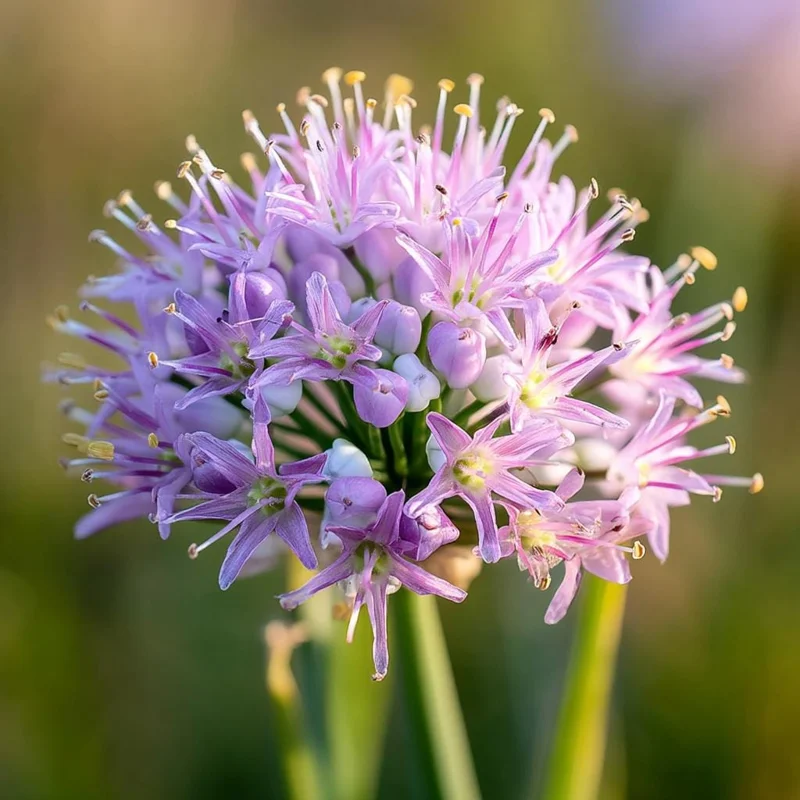
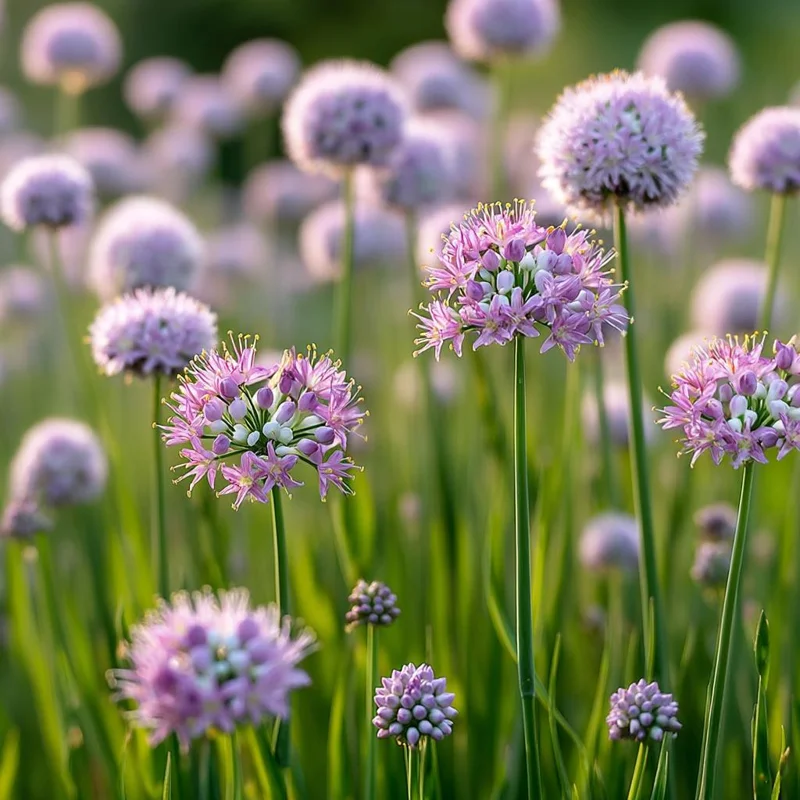
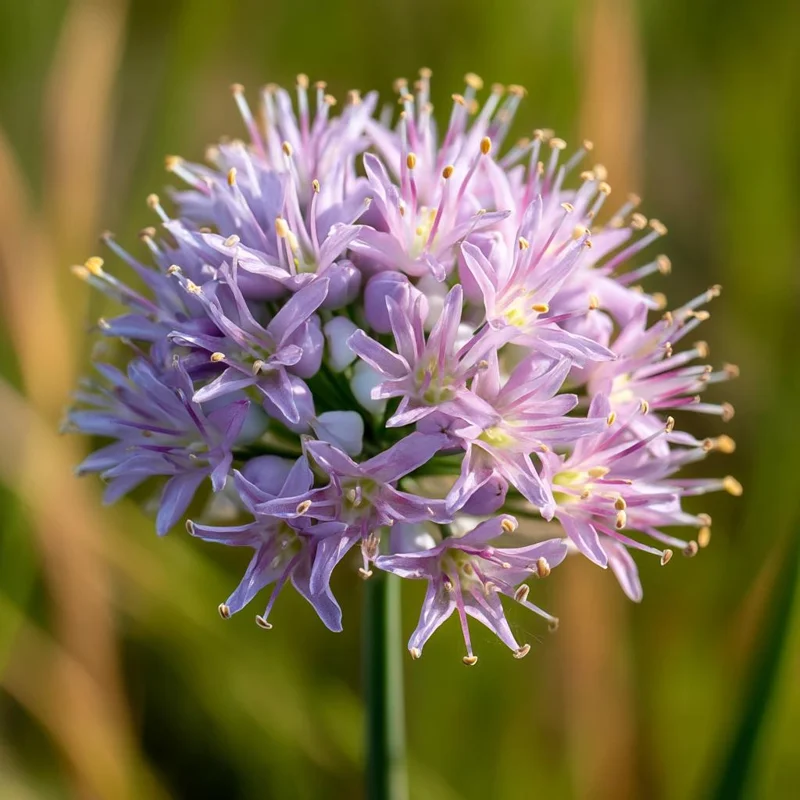
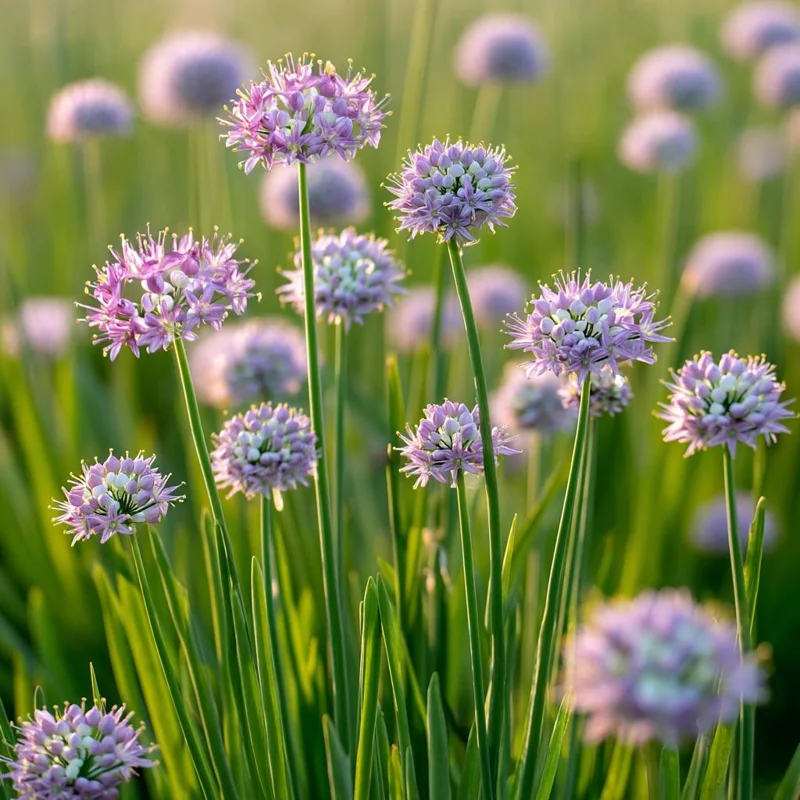
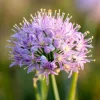
Cultivate stunning Prairie Onion seeds (Allium stellatum) with this pack of 100 Allium stellatum seeds. Native to North American prairies, these seeds will grow into hardy perennials featuring tall stems and star-shaped lavender onion seeds. Perfect for attracting pollinators and enhancing garden borders or rock gardens.
Shipping and Return policies:
We stand behind our plants with our Alive & Thrive Guarantee. If you experience any issues within the first 30 days, please email us, and our team will be happy to help. When needed, we’ll send you a one-time replacement free of charge to make sure your garden keeps growing strong.

Reasonable Price
We offer reasonable price

Support 24/7
Contact us 24 hrs a day
100% Money Back
You’ve 30 days to Return
Payment Secure
100% secure payment
Overview
Bring the charm of North American prairies to your garden with Prairie Onion seeds (Allium stellatum). This pack contains 100 Allium stellatum seeds, allowing you to cultivate this hardy perennial known for its distinctive beauty and ecological benefits. The Prairie Onion, also commonly referred to as the Prairie Onion, produces tall, upright stems crowned with clusters of star-shaped, lavender-purple flowers. These delightful blooms emerge in late spring to early summer, creating a captivating display that adds vertical interest and unique texture to any landscape. Ideal for gardeners seeking to establish a prairie-style or wildflower garden, these seeds offer an opportunity to grow a resilient and attractive plant that thrives with minimal fuss. Embrace the natural elegance and easy care of this remarkable plant, and transform your outdoor space into a haven for local wildlife.
The Allium stellatum species is a testament to nature’s resilience, perfectly adapted to various growing conditions. Its striking lavender-purple flowers not only provide visual appeal but also serve as a vital nectar source for a variety of pollinators, including bees and butterflies. Growing lavender onion seeds is a rewarding experience, offering both aesthetic pleasure and ecological contribution. Whether you’re an experienced gardener or a beginner, these seeds provide a straightforward path to cultivating a beautiful and beneficial plant that will flourish year after year. Prepare to enjoy a vibrant garden filled with the gentle hum of pollinators and the striking beauty of Prairie Onion blooms.
Key Benefits
Growing Prairie Onion seeds offers a multitude of benefits for both your garden and the local ecosystem. These native perennials are an excellent choice for sustainable gardening practices, requiring little intervention once established. Their natural beauty and resilience make them a standout addition to any outdoor space.
- Attracts Pollinators: The lavender-purple, star-shaped flowers are a magnet for bees, butterflies, and other beneficial insects, supporting local biodiversity and enhancing your garden’s ecological health. Planting pollinator garden seeds like Allium stellatum contributes significantly to ecosystem health.
- Low Maintenance & Drought Tolerant: Once established, Prairie Onion requires minimal care. It is highly drought-tolerant, making it an excellent choice for water-wise gardening and busy individuals.
- Unique Ornamental Appeal: With its tall, slender stems and delicate flower clusters, Prairie Onion adds vertical interest and a unique, airy texture to garden borders, rock gardens, and naturalized areas.
- Hardy Perennial: As a hardy perennial, Allium stellatum returns year after year, providing continuous beauty and reducing the need for annual replanting. This makes it a cost-effective and enduring choice for your landscape.
- Versatile Garden Use: Perfect for prairie-style gardens, wildflower meadows, rock gardens, and mixed borders, these plants adapt well to various design schemes.
- Deer and Rabbit Resistant: Like many alliums, Prairie Onion is generally unappealing to deer and rabbits, helping to protect your garden from common pests.
- Easy to Grow from Seed: The 100 Allium stellatum seeds provided offer a simple and economical way to establish a large patch of these beautiful plants, even for novice gardeners.
Plant Care & Growing Tips
Cultivating Prairie Onion seeds into flourishing plants is a straightforward process, provided you offer them the right conditions. These hardy native plants are quite resilient and don’t demand extensive care once they are established. Starting with proper soil and sunlight is crucial for successful germination and growth. Prairie Onion thrives in full sun, meaning it requires at least six hours of direct sunlight per day to produce the most vigorous growth and abundant blooms. Ensure your chosen planting site receives ample light, whether you’re sowing directly outdoors or transplanting seedlings. The soil should be well-drained; alliums are susceptible to rot in waterlogged conditions. Amending heavy clay soils with organic matter like compost or sand can improve drainage significantly.
When it comes to watering, moderation is key. During the initial establishment phase, especially after sowing your lavender onion seeds or transplanting seedlings, keep the soil consistently moist but never soggy. Once the plants are mature and well-rooted, their drought tolerance becomes evident, and you can reduce watering frequency. They can withstand dry spells, making them an excellent choice for xeriscaping or areas where consistent irrigation is a challenge. Fertilization is generally not heavily required for Prairie Onion in average garden soils. If your soil is particularly poor, a light application of a balanced, slow-release granular fertilizer in early spring can provide a boost. Avoid over-fertilizing, as this can lead to excessive foliage growth at the expense of flowers.
Prairie Onion is quite resistant to most pests and diseases, but good air circulation helps prevent fungal issues. Deadheading spent blooms can encourage the plant to put energy into root development or produce a few more flowers, though it’s not strictly necessary for the plant’s health. These plants are cold-hardy, typically thriving in USDA zones 3-8, making them suitable for a wide range of climates. If you are growing prairie plant seeds in an area with particularly harsh winters, a layer of mulch in late fall can provide extra protection. Overall, the care for Allium stellatum is minimal, allowing you to enjoy its beauty with little fuss.
Size & Details
This package contains 100 Allium stellatum seeds, providing a generous quantity for establishing a significant planting area or for multiple seasons of sowing. Each seed holds the potential to grow into a mature Prairie Onion plant, which typically reaches a height of 1-3 feet (30-90 cm) with a spread of about 6-12 inches (15-30 cm). The slender, upright growth habit makes it an excellent choice for adding vertical accents without taking up excessive ground space. These perennial plants are medium-growth rate, establishing well in their first year and returning with increased vigor in subsequent seasons. Blooms usually appear in late spring to early summer, providing a beautiful display for several weeks.
The seeds are shipped in a protective packet to ensure their viability upon arrival. Once planted, germination typically occurs within 14-28 days under optimal conditions. Plants will mature and begin to flower in their second year from seed, though some may produce blooms in their first year if started early indoors. The compact root system makes them suitable for various garden settings, and they can be easily divided after a few years to propagate new plants. These Allium stellatum seeds offer an economical way to create a naturalized prairie look or enhance existing garden beds with minimal effort.
Frequently Asked Questions
- Q: How big does this plant get? A: Prairie Onion typically grows 1 to 3 feet tall (30-90 cm) with a spread of 6 to 12 inches (15-30 cm). Its slender, upright form adds elegant vertical interest to your garden.
- Q: Is this an indoor or outdoor plant? A: Prairie Onion seeds are intended for outdoor cultivation. Allium stellatum thrives in garden beds, rock gardens, and naturalized areas, preferring full sun exposure.
- Q: How much sunlight does it need? A: Prairie Onion requires full sun, meaning at least 6 hours of direct sunlight per day, to achieve optimal growth and prolific flowering.
- Q: Is this plant easy to care for? A: Yes, Prairie Onion is considered very low-maintenance. Once established from 100 Allium stellatum seeds, it is drought-tolerant and generally pest-free, making it an excellent choice for beginners and busy gardeners.
- Q: What condition will the seeds arrive in? A: The 100 Allium stellatum seeds will arrive in a well-protected packet to ensure their viability and readiness for planting upon delivery.
- Q: How long until it blooms? A: Prairie Onion plants typically begin blooming in their second year from seed, with flowers appearing in late spring to early summer. Some plants may produce flowers in their first year if started early indoors.
- Q: When is the best time to plant Prairie Onion seeds? A: You can sow Prairie Onion seeds directly outdoors in fall or early spring. For earlier blooms, start seeds indoors 8-10 weeks before the last frost.
- Q: Will it survive winter in my zone? A: Yes, Prairie Onion (Allium stellatum) is a hardy perennial suitable for USDA Zones 3-8, meaning it can withstand cold winter temperatures and return each spring.
- Q: Can these seeds attract specific pollinators? A: Absolutely! The lavender-purple blooms of Prairie Onion are particularly attractive to native bees, butterflies, and other beneficial insects, making them excellent pollinator garden seeds.
- Q: What kind of soil does Prairie Onion prefer? A: Prairie Onion prefers well-drained soil. It tolerates a range of soil types but will not thrive in consistently wet or waterlogged conditions.
Be the first to review “Allium stellatum Seeds – Prairie Onion Seeds – 100 Seeds – Lavender-Purple Blooms”
You must be logged in to post a review.
People also Viewed
Sold 50 products
Original price was: $36.99.$16.99Current price is: $16.99.
Sold 50 products
Original price was: $31.99.$11.99Current price is: $11.99.
Sold 50 products
Original price was: $35.99.$15.99Current price is: $15.99.
Sold 50 products
Original price was: $31.99.$11.99Current price is: $11.99.
Sold 50 products
Original price was: $35.99.$15.99Current price is: $15.99.
Sold 50 products
Original price was: $31.99.$11.99Current price is: $11.99.
Sold 50 products
Original price was: $34.99.$14.99Current price is: $14.99.
Sold 50 products
Original price was: $31.99.$11.99Current price is: $11.99.RELATED posts
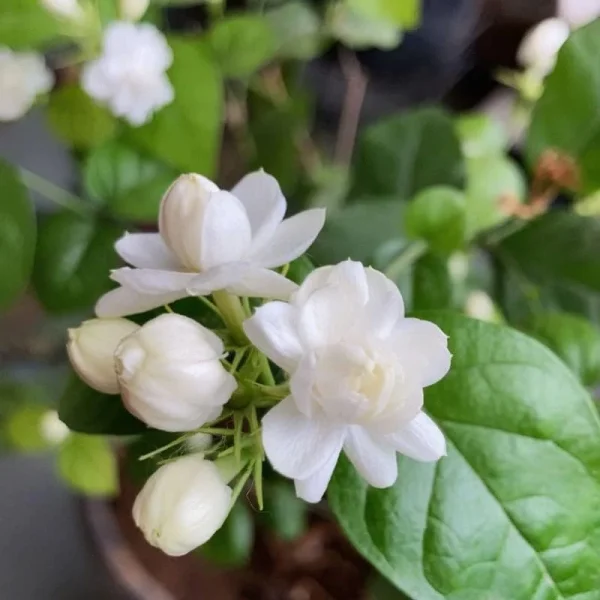
How to Grow Arabian Jasmine: A Complete Care Guide
If you’ve ever dreamed of a garden that smells like a tropical paradise, Jasminum sambac [...]
Apr
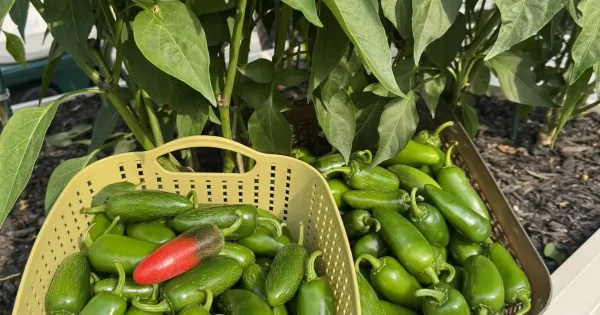
How to Grow Jalapeño Peppers From Seeds: A Step-by-Step Guide
Ready to spice things up in your garden? Jalapeños are the true life of the [...]
Apr
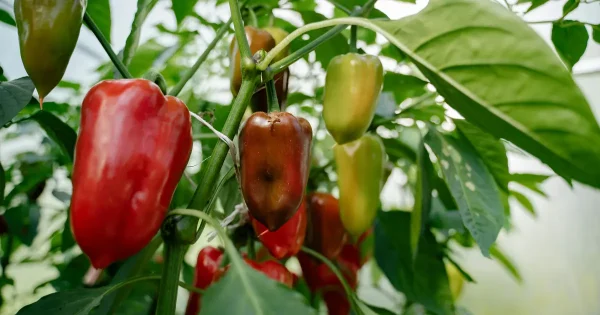
Top 12 Best Types of Peppers to Grow in Your Garden: Easy and High Yield
Growing peppers is, quite honestly, one of the biggest “wins” you can have in a [...]
Apr
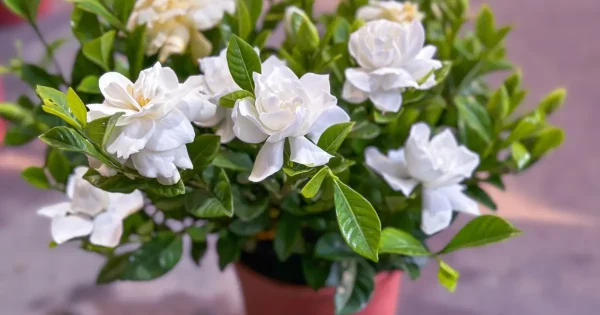
Frostproof Jasmine Care: 7 Tips for Successful Pot Growth
Most gardenias are known for being “divas.” They want perfect humidity, perfect soil, and they [...]
Mar
Top 7 Best Smelling Jasmine Varieties for a Heavenly Garden
Have you ever walked past a house and caught a scent so sweet you just [...]
Mar
Master the Heat: 8 Expert Tips for Growing Jalapeños Like a Pro
Are you staring at your garden space, wondering why your pepper plants look more like [...]
Mar
Top 5 Must-Have Hoya Varieties for Beginners
Hoyas are easily one of my top recommendations if you’re hunting for a low-maintenance houseplant [...]
Mar
7 Moringa Plant Care Mistakes to Avoid for Healthy Growth
Have you ever looked at your Moringa tree and wondered why its once vibrant green [...]
Feb

Reviews
There are no reviews yet.