
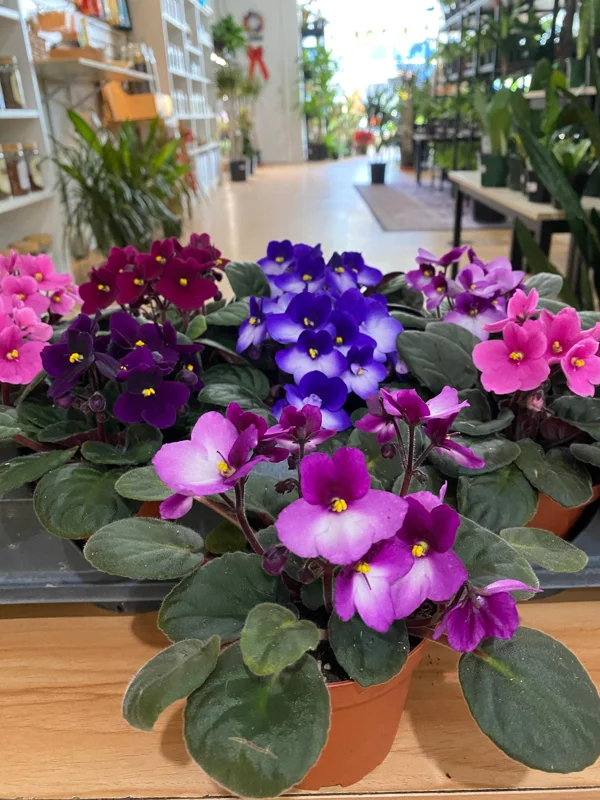
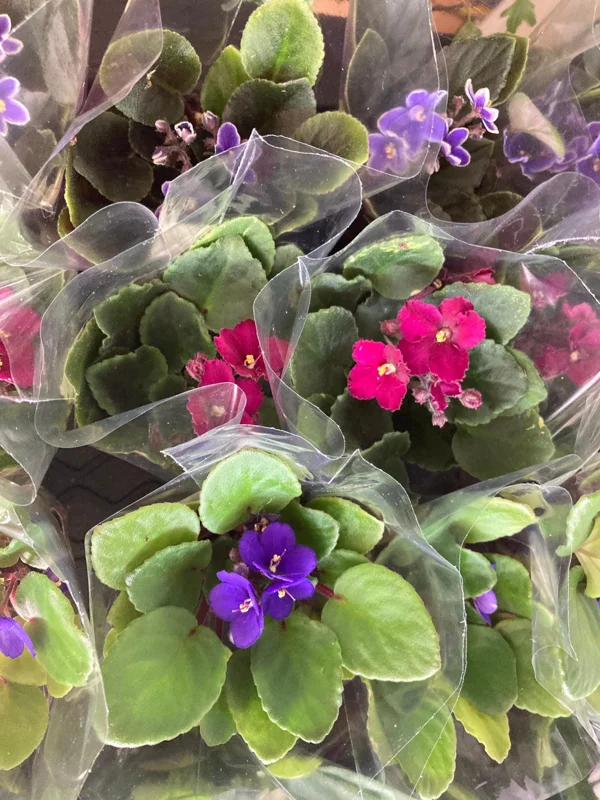
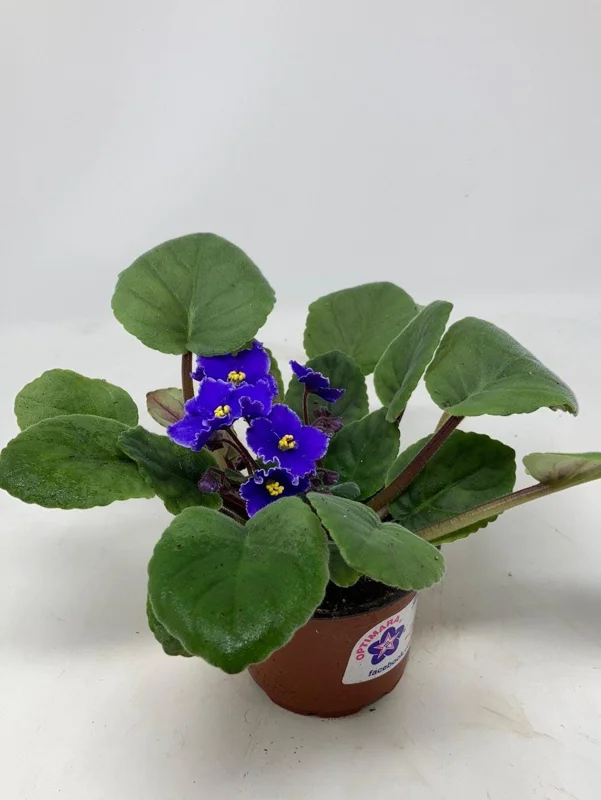
African Violet Live Plant – Saintpaulia Indoor Flowering Houseplant
$21.10
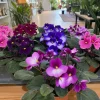
Bring vibrant, long-lasting color into your home with a beautiful African Violet live plant. Known for their soft, velvety leaves and delicate blooms, these easy indoor flowering plant specimens are perfect for windowsills and desks. They are also a pet-safe houseplant, making them a worry-free addition to any home.
Shipping and Return policies:
We stand behind our plants with our Alive & Thrive Guarantee. If you experience any issues within the first 30 days, please email us, and our team will be happy to help. When needed, we’ll send you a one-time replacement free of charge to make sure your garden keeps growing strong.

Reasonable Price
We offer reasonable price

Support 24/7
Contact us 24 hrs a day
100% Money Back
You’ve 30 days to Return
Payment Secure
100% secure payment
Overview
Introduce a touch of timeless elegance to your indoor sanctuary with the exquisite African Violet live plant (Saintpaulia spp.). These beloved compact flowering plants are cherished for their lush, velvety leaves that form a perfect rosette, and their captivating clusters of blooms. Available in an array of colors including various shades of purple, pink, white, and charming bi-color forms, the African Violet is a versatile and visually appealing addition to any home decor. As a classic easy indoor flowering plant, it consistently delivers beauty and cheer, making it a favorite among plant enthusiasts and beginners alike. Each African Violet live plant is carefully cultivated to thrive in indoor environments, promising repeated flowering cycles throughout the year with proper care, ensuring a continuous display of delicate blossoms and verdant foliage.
The Saintpaulia genus, commonly known as African Violets, originates from eastern tropical Africa, particularly Tanzania and southeastern Kenya. These plants have been popular houseplants for over a century due to their manageable size and consistent flowering capabilities. Our African Violet live plant selections are chosen for their vigor and beauty, providing you with a healthy specimen ready to flourish in your home. They are ideal for brightening up small spaces such as windowsills, office desks, or shelves, bringing a natural splash of color without demanding extensive room. Embrace the joy of growing your own beautiful African Violet and experience the rewarding process of nurturing this charming botanical gem.
Key Benefits
The African Violet live plant offers a multitude of benefits that make it an exceptional choice for indoor gardening. Its compact nature and vibrant blooms contribute significantly to a welcoming and aesthetically pleasing home environment. These plants are not just beautiful; they are also surprisingly resilient and rewarding to care for.
- Continuous Blooms: With appropriate care, African Violets can flower repeatedly throughout the year, providing a consistent source of vibrant color and beauty. This makes them a more dynamic and engaging houseplant compared to many foliage-only varieties.
- Compact & Space-Saving: Their neat, rosette-forming foliage and small size make them ideal for small spaces like windowsills, desks, and shelves, where larger plants might be impractical. An African Violet live plant fits perfectly into any cozy nook.
- Air Purification: Like many houseplants, African Violets contribute to improved indoor air quality by absorbing common household toxins and releasing oxygen, fostering a healthier living environment.
- Pet-Friendly: The African Violet live plant is non-toxic to cats and dogs, offering peace of mind for pet owners who want to enjoy beautiful plants without worrying about their furry companions. This makes it a perfect pet-safe houseplant option.
- Easy Care & Rewarding: Despite their delicate appearance, African Violets are relatively easy to care for once their basic needs are met. Their predictable flowering cycles and clear responses to care make learning how to grow African Violets a satisfying experience for gardeners of all levels.
- Variety of Colors: Available in a wide spectrum of colors, including various purples, pinks, whites, and bi-colors, you can choose an African Violet that perfectly complements your home decor or adds a lively contrast.
- Stress Reduction: The presence of living plants has been shown to reduce stress and improve mood. Nurturing an African Violet live plant can be a calming and enjoyable hobby.
Plant Care & Growing Tips
Caring for your African Violet live plant is a rewarding experience, and with a few key practices, you can ensure it thrives and blooms prolifically. The most crucial aspect of Saintpaulia care is understanding their specific needs for light, water, and humidity. These plants prefer consistency and a gentle touch, especially when it comes to watering.
Light: African Violets flourish in bright, indirect light. An east-facing window is often ideal, providing gentle morning sun. North-facing windows can also work well, offering consistent, soft light. Avoid direct midday or afternoon sun, as this can scorch their delicate leaves, leading to brown spots. If natural light is insufficient, they can thrive under fluorescent or LED grow lights placed about 12-15 inches above the plant for 12-14 hours a day. Rotate the plant occasionally to ensure even growth and prevent it from leaning towards the light source.
Water: Proper watering is paramount for a healthy African Violet live plant. Water when the top inch of soil feels dry to the touch. It’s best to water from the bottom by placing the pot in a saucer of room-temperature water for about 20-30 minutes, allowing the plant to absorb water through its drainage holes until the topsoil feels damp. Alternatively, water from the top, being careful not to get water on the leaves, as this can lead to spotting or fungal issues, especially if the water is cold. Use filtered or distilled water if your tap water is hard or contains chlorine. Ensure adequate drainage and never let the plant sit in standing water for extended periods, as this can lead to root rot. Learning how to grow African Violets successfully often starts with mastering this watering technique.
Soil & Fertilization: African Violets prefer a loose, well-draining potting mix specifically formulated for them, or a mix of peat moss, vermiculite, and perlite. This ensures good aeration and moisture retention without becoming waterlogged. Feed your African Violet live plant with a balanced liquid fertilizer formulated for African Violets, diluted to half strength, every 2-4 weeks during the growing season (spring and summer). Reduce fertilization in winter when growth slows. Maintain consistent conditions and gentle airflow, keeping leaves dry and rotating the plant occasionally for balanced growth.
Temperature & Humidity: These plants prefer consistent room temperatures between 65-75°F (18-24°C). Avoid sudden temperature fluctuations or drafts. High humidity (around 50-60%) is beneficial. You can achieve this by placing the pot on a pebble tray filled with water (ensuring the pot doesn’t sit directly in the water) or by using a room humidifier. The African Violet live plant is generally suited for USDA zones 11-12 if grown outdoors in very specific, tropical climates, but is predominantly an indoor plant.
Size & Details
Our African Violet live plant specimens are typically shipped in a 2-4 inch nursery pot, carefully packaged to ensure safe arrival. Each plant is a unique living organism, and as such, slight variations in size, color, or variegation from product images are natural. When fully mature, these compact plants typically reach a diameter of 6-10 inches and a height of 4-6 inches, making them perfectly sized for tabletops and windowsills. They exhibit a moderate growth rate, establishing themselves quickly and beginning to bloom within a few weeks to months of proper care.
The rounded, often fuzzy leaves form a dense rosette, providing a lush green backdrop for the delicate flowers. Expect your African Violet live plant to produce multiple blooms throughout the year, especially when provided with consistent light and nutrients. The continuous flowering nature of the easy indoor flowering plant means you’ll enjoy its beauty for extended periods. We ensure that every African Violet live plant we ship is healthy and ready to thrive in its new home, offering a delightful and vibrant addition to your indoor plant collection.
Frequently Asked Questions
- Q: How big does this African Violet plant get? A: A mature African Violet live plant typically reaches a diameter of 6-10 inches and a height of 4-6 inches. Its compact size makes it ideal for windowsills, desks, and other small indoor spaces without taking up too much room.
- Q: Is this an indoor or outdoor plant? How much sunlight does it need? A: The African Violet live plant is primarily an indoor plant, thriving in stable indoor environments. It prefers bright, indirect light, such as from an east-facing window. Direct sunlight can scorch its leaves, so avoid placing it in harsh, unshaded sun.
- Q: Is this plant easy to care for? Is it good for beginners? A: Yes, the African Violet live plant is considered an easy indoor flowering plant and is very suitable for beginners. Once you understand its basic needs for light and consistent watering, it is quite forgiving and rewarding, making Saintpaulia care straightforward.
- Q: What condition will the African Violet arrive in? Is it shipped in soil? A: Your African Violet live plant will arrive carefully packaged in its nursery pot with soil, ensuring it is protected during transit. We take utmost care to ensure the plant reaches you in healthy, vibrant condition, ready for its new home.
- Q: Is the African Violet pet-safe? A: Yes, African Violets are known to be non-toxic to both cats and dogs. This makes them an excellent choice if you’re looking for a beautiful and safe pet-safe houseplant to add to your home environment.
- Q: How long until my African Violet blooms? When is the best time to plant? A: If provided with proper care, your African Violet live plant can start blooming within a few weeks to months of arrival. They can flower repeatedly throughout the year, not just seasonally. Since they are indoor plants, they can be ‘planted’ (re-potted) any time of year.
- Q: What’s the minimum temperature this plant can tolerate? A: African Violets prefer consistent indoor temperatures between 65-75°F (18-24°C). They are sensitive to cold and drafts, so it’s best to keep them away from open windows or air conditioning vents, especially in cooler climates.
- Q: What is the best way to water an African Violet? A: The best way to water an African Violet live plant is from the bottom by placing the pot in a saucer of room-temperature water. This prevents water from getting on the leaves, which can cause spotting, and ensures the plant absorbs moisture thoroughly.
- Q: Can I propagate my African Violet? A: Yes, African Violets are quite easy to propagate from leaf cuttings. This is a popular method for learning how to grow African Violets and sharing them with friends, allowing you to expand your collection.
- Q: Why are my African Violet’s leaves turning yellow? A: Yellowing leaves on an African Violet live plant can indicate several issues, including overwatering, underwatering, too much direct sunlight, or a nutrient deficiency. Adjusting your watering schedule and light exposure are good first steps in diagnosing and resolving the problem.
| Size | 2.5" pot, 4" POT |
|---|
Be the first to review “African Violet Live Plant – Saintpaulia Indoor Flowering Houseplant”
You must be logged in to post a review.
People also Viewed
Sold 50 products
Original price was: $17.58.$11.86Current price is: $11.86.
Sold 50 products
Price range: $32.99 through $35.99
Sold 50 products
$69.99
Sold 50 products
$18.99
Sold 50 products
Price range: $14.98 through $23.89
Sold 50 products
$32.99
Sold 50 products
$24.99
Sold 50 products
Price range: $43.99 through $44.99RELATED posts
Frostproof Jasmine Care: 7 Tips for Successful Pot Growth
Most gardenias are known for being “divas.” They want perfect humidity, perfect soil, and they [...]
Mar
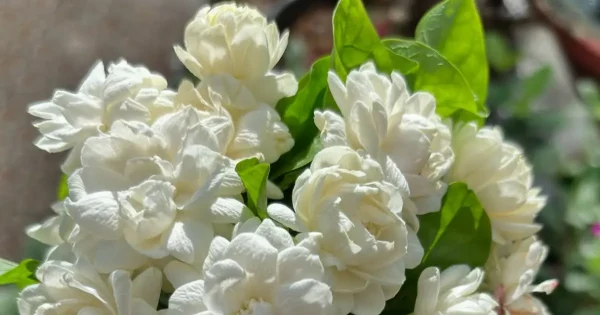
Top 7 Best Smelling Jasmine Varieties for a Heavenly Garden
Have you ever walked past a house and caught a scent so sweet you just [...]
Mar
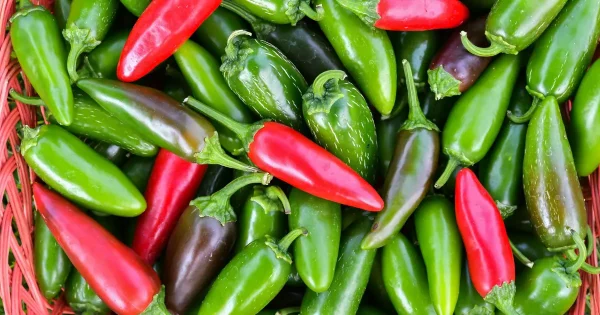
Master the Heat: 8 Expert Tips for Growing Jalapeños Like a Pro
Are you staring at your garden space, wondering why your pepper plants look more like [...]
Mar
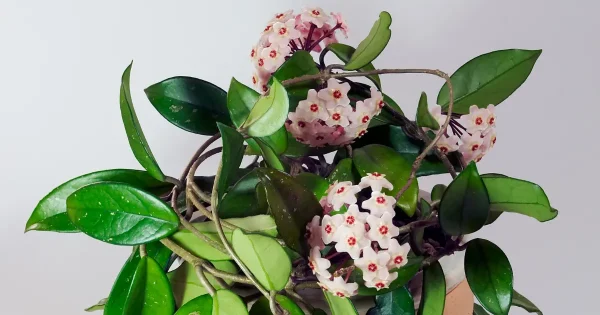
Top 5 Must-Have Hoya Varieties for Beginners
Hoyas are easily one of my top recommendations if you’re hunting for a low-maintenance houseplant [...]
Mar
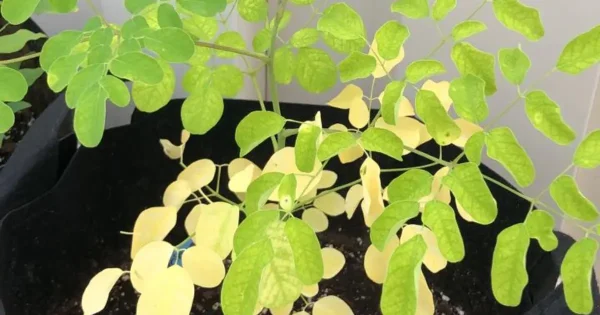
7 Moringa Plant Care Mistakes to Avoid for Healthy Growth
Have you ever looked at your Moringa tree and wondered why its once vibrant green [...]
Feb
How to Grow Potato Onions From True Seeds: A Step-by-Step Guide
Have you ever wondered how to grow potato onions from true seeds or why some [...]
Feb
Growing Walking Onions in Containers: The Ultimate Guide
Have you ever looked at your small balcony or cramped patio and wished you could [...]
Feb

9 Best Flower Seeds to Start in February for Early Blooms
If you’re a passionate gardener, you know that itchy feeling in your fingers when February [...]
Jan
Reviews
There are no reviews yet.