

African Blue Basil Live Plant – 2.5 Inch Pot – Perennial Herb for Garden
$18.99
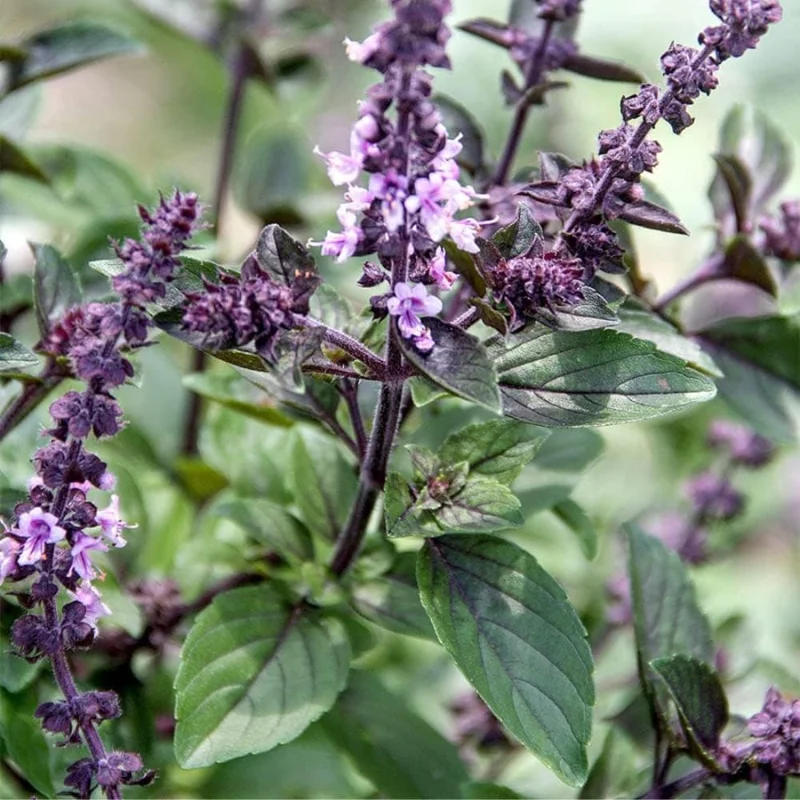
Bring the unique flavor and vibrant beauty of the African Blue Basil live plant to your garden. This perennial basil plant, shipped in a 2.5 inch nursery pot, offers striking lavender-blue flowers that attract pollinators and aromatic leaves with a distinct peppery and sweet taste. Perfect for culinary enthusiasts and garden lovers, it’s a robust and easy-to-grow herb.
Shipping and Return policies:
We stand behind our plants with our Alive & Thrive Guarantee. If you experience any issues within the first 30 days, please email us, and our team will be happy to help. When needed, we’ll send you a one-time replacement free of charge to make sure your garden keeps growing strong.

Reasonable Price
We offer reasonable price

Support 24/7
Contact us 24 hrs a day
100% Money Back
You’ve 30 days to Return
Payment Secure
100% secure payment
Overview
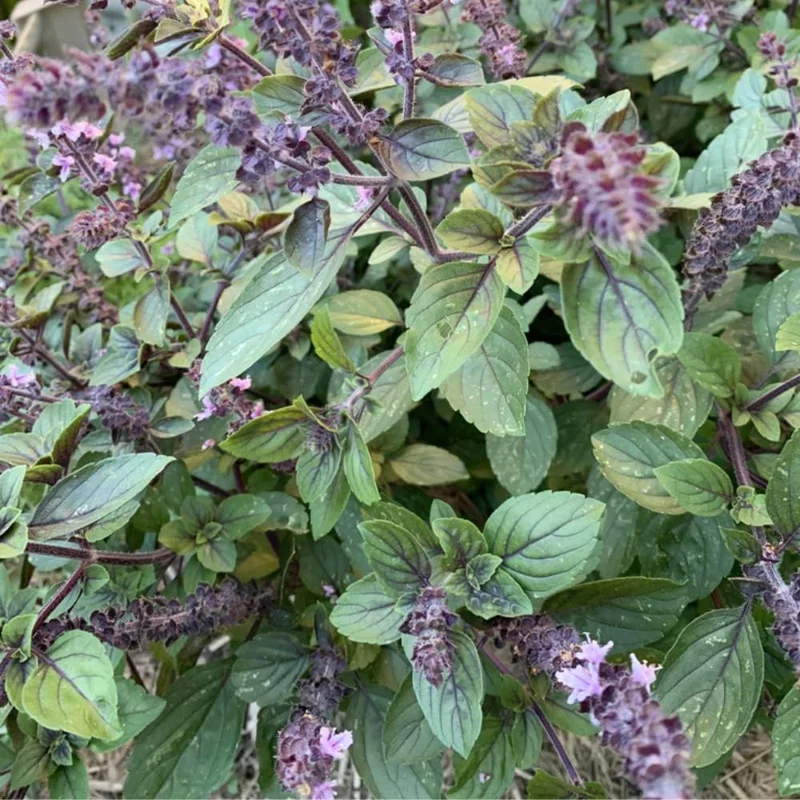
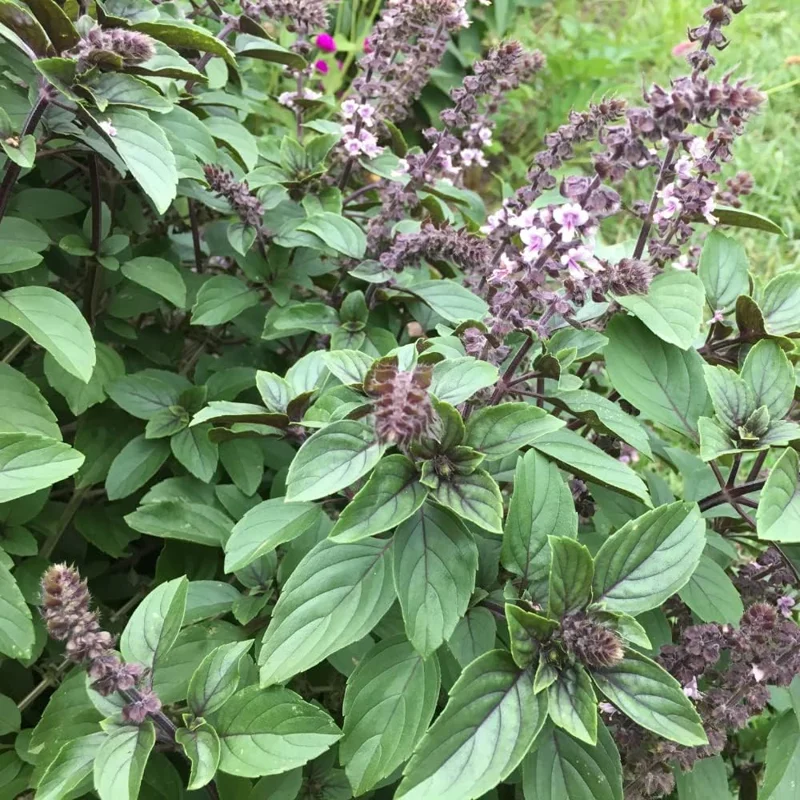
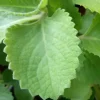
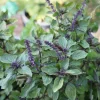
Discover the delightful world of the African Blue Basil live plant, a unique and highly prized herb that combines ornamental beauty with exceptional culinary value. This vigorous hybrid basil is a cross between Ocimum kilimandscharicum and Ocimum basilicum ‘Dark Opal’, resulting in a striking plant with deep green leaves, purple undersides, and beautiful lavender-blue flower spikes. Unlike many annual basils, African Blue Basil live plant is a perennial in warmer climates, offering a longer growing season and continuous harvest. It’s a fantastic addition to any herb garden, container arrangement, or sunny patio, providing a constant supply of aromatic leaves for your kitchen and attracting beneficial pollinators like bees and butterflies to your outdoor space. Its robust growth and distinctive flavor make it a favorite among gardeners and chefs alike, standing out from traditional basil varieties.
This particular offering is for a healthy, established African Blue Basil live plant cultivated with care and ready to be transplanted into its new home. It arrives in a 2.5 inch nursery pot, ensuring a strong root system and a smooth transition to your garden or larger container. The plant is known for its strong camphor-like aroma when crushed, which mellows into a delightful, slightly peppery and sweet flavor perfect for a range of dishes. Whether you’re an experienced horticulturist or a budding home gardener, cultivating this unique basil will be a rewarding experience.
Key Benefits
The African Blue Basil live plant offers a multitude of benefits that make it a must-have for any garden or kitchen:
-
Extended Harvest Season: As a perennial basil plant, it offers a much longer harvesting period compared to annual varieties, especially in frost-free zones. This means more fresh basil for your culinary creations throughout the year.
-
Attractive Ornamental Value: With its striking purple-veined leaves and tall spikes of lavender-blue flowers, this basil is not just an herb but also a beautiful ornamental plant. It adds color and texture to garden beds, borders, and patio containers.
-
Pollinator Magnet: The abundant flowers are highly attractive to bees, butterflies, and other beneficial pollinators, making it an excellent choice for supporting local ecosystems and improving fruit and vegetable yields in your garden.
-
Unique Flavor Profile: The leaves possess a distinct aroma and flavor, combining notes of camphor, mint, and traditional basil with a peppery finish. It’s excellent for pesto, sauces, salads, and as a garnish, offering a culinary twist. The distinct taste of blue basil herb makes it a culinary favorite.
-
Vigorous & Hardy Growth: This hybrid is known for its robust growth habit and resilience. It tends to be more disease-resistant and tolerant of varying conditions than many common basil types, making growing African Blue Basil relatively easy.
-
Aromatic Qualities: The strong, pleasant fragrance of blue basil herb can act as a natural insect repellent in the garden, deterring pests while delighting the senses.
Plant Care & Growing Tips
Caring for your African Blue Basil live plant is straightforward, especially if you provide it with the right conditions. This robust herb thrives in environments that mimic its Mediterranean origins. For optimal growth, ensure it receives at least 6-8 hours of direct sunlight per day. In very hot climates, some afternoon shade can prevent scorching, but generally, full sun is preferred. If growing indoors, place it near a south-facing window or under a grow light to satisfy its light requirements. Good air circulation is also beneficial to prevent fungal issues.
Watering is crucial for a healthy basil plant. Keep the soil consistently moist but never waterlogged. Allow the top inch of soil to dry out slightly between waterings. Overwatering can lead to root rot, while underwatering will cause the leaves to wilt. When growing African Blue Basil, use a well-draining potting mix or garden soil enriched with organic matter. A pH between 6.0 and 7.5 is ideal. Fertilize every 4-6 weeks during the growing season (spring through fall) with a balanced liquid fertilizer, diluted to half strength. Pruning is essential for encouraging bushier growth and preventing the plant from becoming leggy. Pinch off flower buds as they form if you want to promote leaf production, though allowing some flowers will attract pollinators and provide a beautiful display. This particular perennial basil plant can be overwintered indoors in colder climates, making African Blue Basil care manageable year-round.
The African Blue Basil live plant is generally resistant to many common pests and diseases, partly due to its camphor content. However, keep an eye out for aphids or whiteflies, especially on new growth. A strong spray of water or an insecticidal soap can manage these pests. Ensure good spacing between plants to allow for air circulation, which helps prevent powdery mildew. In terms of temperature, this basil prefers warm conditions and is sensitive to frost. It thrives in temperatures between 65-85°F (18-29°C). If temperatures drop below 50°F (10°C), it’s best to bring container-grown plants indoors or provide frost protection for garden plants.
Size & Details
This offering includes one healthy African Blue Basil live plant, meticulously grown and ready for transplant. It will arrive nestled in a 2.5 inch nursery pot, providing a secure environment for its established root system during transit. At the time of shipment, the plant typically stands approximately 4-6 inches tall, with a compact, bushy form. This allows for easy handling and immediate integration into your garden or preferred container. Once planted, the African Blue Basil live plant is a vigorous grower, capable of reaching an impressive height of 3-4 feet and a similar spread in ideal conditions when mature. Its woody stems and abundant foliage contribute to its substantial presence in the garden.
The plant is shipped in its nursery pot with soil, ensuring minimal shock upon arrival. It is a fast-growing herb, and with proper care, you can expect to begin harvesting leaves within a few weeks of planting. While it is a perennial basil plant in USDA zones 9-11, gardeners in colder climates can enjoy it as a productive annual or bring it indoors during winter. The vibrant blue flowers typically appear in mid to late summer, adding a stunning visual element to the plant and attracting beneficial insects. This particular variety is known for its strong, upright growth habit, making it an excellent choice for both culinary use and as an attractive landscape plant.
Frequently Asked Questions
-
Q: How big does this African Blue Basil live plant get? A: In ideal conditions, a mature African Blue Basil live plant can grow to be 3-4 feet tall and equally wide, forming a substantial bush. It’s a vigorous grower that can quickly fill its space.
-
Q: What size pot does it come in? A: The African Blue Basil live plant is shipped in a 2.5 inch nursery pot, providing a strong root base for successful transplanting into a larger container or garden bed.
-
Q: Is this an indoor or outdoor plant? A: While it thrives outdoors in full sun and warm temperatures, it can also be grown indoors in a sunny window or under grow lights. Many gardeners bring their perennial basil plant indoors for winter protection.
-
Q: How much sunlight does it need? A: The African Blue Basil live plant requires at least 6-8 hours of direct sunlight per day for optimal growth and flavor. It can tolerate some afternoon shade in very hot climates.
-
Q: Is this plant easy to care for? A: Yes, growing African Blue Basil is relatively easy. It’s quite hardy and more tolerant of varying conditions than many other basil varieties, making it suitable for gardeners of all experience levels. Its low African Blue Basil care requirements are a big plus.
-
Q: What condition will it arrive in? A: Your African Blue Basil live plant will arrive in its 2.5 inch nursery pot, with established roots and healthy foliage, carefully packaged to ensure its safe journey to you.
-
Q: Can I use African Blue Basil in cooking? A: Absolutely! The leaves of blue basil herb have a unique, slightly peppery, sweet, and camphoraceous flavor, perfect for pesto, sauces, salads, and as an aromatic garnish.
-
Q: How long until it blooms? A: African Blue Basil typically starts producing its beautiful lavender-blue flower spikes in mid to late summer. Pinching these off will encourage more leaf production if culinary use is your primary goal.
-
Q: Will it survive winter in my zone? A: This perennial basil plant is hardy in USDA zones 9-11, where it can survive mild winters outdoors. In colder zones, it is best treated as an annual or brought indoors before the first frost.
-
Q: What’s the minimum temperature it can tolerate? A: African Blue Basil prefers temperatures above 50°F (10°C). It is very sensitive to frost and will not survive freezing temperatures. Protect it or bring it indoors when temperatures drop.
Be the first to review “African Blue Basil Live Plant – 2.5 Inch Pot – Perennial Herb for Garden”
You must be logged in to post a review.
People also Viewed
Sold 50 products
Original price was: $28.58.$19.99Current price is: $19.99.
Sold 50 products
$32.39
Sold 50 products
$21.59
Sold 50 products
$35.99
Sold 50 products
Price range: $23.15 through $25.19
Sold 50 products
$38.39
Sold 50 products
Price range: $28.79 through $35.99
Sold 50 products
$26.39RELATED posts
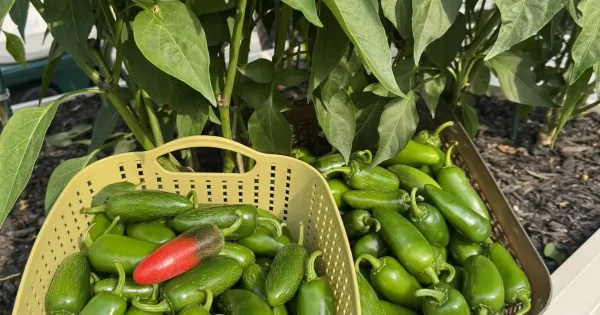
How to Grow Jalapeño Peppers From Seeds: A Step-by-Step Guide
Ready to spice things up in your garden? Jalapeños are the true life of the [...]
Apr
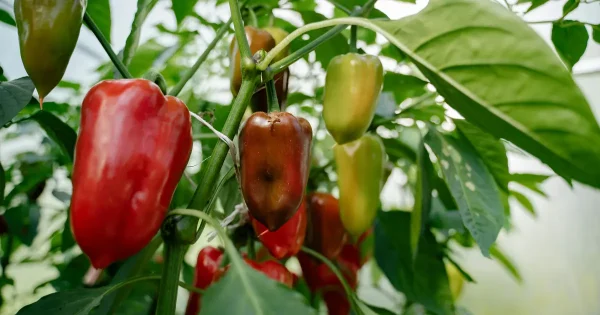
Top 12 Best Types of Peppers to Grow in Your Garden: Easy and High Yield
Growing peppers is, quite honestly, one of the biggest “wins” you can have in a [...]
Apr
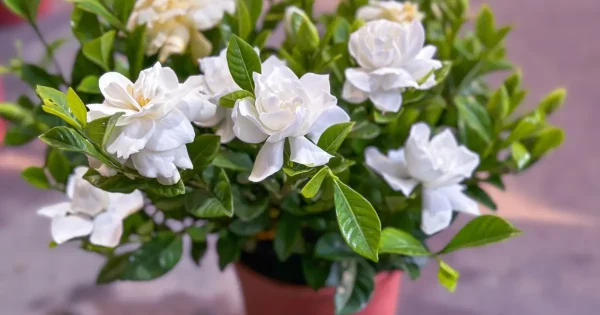
Frostproof Jasmine Care: 7 Tips for Successful Pot Growth
Most gardenias are known for being “divas.” They want perfect humidity, perfect soil, and they [...]
Mar
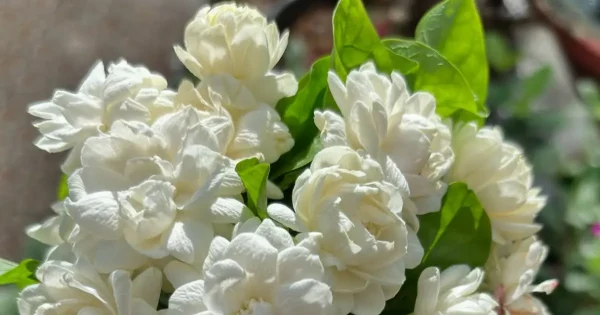
Top 7 Best Smelling Jasmine Varieties for a Heavenly Garden
Have you ever walked past a house and caught a scent so sweet you just [...]
Mar
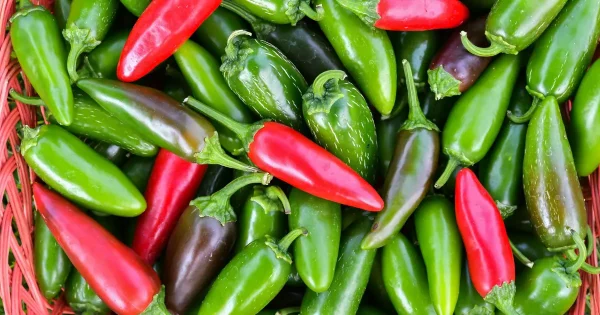
Master the Heat: 8 Expert Tips for Growing Jalapeños Like a Pro
Are you staring at your garden space, wondering why your pepper plants look more like [...]
Mar
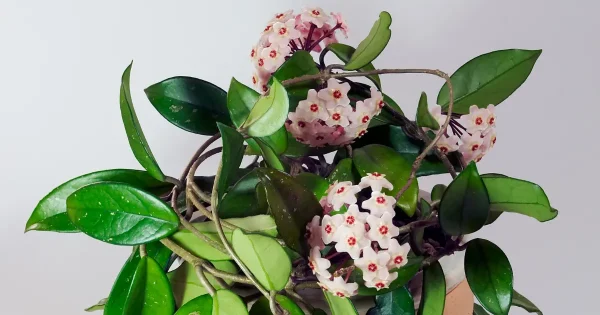
Top 5 Must-Have Hoya Varieties for Beginners
Hoyas are easily one of my top recommendations if you’re hunting for a low-maintenance houseplant [...]
Mar
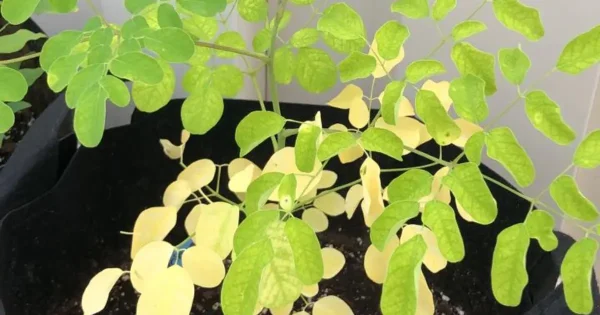
7 Moringa Plant Care Mistakes to Avoid for Healthy Growth
Have you ever looked at your Moringa tree and wondered why its once vibrant green [...]
Feb
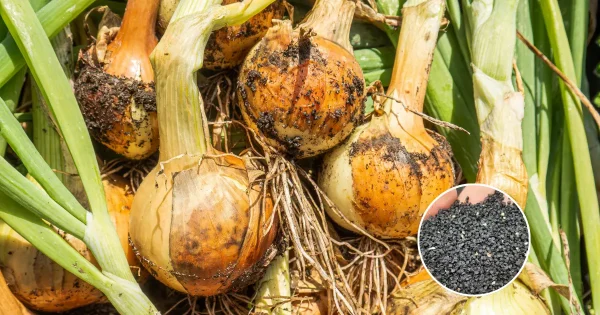
How to Grow Potato Onions From True Seeds: A Step-by-Step Guide
Have you ever wondered how to grow potato onions from true seeds or why some [...]
Feb
Reviews
There are no reviews yet.