
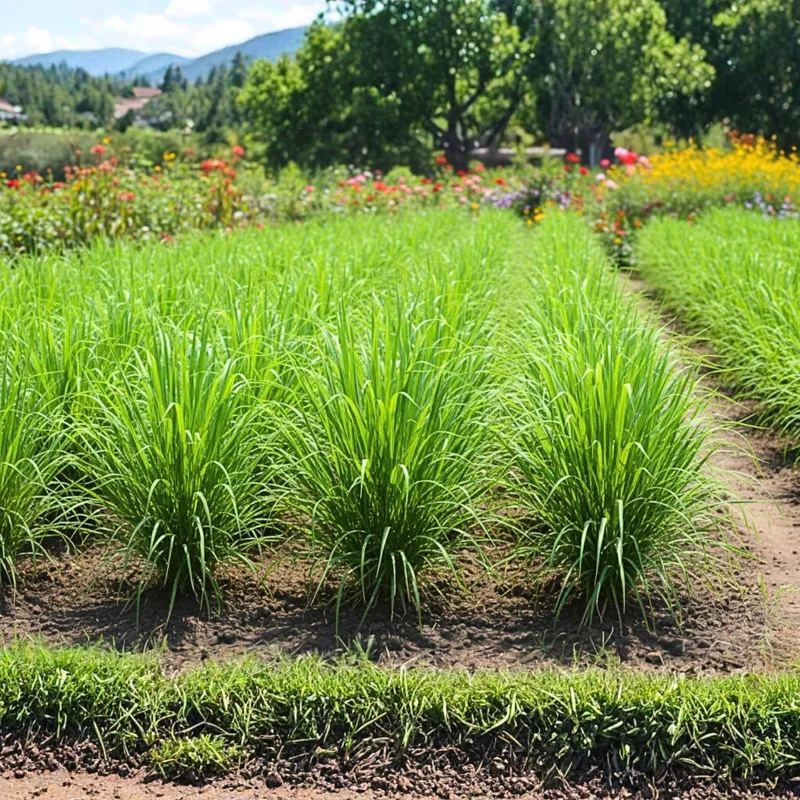
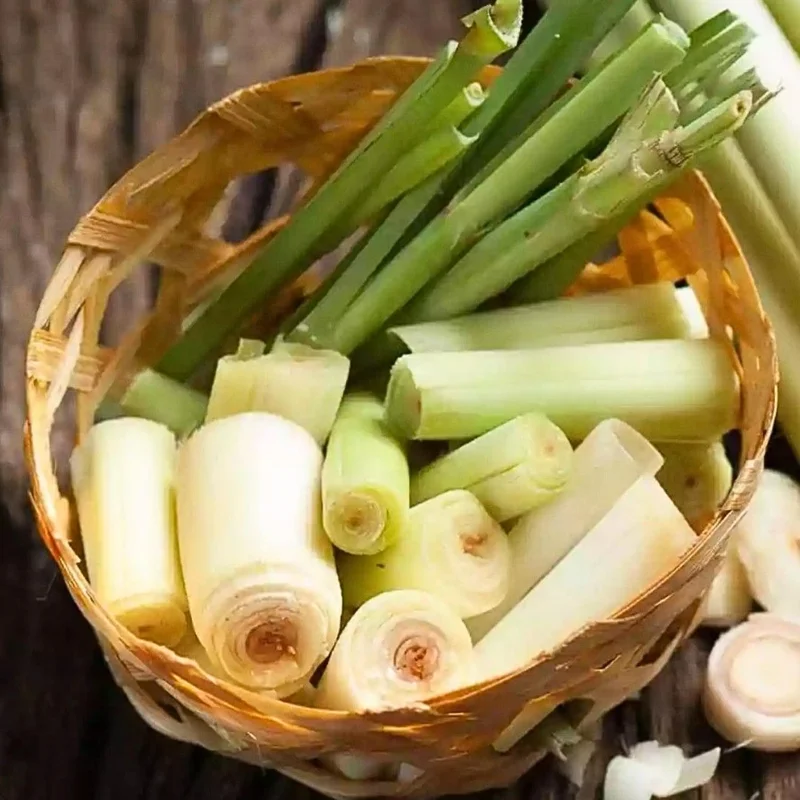
6 Lemongrass Live Plants, Well Rooted Stalks, 4-8 Inches, Fresh Herbs for Garden
$29.99
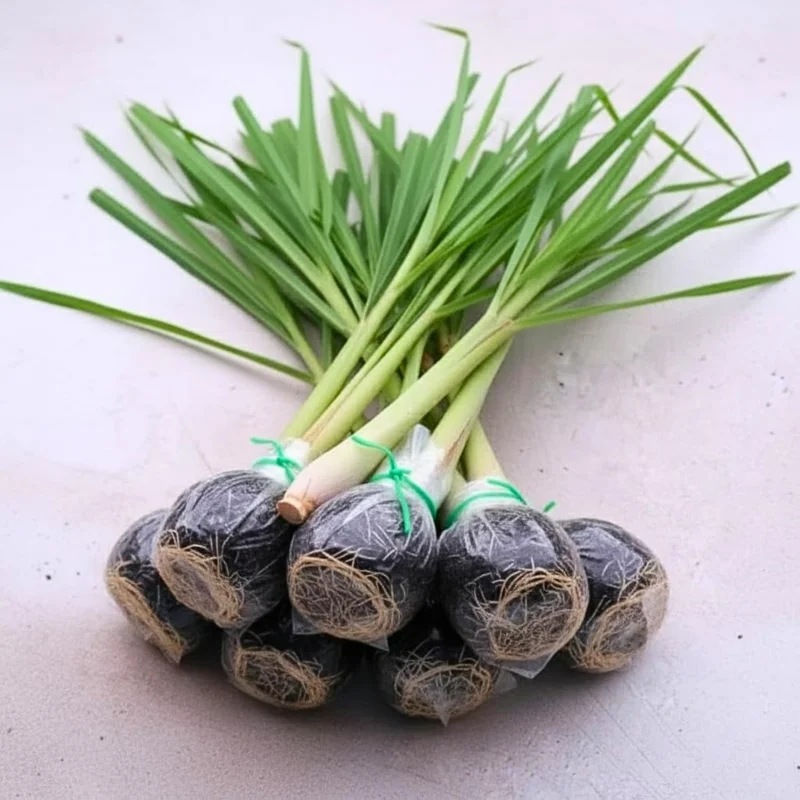
Cultivate your own aromatic herbs with this set of 6 lemongrass live plant stalks. Each well-rooted plant measures 4-8 inches, ready for planting in your garden or containers. Enjoy fresh culinary flavor and a vibrant addition to your outdoor space.
- Set of 6 well-rooted fresh lemongrass herb plants
- Ideal for garden beds and container growing
- Thrives in full sun conditions
Shipping and Return policies:
We stand behind our plants with our Alive & Thrive Guarantee. If you experience any issues within the first 30 days, please email us, and our team will be happy to help. When needed, we’ll send you a one-time replacement free of charge to make sure your garden keeps growing strong.

Reasonable Price
We offer reasonable price

Support 24/7
Contact us 24 hrs a day
100% Money Back
You’ve 30 days to Return
Payment Secure
100% secure payment
Overview
Bring the vibrant, citrusy aroma and flavor of the tropics to your home with this set of 6 lemongrass live plant stalks. Each plant arrives well-rooted and measures between 4-8 inches tall, ready to be transplanted into your garden or favorite containers. Lemongrass, scientifically known as Cymbopogon citratus, is an essential herb for many cuisines, particularly Southeast Asian dishes, and is also valued for its ornamental appeal and fragrant leaves. This hardy, low-maintenance herb is perfect for both seasoned gardeners and those new to growing their own food, offering a rewarding experience as it flourishes in warm climates. Enjoy the ease of cultivating your own supply of fresh lemongrass herb, ensuring you always have a vibrant ingredient on hand for cooking, teas, or even natural insect repellent.
Our carefully selected lemongrass live plant specimens are cultivated to provide a strong start, allowing you to quickly establish a thriving patch. Whether you’re looking to enhance your culinary repertoire, add a unique texture to your landscape, or simply enjoy the refreshing scent, these plants offer a fantastic solution. They are adaptable to various growing conditions, making them a versatile choice for many home gardens across the US.
Key Benefits
Growing your own lemongrass offers a multitude of advantages, from culinary delight to garden aesthetics. These plants are designed to provide a rich and rewarding harvest with minimal effort.
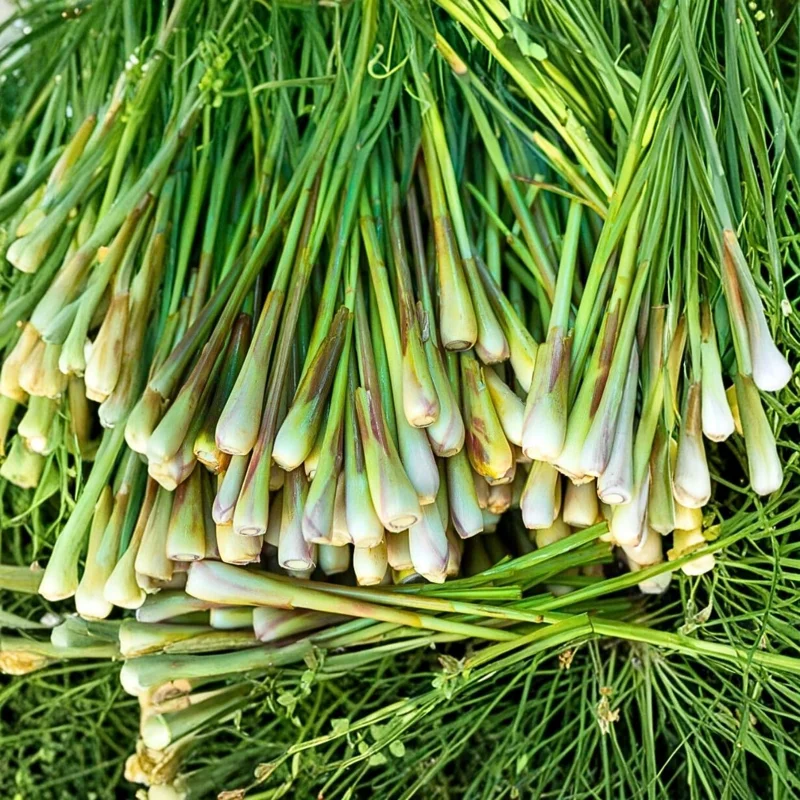
- Culinary Versatility: Harvest fresh stalks for use in soups, curries, stir-fries, and beverages. The bright, lemony flavor adds an exotic touch to many dishes, making it indispensable for those who love to cook with fresh ingredients.
- Aromatic Appeal: The distinctive, clean scent of lemongrass is not only pleasant but can also help deter common garden pests naturally, enhancing your outdoor living space.
- Ease of Growth: Lemongrass is known for being a very forgiving plant. It thrives with minimal care, making it an excellent choice for beginners and busy gardeners alike. You’ll find it incredibly easy to grow lemongrass successfully.
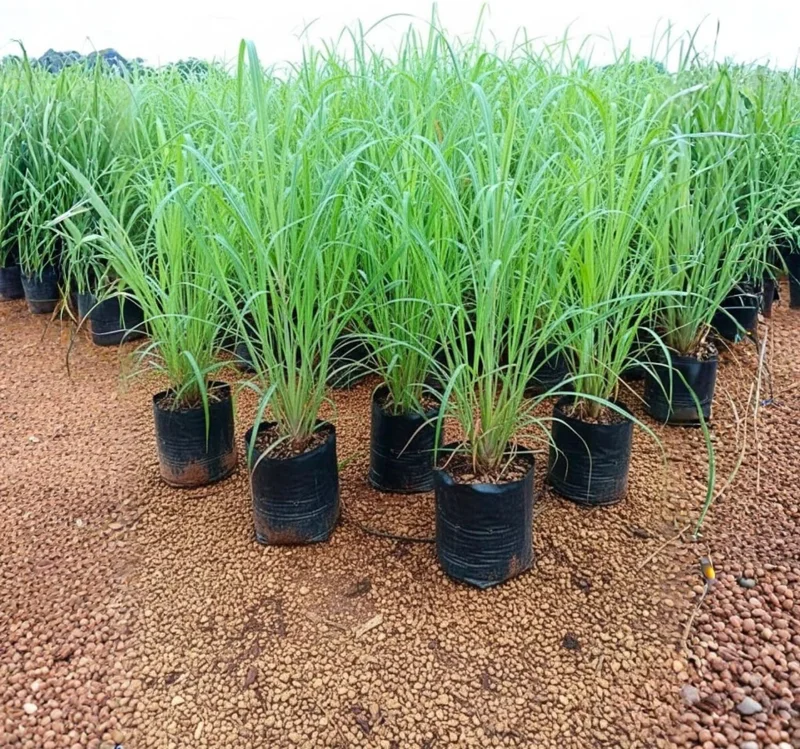
- Container Friendly: For those in cooler climates or with limited garden space, lemongrass adapts beautifully to container growing. This allows you to bring it indoors during colder months, extending its growing season.
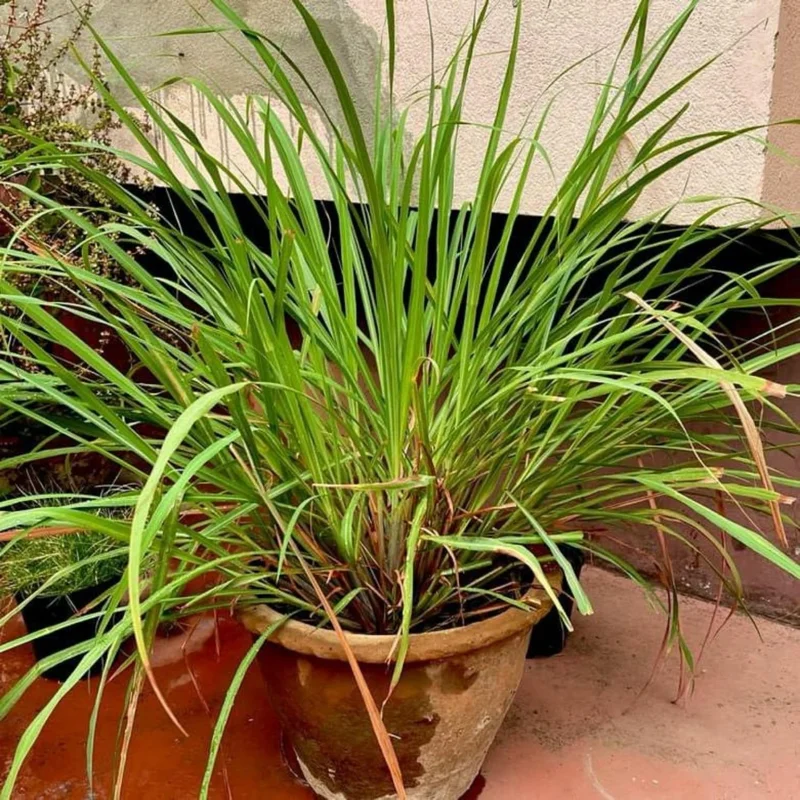
- Adds Garden Structure: With its tall, grassy foliage, lemongrass provides an attractive architectural element to garden beds, raised beds, and patio containers, adding a tropical touch.
- Health Benefits: Beyond its culinary uses, lemongrass is often used in herbal teas for its soothing properties and is a popular ingredient in traditional wellness practices.
- Sustainable Sourcing: By growing your own, you reduce reliance on store-bought herbs, contributing to a more sustainable and self-sufficient lifestyle, always having fresh lemongrass herb available.
Plant Care & Growing Tips
Caring for your lemongrass live plant is straightforward, ensuring a bountiful harvest with proper attention. Lemongrass thrives in conditions that mimic its native tropical environment, preferring warmth and plenty of sunshine. For optimal growth, choose a location that receives at least 6-8 hours of full sun daily. In areas with intense summer heat, some afternoon shade can be beneficial to prevent scorching, but generally, more sun means more vigorous growth. If growing indoors, place your plant near a south-facing window or under grow lights to ensure it gets adequate light exposure.
When it comes to watering, lemongrass prefers consistently moist, but not waterlogged, soil. Water thoroughly when the top inch of soil feels dry to the touch. During hot, dry periods, this might mean daily watering, while in cooler weather, you can reduce frequency. Ensure your containers have excellent drainage to prevent root rot. For soil, a rich, well-draining potting mix is ideal. Amending garden soil with compost or other organic matter will improve fertility and drainage, providing the perfect environment for your lemongrass live plant to flourish. Lemongrass is a heavy feeder, so regular fertilization during the growing season (spring through fall) with a balanced liquid fertilizer will encourage lush foliage and strong stalk development. For those wondering how to best grow lemongrass, remember that consistent moisture and ample sunlight are key.
Lemongrass is generally hardy in USDA Zones 8-11, where it can be grown as a perennial. In cooler zones (7 and below), it should be treated as an annual or brought indoors for winter. When grown in containers, simply move the pot inside before the first frost. Indoors, it appreciates bright light and reduced watering. This herb is relatively pest-free, but occasionally you might encounter aphids or spider mites, which can typically be managed with insecticidal soap. Providing good air circulation and monitoring moisture levels will contribute to healthy plants. Adhering to these simple guidelines will ensure your lemongrass care routine is effective and your plants are productive.
Size & Details
This offering includes a set of 6 lemongrass live plant stalks, each well-rooted and ready for immediate planting. The plants measure approximately 4-8 inches in height upon arrival, providing a robust start for your garden. Each stalk is carefully selected to ensure viability and growth potential. Lemongrass is a fast-growing herb, and under ideal conditions, these plants can quickly mature to a height of 3-4 feet, forming dense clumps of grassy foliage. They are shipped as live, rooted stalks, not bare roots or seeds, ensuring a higher success rate for establishment in your garden or containers. Expect rapid growth during the warmer months, providing you with plenty of fresh lemongrass herb for culinary use.
These plants are suitable for growing in a variety of settings, including raised beds, in-ground gardens, and pots. When planting in containers, choose a pot at least 8-10 inches in diameter for each plant to allow sufficient room for root development. With proper care, you can begin harvesting outer stalks within a few months of planting. The vigorous growth habit means you’ll have a continuous supply of this fragrant herb throughout the growing season.
Frequently Asked Questions
- Q: How big does this lemongrass live plant get? A: Each plant typically grows to a mature height of 3-4 feet tall and can form dense clumps, especially when grown as a perennial in warmer climates.
- Q: Is this an indoor or outdoor plant? A: Lemongrass can be grown both indoors and outdoors. It thrives outdoors in full sun in USDA Zones 8-11. In cooler zones (7 and below), it is best grown in containers and brought indoors for winter.
- Q: How much sunlight does it need? A: For best results, your lemongrass live plant requires at least 6-8 hours of direct full sun per day. If growing indoors, place it in the brightest sunny window available.
- Q: Is this plant easy to care for? A: Yes, lemongrass is considered a very hardy and low-maintenance herb. It’s an excellent choice for beginners due to its resilience and minimal care requirements. Learning how to grow lemongrass successfully is quite simple.
- Q: What condition will it arrive in? A: Your order includes 6 well-rooted lemongrass live plant stalks, measuring 4-8 inches, carefully packaged to ensure they arrive healthy and ready for planting.
- Q: Can I use this lemongrass for cooking? A: Absolutely! This is the same culinary lemongrass used in many Asian dishes. You can harvest the stalks for soups, curries, teas, and more, providing you with plenty of fresh lemongrass herb.
- Q: When is the best time to plant lemongrass? A: The best time to plant outdoors is after the last frost in spring, once soil temperatures have warmed. If growing indoors, you can plant year-round.
- Q: What are the specific watering needs for optimal lemongrass care? A: Lemongrass prefers consistently moist soil but dislikes being waterlogged. Water thoroughly when the top inch of soil feels dry, and ensure good drainage, especially for container-grown plants.
- Q: Will it survive winter in my zone? A: Lemongrass is perennial in USDA Zones 8-11. In Zones 7 and colder, it will not survive winter outdoors and should be brought inside or treated as an annual.
- Q: Is this lemongrass safe for pets? A: While generally considered non-toxic to pets, large quantities of any plant can cause digestive upset. It’s always best to monitor pets around new plants.
Be the first to review “6 Lemongrass Live Plants, Well Rooted Stalks, 4-8 Inches, Fresh Herbs for Garden”
You must be logged in to post a review.
People also Viewed
Sold 50 products
Original price was: $17.58.$11.86Current price is: $11.86.
Sold 50 products
Price range: $32.99 through $35.99
Sold 50 products
$69.99
Sold 50 products
$18.99
Sold 50 products
Price range: $14.98 through $23.89
Sold 50 products
$32.99
Sold 50 products
$24.99

Sold 50 products
Price range: $43.99 through $44.99RELATED posts
Top 7 Best Smelling Jasmine Varieties for a Heavenly Garden
Have you ever walked past a house and caught a scent so sweet you just [...]
Mar
Master the Heat: 8 Expert Tips for Growing Jalapeños Like a Pro
Are you staring at your garden space, wondering why your pepper plants look more like [...]
Mar
Top 5 Must-Have Hoya Varieties for Beginners
Hoyas are easily one of my top recommendations if you’re hunting for a low-maintenance houseplant [...]
Mar
7 Moringa Plant Care Mistakes to Avoid for Healthy Growth
Have you ever looked at your Moringa tree and wondered why its once vibrant green [...]
Feb
How to Grow Potato Onions From True Seeds: A Step-by-Step Guide
Have you ever wondered how to grow potato onions from true seeds or why some [...]
Feb
Growing Walking Onions in Containers: The Ultimate Guide
Have you ever looked at your small balcony or cramped patio and wished you could [...]
Feb

9 Best Flower Seeds to Start in February for Early Blooms
If you’re a passionate gardener, you know that itchy feeling in your fingers when February [...]
Jan
Growing Shampoo Ginger in Pots: Easy Guide to Potting Ginger Lilies
Are you looking to add a touch of exotic beauty to your home while growing [...]
Jan
Reviews
There are no reviews yet.