
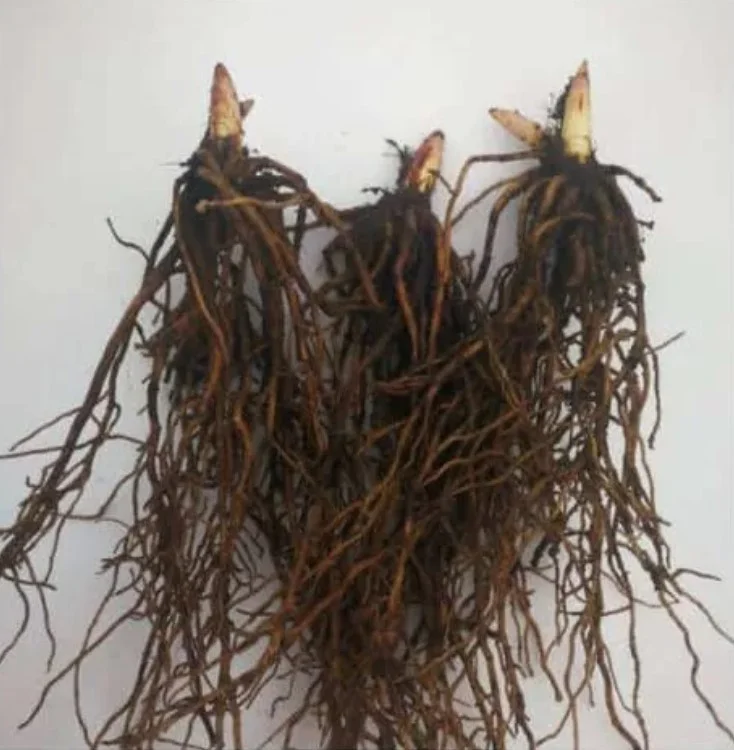
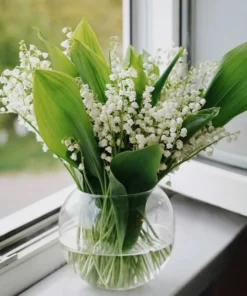
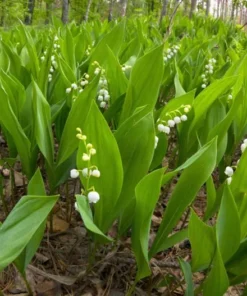
5 Lily of the Valley Roots – May Lily May Bells – Convallaria Majalis -Fragrant Flowering Plant – Ornamental Plant Outdoor Garden
Original price was: $32.99.$22.99Current price is: $22.99.
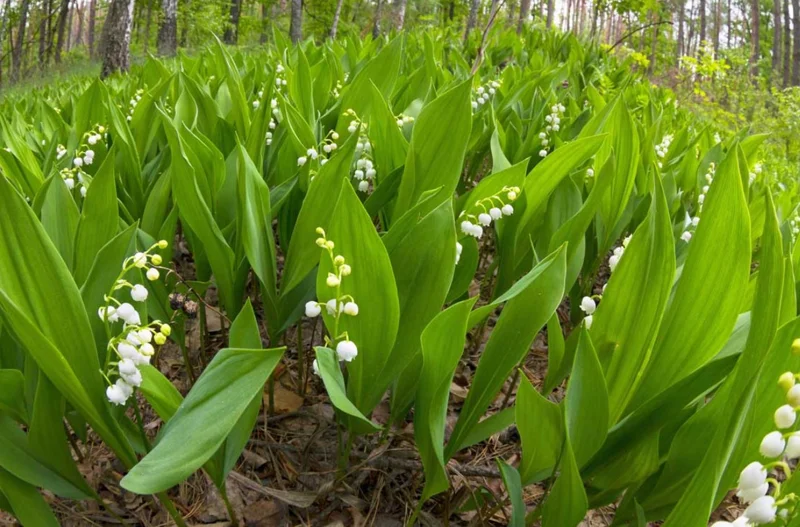
Enjoy the sweet perfume of Lily of the Valley! These rhizomes produce tiny white, bell-shaped flowers and lush green foliage. Easy to grow in zones 2-9, they form a spreading mass with attractive red seed pods.
Shipping and Return policies:
We stand behind our plants with our Alive & Thrive Guarantee. If you experience any issues within the first 30 days, please email us, and our team will be happy to help. When needed, we’ll send you a one-time replacement free of charge to make sure your garden keeps growing strong.

Reasonable Price
We offer reasonable price

Support 24/7
Contact us 24 hrs a day
100% Money Back
You’ve 30 days to Return
Payment Secure
100% secure payment
Bring Fragrance to Your Garden with Lily of the Valley
Add a touch of timeless elegance to your garden with these beautiful rhizomes. Known for their delicate beauty and captivating fragrance, these plants, also called May Bells, are a classic choice for adding charm to any landscape. These plants have been cherished for centuries, dating back to ancient times, because they are easy to grow and long-lived.
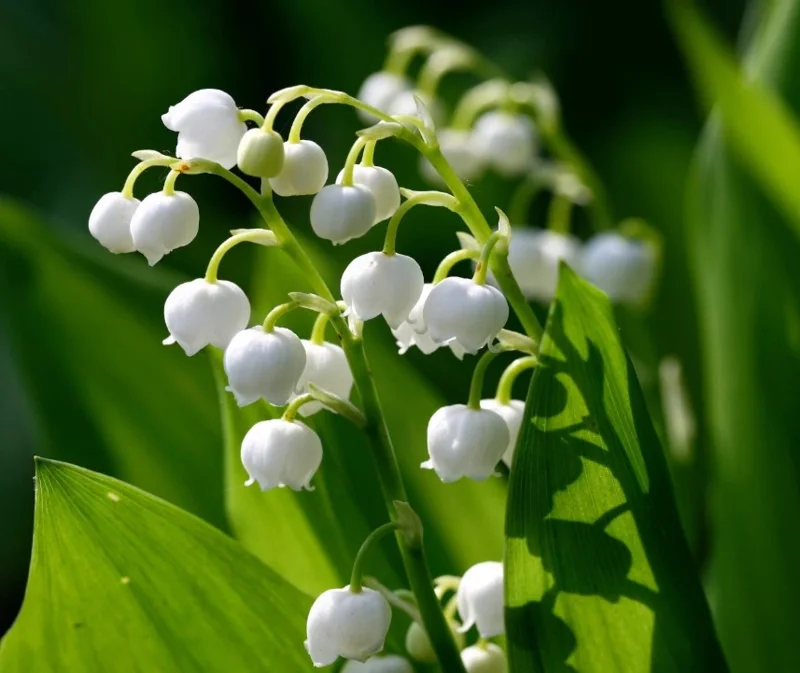
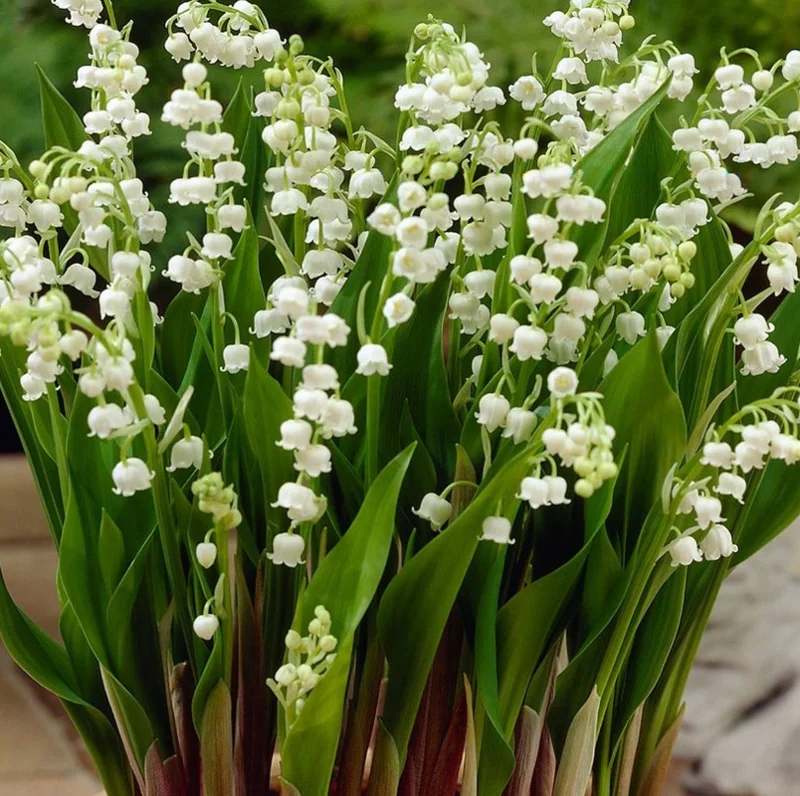
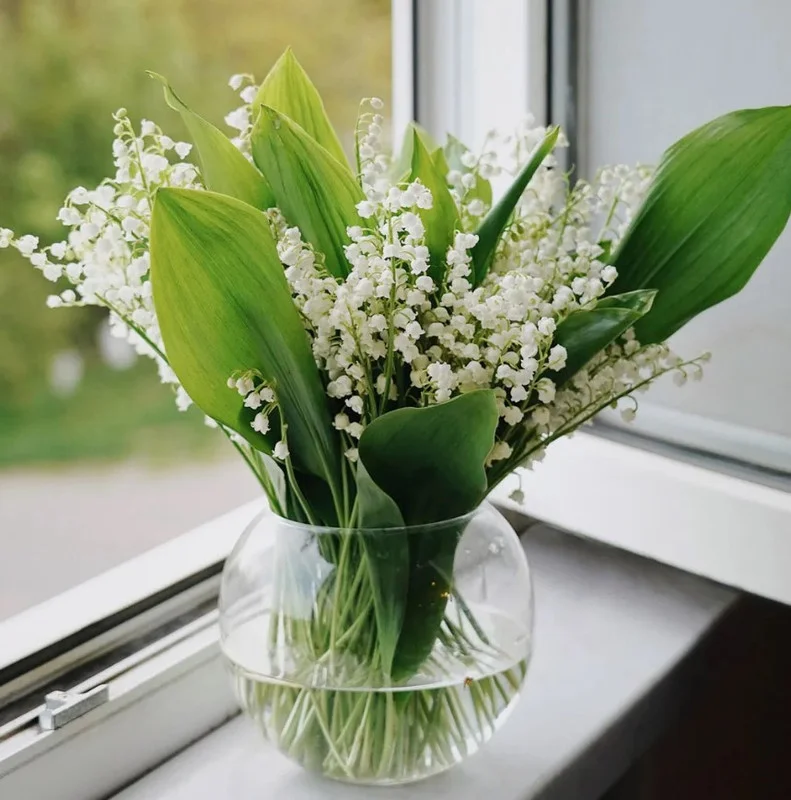
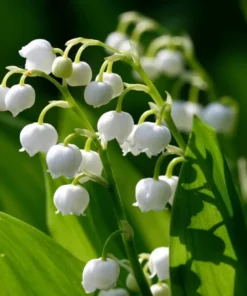
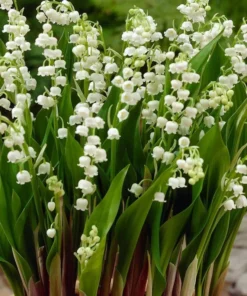
These plants are known for their tiny, bell-shaped white flowers that dangle gracefully from arching stems. The flowers emit a sweet, intoxicating perfume that fills the air in spring and early summer. The lance-shaped leaves provide a lush green backdrop to the blooms, creating a visually appealing display. After flowering, attractive red seed pods develop, adding further interest to the plant.
Benefits of Growing Lily of the Valley:
- Fragrant Blooms: Enjoy the sweet perfume that fills your garden in spring.
- Easy to Grow: These plants are low-maintenance and thrive in a variety of conditions.
- Spreading Habit: Create a lush ground cover with their spreading growth habit.
- Attractive Foliage: Enjoy the beauty of the plant even after flowering with its lush green leaves and red seed pods.
- Long-Lived: These plants are perennial and will return year after year.
These plants are incredibly easy to grow and will thrive in USDA Zones 2-9. The moisture-loving plant prefers partial shade and well-drained soil. They will form a spreading mass over time, making them an excellent ground cover option. They are also relatively carefree, requiring minimal maintenance once established. These plants are a great choice for beginning gardeners.
These plants offer a delightful combination of fragrance, beauty, and ease of care. Whether you’re looking to create a fragrant spring garden, add a touch of elegance to your landscape, or simply enjoy the beauty of nature, these plants are an excellent choice.
Frequently Asked Questions
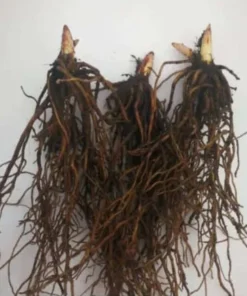
- How deep should I plant the rhizomes? Plant the rhizomes about 1-2 inches deep, with the growing tip pointing upwards.
- What kind of soil do these plants prefer? They prefer well-drained soil that is rich in organic matter. Amend heavy clay soils with compost or other organic material to improve drainage.
- How much sunlight do they need? While they can tolerate full shade, they thrive best in partial shade. Avoid planting them in areas with direct afternoon sun, especially in warmer climates.
- When is the best time to plant these plants? The ideal time to plant is in the fall or early spring. This allows the rhizomes to establish roots before the heat of summer.
- How quickly will it spread? Under optimal conditions, it can spread relatively quickly, forming a dense ground cover. However, the rate of spread will depend on factors such as soil quality, moisture levels, and sunlight exposure.
Be the first to review “5 Lily of the Valley Roots – May Lily May Bells – Convallaria Majalis -Fragrant Flowering Plant – Ornamental Plant Outdoor Garden”
You must be logged in to post a review.
People also Viewed
Sold 50 products
Original price was: $28.58.$19.99Current price is: $19.99.
Sold 50 products
$32.39
Sold 50 products
$21.59
Sold 50 products
$35.99
Sold 50 products
Price range: $23.15 through $25.19
Sold 50 products
$38.39
Sold 50 products
Price range: $28.79 through $35.99
Sold 50 products
$26.39RELATED posts
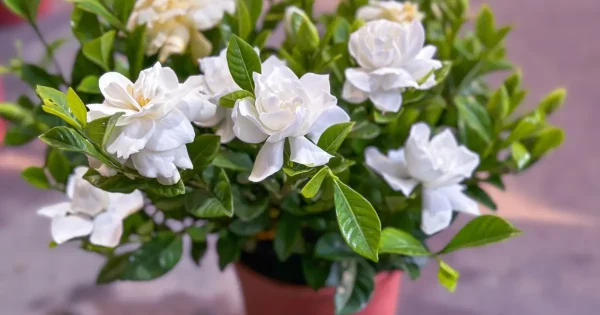
Frostproof Jasmine Care: 7 Tips for Successful Pot Growth
Most gardenias are known for being “divas.” They want perfect humidity, perfect soil, and they [...]
Mar
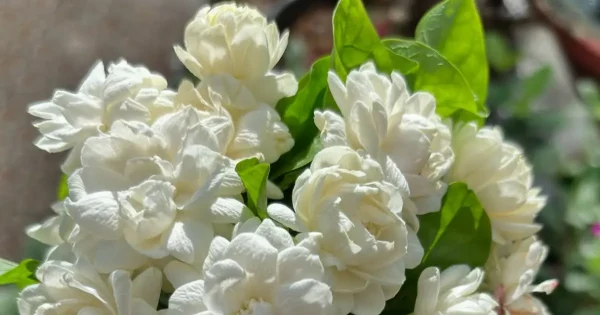
Top 7 Best Smelling Jasmine Varieties for a Heavenly Garden
Have you ever walked past a house and caught a scent so sweet you just [...]
Mar
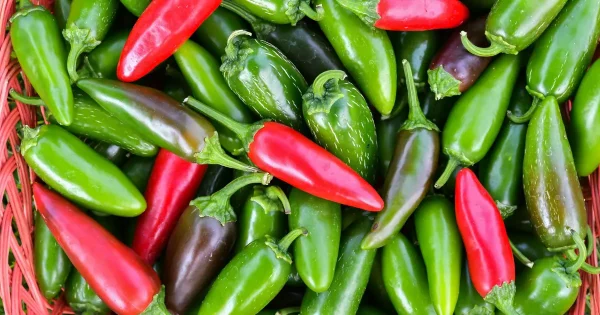
Master the Heat: 8 Expert Tips for Growing Jalapeños Like a Pro
Are you staring at your garden space, wondering why your pepper plants look more like [...]
Mar
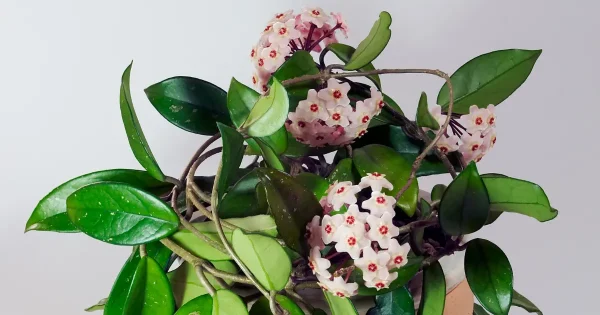
Top 5 Must-Have Hoya Varieties for Beginners
Hoyas are easily one of my top recommendations if you’re hunting for a low-maintenance houseplant [...]
Mar
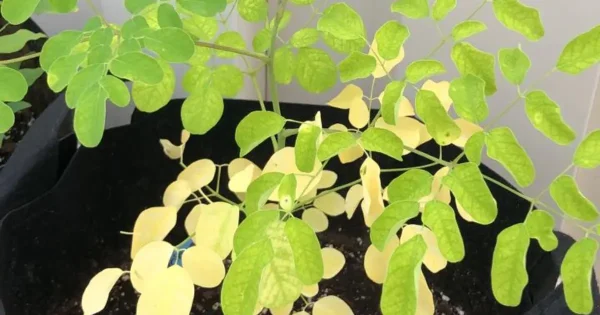
7 Moringa Plant Care Mistakes to Avoid for Healthy Growth
Have you ever looked at your Moringa tree and wondered why its once vibrant green [...]
Feb
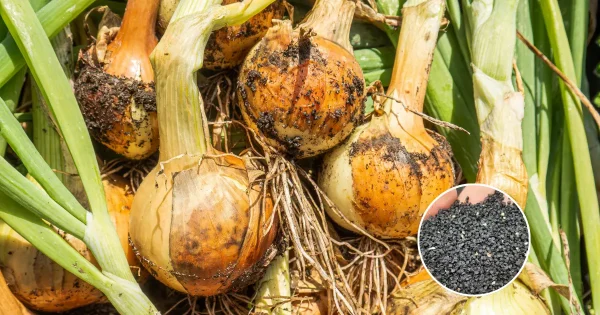
How to Grow Potato Onions From True Seeds: A Step-by-Step Guide
Have you ever wondered how to grow potato onions from true seeds or why some [...]
Feb
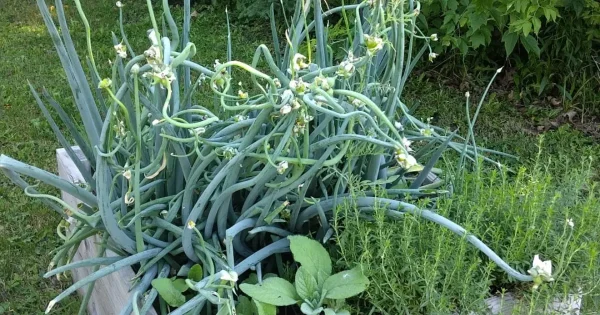
Growing Walking Onions in Containers: The Ultimate Guide
Have you ever looked at your small balcony or cramped patio and wished you could [...]
Feb

9 Best Flower Seeds to Start in February for Early Blooms
If you’re a passionate gardener, you know that itchy feeling in your fingers when February [...]
Jan

Reviews
There are no reviews yet.