
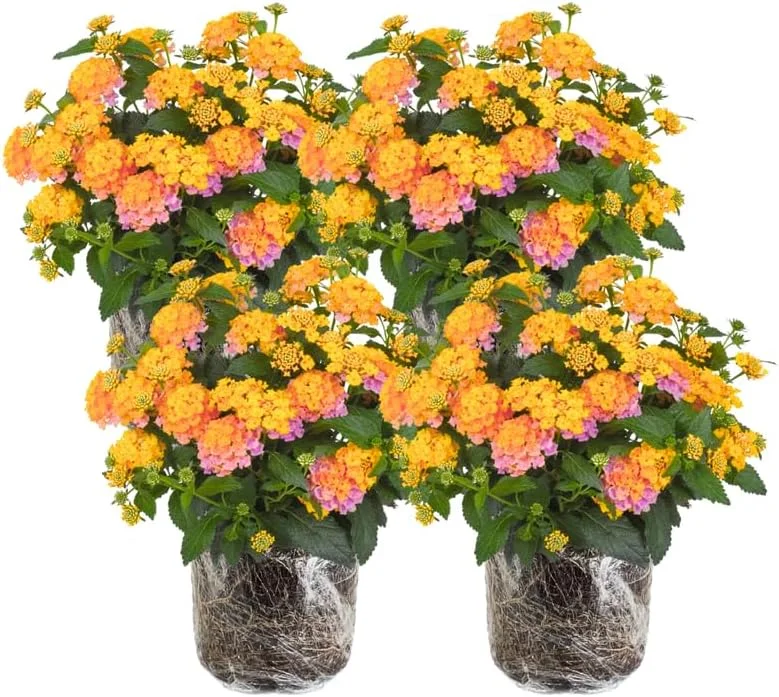
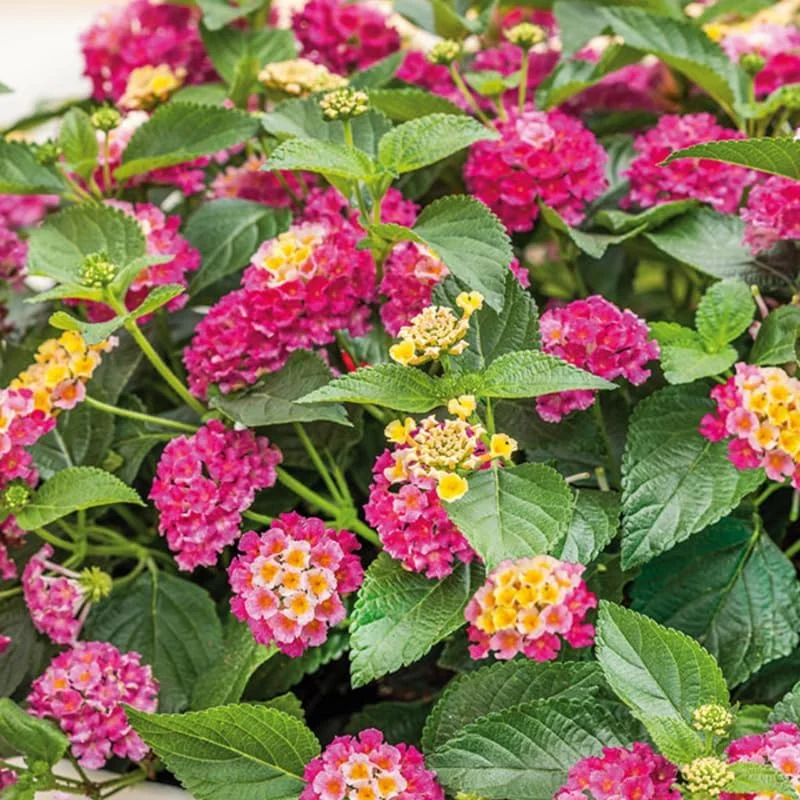
4 Lantana Live Plants Pink Yellow – Hardy Annual Flower, 4-7 inches Tall
$28.74
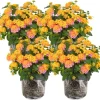
Bring brilliant color to your garden with this set of 4 Lantana live plants. Featuring stunning pink and yellow blooms, these hardy annual flowers are perfect for outdoor landscapes, growing 4-7 inches tall upon arrival and maturing up to 2 feet. Enjoy their continuous flowering in full sun.
Shipping and Return policies:
We stand behind our plants with our Alive & Thrive Guarantee. If you experience any issues within the first 30 days, please email us, and our team will be happy to help. When needed, we’ll send you a one-time replacement free of charge to make sure your garden keeps growing strong.

Reasonable Price
We offer reasonable price

Support 24/7
Contact us 24 hrs a day
100% Money Back
You’ve 30 days to Return
Payment Secure
100% secure payment
Overview
Introduce a burst of vibrant color to your outdoor spaces with these beautiful lantana live plant specimens. This offering includes four well-rooted plants, each standing 4-7 inches tall, ready to thrive in your garden or containers. Lantana camara, commonly known as Lantana, is celebrated for its prolific flowering and striking multi-colored blooms, often showcasing a delightful mix of pink and yellow hues that deepen with maturity. These resilient plants are perfect for adding continuous visual interest from spring through fall, attracting pollinators like butterflies and hummingbirds with their sweet nectar. Whether you’re creating a colorful border, filling a hanging basket, or enhancing a patio planter, these pink yellow lantana plants will transform your landscape with their cheerful disposition and easy-care nature.
Lantana plants are known for their ability to withstand various conditions, making them a popular choice for gardeners seeking both beauty and durability. They are versatile, performing as perennials in warmer climates (USDA Zones 8-11) and as vigorous annuals in cooler regions. With their moderate growth rate, they can reach up to 2 feet in height, creating a dense, floriferous display. Plant these lantana live plant specimens in a sunny spot and watch them flourish, providing season-long enjoyment with minimal effort.
Key Benefits
These lantana live plant offerings provide numerous advantages for any garden enthusiast, combining visual appeal with practical benefits:
- Vibrant, Continuous Blooms: Enjoy a prolonged display of stunning pink and yellow flowers from spring until the first frost. Lantana is renowned for its continuous flowering habit, ensuring your garden remains colorful throughout the growing season.
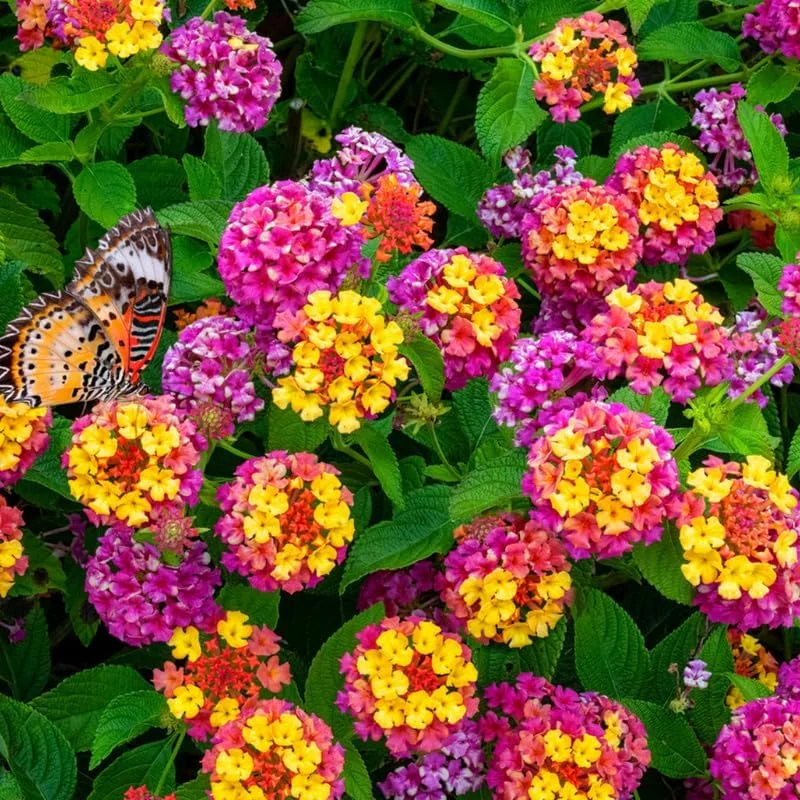
- Attracts Pollinators: The nectar-rich flowers are a magnet for butterflies, bees, and hummingbirds, making your garden a lively and ecological haven. These plants contribute positively to local ecosystems by supporting beneficial insects.
- Low Maintenance & Drought-Tolerant: Once established, lantana flower care is remarkably easy. They are highly tolerant of heat and drought, requiring less frequent watering than many other flowering plants, which is ideal for busy gardeners or dryer climates.
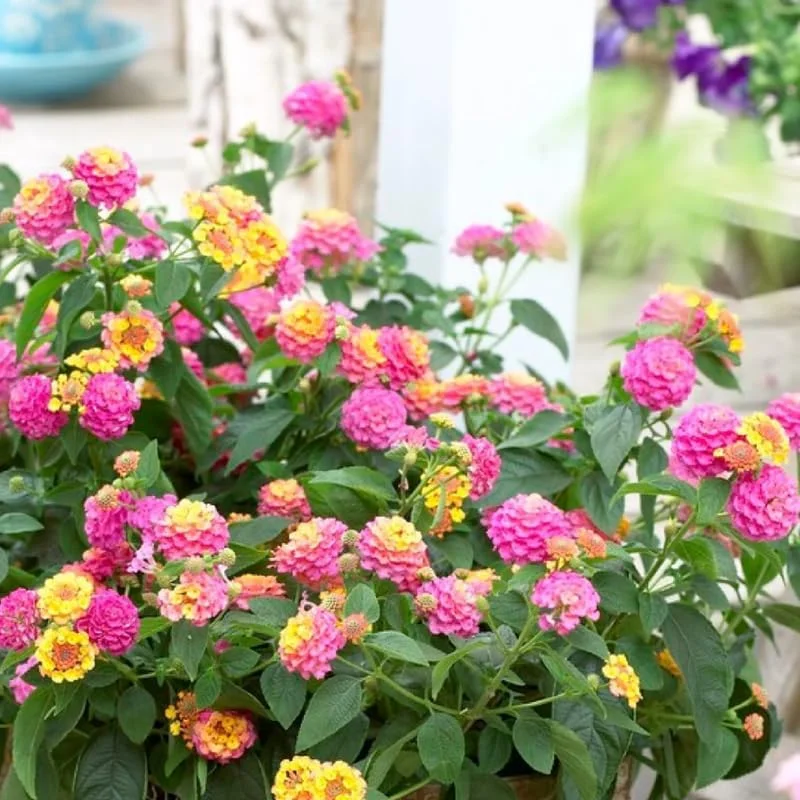
- Versatile Landscaping Use: Perfect for a variety of applications, including garden beds, borders, rock gardens, containers, and hanging baskets. Their mounding and trailing habit allows for flexible design options, creating beautiful focal points or groundcover.
- Hardy & Resilient: These plants are known for their robustness, performing well as perennials in warmer USDA Zones 8-11 and as vibrant annuals elsewhere. They can withstand challenging conditions, making them a reliable choice for diverse environments.
- Fast Growing: With a moderate to fast growth rate, these hardy annual plant specimens quickly establish themselves and begin producing abundant blooms, providing almost instant gratification for your gardening efforts.
- Deer Resistant: Lantana plants are generally unappealing to deer, offering a sense of security that your beautiful blooms will remain undisturbed in areas where deer are a concern.
Plant Care & Growing Tips
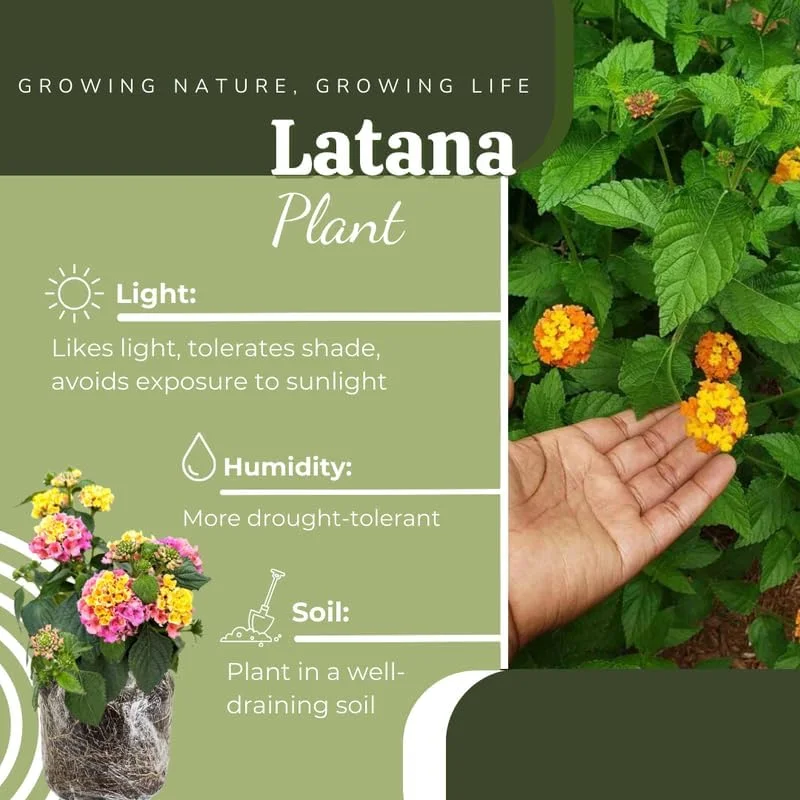
Caring for your lantana live plant is straightforward, making it an excellent choice for both novice and experienced gardeners. These plants thrive with minimal fuss, provided their basic needs are met. For optimal growth and prolific flowering, ensure they receive ample sunlight. Lantanas prefer full sun, meaning at least six hours of direct sunlight per day. In shadier conditions, they may produce fewer flowers and become leggy. When planting, choose a location with well-draining soil. Lantanas are not particular about soil type but will struggle in waterlogged conditions.
Watering should be consistent but not excessive. Allow the top inch or two of soil to dry out completely between waterings, especially for potted plants. While established plants are drought-tolerant, regular watering during dry spells will encourage more vigorous growth and blooming. Fertilization is generally not heavily required; a balanced, slow-release granular fertilizer applied once in spring or early summer is usually sufficient, particularly for an outdoor flowering plant. Over-fertilizing can lead to more foliage and fewer flowers.
Lantanas are sensitive to cold and perform best in warm temperatures. They are reliably perennial in USDA Zones 8-11, where they can survive mild winters and regrow from their roots in spring. In cooler zones, they are typically grown as annuals. Pruning can be done in early spring to shape the plant and encourage bushier growth. Deadheading spent flowers is not strictly necessary as they are self-cleaning, but it can promote a tidier appearance and potentially more blooms. Watch out for common pests like whiteflies or spider mites, though lantanas are generally quite resistant. Ensuring good air circulation and proper watering helps prevent most issues, making lantana flower care a breeze.
Size & Details
This offering includes a pack of four individual lantana live plant specimens, each carefully nurtured and shipped to ensure they arrive in prime condition, ready for planting. Upon arrival, each plant will measure approximately 4-7 inches tall, showcasing healthy foliage and a well-established root system, indicative of their readiness to grow vigorously. When mature and planted in ideal conditions, these hardy annual plants can reach an average height of up to 2 feet, with a similar spread, creating a full and rounded display of their signature pink yellow lantana blooms.
These plants are suitable for outdoor cultivation, thriving in landscapes, garden beds, and various container arrangements. They are typically shipped as young, actively growing plants in their original nursery pots, ensuring minimal transplant shock. Expect these plants to establish quickly and begin producing their vibrant flowers within weeks of planting, providing continuous color throughout the warmer months. As an outdoor flowering plant, they will provide a stunning display from spring through fall, showcasing their full potential in sunny locations within their recommended USDA Hardiness Zones (8-11 for perennial growth, otherwise grown as annuals).
Frequently Asked Questions
- Q: How big does this plant get? A: Each lantana live plant will arrive 4-7 inches tall. When mature, these plants can grow up to 2 feet tall and spread similarly, creating a full, bushy appearance with abundant flowers.
- Q: Is this an indoor or outdoor plant? A: Lantana is primarily an outdoor flowering plant. It thrives in full sun and warm temperatures, making it ideal for gardens, patios, and balconies. While it can be overwintered indoors in very specific conditions, it is best enjoyed outdoors.
- Q: How much sunlight does it need? A: For the best blooming and healthiest growth, your lantana live plant requires full sun, which means at least 6 hours of direct sunlight per day. Less sun will result in fewer flowers and leggy growth.
- Q: Is this plant easy to care for? A: Yes, lantanas are known for being very easy to care for and are considered a great choice for beginners. They are drought-tolerant and require minimal attention once established, making lantana flower care quite simple.
- Q: What condition will it arrive in? A: Your plants will arrive well-rooted in their nursery pots, typically 4-7 inches tall, and carefully packaged to ensure they reach you in healthy, ready-to-plant condition.
- Q: When is the best time to plant? A: The best time to plant your hardy annual plant is after the last frost in spring, once soil temperatures have warmed up. This allows the plant to establish itself before the peak heat of summer.
- Q: Will it survive winter in my zone? A: Lantana is hardy in USDA Zones 8-11, where it can act as a perennial, returning each spring. In colder zones, it is typically grown as an annual and will not survive winter outdoors.
- Q: Are the flowers truly pink and yellow? A: Yes, these pink yellow lantana plants are specifically chosen for their vibrant, multi-colored blooms that feature a beautiful blend of pink and yellow hues, often changing slightly as the flowers mature.
- Q: Do these plants attract pollinators? A: Absolutely! Lantana flowers are a favorite of butterflies, bees, and hummingbirds. Planting these lantana live plant specimens will definitely help attract these beneficial pollinators to your garden.
- Q: What kind of soil is best for lantana? A: Lantanas prefer well-draining soil. They are not overly particular about soil type but will not tolerate soggy conditions. A general-purpose potting mix for containers or amended garden soil works well.
Be the first to review “4 Lantana Live Plants Pink Yellow – Hardy Annual Flower, 4-7 inches Tall”
You must be logged in to post a review.
People also Viewed
Sold 50 products
Original price was: $28.58.$19.99Current price is: $19.99.
Sold 50 products
$32.39
Sold 50 products
$21.59
Sold 50 products
$35.99
Sold 50 products
Price range: $23.15 through $25.19
Sold 50 products
$38.39
Sold 50 products
Price range: $28.79 through $35.99
Sold 50 products
$26.39RELATED posts
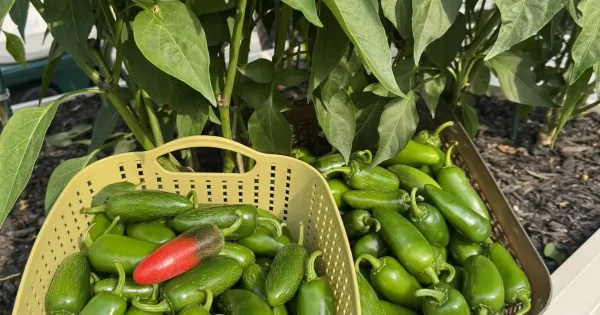
How to Grow Jalapeño Peppers From Seeds: A Step-by-Step Guide
Ready to spice things up in your garden? Jalapeños are the true life of the [...]
Apr
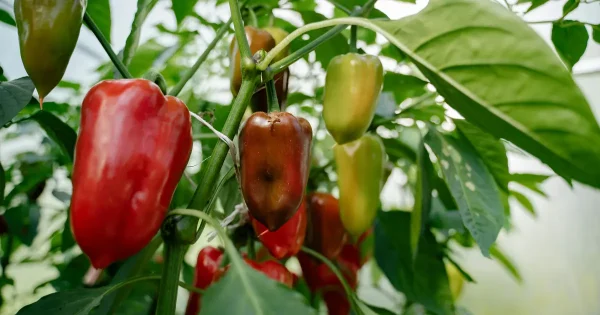
Top 12 Best Types of Peppers to Grow in Your Garden: Easy and High Yield
Growing peppers is, quite honestly, one of the biggest “wins” you can have in a [...]
Apr
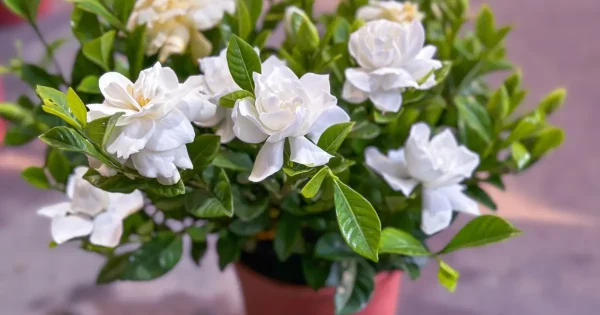
Frostproof Jasmine Care: 7 Tips for Successful Pot Growth
Most gardenias are known for being “divas.” They want perfect humidity, perfect soil, and they [...]
Mar
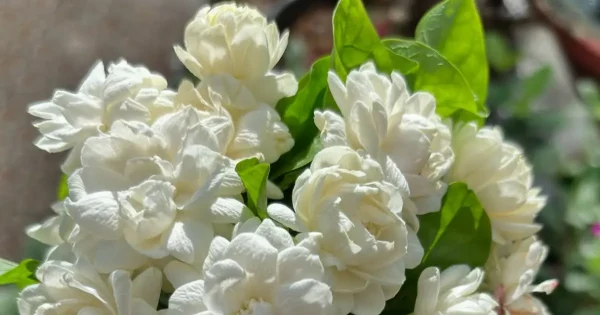
Top 7 Best Smelling Jasmine Varieties for a Heavenly Garden
Have you ever walked past a house and caught a scent so sweet you just [...]
Mar
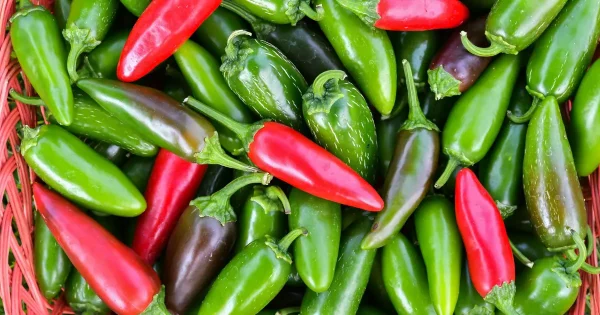
Master the Heat: 8 Expert Tips for Growing Jalapeños Like a Pro
Are you staring at your garden space, wondering why your pepper plants look more like [...]
Mar
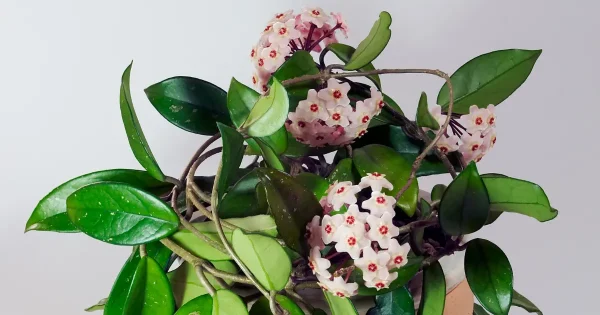
Top 5 Must-Have Hoya Varieties for Beginners
Hoyas are easily one of my top recommendations if you’re hunting for a low-maintenance houseplant [...]
Mar
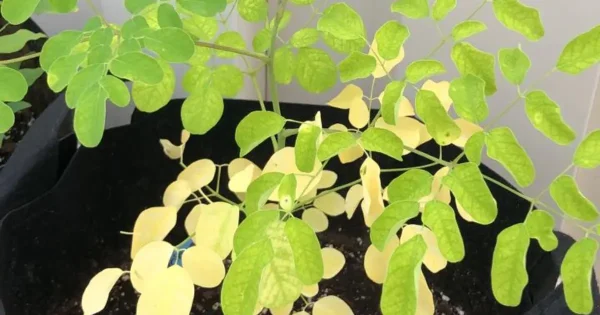
7 Moringa Plant Care Mistakes to Avoid for Healthy Growth
Have you ever looked at your Moringa tree and wondered why its once vibrant green [...]
Feb
How to Grow Potato Onions From True Seeds: A Step-by-Step Guide
Have you ever wondered how to grow potato onions from true seeds or why some [...]
Feb
Reviews
There are no reviews yet.