
4 Clerodendrum Bleeding Heart Live Plants, 5-10″ Tall Vine, Bell Flowers
Original price was: $89.98.$80.98Current price is: $80.98.
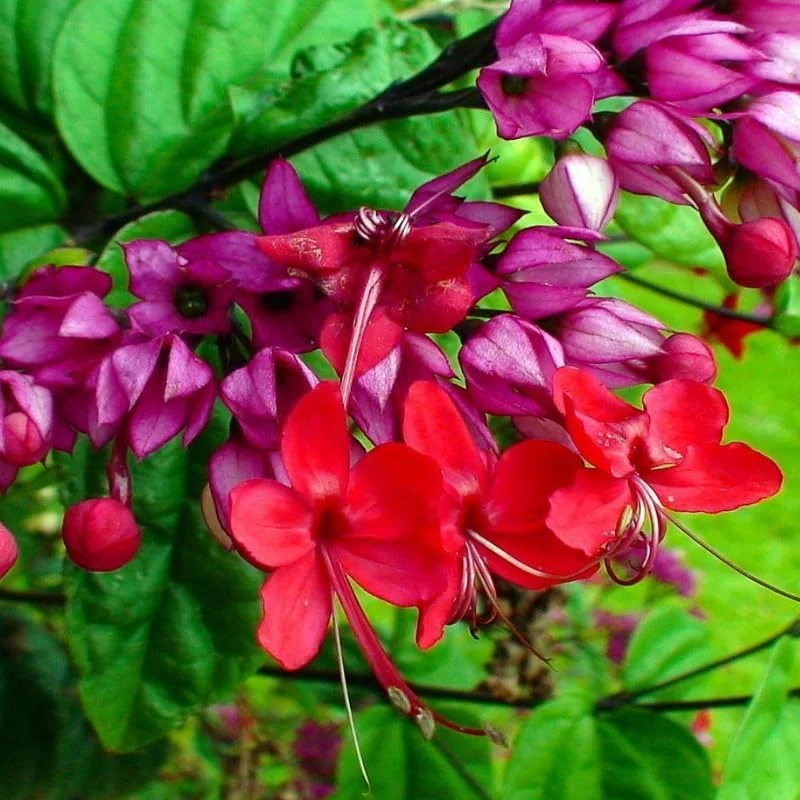
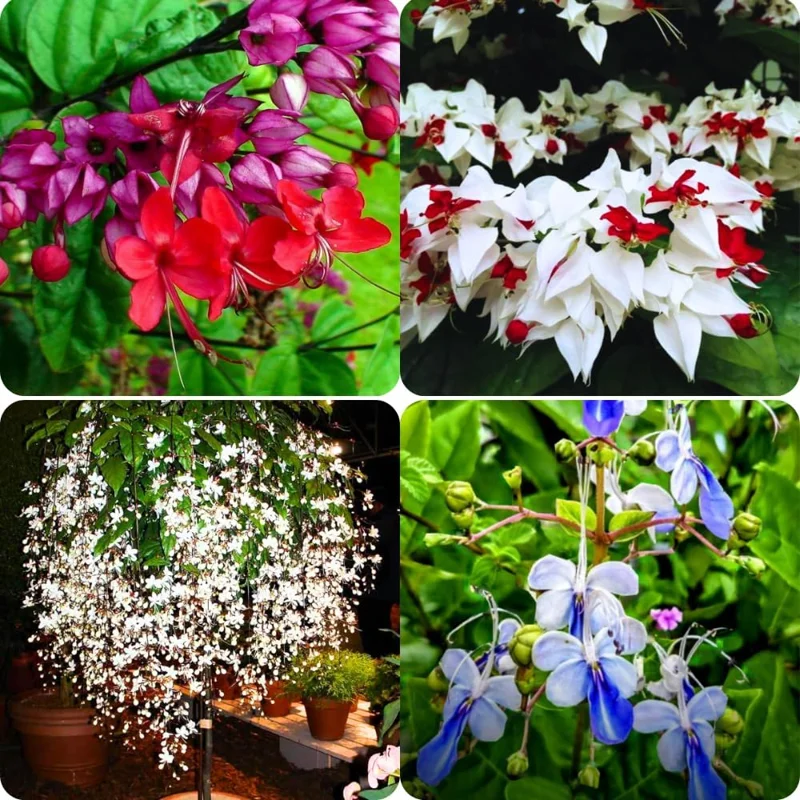
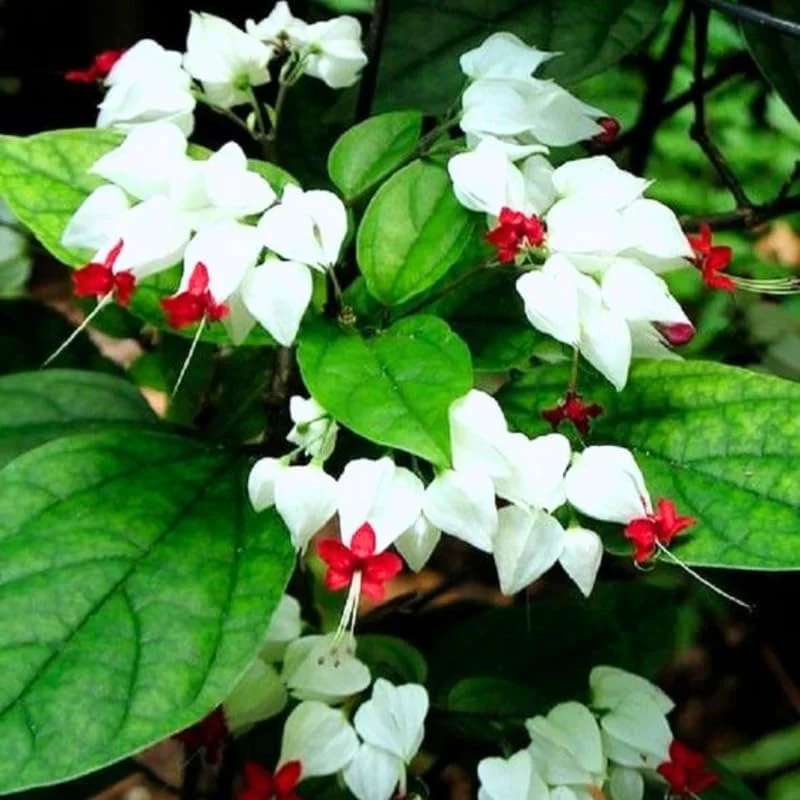
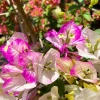
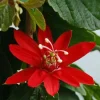
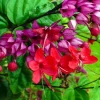
Bring elegance to your outdoor space with this 4-pack of Clerodendrum Bleeding Heart live plant vines. Each plant measures 5-10 inches tall, featuring striking white, heart-shaped blooms. Perfect for trellises, arbors, or hanging baskets, these vigorous vines add a touch of charm and beauty to any garden.
Shipping and Return policies:
We stand behind our plants with our Alive & Thrive Guarantee. If you experience any issues within the first 30 days, please email us, and our team will be happy to help. When needed, we’ll send you a one-time replacement free of charge to make sure your garden keeps growing strong.

Reasonable Price
We offer reasonable price

Support 24/7
Contact us 24 hrs a day
100% Money Back
You’ve 30 days to Return
Payment Secure
100% secure payment
Overview
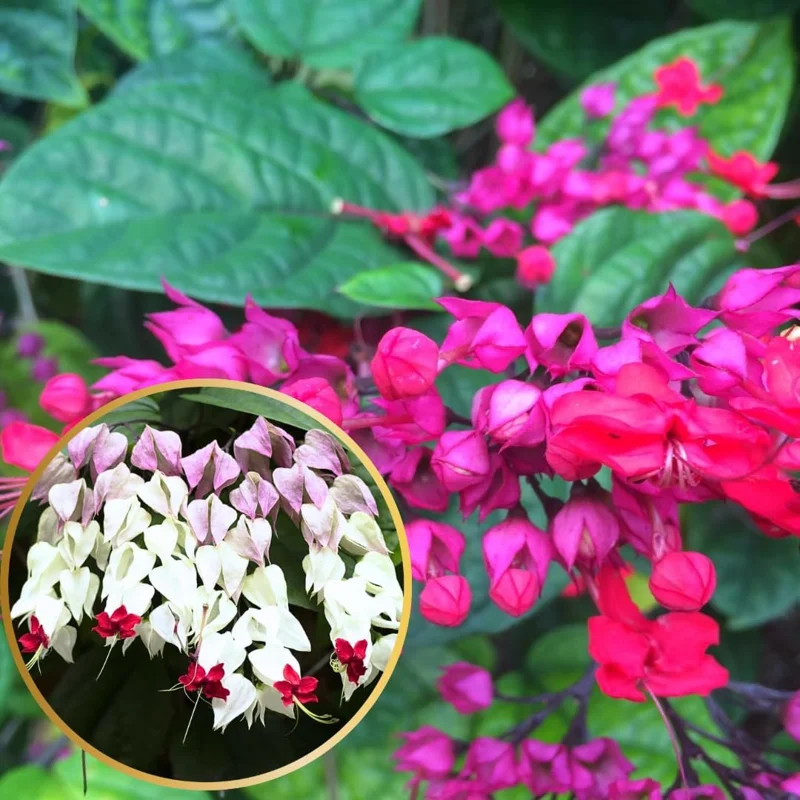
Transform your garden into a captivating haven with our 4-pack of Clerodendrum Bleeding Heart live plant vines. These stunning plants, scientifically known as Clerodendrum thomsoniae, are cherished for their unique and striking white, heart-shaped calyces that enclose vibrant red flowers, creating a truly spectacular display. Often referred to as Bleeding Heart Vine or Bagflower, this vigorous climber is a favorite among gardeners for its prolific blooming and elegant appearance. Each plant arrives approximately 5-10 inches tall, ready to establish and beautify your outdoor spaces. The Clerodendrum Bleeding Heart live plant is an excellent choice for adding vertical interest and a touch of tropical flair to patios, pergolas, and garden beds.
This collection offers four healthy young plants, providing ample opportunity to create a lush, flowering feature in multiple areas or to establish a dense, impressive display in one spot. Known for their rapid growth and stunning floral show, these vines are relatively easy to care for, making them suitable for both experienced gardeners and those new to cultivating climbing plants. Prepare to be enchanted by the continuous bloom of these exquisite bell-shaped flowers, which provide visual interest throughout the growing season. Their unique form and vibrant color make them a focal point wherever they are planted, offering a long-lasting and rewarding gardening experience.
Key Benefits
Our Clerodendrum Bleeding Heart live plant offers numerous advantages, enhancing the aesthetic and ecological value of your garden. These benefits make them a highly desirable addition to any outdoor setting.
- Stunning Visual Appeal: Enjoy the breathtaking beauty of unique white, heart-shaped calyces that cradle vibrant red flowers. This striking contrast creates a captivating display that draws the eye and adds an exotic touch to your landscape. The prolific blooming ensures a continuous show of color and form.
- Versatile Landscaping: These vigorous vines are perfect for training on various structures such as trellises, arbors, pergolas, or fences. They can also be used as a trailing plant in hanging baskets or containers, adding lush greenery and cascades of flowers to elevated spaces. The adaptability makes Clerodendrum Bleeding Heart live plant a flexible choice for diverse garden designs.
- Attracts Pollinators: The vibrant flowers are known to attract hummingbirds, butterflies, and other beneficial pollinators to your garden, contributing to local biodiversity and supporting the health of your ecosystem. Enjoy the lively activity these beautiful blooms bring.
- Fast Growing: With proper care, these vines exhibit a relatively fast growth rate, quickly covering structures and filling spaces with their lush foliage and abundant flowers. This allows for a more immediate impact on your garden’s design.
- Long Blooming Season: The Clerodendrum vine care is simple enough to encourage a long and extended flowering period, often from late spring through fall in suitable climates. This provides continuous color and interest for many months, maximizing your enjoyment.
- Unique Flower Form: The distinctive bell-shaped flowers, with their inflated white calyces and contrasting red petals, are unlike many other flowering vines, offering a truly unique botanical specimen for your collection and garden.
- Enhances Outdoor Living Spaces: Ideal for creating shaded areas or privacy screens on patios and decks, these vines add an element of natural beauty and tranquility to outdoor living areas, making them more inviting and enjoyable.
Plant Care & Growing Tips
To ensure your Clerodendrum Bleeding Heart live plant thrives, understanding its specific care requirements is essential. These plants, while vigorous, benefit greatly from consistent attention to their environment and nutritional needs. Proper Clerodendrum vine care will lead to abundant blooms and healthy growth.
Sunlight Requirements: The Bleeding Heart Vine prefers partial to full shade. In hotter climates, protection from intense afternoon sun is crucial to prevent leaf scorch. Aim for a location that receives bright, indirect light for several hours a day, or morning sun followed by afternoon shade. Too much direct sun can stress the plant and reduce flowering, while too little light may result in leggy growth and fewer blooms.
Watering and Soil: This plant requires regular watering and well-drained soil. Keep the soil consistently moist but never waterlogged. Allow the top inch of soil to dry out slightly between waterings. Overwatering can lead to root rot, so ensure good drainage. A rich, loamy potting mix amended with organic matter is ideal. For outdoor planting, ensure the garden bed has good drainage, possibly by amending with compost or grit. Maintaining proper moisture levels is key to successfully growing Bleeding Heart vine.
Temperature and Hardiness: Clerodendrum thomsoniae is a tropical vine and is generally hardy in USDA Zones 9-11. It prefers warm temperatures and high humidity. In regions with cooler winters, it can be grown in containers and brought indoors before the first frost, or treated as an annual. Protect from temperatures below 45°F (7°C). Frost will damage or kill the plant. When grown as a Clerodendrum plant outdoor, ensure it’s in a sheltered location.
Fertilization: During the active growing season (spring and summer), feed your Bleeding Heart Vine every 2-4 weeks with a balanced liquid fertilizer. Reduce feeding in fall and cease completely in winter. This regular feeding supports vigorous growth and prolific production of the exquisite bell-shaped flowers plant is known for. Always follow fertilizer instructions carefully to avoid over-fertilization.
Pruning: Pruning is beneficial to maintain shape, encourage bushier growth, and promote more flowers. Prune in late winter or early spring before new growth begins. Remove any dead, damaged, or crossing branches. You can also prune after a flush of blooms to encourage new flowering. For an indoor plant, regular pinching of new growth will help keep it compact and full.
Pest and Disease: Generally, Clerodendrum Bleeding Heart vines are robust, but they can occasionally encounter pests like spider mites, mealybugs, or whiteflies, especially in dry, indoor conditions. Inspect your plants regularly and treat any infestations promptly with insecticidal soap or neem oil. Good air circulation and proper watering practices help prevent fungal diseases.
Size & Details
This offering includes a pack of four healthy Clerodendrum Bleeding Heart live plant specimens. Each young vine typically measures between 5 to 10 inches in height from the base of the soil to the tip of its foliage upon arrival. These plants are shipped in a nursery pot, ensuring their roots are protected and well-hydrated during transit, ready for immediate planting or transplanting into larger containers or your garden bed. The mature size of a Clerodendrum vine care can allow it to reach lengths of 10-15 feet or more, depending on growing conditions and support structures provided. Its spread is variable, often adapting to the space it’s given to climb.
The growth rate of the Bleeding Heart Vine is considered moderate to fast, especially in warm, humid environments with ample sunlight and consistent moisture. You can expect to see significant growth and the development of the distinctive bell-shaped flowers plant within the first growing season. These plants are typically purchased as young starts to allow them to establish well in their new environment. With proper care, they will quickly become a prominent and beautiful feature in your garden or patio, offering a long season of vibrant blooms from spring through fall.
Frequently Asked Questions
- Q: How big does this plant get? A: The Clerodendrum Bleeding Heart live plant can grow quite vigorously, reaching lengths of 10-15 feet or more when mature and provided with adequate support. Its spread will depend on how it is trained and pruned in your garden.
- Q: What size pot does it come in? A: These plants are typically shipped in standard nursery pots, usually 2 to 4 inches in diameter, to ensure their safe arrival and ease of transplanting. You will need to repot them into a larger container or plant them directly in your garden.
- Q: Is this an indoor or outdoor plant? A: While primarily an outdoor plant in tropical and sub-tropical climates (USDA Zones 9-11), it can be grown indoors as a houseplant in cooler regions, especially when given bright, indirect light and proper humidity. Many enjoy the Clerodendrum plant outdoor for its stunning display.
- Q: How much sunlight does it need? A: The Bleeding Heart Vine prefers partial to full shade. In areas with intense summer sun, it benefits from protection during the hottest part of the day. Morning sun with afternoon shade is often ideal for optimal growth and flowering.
- Q: Is this plant easy to care for? A: Yes, the Clerodendrum Bleeding Heart live plant is generally considered easy to care for once established. It requires consistent watering, well-draining soil, and protection from frost. Regular pruning helps maintain its shape and encourages more blooms.
- Q: What condition will it arrive in? A: Your plants will arrive as healthy young starts, approximately 5-10 inches tall, carefully packaged to minimize stress during transit. They will be actively growing and ready for planting in your chosen location.
- Q: How long until it blooms? A: With proper Clerodendrum vine care, you can expect these plants to start producing their beautiful bell-shaped flowers within the first growing season. They typically bloom from late spring through fall, offering a long period of color.
- Q: Can I grow this plant in a hanging basket? A: Absolutely! The Bleeding Heart Vine makes an excellent trailing plant for hanging baskets, allowing its beautiful flowers to cascade downwards. Ensure the basket is large enough and provides good drainage.
- Q: What’s the minimum temperature it can tolerate? A: This tropical vine is sensitive to cold and should be protected from temperatures below 45°F (7°C). In colder zones, it must be brought indoors during winter or treated as an annual to ensure its survival.
- Q: What type of soil is best for growing Bleeding Heart vine? A: For successfully growing Bleeding Heart vine, a rich, well-draining soil mix is best. Amending garden soil with compost or other organic matter will improve drainage and provide essential nutrients for healthy growth.
| Color | Mixed Bleeding Heart, Mixed Clerodendrum, Red Purple Bleeding Heart, White Bleeding Heart |
|---|
Be the first to review “4 Clerodendrum Bleeding Heart Live Plants, 5-10″ Tall Vine, Bell Flowers”
You must be logged in to post a review.
People also Viewed
Sold 50 products
Original price was: $17.58.$11.86Current price is: $11.86.
Sold 50 products
Price range: $32.99 through $35.99
Sold 50 products
$69.99
Sold 50 products
$18.99
Sold 50 products
Price range: $14.98 through $23.89
Sold 50 products
$32.99
Sold 50 products
$24.99
Sold 50 products
Price range: $43.99 through $44.99RELATED posts
Frostproof Jasmine Care: 7 Tips for Successful Pot Growth
Most gardenias are known for being “divas.” They want perfect humidity, perfect soil, and they [...]
Mar
Top 7 Best Smelling Jasmine Varieties for a Heavenly Garden
Have you ever walked past a house and caught a scent so sweet you just [...]
Mar
Master the Heat: 8 Expert Tips for Growing Jalapeños Like a Pro
Are you staring at your garden space, wondering why your pepper plants look more like [...]
Mar
Top 5 Must-Have Hoya Varieties for Beginners
Hoyas are easily one of my top recommendations if you’re hunting for a low-maintenance houseplant [...]
Mar
7 Moringa Plant Care Mistakes to Avoid for Healthy Growth
Have you ever looked at your Moringa tree and wondered why its once vibrant green [...]
Feb
How to Grow Potato Onions From True Seeds: A Step-by-Step Guide
Have you ever wondered how to grow potato onions from true seeds or why some [...]
Feb
Growing Walking Onions in Containers: The Ultimate Guide
Have you ever looked at your small balcony or cramped patio and wished you could [...]
Feb
9 Best Flower Seeds to Start in February for Early Blooms
If you’re a passionate gardener, you know that itchy feeling in your fingers when February [...]
Jan
Reviews
There are no reviews yet.