
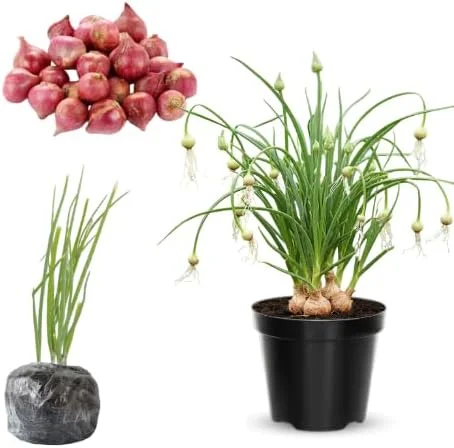


3 Walking Onion Live Plants – Perennial, Cold Hardy, Fast-Growing – 4″ Pot
$16.99
Bring the unique charm of a walking onion live plant to your garden! This offer includes 3 healthy, established perennial plants in 4-inch pots. Known for their self-propagating nature and exceptional cold hardiness, these are a fast growing onion variety, providing continuous harvests with minimal effort. Perfect for gardeners seeking a low-maintenance, high-yielding edible crop.
Shipping and Return policies:
We stand behind our plants with our Alive & Thrive Guarantee. If you experience any issues within the first 30 days, please email us, and our team will be happy to help. When needed, we’ll send you a one-time replacement free of charge to make sure your garden keeps growing strong.

Reasonable Price
We offer reasonable price

Support 24/7
Contact us 24 hrs a day
100% Money Back
You’ve 30 days to Return
Payment Secure
100% secure payment
Overview
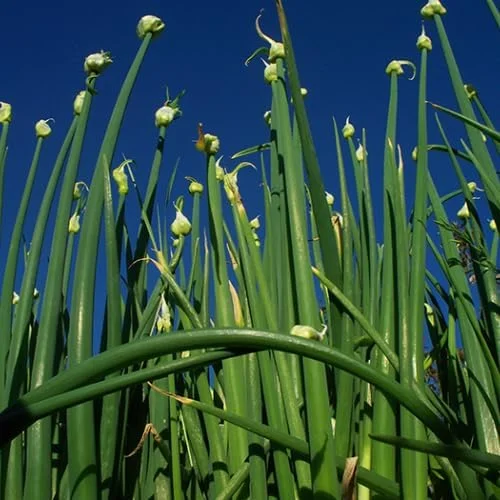
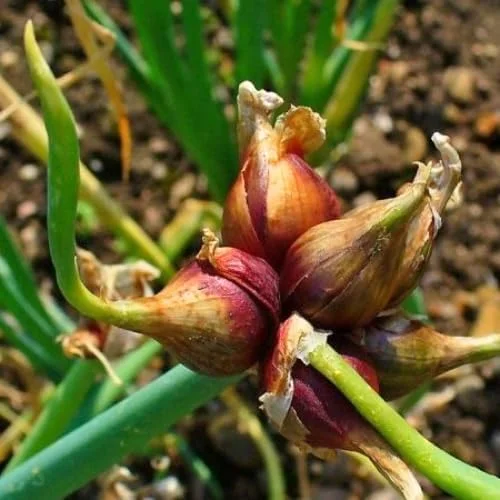
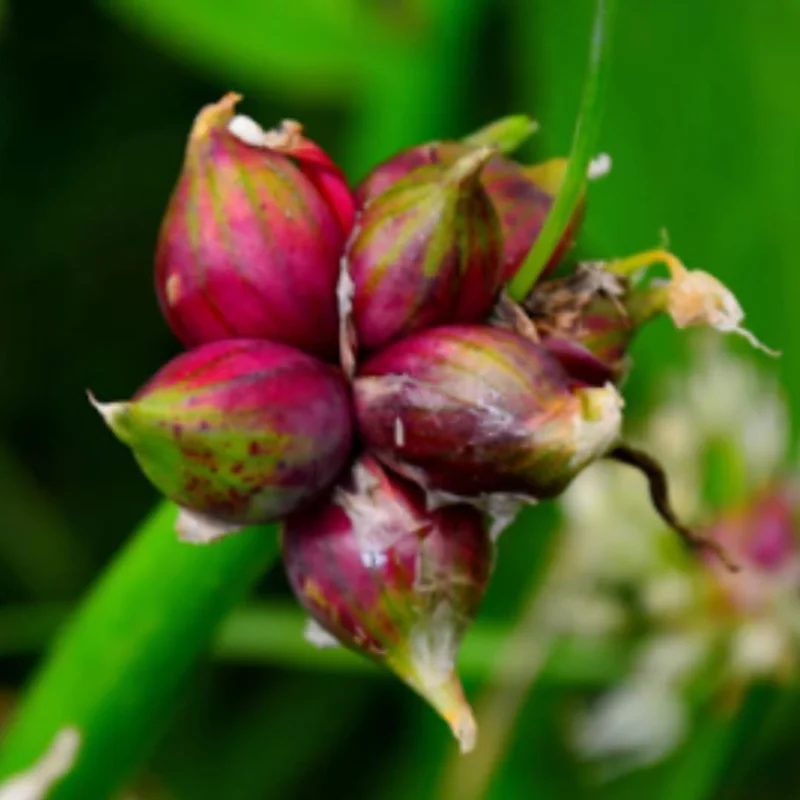
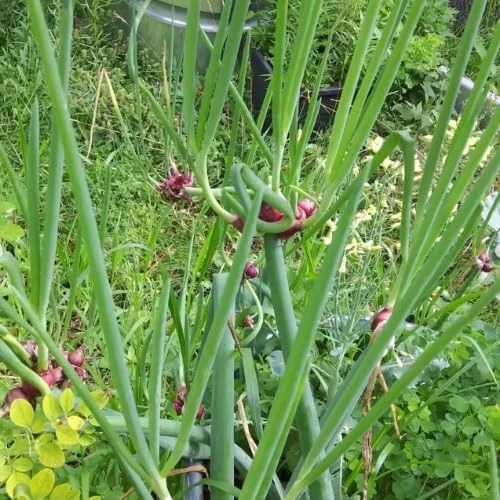
Introduce the unique charm and continuous harvest of a walking onion live plant to your garden. This offering includes three healthy, established walking onion plants, each rooted in a 4-inch pot, ready to be transplanted into your garden or a larger container. Also known as Egyptian walking onion or Top-Setting Onions, these fascinating plants are a gardener’s delight due to their self-propagating nature. Instead of flowering, they produce bulbils (small aerial bulbs) at the top of their stalks. As these bulbils mature, the stalk bends over, allowing them to ‘walk’ and root themselves a short distance away, starting new plants. This creates a perpetual patch of fresh onions with minimal effort. The perennial walking onion is a true perennial, meaning it will return year after year, providing a consistent supply of green tops and small bulbs. They are exceptionally cold hardy and thrive in various climates, making them a resilient addition to almost any garden. Their fast-growing nature ensures you’ll have fresh onions sooner, suitable for both culinary use and as an intriguing ornamental.
These established plants are an ideal choice for both novice and experienced gardeners looking for a low-maintenance, high-yielding vegetable. The unique ‘walking’ characteristic makes them a conversation starter and an efficient way to expand your edible garden without constant replanting. Enjoy fresh onion flavor from your backyard with these robust and resilient plants.
Key Benefits
Investing in a walking onion live plant brings numerous advantages to your home garden. These plants are not only a unique culinary asset but also offer practical benefits for gardeners of all experience levels. Here are some of the key benefits you can expect:
-
Continuous Harvest: Unlike traditional onions that are harvested once, perennial walking onion plants provide a steady supply of green tops throughout the growing season and small bulbs at the base. The bulbils can also be harvested and eaten or replanted for expansion.
-
Self-Propagating Nature: The ‘walking’ characteristic means these plants essentially replant themselves. The bulbils mature, cause the stalk to arch over, and root, creating new plants without any intervention from the gardener. This ensures a growing patch year after year, making it an incredibly sustainable choice for your garden.
-
Exceptional Cold Hardiness: These onions are incredibly resilient and can withstand harsh winter conditions, making them suitable for a wide range of USDA zones. They are one of the first plants to emerge in spring, offering an early harvest and proving their robust nature even in challenging climates.
-
Low Maintenance: Once established, walking onions require very little care. They are drought-tolerant and generally pest-resistant, making them ideal for busy gardeners or those new to growing vegetables. This makes walking onion care straightforward and rewarding.
-
Fast-Growing and High Yielding: These plants establish quickly and produce an abundance of green tops and bulbils. You’ll enjoy fresh onion flavor from your garden in no time, providing a high yield for their footprint. This makes them a truly fast growing onion.
-
Unique Culinary Ingredient: Both the green tops and the bulbils have a distinct, pungent onion flavor, slightly stronger than chives but milder than a standard onion. They are excellent in salads, stir-fries, soups, and as a garnish, adding a fresh, zesty kick to your dishes.
-
Soil Improvement: Like other alliums, walking onions can help deter garden pests and can be beneficial companion plants for many vegetables, contributing to a healthier garden ecosystem.
Plant Care & Growing Tips
Caring for your walking onion live plant is remarkably easy, making it a perfect choice for both novice and experienced gardeners. These hardy perennials are forgiving and thrive with minimal attention once established. For optimal growth, choose a location with full sun exposure, meaning at least 6-8 hours of direct sunlight per day. While they can tolerate partial shade, their growth and yield will be significantly reduced. They are not particular about soil type but prefer well-draining soil to prevent root rot. Heavy clay soils should be amended with compost or sand to improve drainage. A slightly acidic to neutral pH (6.0-7.0) is ideal for these plants.
When it comes to watering, walking onion care is quite simple. Water regularly after planting to help them establish, ensuring the soil remains consistently moist but not waterlogged. Once established, they are fairly drought-tolerant but will benefit from consistent moisture during dry spells, especially when actively producing green tops and bulbils. Fertilization is generally not necessary in rich garden soil, but a balanced organic fertilizer can be applied in spring to boost growth, particularly if your soil is poor. These plants are incredibly cold hardy, typically thriving in USDA Zones 3-9, and will readily overwinter in most temperate climates. You’ll find that these are a truly fast growing onion variety, requiring minimal intervention to flourish.
Pests and diseases are rarely an issue for walking onions. Keep an eye out for common garden pests like aphids, though they are usually not a major problem. Good air circulation and proper spacing between plants can help prevent any fungal issues. The self-propagating nature of the Egyptian walking onion means you’ll want to give them space to ‘walk’ or be prepared to harvest and replant the bulbils where you desire them. This unique trait is what makes them such a captivating and easy-to-manage addition to the edible landscape, ensuring a continuous supply of fresh onions.
Size & Details
This offering includes three healthy walking onion live plant specimens, each carefully nurtured in a 4-inch nursery pot. These plants are already established and have a robust root system, ensuring a smooth transition to your garden. Upon arrival, the plants will typically stand between 6-10 inches tall, with vibrant green foliage. Walking onions are known for their rapid growth; the green tops can be harvested continuously once they reach a suitable size, usually within a few weeks of planting. The bulbils, which form at the top of the stalks, will develop throughout the summer and can be harvested in late summer to early fall. The plants themselves can reach a mature height of 2-3 feet, with the stalks arching over as the bulbils mature. These are true perennials, meaning they will return year after year, expanding their patch through their unique ‘walking’ propagation method. Expect your first harvest of green tops within weeks and bulbils within the first growing season, providing a bountiful yield from these resilient plants.
Frequently Asked Questions
- Q: How big do these walking onion plants get? A: Each walking onion live plant can grow stalks up to 2-3 feet tall. The bulbils that form at the top will cause the stalks to arch over and ‘walk’ to new locations, creating a spreading patch over time.
- Q: Is this an indoor or outdoor plant? A: The perennial walking onion is primarily an outdoor plant, thriving in garden beds, raised beds, or large outdoor containers. While you could start them indoors, they perform best when grown outdoors in full sun conditions.
- Q: How much sunlight does it need? A: For optimal growth and yield, walking onions require full sun, meaning at least 6-8 hours of direct sunlight per day. They can tolerate partial shade, but growth may be less vigorous and yields might be reduced.
- Q: Is this plant easy to care for? A: Yes, walking onion care is very easy. They are low-maintenance, cold-hardy, and generally pest-resistant, making them an excellent choice for beginner gardeners or those seeking a fuss-free edible plant.
- Q: What condition will the plants arrive in? A: Your 3 walking onion live plant will arrive as established starter plants, each in its own 4-inch nursery pot, with a healthy root system and vibrant green foliage, ready for transplanting directly into your garden.
- Q: When is the best time to plant walking onions? A: Walking onions can be planted in spring after the danger of hard frost has passed, or in early fall. Since these are live plants, they have a good head start and can be planted anytime during the growing season for quick establishment.
- Q: Will it survive winter in my zone? A: The Egyptian walking onion is exceptionally cold hardy, typically thriving in USDA Zones 3-9. They are one of the first plants to emerge in spring, even after harsh winters, providing an early start to your growing season.
- Q: Can I use the bulbils in cooking? A: Absolutely! The bulbils, also known as top-sets, have a pungent onion flavor and can be used just like small onions or shallots in various culinary applications, or replanted to grow more onions and expand your patch.
- Q: How long until I can harvest from my fast growing onion? A: You can start harvesting the green tops from your fast growing onion within a few weeks of planting. The bulbils will develop and be ready for harvest in late summer to early fall of the first growing season.
- Q: What type of soil is best for walking onions? A: Walking onions prefer well-draining soil. While they are not overly picky, amending heavy clay soils with compost will improve drainage and overall plant health. A slightly acidic to neutral pH is ideal for optimal growth.
Be the first to review “3 Walking Onion Live Plants – Perennial, Cold Hardy, Fast-Growing – 4″ Pot”
You must be logged in to post a review.
People also Viewed
Sold 50 products
Original price was: $28.58.$19.99Current price is: $19.99.
Sold 50 products
$32.39
Sold 50 products
$21.59
Sold 50 products
$35.99
Sold 50 products
Price range: $23.15 through $25.19
Sold 50 products
$38.39
Sold 50 products
Price range: $28.79 through $35.99
Sold 50 products
$26.39RELATED posts
Frostproof Jasmine Care: 7 Tips for Successful Pot Growth
Most gardenias are known for being “divas.” They want perfect humidity, perfect soil, and they [...]
Mar
Top 7 Best Smelling Jasmine Varieties for a Heavenly Garden
Have you ever walked past a house and caught a scent so sweet you just [...]
Mar
Master the Heat: 8 Expert Tips for Growing Jalapeños Like a Pro
Are you staring at your garden space, wondering why your pepper plants look more like [...]
Mar
Top 5 Must-Have Hoya Varieties for Beginners
Hoyas are easily one of my top recommendations if you’re hunting for a low-maintenance houseplant [...]
Mar
7 Moringa Plant Care Mistakes to Avoid for Healthy Growth
Have you ever looked at your Moringa tree and wondered why its once vibrant green [...]
Feb
How to Grow Potato Onions From True Seeds: A Step-by-Step Guide
Have you ever wondered how to grow potato onions from true seeds or why some [...]
Feb
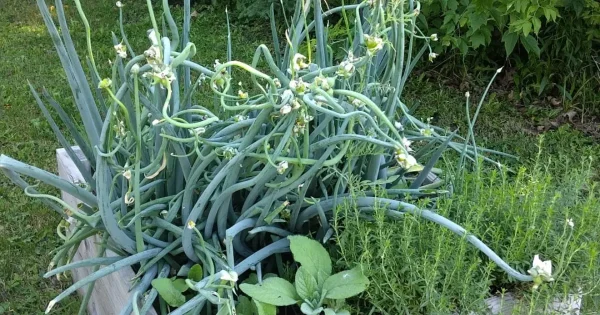
Growing Walking Onions in Containers: The Ultimate Guide
Have you ever looked at your small balcony or cramped patio and wished you could [...]
Feb

9 Best Flower Seeds to Start in February for Early Blooms
If you’re a passionate gardener, you know that itchy feeling in your fingers when February [...]
Jan
Reviews
There are no reviews yet.