

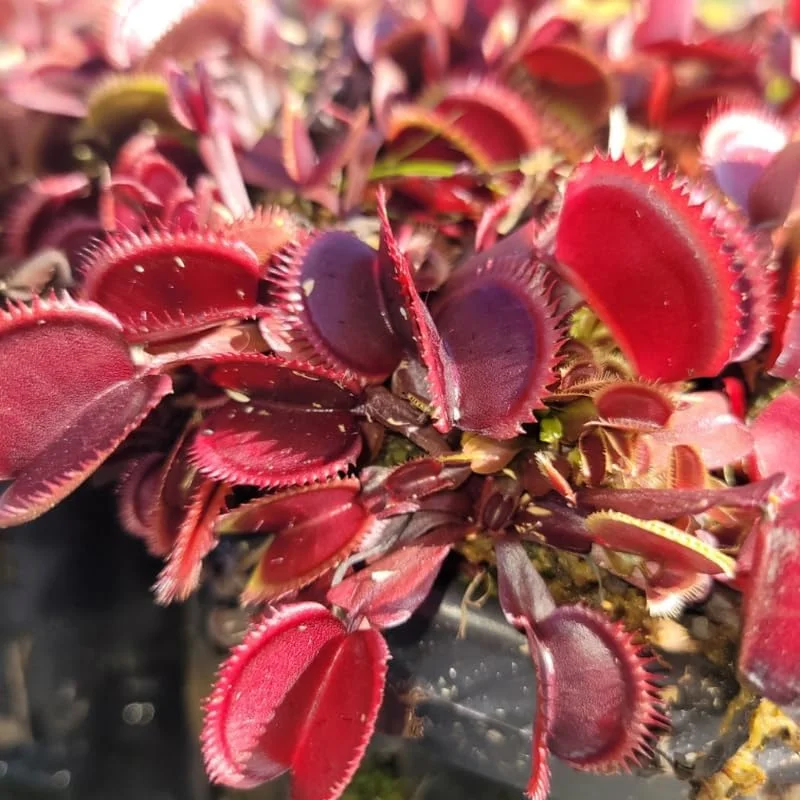


3 Venus Fly Trap Live Plants in 2-2.5 inch Pots – Carnivorous Indoor/Outdoor
$29.99
Embark on a captivating botanical journey with our 3 Venus Fly Trap live plant starter pack. These unique carnivorous plant for sale specimens, Dionaea muscipula, are perfect for natural pest control and add an exotic touch to any indoor or outdoor setting. Easy to care for, they make a fascinating addition to terrariums or bog gardens.
Shipping and Return policies:
We stand behind our plants with our Alive & Thrive Guarantee. If you experience any issues within the first 30 days, please email us, and our team will be happy to help. When needed, we’ll send you a one-time replacement free of charge to make sure your garden keeps growing strong.

Reasonable Price
We offer reasonable price

Support 24/7
Contact us 24 hrs a day
100% Money Back
You’ve 30 days to Return
Payment Secure
100% secure payment
Overview
Embark on a captivating botanical journey with our Venus Fly Trap live plant starter pack. This offering includes three vibrant Venus Fly Trap live plant specimens, scientifically known as Dionaea muscipula, each potted and ready to thrive in your home or garden. Renowned for their dramatic, snap-trap leaves, these carnivorous wonders are not only fascinating to observe but also serve as natural pest control, capturing insects with remarkable speed. Whether you’re an experienced plant collector or new to the world of unique flora, these Venus Fly Trap starter plants provide an exciting and educational addition to any space. The Venus Fly Trap live plant is a true marvel of nature, showcasing an active predatory mechanism that distinguishes it from most other houseplants. It’s a fantastic conversation starter and a living testament to evolution’s ingenuity, making it a perfect gift or a special treat for yourself.
Originating from subtropical wetlands, the Venus Fly Trap live plant has adapted to nutrient-poor soils by evolving its insect-eating capabilities. This pack provides a foundational opportunity to cultivate these extraordinary specimens, offering a glimpse into the intricate balance of nature. Each plant is carefully nurtured to ensure a healthy start, preparing it for its new environment in your home or garden. Enhance your botanical collection with these intriguing and active plants, and learn about Dionaea muscipula care.
Key Benefits
Owning a Venus Fly Trap live plant brings a host of unique advantages, blending aesthetic appeal with practical benefits. These aren’t just plants; they’re active participants in their environment, offering continuous fascination and a touch of the wild. Here are some of the key benefits:
- Natural Pest Control: The most prominent benefit of the Venus Fly Trap live plant is its ability to naturally catch and digest common household pests like flies, gnats, and small spiders. This reduces the need for chemical insecticides in your living space, making it an excellent natural solution.
- Educational and Engaging: Observing the Venus Fly Trap’s trapping mechanism is an endlessly fascinating experience. It’s an excellent educational tool for children and adults alike, teaching about plant biology, adaptation, and ecosystems. Understanding Dionaea muscipula care can also be a rewarding learning experience.
- Unique Aesthetic Appeal: With its distinctive, hinged leaves and often vibrant coloration, the Venus Fly Trap adds an exotic and striking visual element to terrariums, windowsills, or bog gardens. It stands out from typical foliage plants.
- Low Maintenance Once Established: While initial care is important, once your Venus Fly Trap starter plant is established in the right conditions, it requires relatively minimal ongoing attention compared to many flowering plants.
- Versatile Placement: These plants are suitable for both indoor Venus Fly Trap cultivation in terrariums or bright windows, and outdoor bog gardens in appropriate climates, offering flexibility in how you choose to display them.
- Air Purification: Like many plants, Venus Fly Traps contribute to better indoor air quality by absorbing carbon dioxide and releasing oxygen, albeit on a smaller scale due to their size.
- Conversation Starter: The unusual nature of this carnivorous plant for sale makes it an instant conversation piece, sure to intrigue guests and spark curiosity about its unique habits.
Plant Care & Growing Tips
Caring for your Venus Fly Trap live plant requires understanding its specific needs to ensure its longevity and health. These carnivorous plants thrive in conditions that mimic their natural wetland habitats. The most critical factors for successful Dionaea muscipula care are sunlight, water, and soil.
For sunlight, Dionaea muscipula requires a minimum of 4-6 hours of direct sunlight daily. If growing indoors, place them on a sunny windowsill, preferably south-facing, or under specialized grow lights. Outdoor plants should be in a location that receives full sun. Insufficient light will lead to weak traps and poor coloration. When it comes to watering, consistency is key. Venus Fly Traps prefer consistently moist soil, but never waterlogged. Use distilled water, rainwater, or reverse osmosis water exclusively, as tap water’s dissolved minerals can be toxic to the plant over time. Never let the pot sit in standing water for extended periods, but keep the soil damp to the touch. The plants are hardy in USDA Zones 8-10 when grown outdoors, but can be overwintered indoors in colder climates. Proper watering is essential for any Venus Fly Trap starter.
The correct soil type is crucial for a thriving Venus Fly Trap live plant. They require a nutrient-poor, acidic medium. A common and effective mix is a 50/50 blend of sphagnum peat moss (not enriched potting soil) and perlite or horticultural sand. Avoid standard potting soil as it contains too many nutrients and can quickly kill the plant. Fertilization is generally not required; the plant obtains its nutrients from the insects it catches. Common problems include traps turning black (often a sign of old traps dying back, or overwatering/tap water use), and plants not trapping (usually due to lack of light or dormancy). Allow your indoor Venus Fly Trap to enter a dormancy period during winter, where growth slows significantly, and traps may die back. Reduce watering during this time.
Size & Details
This offering includes three individual Venus Fly Trap live plant starters, each grown in its own nursery pot. The plants are typically shipped in 2-inch or 2.5-inch pots, providing a robust root system for transplanting or continued growth in their current container. At the time of shipment, each plant usually measures between 1 to 3 inches in diameter, depending on its growth stage. These are young, healthy plants poised for growth. Under optimal conditions, a mature carnivorous plant for sale like the Venus Fly Trap can reach a diameter of 4-6 inches, with individual traps growing up to 1-2 inches long. The growth rate is moderate, with new traps forming regularly throughout the growing season. They are shipped as live, actively growing plants, carefully packaged to ensure safe arrival. Expect them to establish quickly in their new environment if proper care instructions are followed for this Venus Fly Trap starter.
Frequently Asked Questions
- Q: How big does this Venus Fly Trap live plant get? A: These starter plants typically arrive 1-3 inches in diameter. With proper care and good Dionaea muscipula care, a mature plant can reach 4-6 inches in diameter, with traps up to 1-2 inches long.
- Q: Is this an indoor or outdoor plant? A: The Venus Fly Trap live plant is versatile. It can be grown indoors in a bright, sunny location or a terrarium, or outdoors in a bog garden in USDA Zones 8-10. It makes an excellent indoor Venus Fly Trap specimen.
- Q: How much sunlight does it need? A: Your Venus Fly Trap requires a minimum of 4-6 hours of direct sunlight each day. If indoors, a south-facing window or grow lights are ideal.
- Q: Is this plant easy to care for? Is it good for beginners? A: While it has specific needs, the Venus Fly Trap live plant is considered relatively easy for beginners if you follow the care guidelines, especially regarding water and soil type. This makes it a great Venus Fly Trap starter.
- Q: What condition will it arrive in? Is it shipped in soil? A: Your carnivorous plant for sale will arrive as a live, potted plant, carefully packaged in its nursery pot with the appropriate soil mix to ensure its health during transit.
- Q: When is the best time to plant or re-pot a Venus Fly Trap? A: The best time to plant or re-pot your Venus Fly Trap is typically in the spring, just as it’s emerging from dormancy and beginning its active growth phase.
- Q: What type of water should I use for my Venus Fly Trap? A: Always use distilled water, rainwater, or reverse osmosis water. Tap water contains minerals that are harmful to the plant and can lead to its decline.
- Q: Will it survive winter in my zone? What’s the minimum temperature? A: Outdoors, it’s hardy in USDA Zones 8-10. In colder zones, the plant needs to be brought indoors for winter dormancy, ideally in a cool, unheated space with temperatures between 35-55°F (2-13°C).
- Q: Do I need to feed my Venus Fly Trap? A: If grown outdoors, it will catch its own food. Indoors, if it doesn’t catch insects, you can feed it a small insect (like a housefly) once every few weeks, but never feed it human food or raw meat.
- Q: Why are my Venus Fly Trap’s traps turning black? A: It’s normal for old traps to die back and turn black. However, excessive blackening can indicate too much tap water, overwatering, or insufficient light. This is an important aspect of Dionaea muscipula care.
Be the first to review “3 Venus Fly Trap Live Plants in 2-2.5 inch Pots – Carnivorous Indoor/Outdoor”
You must be logged in to post a review.
People also Viewed
Sold 50 products
Original price was: $28.58.$19.99Current price is: $19.99.
Sold 50 products
$32.39
Sold 50 products
$21.59
Sold 50 products
$35.99
Sold 50 products
Price range: $23.15 through $25.19
Sold 50 products
$38.39
Sold 50 products
Price range: $28.79 through $35.99
Sold 50 products
$26.39RELATED posts
How to Grow Jalapeño Peppers From Seeds: A Step-by-Step Guide
Ready to spice things up in your garden? Jalapeños are the true life of the [...]
Apr
Top 12 Best Types of Peppers to Grow in Your Garden: Easy and High Yield
Growing peppers is, quite honestly, one of the biggest “wins” you can have in a [...]
Apr
Frostproof Jasmine Care: 7 Tips for Successful Pot Growth
Most gardenias are known for being “divas.” They want perfect humidity, perfect soil, and they [...]
Mar
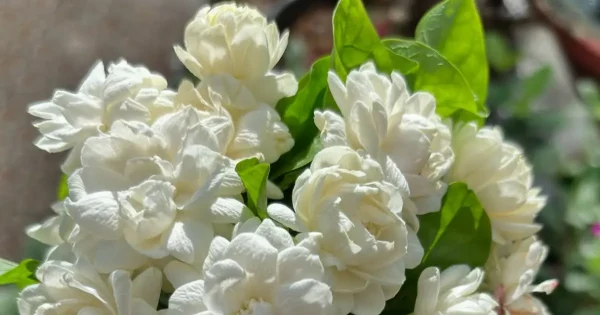
Top 7 Best Smelling Jasmine Varieties for a Heavenly Garden
Have you ever walked past a house and caught a scent so sweet you just [...]
Mar
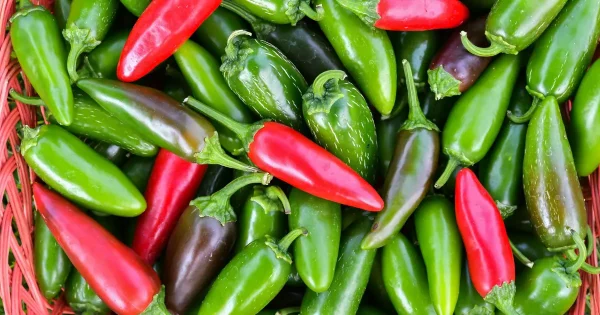
Master the Heat: 8 Expert Tips for Growing Jalapeños Like a Pro
Are you staring at your garden space, wondering why your pepper plants look more like [...]
Mar
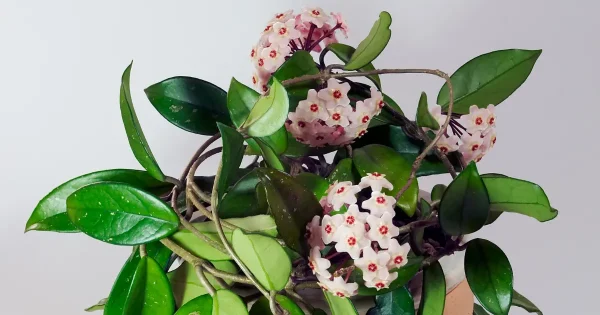
Top 5 Must-Have Hoya Varieties for Beginners
Hoyas are easily one of my top recommendations if you’re hunting for a low-maintenance houseplant [...]
Mar
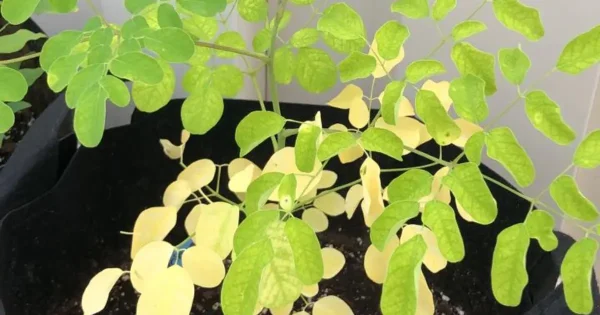
7 Moringa Plant Care Mistakes to Avoid for Healthy Growth
Have you ever looked at your Moringa tree and wondered why its once vibrant green [...]
Feb
How to Grow Potato Onions From True Seeds: A Step-by-Step Guide
Have you ever wondered how to grow potato onions from true seeds or why some [...]
Feb

Reviews
There are no reviews yet.