
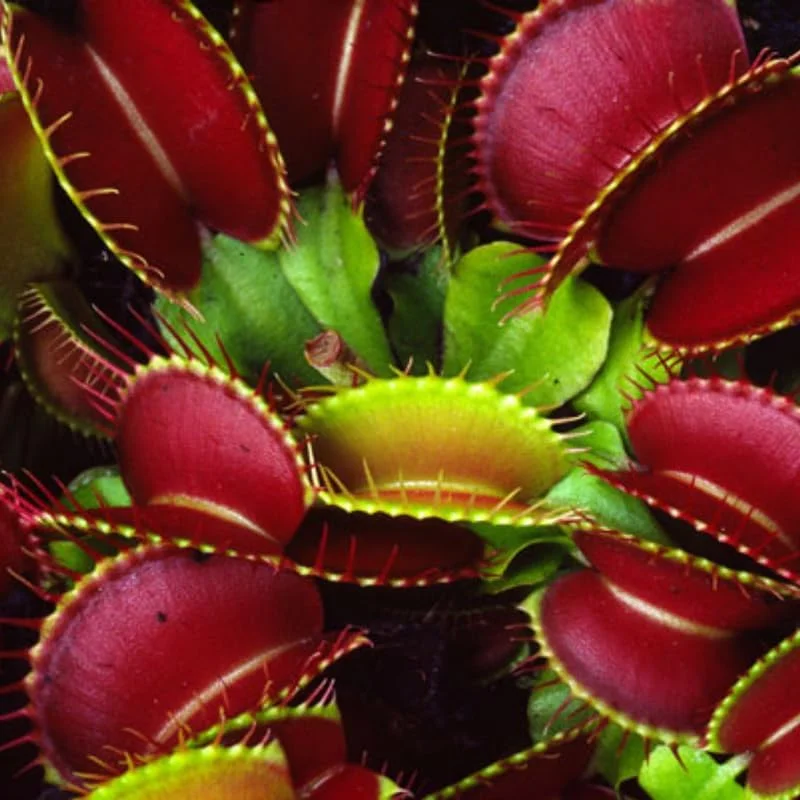

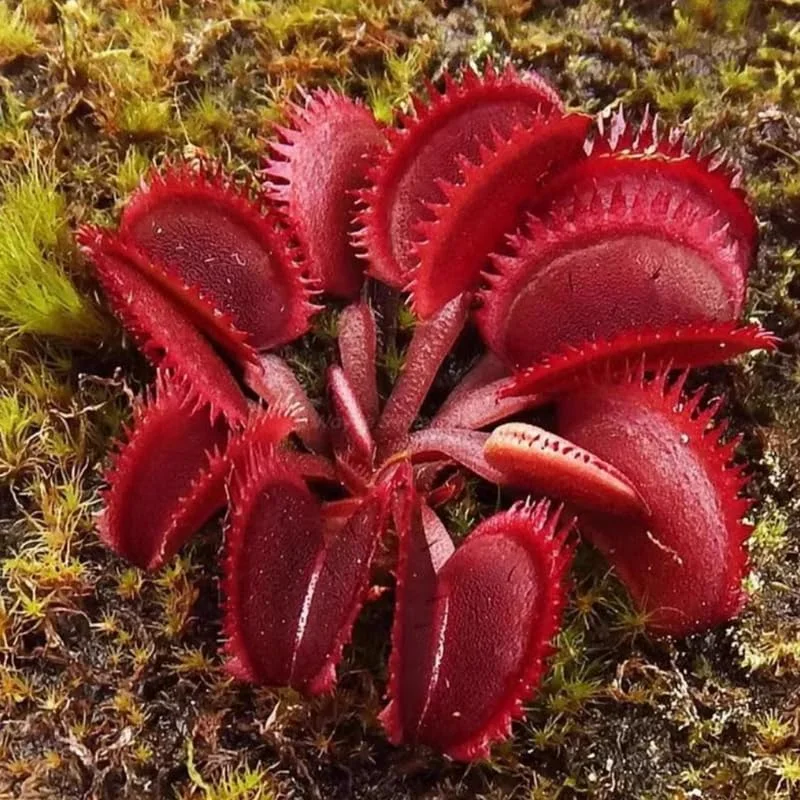
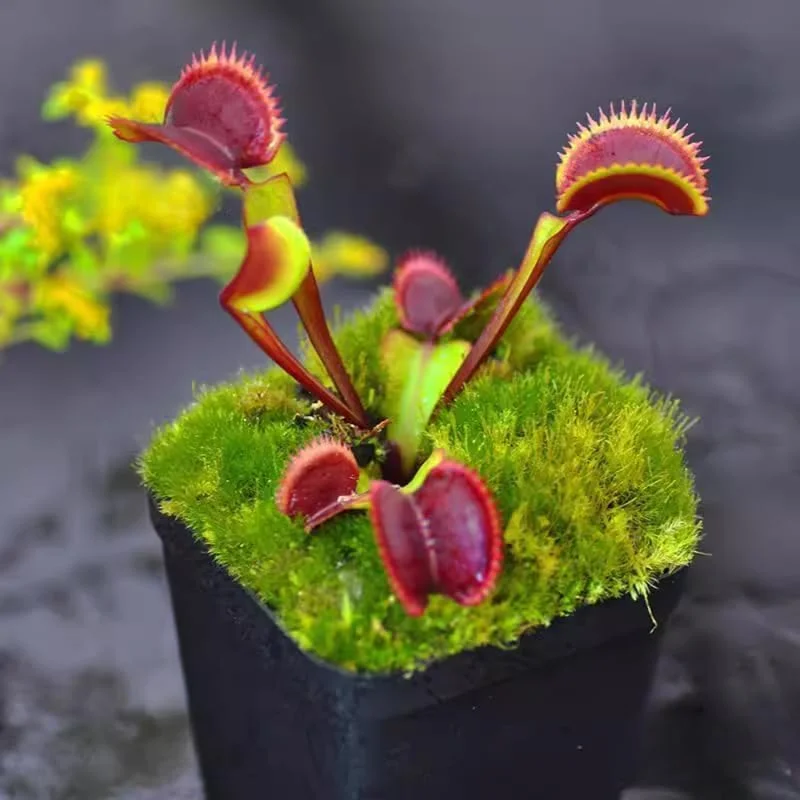


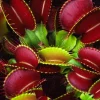
3 Red Venus Flytrap Live Plants – Short-Toothed Dionaea Muscipula Starter Plants
$19.99
Introduce natural pest control to your home with this 3-pack of vibrant red venus flytrap live plant specimens. These short-toothed red venus flytrap starter plants are perfect for beginners, offering both unique aesthetic appeal and an engaging educational experience. Enjoy observing the fascinating predatory behavior of these easy-to-care-for carnivorous plants for sale.
Shipping and Return policies:
We stand behind our plants with our Alive & Thrive Guarantee. If you experience any issues within the first 30 days, please email us, and our team will be happy to help. When needed, we’ll send you a one-time replacement free of charge to make sure your garden keeps growing strong.

Reasonable Price
We offer reasonable price

Support 24/7
Contact us 24 hrs a day
100% Money Back
You’ve 30 days to Return
Payment Secure
100% secure payment
Overview
Introducing our captivating 3-pack of red venus flytrap live plant specimens, a perfect choice for both novice gardeners and seasoned carnivorous plant enthusiasts. These unique plants, scientifically known as Dionaea muscipula, are renowned for their intriguing ability to catch insects, making them a fascinating addition to any home or garden. Each set includes three small, vibrant venus flytrap starter plants, ready to grow and display their impressive trapping mechanisms. Known for their distinct short-toothed traps, these particular flytraps showcase a beautiful reddish hue, adding a splash of color to your plant collection. They are not just decorative; they also serve as an engaging and natural form of pest control, making them a practical and aesthetically pleasing choice for various environments. Cultivating these plants offers a rewarding experience, as you observe their unique predatory behavior up close. This collection of carnivorous plants for sale provides an excellent opportunity to dive into the world of botanical wonders with a healthy red venus flytrap live plant.
Key Benefits
These remarkable red venus flytrap live plant specimens offer a multitude of benefits, enhancing your living space and providing an engaging horticultural experience. Their unique characteristics make them a standout choice for plant lovers:
- Natural Pest Control: Say goodbye to bothersome insects! These carnivorous plants for sale actively trap and consume small pests like flies, ants, and spiders, offering an eco-friendly and fascinating way to keep your home or garden clear of unwanted guests.
- Unique Aesthetic Appeal: The striking appearance of the short-toothed red venus flytrap, with its vibrant red traps and intricate structure, adds an exotic and conversation-starting element to any plant display. It’s a living piece of art that continuously changes.
- Educational and Engaging: Observing the trapping mechanism of the red venus flytrap live plant is an incredible educational experience for all ages. It provides a real-time lesson in botany and ecology, making it a perfect gift for curious minds.
- Easy to Grow for Beginners: Despite their exotic nature, these venus flytrap starter plants are surprisingly easy to care for, provided you understand their basic needs. They are resilient and forgiving, making them an excellent entry point into the world of carnivorous plants.
- Versatile Placement: Suitable for both indoor and outdoor environments, these plants can thrive on sunny windowsills, in terrariums, or as part of an outdoor bog garden. Their adaptability allows you to enjoy them in various settings.
- Promotes Biodiversity: By introducing these unique plants, you contribute to a more diverse and interesting ecosystem in your immediate surroundings, fostering a greater appreciation for the natural world.
- Stress-Reducing Hobby: Gardening, especially with such unique specimens, can be a therapeutic and calming activity. Watching your red venus flytrap live plant grow and thrive offers a sense of accomplishment and connection to nature.
Plant Care & Growing Tips
Caring for your red venus flytrap live plant is straightforward once you understand its specific requirements. These carnivorous beauties thrive when their natural habitat conditions are replicated. The most crucial elements are sunlight, water quality, and appropriate soil. Your venus flytrap starter plants will flourish with consistent attention to these details, developing strong, vibrant traps.
Sunlight: Venus Flytraps require abundant bright sunlight to develop healthy, red traps. Aim for at least 4-6 hours of direct sunlight per day. If grown indoors, a south-facing window is ideal. Alternatively, strong grow lights can be used to supplement light, especially during shorter winter days. Insufficient light will result in pale, weak traps and reduced growth. For outdoor cultivation, choose a spot that receives full sun for most of the day.
Watering: The most critical aspect of dionaea muscipula care is using the correct water. Always use distilled water, rainwater, or reverse osmosis water. Tap water, even filtered, contains minerals that can harm and eventually kill your plant. Keep the soil consistently moist, but not waterlogged. A common method is to place the pot in a tray of water (about 1 inch deep) and allow the plant to soak it up from the bottom. Refill the tray when it’s almost dry. During dormancy in winter, reduce watering slightly but never let the soil dry out completely. Proper watering is key for any carnivorous plants for sale.
Soil: Venus Flytraps require nutrient-poor, acidic soil. A mixture of sphagnum peat moss and perlite (50/50 or 1:1 ratio) is ideal. Do not use standard potting soil, as it contains fertilizers and minerals that are detrimental to the plant’s health. The soil should be well-draining yet retain moisture. Repotting is typically needed every 1-2 years, preferably in early spring before new growth begins.
Temperature and Humidity: These plants prefer moderate temperatures, generally between 60-95°F (15-35°C) during the growing season. They can tolerate higher temperatures if humidity is adequate. While they appreciate high humidity, it’s not strictly necessary if other conditions (light and water) are met. They are hardy in USDA zones 7-10 for outdoor growing, requiring a cold dormancy period in winter. During dormancy (late fall to early spring), temperatures should ideally drop to 35-55°F (2-13°C).
Feeding: Do not fertilize your Venus Flytrap. They obtain nutrients from the insects they catch. If grown indoors and not catching enough insects, you can occasionally feed them a small, live insect (like a fly or ant) no larger than one-third the size of the trap. Avoid feeding them meat or dead insects, as the traps need live stimulation to seal properly and digest. Do not manually trigger traps, as this wastes the plant’s energy.
Size & Details
This offering includes 3 short-toothed red venus flytrap live plants, provided as healthy venus flytrap starter plants. Each plant is typically small upon arrival, perfect for establishing in your chosen environment. They are shipped as live plants, carefully packaged to ensure their safe journey to your home. While specific dimensions can vary slightly due to natural growth, these are young specimens ready to be nurtured into mature, active insect predators. Expect them to arrive in a condition suitable for immediate planting into appropriate carnivorous plant soil. With proper care, these starter plants will gradually grow, developing larger and more numerous traps, showcasing the vibrant red coloration that makes this variety so sought after. They are well-suited for terrariums, small pots on windowsills, or integrated into an outdoor bog garden, offering flexibility in how you choose to display and care for your new red venus flytrap live plant collection.
Frequently Asked Questions
- Q: How big does this red venus flytrap live plant get? A: As starter plants, they are small upon arrival. With proper care, a mature Venus Flytrap can grow to be about 4-6 inches in diameter, with individual traps reaching up to 1-1.5 inches in length, especially for the short-toothed red venus flytrap variety.
- Q: What size pot does it come in? A: These venus flytrap starter plants are typically shipped in small nursery pots or bare-rooted, ready for you to transplant them into a 3-4 inch pot filled with appropriate carnivorous plant soil upon arrival.
- Q: Is this an indoor or outdoor plant? A: Venus Flytraps can thrive both indoors and outdoors. Indoors, they need a very sunny windowsill or grow lights. Outdoors, they do well in bog gardens or pots in full sun. They require a winter dormancy period, which is easier to manage outdoors or in a cool, unheated space.
- Q: How much sunlight does it need? A: For optimal health and vibrant trap coloration, your red venus flytrap live plant needs at least 4-6 hours of direct sunlight daily. More sun often leads to stronger plants and deeper red hues.
- Q: Is this plant easy to care for? Is it good for beginners? A: Yes, Venus Flytraps are considered relatively easy to care for, making them good for beginners, provided their specific needs for distilled water and sunlight are met. Understanding basic dionaea muscipula care is key.
- Q: What condition will it arrive in? A: Your carnivorous plants for sale will arrive as healthy, live starter plants, carefully packaged to minimize stress during transit. Some minor wilting or trap closure might occur, but they typically recover quickly with proper care.
- Q: Is it shipped in soil? A: Depending on the shipping method, they may arrive in a small amount of damp sphagnum moss or bare-rooted. It’s always best to have your carnivorous plant soil mix ready for immediate potting.
- Q: When is the best time to plant? A: The best time to plant or repot your red venus flytrap live plant is in the spring, just as it’s emerging from dormancy and beginning its active growth phase.
- Q: Will it survive winter in my zone? A: Venus Flytraps are hardy in USDA zones 7-10 and require a cold dormancy period. In colder zones (below 7), they will need protection or to be overwintered indoors in a cool, unheated space.
- Q: What’s the minimum temperature it can tolerate? A: During their winter dormancy, Venus Flytraps can tolerate temperatures down to about 20°F (-6°C) for short periods, but ideally, they should be kept between 35-55°F (2-13°C) during this time.
- Q: How often should I feed my Venus Flytrap? A: If grown outdoors, they will catch their own food. Indoors, you can feed a small, live insect every 2-4 weeks during the growing season. Do not overfeed, as each trap has a limited number of closures before it dies.
Be the first to review “3 Red Venus Flytrap Live Plants – Short-Toothed Dionaea Muscipula Starter Plants”
You must be logged in to post a review.
People also Viewed
Sold 50 products
Original price was: $28.58.$19.99Current price is: $19.99.
Sold 50 products
$32.39
Sold 50 products
$21.59
Sold 50 products
$35.99
Sold 50 products
Price range: $23.15 through $25.19
Sold 50 products
$38.39
Sold 50 products
Price range: $28.79 through $35.99
Sold 50 products
$26.39RELATED posts
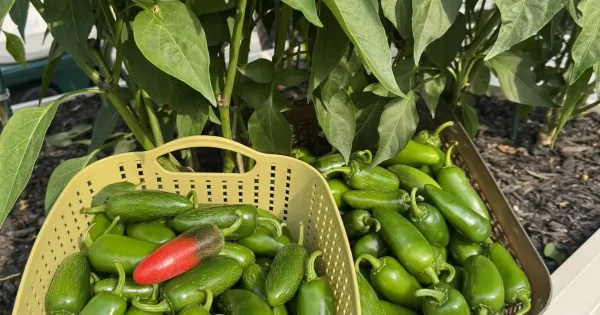
How to Grow Jalapeño Peppers From Seeds: A Step-by-Step Guide
Ready to spice things up in your garden? Jalapeños are the true life of the [...]
Apr
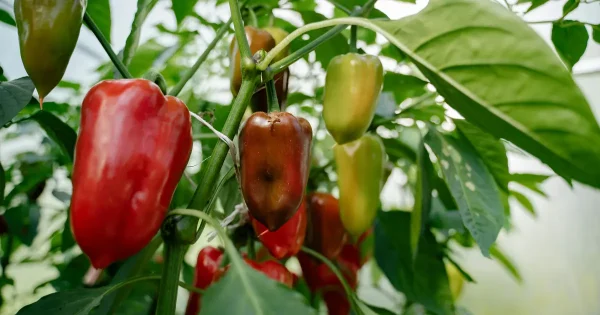
Top 12 Best Types of Peppers to Grow in Your Garden: Easy and High Yield
Growing peppers is, quite honestly, one of the biggest “wins” you can have in a [...]
Apr
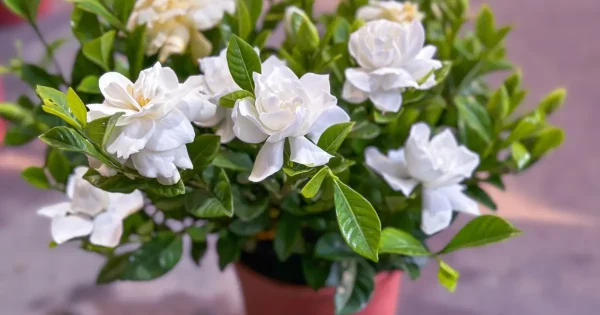
Frostproof Jasmine Care: 7 Tips for Successful Pot Growth
Most gardenias are known for being “divas.” They want perfect humidity, perfect soil, and they [...]
Mar
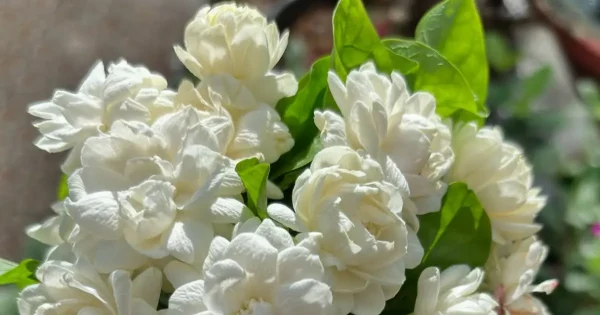
Top 7 Best Smelling Jasmine Varieties for a Heavenly Garden
Have you ever walked past a house and caught a scent so sweet you just [...]
Mar
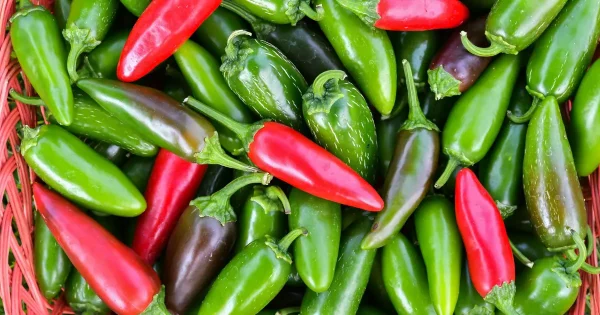
Master the Heat: 8 Expert Tips for Growing Jalapeños Like a Pro
Are you staring at your garden space, wondering why your pepper plants look more like [...]
Mar
Top 5 Must-Have Hoya Varieties for Beginners
Hoyas are easily one of my top recommendations if you’re hunting for a low-maintenance houseplant [...]
Mar
7 Moringa Plant Care Mistakes to Avoid for Healthy Growth
Have you ever looked at your Moringa tree and wondered why its once vibrant green [...]
Feb
How to Grow Potato Onions From True Seeds: A Step-by-Step Guide
Have you ever wondered how to grow potato onions from true seeds or why some [...]
Feb

Reviews
There are no reviews yet.