

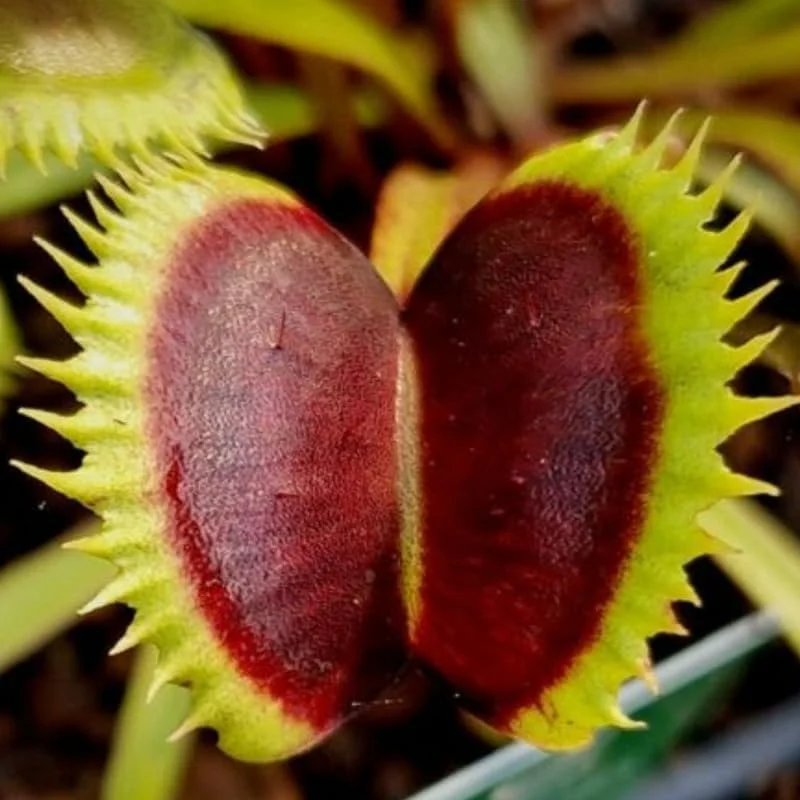
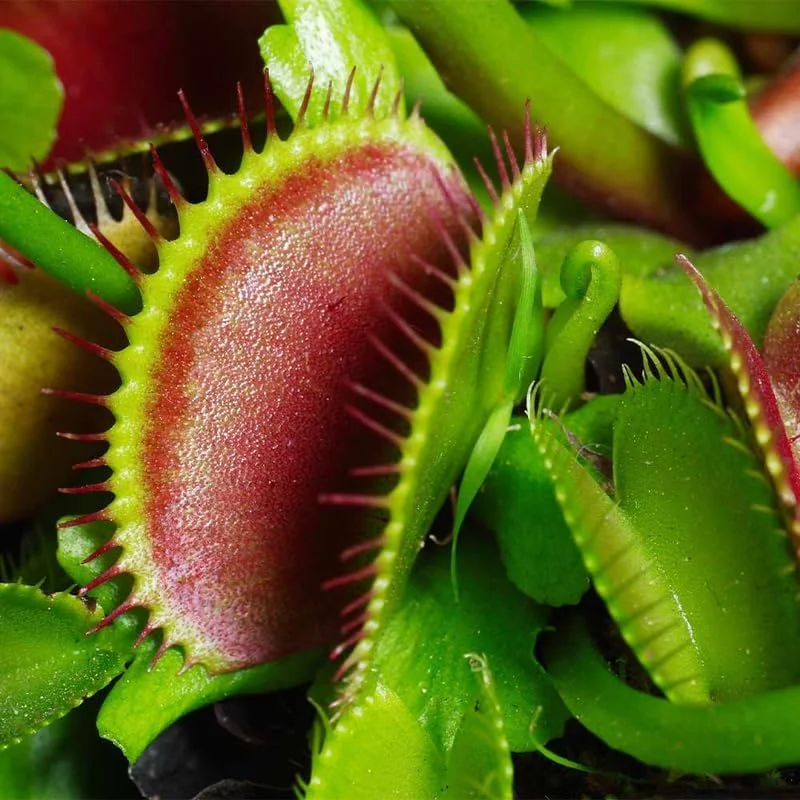
3 Live King Venus Fly Trap Plants – Indoor/Outdoor Carnivorous Plant, Zones 8-10
$28.99
Introduce the extraordinary with our 3 live Venus fly trap plants, featuring the impressive ‘King’ cultivar. These captivating live carnivorous plants are renowned for their hinged traps, offering natural insect control indoors or outdoors. Perfect for enthusiasts and beginners.
Shipping and Return policies:
We stand behind our plants with our Alive & Thrive Guarantee. If you experience any issues within the first 30 days, please email us, and our team will be happy to help. When needed, we’ll send you a one-time replacement free of charge to make sure your garden keeps growing strong.

Reasonable Price
We offer reasonable price

Support 24/7
Contact us 24 hrs a day
100% Money Back
You’ve 30 days to Return
Payment Secure
100% secure payment
Overview
Introduce a touch of the extraordinary to your home or garden with our collection of 3 live Venus fly trap plants, specifically the impressive ‘King’ cultivar. These captivating live carnivorous plants, scientifically known as Dionaea muscipula, are renowned for their iconic, hinged traps that snap shut to capture unsuspecting insects. Each plant is a starter specimen, ready to establish itself in your chosen environment, whether indoors on a sunny windowsill or outdoors in a bog garden. The King Venus flytrap is celebrated for its robust growth and larger-than-average traps, making it a particularly striking and effective natural solution for indoor pest control plants. These unique plants not only serve a practical purpose but also offer an endless source of fascination and conversation. Our Dionaea muscipula specimens are carefully cultivated to ensure they arrive healthy and ready to grow, providing you with a thriving example of nature’s ingenuity. They are perfect for enthusiasts and beginners alike who are eager to explore the world of carnivorous flora.
Key Benefits
Our 3 live Venus fly trap plants offer a range of unique benefits that make them an excellent addition to any plant collection. Their captivating nature and practical uses set them apart from traditional houseplants.
- Natural Insect Control: These live carnivorous plants are highly effective at catching small flying insects like flies, gnats, and mosquitoes, providing a natural and chemical-free way to manage pests in your home or garden. They are excellent indoor pest control plants.
- Educational and Fascinating: Observing the Venus flytrap’s trapping mechanism is an endlessly fascinating experience, making it an excellent educational tool for children and adults interested in botany and nature.
- Unique Aesthetic Appeal: With their vibrant colors and distinctive trap structures, these plants add an exotic and striking visual element to any indoor or outdoor plant display. The ‘King’ cultivar is particularly noted for its impressive size and dramatic appearance.
- Low Maintenance Once Established: Despite their exotic appearance, King Venus flytrap care is relatively straightforward once you understand their specific needs, making them suitable for busy plant lovers.
- Versatile Growing Options: Suitable for both indoor cultivation in bright, humid environments and outdoor bog gardens in appropriate climates, offering flexibility in how you choose to display your Venus fly trap plants.
- Promotes Biodiversity: Adding unique plants like the Dionaea muscipula to your garden can contribute to a more diverse and interesting ecosystem.
Plant Care & Growing Tips
Proper King Venus flytrap care is crucial for the health and longevity of your 3 live Venus fly trap plants. While they have specific requirements, they are not overly difficult to grow once you understand their needs. The most important factors are water quality, light, and soil.
Sunlight Requirements: These live carnivorous plants thrive in bright light. For outdoor planting, full sun (at least 6-8 hours of direct sunlight) is ideal. If growing indoors, place them in your brightest window, preferably south-facing, or under a grow light. Insufficient light will lead to weak growth and traps that don’t color up or function properly. Rotate your plants occasionally to ensure even light exposure.
Watering Schedule and Soil Moisture: Venus fly trap plants require consistently moist soil, but never standing in water for extended periods. The most critical aspect of watering is using distilled water, rainwater, or reverse osmosis water. Tap water, even filtered tap water, contains minerals that will build up in the soil and eventually kill the plant. Keep the soil perpetually damp, often by placing the pot in a tray with about an inch of water, allowing the plant to wick up moisture from the bottom. During dormancy in winter, reduce watering but do not let the soil dry out completely.
Soil Type and Drainage: Venus flytraps need a very specific, nutrient-poor soil mix. A common and effective mix is a 50/50 blend of peat moss (without added fertilizers) and perlite or horticultural sand. Do not use regular potting soil, compost, or garden soil, as their nutrient content and drainage properties are detrimental to these plants. Good drainage is essential, even though they prefer moist conditions; the soil should be airy enough to prevent root rot.
Temperature Range and USDA Hardiness Zone: These plants are hardy in USDA Zones 8-10, meaning they can tolerate mild winters outdoors in these regions. In colder zones, they must be brought indoors for winter dormancy. During the growing season, they prefer temperatures between 65-95°F (18-35°C). They require a winter dormancy period of 3-5 months at temperatures between 35-50°F (2-10°C) for long-term health. This dormancy is crucial for proper King Venus flytrap care and ensures the plant will thrive in subsequent growing seasons.
Fertilization: Do NOT fertilize Venus flytraps. They obtain all necessary nutrients from the insects they catch. Fertilizers will burn their roots and kill the plant. If your plant is not catching enough insects naturally, you can occasionally feed it a small, live insect (like a housefly) by placing it inside an open trap. Avoid feeding processed meats or large insects that could rot in the trap.
Common Problems and Solutions: Yellowing leaves often indicate overwatering with tap water or insufficient light. Ensure you are using proper water and providing ample sunlight. Traps turning black are normal as old traps die off, but if many traps are dying rapidly, it could be a sign of stress from improper conditions. Keep an eye out for pests like aphids or mealybugs, though they are less common on carnivorous plants. Address any issues promptly to maintain healthy live Venus fly trap plants.
Size & Details
Each order includes 3 live Venus fly trap plants, specifically the popular ‘King’ cultivar. These are starter plants, typically arriving in 2-inch nursery pots, ready for transplanting into a larger container or a suitable bog garden. While exact sizes may vary slightly upon arrival due to natural growth and shipping, you can expect healthy, actively growing specimens with several developing traps. The ‘King’ cultivar is known for its potential to grow larger than other Venus flytrap varieties, with mature traps often reaching 1-2 inches in length. With proper King Venus flytrap care, these plants will steadily grow and establish themselves, developing into robust specimens within a few months. They are shipped carefully to ensure they arrive in excellent condition, often with their roots protected in a small amount of their specialized growing medium. Expect these live carnivorous plants to exhibit vibrant coloration and active traps once they acclimate to their new environment.
Frequently Asked Questions
- Q: How big does this plant get? A: The King cultivar of Venus flytrap is known for its larger size. While these are starter plants, mature traps can reach 1-2 inches in length, and the entire plant can spread several inches wide with proper King Venus flytrap care.
- Q: What size pot does it come in? A: These 3 live Venus fly trap plants typically arrive in 2-inch nursery pots, ready for you to transplant them into a larger container, ideally 4-6 inches in diameter, or directly into a bog garden.
- Q: Is this an indoor or outdoor plant? A: These live carnivorous plants can thrive both indoors and outdoors. They require bright light, making them suitable for sunny windowsills or outdoor bog gardens in USDA Zones 8-10.
- Q: How much sunlight does it need? A: Venus fly trap plants need abundant sunlight, ideally 6-8 hours of direct sun daily. If grown indoors, a south-facing window or a strong grow light is recommended to ensure healthy growth and trap coloration.
- Q: Is this plant easy to care for? Is it good for beginners? A: Yes, with an understanding of their specific needs, Venus flytraps are relatively easy to care for and are often recommended for beginners interested in Dionaea muscipula. The most important aspects are using distilled water and providing plenty of light.
- Q: What condition will it arrive in? A: Your 3 live Venus fly trap plants will be carefully packaged to ensure they arrive healthy and in good condition, often with their roots protected in a specialized growing medium. Some leaves may be stressed from transit, but they should recover quickly.
- Q: How long until it blooms? A: Venus flytraps typically bloom in late spring to early summer, producing a tall stalk with small white flowers. While interesting, many growers choose to cut the flower stalk to conserve the plant’s energy for trap growth.
- Q: Will it survive winter in my zone? What’s the minimum temperature? A: These plants are hardy in USDA Zones 8-10 and require a winter dormancy period at temperatures between 35-50°F (2-10°C). In colder zones, they must be brought indoors and kept in a cool, dormant state.
- Q: Can I feed my live Venus fly trap plants tap water? A: No, you must only use distilled water, rainwater, or reverse osmosis water. Tap water contains minerals that are harmful to Venus flytraps and will eventually kill them.
- Q: Are these plants effective as indoor pest control plants? A: Absolutely! While they won’t eliminate a severe infestation, they are very effective at catching small flying insects like gnats and flies, helping to keep your indoor environment clearer of common pests.
| Style | B52, King, Random |
|---|
Be the first to review “3 Live King Venus Fly Trap Plants – Indoor/Outdoor Carnivorous Plant, Zones 8-10”
You must be logged in to post a review.
People also Viewed
Sold 50 products
Original price was: $28.58.$19.99Current price is: $19.99.
Sold 50 products
$32.39
Sold 50 products
$21.59
Sold 50 products
$35.99
Sold 50 products
Price range: $23.15 through $25.19
Sold 50 products
$38.39
Sold 50 products
Price range: $28.79 through $35.99
Sold 50 products
$26.39RELATED posts
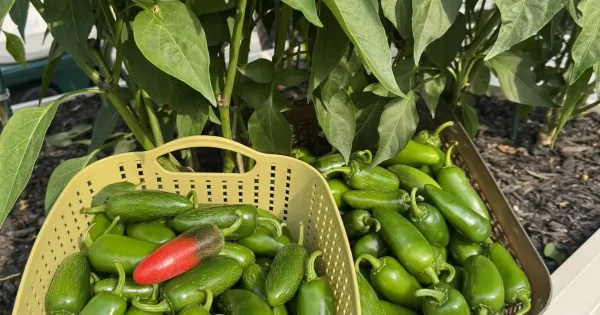
How to Grow Jalapeño Peppers From Seeds: A Step-by-Step Guide
Ready to spice things up in your garden? Jalapeños are the true life of the [...]
Apr
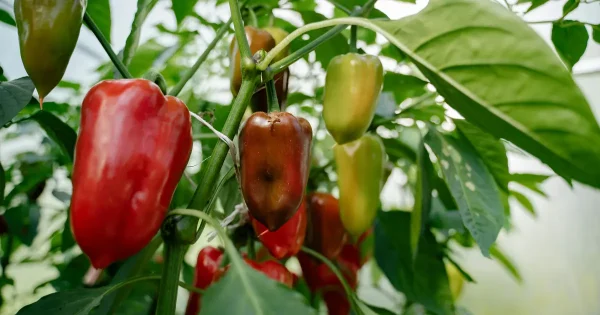
Top 12 Best Types of Peppers to Grow in Your Garden: Easy and High Yield
Growing peppers is, quite honestly, one of the biggest “wins” you can have in a [...]
Apr
Frostproof Jasmine Care: 7 Tips for Successful Pot Growth
Most gardenias are known for being “divas.” They want perfect humidity, perfect soil, and they [...]
Mar
Top 7 Best Smelling Jasmine Varieties for a Heavenly Garden
Have you ever walked past a house and caught a scent so sweet you just [...]
Mar
Master the Heat: 8 Expert Tips for Growing Jalapeños Like a Pro
Are you staring at your garden space, wondering why your pepper plants look more like [...]
Mar
Top 5 Must-Have Hoya Varieties for Beginners
Hoyas are easily one of my top recommendations if you’re hunting for a low-maintenance houseplant [...]
Mar
7 Moringa Plant Care Mistakes to Avoid for Healthy Growth
Have you ever looked at your Moringa tree and wondered why its once vibrant green [...]
Feb
How to Grow Potato Onions From True Seeds: A Step-by-Step Guide
Have you ever wondered how to grow potato onions from true seeds or why some [...]
Feb

Reviews
There are no reviews yet.