
3 Lemon Balm Live Plants, 4-5 Inch Tall Herb Plant, Outdoor Garden Ready
Original price was: $51.98.$46.78Current price is: $46.78.
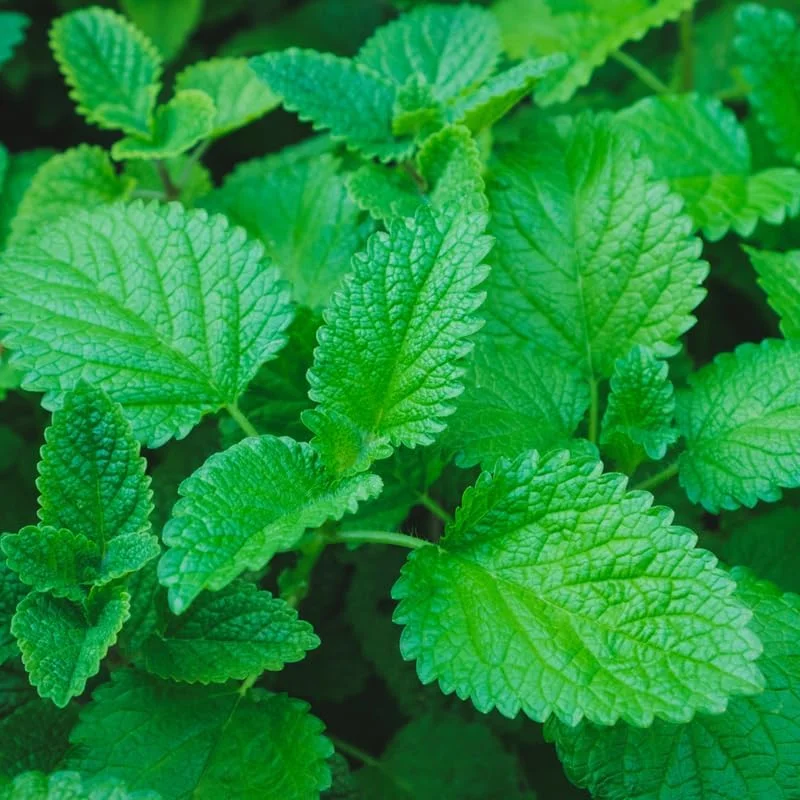
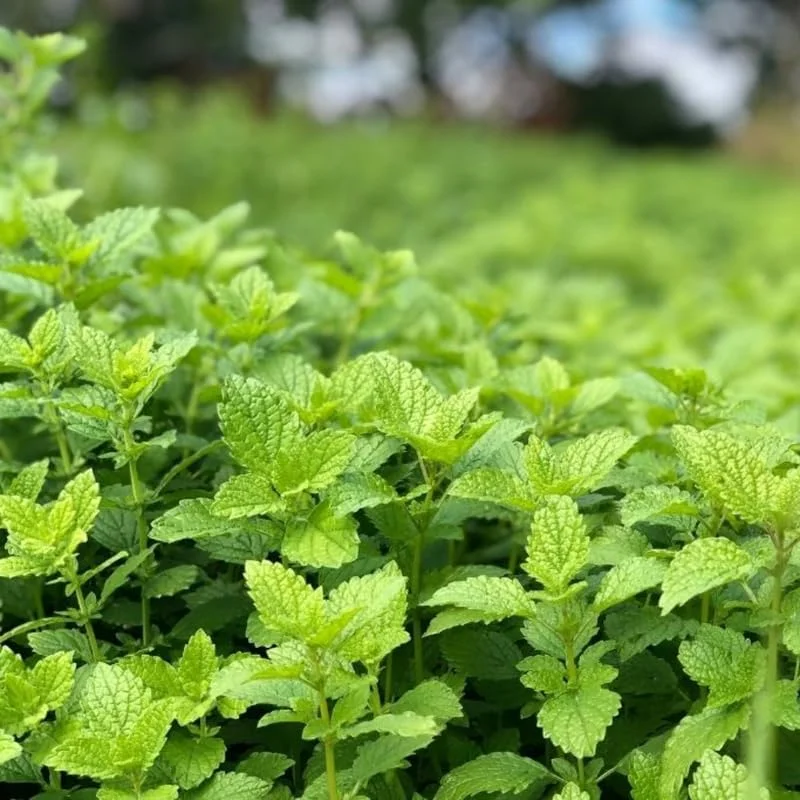
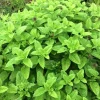
Bring the refreshing scent and flavor of lemon balm live plant to your home or garden. This set includes three healthy, fresh lemon balm herb plants, each 4 to 5 inches tall, ready for immediate planting. Ideal for both culinary use and its calming aroma.
Shipping and Return policies:
We stand behind our plants with our Alive & Thrive Guarantee. If you experience any issues within the first 30 days, please email us, and our team will be happy to help. When needed, we’ll send you a one-time replacement free of charge to make sure your garden keeps growing strong.

Reasonable Price
We offer reasonable price

Support 24/7
Contact us 24 hrs a day
100% Money Back
You’ve 30 days to Return
Payment Secure
100% secure payment
Overview
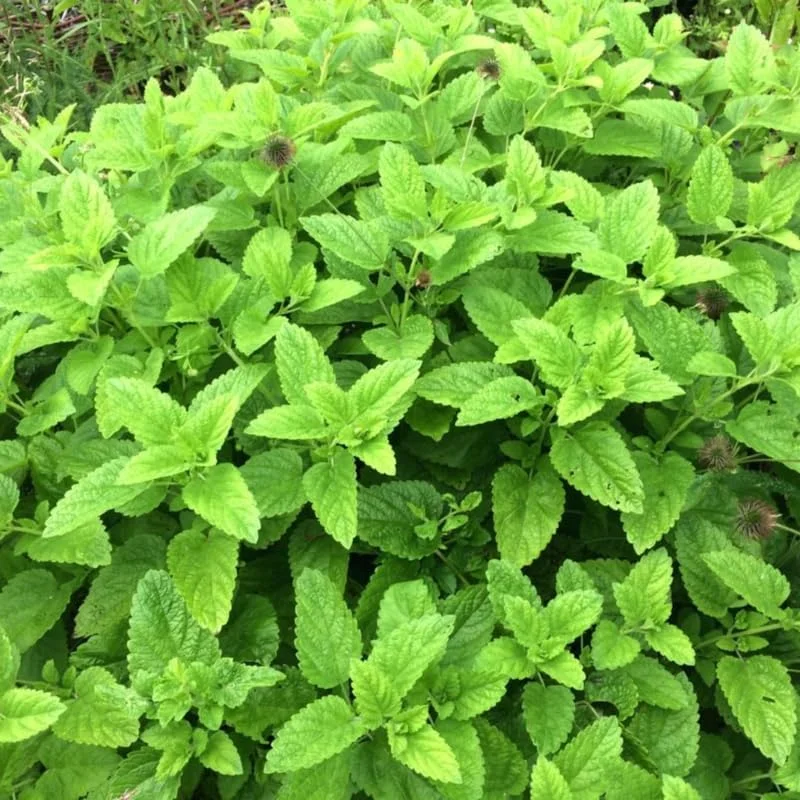
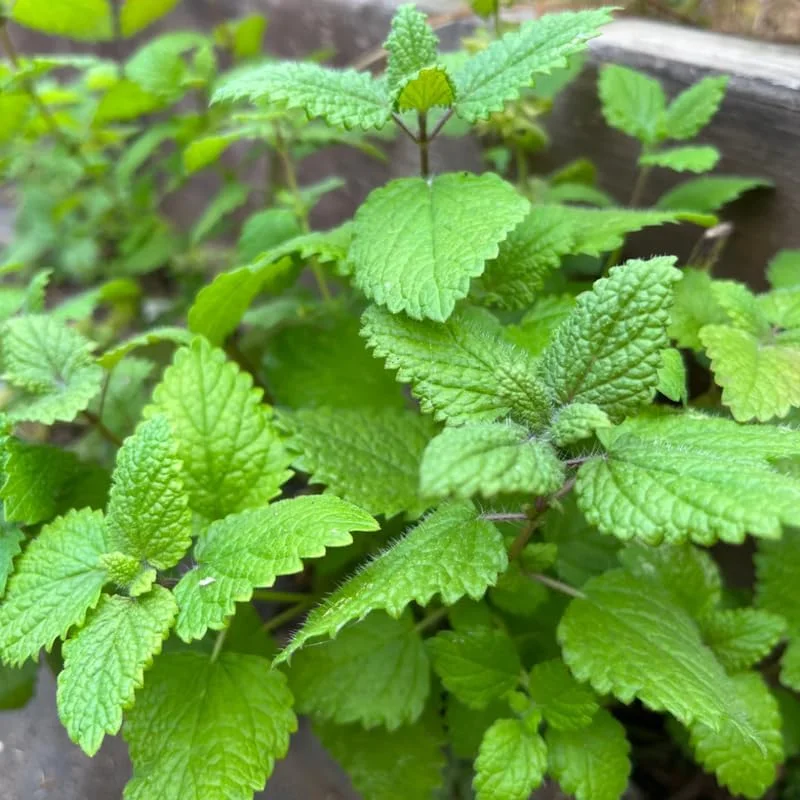
Discover the joy of growing your own herbs with this set of three vibrant lemon balm live plant specimens. Melissa officinalis, commonly known as lemon balm, is a beloved perennial herb celebrated for its delightful citrusy fragrance and versatile uses. Each of these healthy live plants measures approximately 4 to 5 inches tall, making them perfectly sized for transplanting into your garden, herb bed, or containers. Whether you’re a seasoned gardener or just starting, these fresh lemon balm plants offer an easy and rewarding growing experience. They thrive in various settings, bringing a touch of green and a refreshing aroma wherever they are placed.
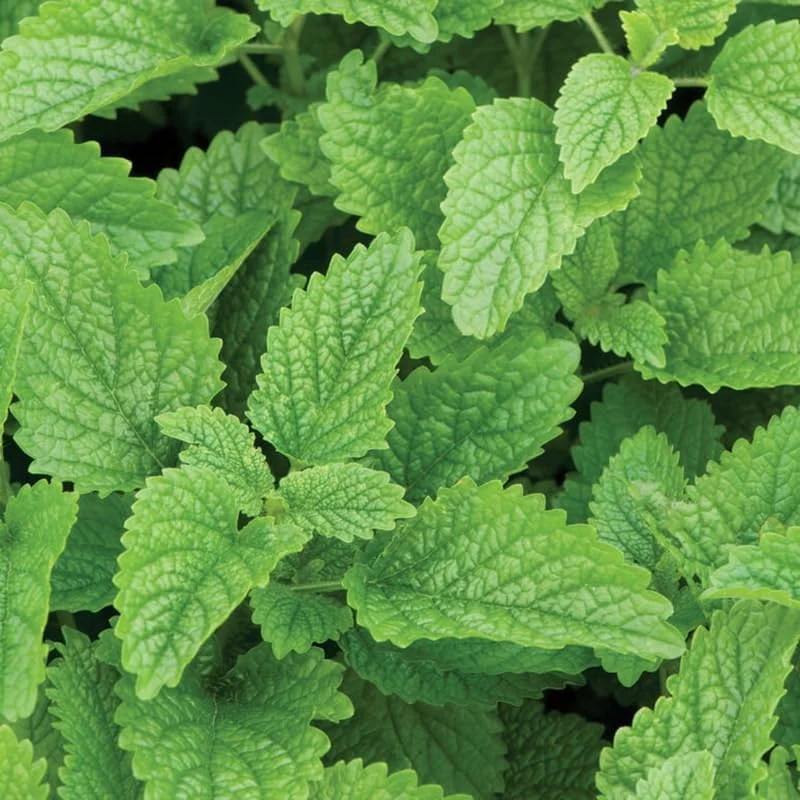
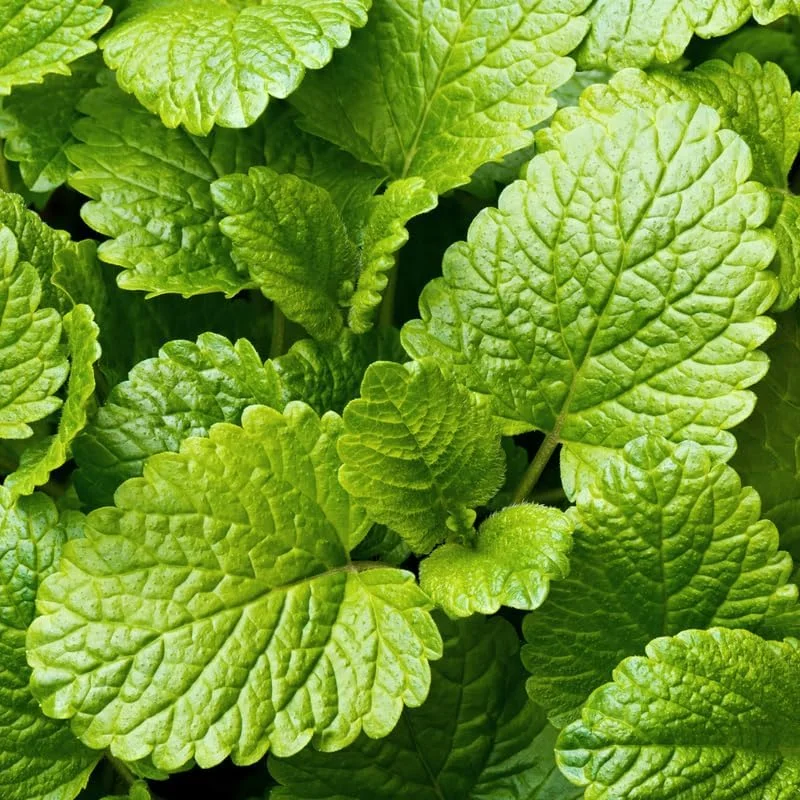
Lemon balm is a member of the mint family and is renowned for its aromatic leaves, which are often used in teas, culinary dishes, and even aromatherapy. Its bright green foliage and delicate white to pale yellow flowers add a charming aesthetic to any space. This collection provides you with multiple plants, ensuring you’ll have an abundant supply of this wonderful herb for all your needs. Experience the satisfaction of nurturing a plant that offers both beauty and utility, making it a fantastic addition to any home or garden setting.
Key Benefits
These lemon balm live plant specimens offer a multitude of advantages for both the home gardener and enthusiast:
-
Aromatic & Culinary Delight: Enjoy the distinct, refreshing lemon scent and flavor that lemon balm provides. Its leaves are perfect for brewing soothing herbal teas, infusing drinks, or adding a citrusy zest to salads, desserts, and poultry dishes. Having a fresh supply of lemon balm herb readily available elevates your culinary creations.
-
Easy to Grow & Maintain: Lemon balm is known for its resilience and adaptability, making it an excellent choice for gardeners of all skill levels. It requires minimal fuss once established, thriving with basic care and providing a bountiful harvest.
-
Attracts Pollinators: The small, unassuming flowers of lemon balm are a magnet for bees and other beneficial pollinators, helping to support local ecosystems and improve the productivity of other plants in your garden.
-
Versatile Garden Addition: These plants are suitable for a wide range of planting locations. They can be grown in garden beds, used as an attractive border plant, or cultivated in pots on patios and balconies, bringing their charm to any outdoor space.
-
Natural Repellent Properties: The strong citrus scent of lemon balm is often cited for its ability to naturally deter certain insects, making your outdoor areas more enjoyable.
-
Wellness & Relaxation: Beyond its culinary uses, fresh lemon balm is traditionally valued for its calming properties. Many enjoy its scent and taste for relaxation and stress relief, making it a truly beneficial plant to have around.
-
Robust & Ready to Plant: You receive three healthy, established plants, ensuring a higher success rate for transplanting and a quicker start to enjoying your fresh herbs.
Plant Care & Growing Tips
To ensure your lemon balm live plant thrives, understanding its basic care requirements is essential. Lemon balm is a relatively forgiving herb, but providing optimal conditions will lead to lush growth and abundant harvests. It prefers a location with partial sun, meaning it should receive about 4-6 hours of direct sunlight per day, ideally in the morning, with some afternoon shade to protect it from intense heat. While it can tolerate full sun in cooler climates, too much direct sun in hot regions can scorch its leaves. For those looking to grow lemon balm indoors, place it near a window that receives bright, indirect light.
When it comes to watering, lemon balm needs moderate moisture. The soil should be kept consistently damp but not waterlogged. Allow the top inch of soil to dry out slightly between waterings. Overwatering can lead to root rot, so good drainage is crucial. The ideal soil type is a well-draining sandy loam, rich in organic matter. If planting in containers, use a high-quality potting mix with good drainage. Lemon balm is quite adaptable to different soil pH levels, generally preferring slightly acidic to neutral conditions (pH 6.0-7.0).
This hardy perennial is generally suitable for USDA zones 4-9, tolerating a wide range of temperatures. In colder zones, it may die back in winter but often reemerges vigorously in spring. Fertilization is usually not heavily required; a balanced, all-purpose liquid fertilizer applied sparingly in spring and mid-summer is sufficient if growth appears slow. Regular harvesting of the leaves encourages bushier growth and prevents the plant from flowering too early, which can reduce leaf flavor. Pruning back spent flower stalks will also encourage new leaf production and prevent self-seeding, which can sometimes be aggressive. Learning about proper lemon balm plant care will ensure a thriving and productive herb garden.
Size & Details
This offering includes three individual lemon balm live plant specimens, each carefully nurtured to arrive healthy and ready for planting. Each plant stands approximately 4 to 5 inches tall from the base of the soil to the tip of its foliage, providing a robust start for your garden or container. The plants are shipped in their nursery pots, ensuring their root systems are intact and protected during transit. Lemon balm typically exhibits a moderate to fast growth rate, especially in favorable conditions, and can quickly fill out its designated space. When mature, a single lemon balm plant can reach heights of 18 to 24 inches and spread equally wide, forming a bushy, attractive mound of fragrant foliage. Expect these plants to establish quickly after transplanting, beginning to produce new growth within a few weeks. They are ideal for immediate planting upon arrival, whether you choose to plant them directly in the ground or in decorative containers.
Frequently Asked Questions
-
Q: How big will these lemon balm plants get? A: Each lemon balm live plant is currently 4 to 5 inches tall. With proper care, they can grow to a mature size of 18 to 24 inches in height and spread, forming a dense, bushy herb.
-
Q: Is this an indoor or outdoor plant? A: Lemon balm is versatile and can be grown both indoors and outdoors. It thrives outdoors in garden beds or containers in partial sun. Indoors, place it in a bright spot with indirect light, ensuring good air circulation.
-
Q: How much sunlight does this lemon balm need? A: For optimal growth, your lemon balm herb prefers partial sun, which means about 4-6 hours of direct sunlight daily, ideally morning sun. In hotter climates, some afternoon shade is beneficial to prevent leaf scorching.
-
Q: Is this plant easy to care for? A: Yes, lemon balm is known for being a very easy-to-care-for herb, making it suitable for beginners. It’s resilient and adaptable, requiring consistent moisture and moderate sunlight.
-
Q: What condition will the plants arrive in? A: Your fresh lemon balm plants will arrive healthy and well-rooted in their nursery pots, carefully packaged to minimize stress during transit. They will be ready for immediate planting upon arrival.
-
Q: When is the best time to plant lemon balm? A: The best times to plant lemon balm are in spring or fall. However, since these are live, established plants, they can be planted in summer as well, provided they receive adequate water and care during establishment.
-
Q: Can I use the leaves for tea right away? A: Yes, once your lemon balm live plant has settled into its new environment and shows signs of new growth, you can begin to gently harvest leaves for tea and culinary uses. Regular harvesting encourages further growth.
-
Q: What kind of soil is best for lemon balm? A: Lemon balm thrives in well-draining soil that is rich in organic matter. A sandy loam is ideal, but a good quality potting mix with excellent drainage is perfect for container growing.
-
Q: How can I prevent lemon balm from spreading too much? A: Lemon balm can spread via seeds and runners. To manage its spread, consider planting it in containers or regularly harvesting and pruning to prevent it from going to seed. Deadheading flowers also helps contain it.
-
Q: Is lemon balm safe for pets? A: Lemon balm is generally considered non-toxic to pets like cats and dogs. However, as with any plant, it’s best to monitor your pets to ensure they don’t consume large quantities, which could cause mild stomach upset.
Be the first to review “3 Lemon Balm Live Plants, 4-5 Inch Tall Herb Plant, Outdoor Garden Ready”
You must be logged in to post a review.
People also Viewed
Sold 50 products
Original price was: $17.58.$11.86Current price is: $11.86.
Sold 50 products
Price range: $32.99 through $35.99
Sold 50 products
$69.99
Sold 50 products
$18.99
Sold 50 products
Price range: $14.98 through $23.89
Sold 50 products
$32.99
Sold 50 products
$24.99
Sold 50 products
Price range: $43.99 through $44.99RELATED posts
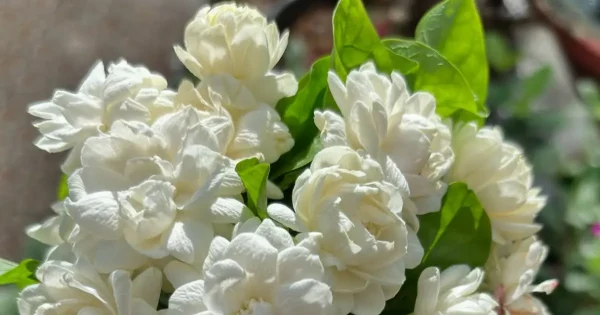
Top 7 Best Smelling Jasmine Varieties for a Heavenly Garden
Have you ever walked past a house and caught a scent so sweet you just [...]
Mar
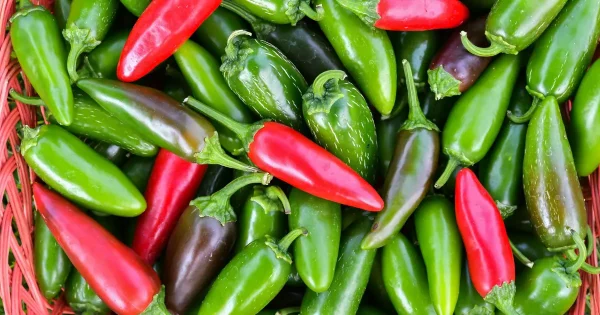
Master the Heat: 8 Expert Tips for Growing Jalapeños Like a Pro
Are you staring at your garden space, wondering why your pepper plants look more like [...]
Mar
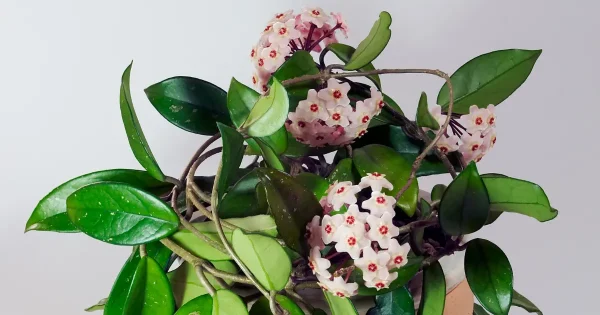
Top 5 Must-Have Hoya Varieties for Beginners
Hoyas are easily one of my top recommendations if you’re hunting for a low-maintenance houseplant [...]
Mar
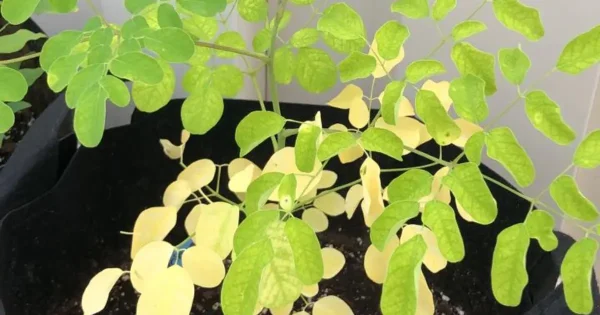
7 Moringa Plant Care Mistakes to Avoid for Healthy Growth
Have you ever looked at your Moringa tree and wondered why its once vibrant green [...]
Feb
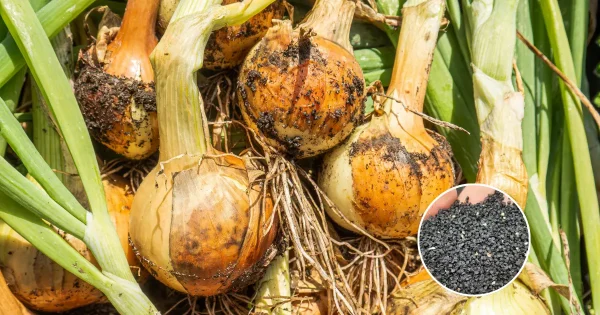
How to Grow Potato Onions From True Seeds: A Step-by-Step Guide
Have you ever wondered how to grow potato onions from true seeds or why some [...]
Feb
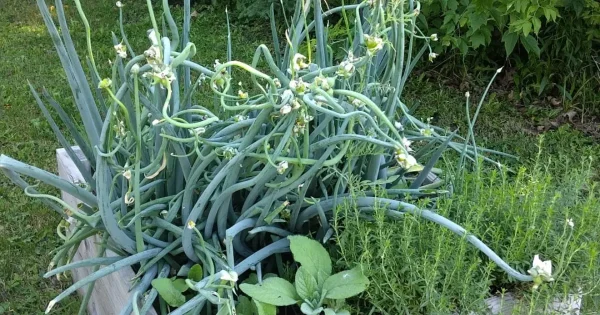
Growing Walking Onions in Containers: The Ultimate Guide
Have you ever looked at your small balcony or cramped patio and wished you could [...]
Feb
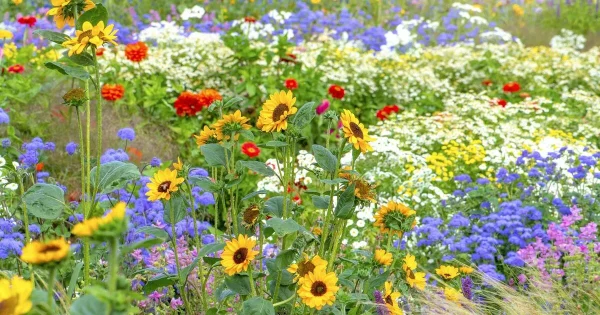
9 Best Flower Seeds to Start in February for Early Blooms
If you’re a passionate gardener, you know that itchy feeling in your fingers when February [...]
Jan
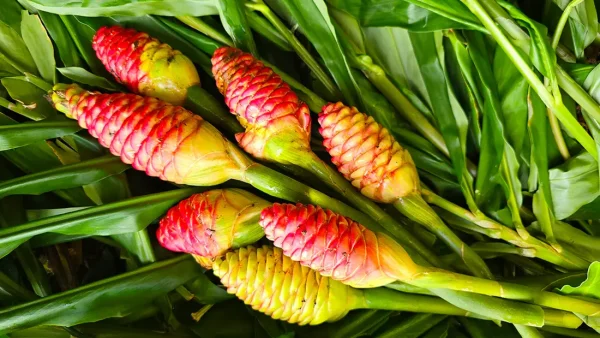
Growing Shampoo Ginger in Pots: Easy Guide to Potting Ginger Lilies
Are you looking to add a touch of exotic beauty to your home while growing [...]
Jan
Reviews
There are no reviews yet.