
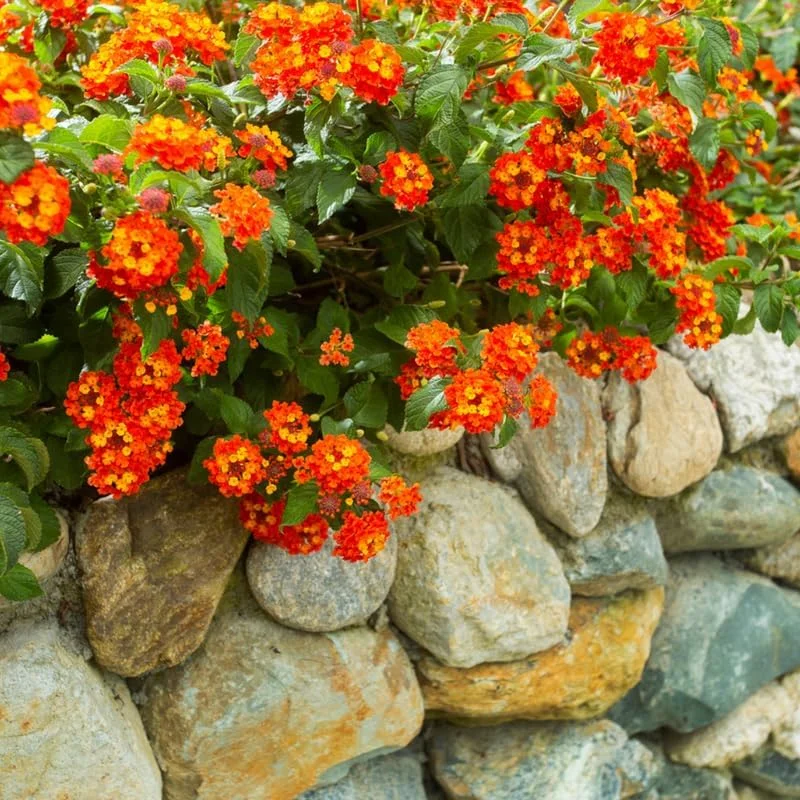
3 Lantana Live Plants, Yellow Orange Flower Perennial, 4-7 Inches Tall
$24.99
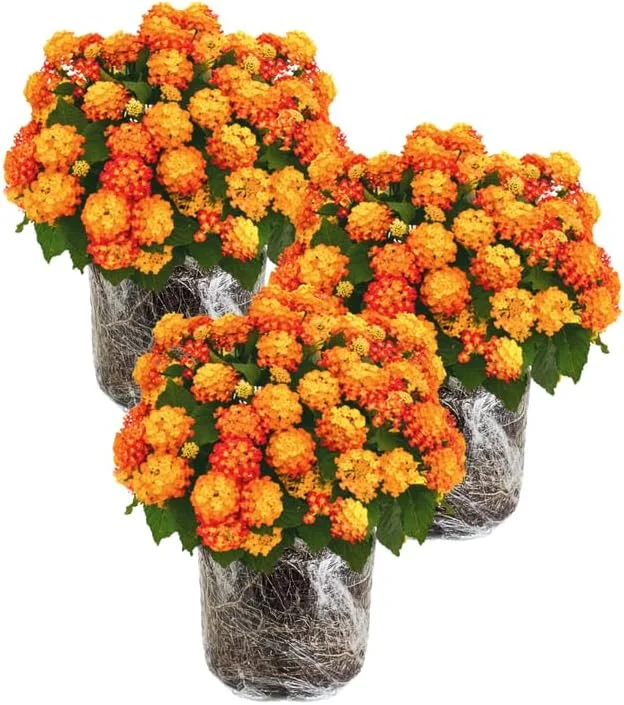
Bring a burst of color to your garden with this set of 3 yellow orange lantana live plants. These vibrant perennials are ideal for attracting butterflies and hummingbirds, thriving beautifully in full sun. Each plant arrives well-rooted and ready to grow, between 4 to 7 inches tall.
Shipping and Return policies:
We stand behind our plants with our Alive & Thrive Guarantee. If you experience any issues within the first 30 days, please email us, and our team will be happy to help. When needed, we’ll send you a one-time replacement free of charge to make sure your garden keeps growing strong.

Reasonable Price
We offer reasonable price

Support 24/7
Contact us 24 hrs a day
100% Money Back
You’ve 30 days to Return
Payment Secure
100% secure payment
Overview
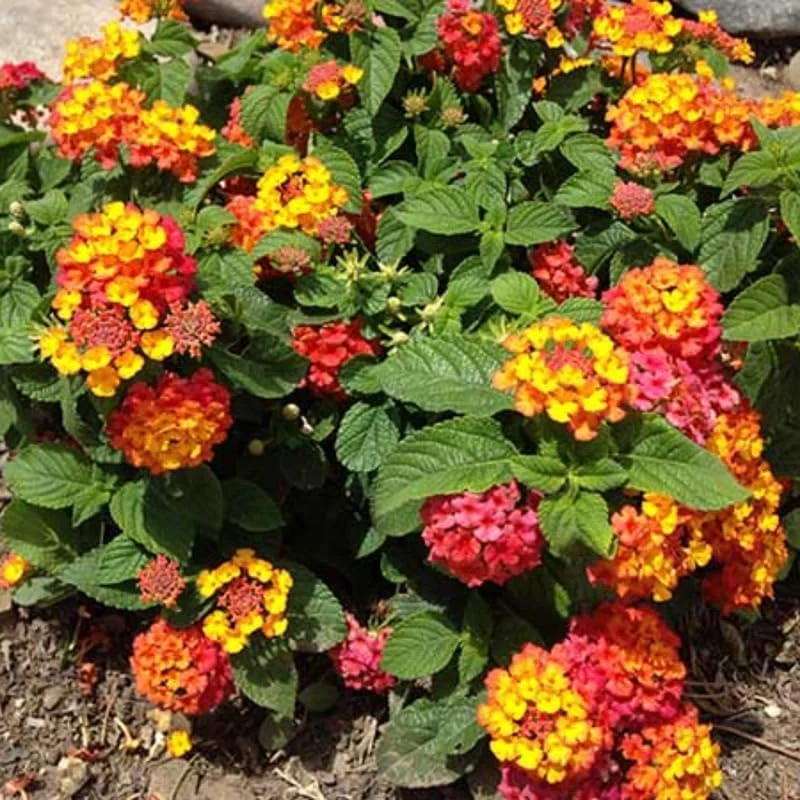
Transform your outdoor space with the cheerful hues of our yellow orange lantana live plants. This offering includes three healthy, vibrant plants, each standing 4 to 7 inches tall and boasting strong root systems, ready to be planted directly into your garden or containers. Lantana (Lantana camara) is renowned for its continuous bloom of bright, multi-colored flower clusters that transition from yellow to orange, creating a dynamic and eye-catching display. These plants are a fantastic choice for gardeners seeking low-maintenance yet high-impact floral additions, perfect for adding a tropical touch to any landscape design. Their robust nature and stunning appearance make them a popular choice for both novice and experienced gardeners.
Originating from tropical regions, Lantana plants are celebrated for their resilience and ability to flourish in hot, sunny conditions. They are particularly effective in attracting beneficial pollinators such as butterflies and hummingbirds, making your garden a lively hub of activity. Whether you’re looking to create colorful borders, fill hanging baskets, or add texture to mixed perennial beds, these perennial lantana flowers offer versatility and enduring beauty throughout the growing season. Enjoy a continuous spectacle of color from spring until the first frost.
Key Benefits
Our yellow orange lantana live plants offer numerous advantages, making them an excellent addition to almost any garden. From their aesthetic appeal to their ecological contributions, these plants deliver exceptional value:
- Vibrant, Long-Lasting Blooms: Enjoy a continuous display of bright yellow and orange flowers from spring through fall. These prolific bloomers ensure your garden remains colorful for an extended period, providing consistent visual interest.
- Attracts Pollinators: The nectar-rich flowers are a magnet for butterflies, bees, and hummingbirds. Planting lantana contributes to local biodiversity and supports essential pollinator populations, making your garden a haven for wildlife.
- Drought-Tolerant: Once established, lantana plants are remarkably resilient to dry conditions. This makes them an ideal choice for water-wise gardening or for areas where consistent watering might be a challenge, reducing your maintenance efforts.
- Low Maintenance: These plants require minimal care, thriving with just basic attention. They are relatively pest and disease resistant, allowing you to enjoy their beauty without constant fuss. This makes lantana plant care straightforward for all skill levels.
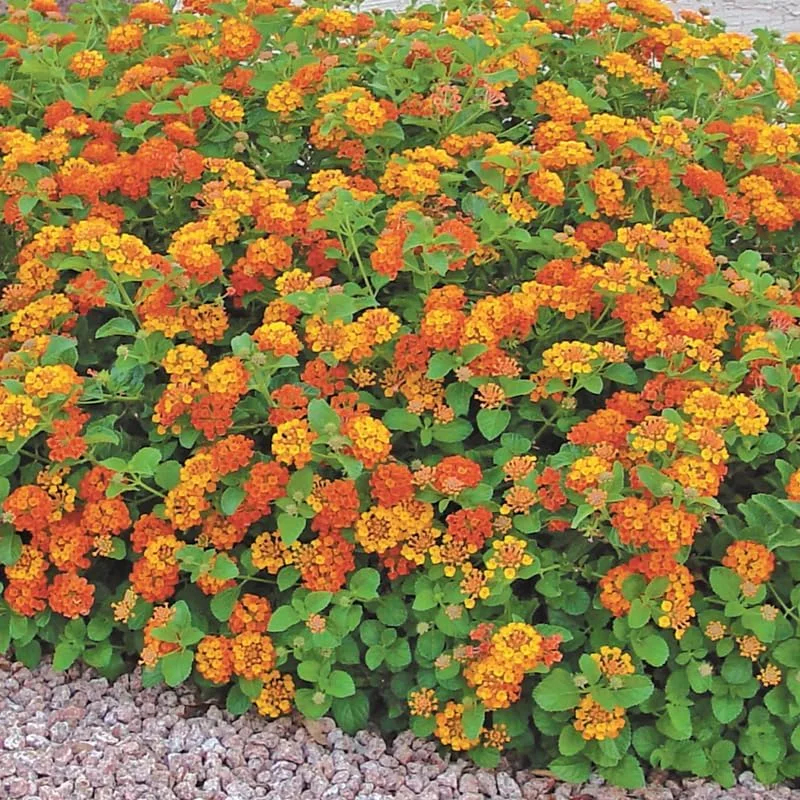
- Versatile Landscaping Use: Perfect for a variety of garden applications including ground cover, borders, container planting, hanging baskets, or as a vibrant accent plant. Their mounding habit and spreading growth can fill spaces beautifully.
- Deer Resistant: Lantana is generally disliked by deer, making it a great option for gardens in areas prone to deer browsing. You can enjoy your beautiful flowers without worrying about them becoming a deer snack.
- Perennial in Warm Climates: In USDA Zones 8-11, these lantana plants behave as true perennials, returning year after year. In cooler zones, they can be enjoyed as annuals or overwintered indoors, extending their vibrant life.
Plant Care & Growing Tips
Proper lantana plant care ensures these beautiful plants thrive and provide abundant blooms. Lantana is relatively forgiving, but understanding its basic needs will lead to the most spectacular results. These plants are well-suited for a variety of garden styles and can be quite resilient when given the right conditions. Following these guidelines will help your yellow orange lantana live plants flourish.
Sunlight Requirements: Lantana absolutely loves the sun! For optimal flowering and vigorous growth, plant your lantana in a location that receives at least 6-8 hours of direct, full sun per day. While it can tolerate some partial shade, too little sun will result in fewer blooms and leggy growth. Ensure they are not overshadowed by larger plants or structures. If you are growing lantana in pots, place them in the sunniest spot on your patio or balcony.
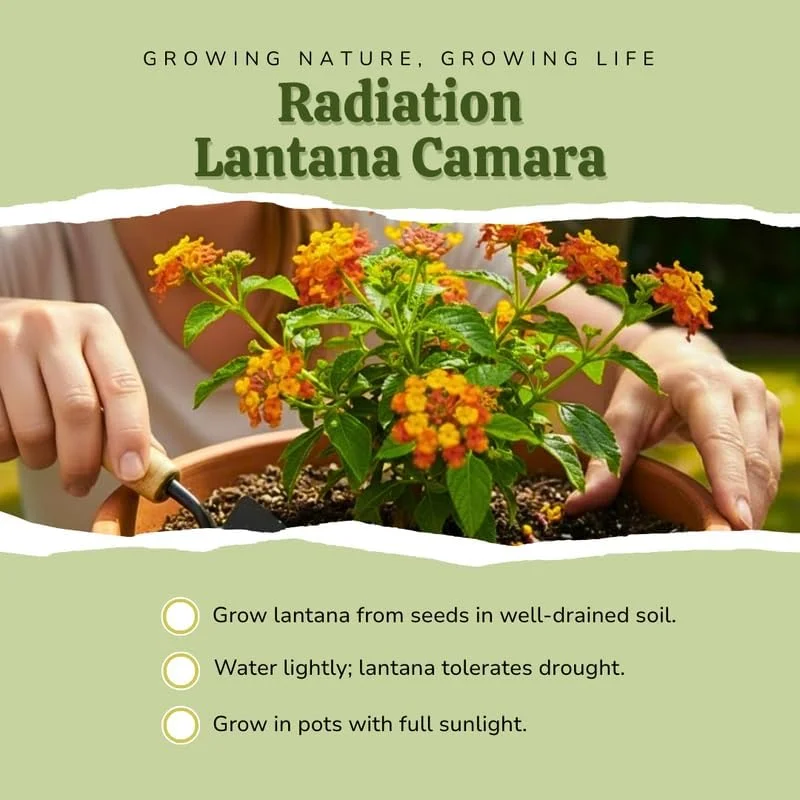
Watering Schedule & Soil Moisture: Once established, lantana is quite drought tolerant. Water regularly after planting to help establish a strong root system. After a few weeks, reduce watering frequency. Allow the top inch or two of soil to dry out completely between waterings. Overwatering can lead to root rot, so ensure good drainage. During periods of extreme heat or drought, you may need to water more frequently, especially if the plants are in containers.
Soil Type and Drainage: Lantana prefers well-draining soil. It is not particular about soil pH and can tolerate a range of soil types, from sandy to loamy, as long as they drain well. For garden beds, amend heavy clay soils with organic matter like compost to improve drainage. If planting in containers, use a high-quality potting mix that drains freely. Good drainage is crucial to prevent waterlogging and promote healthy root growth for your perennial lantana flowers.
Temperature Range & USDA Hardiness Zone: These plants perform best in warm temperatures. They are considered perennial in USDA Hardiness Zones 8-11, where they will return each year. In cooler zones (zones 7 and below), they are typically grown as annuals or brought indoors before the first frost to overwinter. Lantana is sensitive to frost, so protect young plants if unexpected cold snaps occur. They thrive in temperatures above 60°F (15°C).
Fertilization: Lantana is not a heavy feeder. In rich garden soil, it may not need any fertilization. If your soil is poor or if you are growing lantana in pots, a balanced, slow-release granular fertilizer applied in spring can encourage more blooms. Alternatively, a liquid feed every 4-6 weeks during the growing season can be used. Avoid over-fertilizing, especially with high-nitrogen fertilizers, as this can promote foliage growth at the expense of flowers.
Pruning: Prune lantana in early spring to shape the plant and encourage bushier growth. Deadhead spent blooms regularly to promote continuous flowering throughout the season. A hard prune (cutting back by about one-third) in late winter or early spring can rejuvenate established plants. This practice is vital for maintaining plant vigor and maximizing the vibrant display of your lantana plant full sun.
Size & Details
This offering includes three individual yellow orange lantana live plants, each carefully cultivated and shipped with a robust root system, ensuring they are ready for immediate planting and growth. Upon arrival, each plant will measure approximately 4 to 7 inches in height, providing a solid foundation for rapid development in your garden. These young plants are designed to establish quickly, and with proper care, they can grow significantly within their first season.
When mature, lantana can reach a size of up to 2 feet in height and spread, forming a dense, mounding shrub filled with continuous blooms. The exact size will depend on growing conditions, climate, and whether they are grown as annuals or perennials. In warmer climates where they are perennial, they can eventually form larger, more substantial shrubs. They are shipped in a nursery pot, ensuring the roots are protected and moist during transit, ready for their new home. Expect vibrant flowering to begin as soon as the plants are established and receiving ample sunlight.
Frequently Asked Questions
- Q: How big do these lantana plants get? A: These yellow orange lantana live plants arrive 4-7 inches tall. With proper care, they can mature to grow up to 2 feet tall and spread, forming a beautiful, mounding shrub in your garden or containers.
- Q: Is this an indoor or outdoor plant? A: Lantana is primarily an outdoor plant that thrives in full sun. In USDA Zones 8-11, it is a perennial. In cooler zones, it’s typically grown as an annual, though it can be overwintered indoors if protected from frost.
- Q: How much sunlight does it need? A: For the best blooms and healthiest growth, lantana plant full sun is essential. It requires at least 6-8 hours of direct sunlight per day. Less sun will result in fewer flowers and leggy growth.
- Q: Is this plant easy to care for? A: Yes, lantana is known for being very low-maintenance and resilient. Once established, it is drought-tolerant and generally pest-resistant, making lantana plant care quite simple for gardeners of all experience levels.
- Q: What condition will the plants arrive in? A: Your yellow orange lantana live plants will arrive well-rooted in a nursery pot, ensuring their health and vitality during shipping. They are carefully packaged to minimize stress and are ready to be planted upon arrival.
- Q: How long until it blooms? A: These young plants are established and will typically start producing their vibrant yellow and orange flowers shortly after planting, once they have settled into their new environment and are receiving sufficient sunlight.
- Q: Will it survive winter in my zone? A: If you are in USDA Zones 8-11, these are perennial lantana flowers and will typically return each spring. In colder zones, they are usually grown as annuals, as they are not frost-tolerant.
- Q: Can I grow these lantana in pots? A: Absolutely! Growing lantana in pots is an excellent option for patios, balconies, or for those in colder climates who wish to bring their plants indoors for the winter. Ensure the pot has good drainage.
- Q: What kind of soil is best for lantana? A: Lantana prefers well-draining soil. A standard potting mix for containers or amended garden soil with good drainage is ideal. It’s not overly fussy about soil type as long as it doesn’t stay waterlogged.
- Q: Do these plants attract pollinators? A: Yes, lantana is highly attractive to butterflies, bees, and hummingbirds. The vibrant flowers and nectar are a great source of food for these beneficial insects and birds, making them perfect for a pollinator garden.
Be the first to review “3 Lantana Live Plants, Yellow Orange Flower Perennial, 4-7 Inches Tall”
You must be logged in to post a review.
People also Viewed
Sold 50 products
Original price was: $28.58.$19.99Current price is: $19.99.
Sold 50 products
$32.39
Sold 50 products
$21.59
Sold 50 products
$35.99
Sold 50 products
Price range: $23.15 through $25.19
Sold 50 products
$38.39
Sold 50 products
Price range: $28.79 through $35.99
Sold 50 products
$26.39RELATED posts
How to Grow Jalapeño Peppers From Seeds: A Step-by-Step Guide
Ready to spice things up in your garden? Jalapeños are the true life of the [...]
Apr
Top 12 Best Types of Peppers to Grow in Your Garden: Easy and High Yield
Growing peppers is, quite honestly, one of the biggest “wins” you can have in a [...]
Apr
Frostproof Jasmine Care: 7 Tips for Successful Pot Growth
Most gardenias are known for being “divas.” They want perfect humidity, perfect soil, and they [...]
Mar
Top 7 Best Smelling Jasmine Varieties for a Heavenly Garden
Have you ever walked past a house and caught a scent so sweet you just [...]
Mar
Master the Heat: 8 Expert Tips for Growing Jalapeños Like a Pro
Are you staring at your garden space, wondering why your pepper plants look more like [...]
Mar
Top 5 Must-Have Hoya Varieties for Beginners
Hoyas are easily one of my top recommendations if you’re hunting for a low-maintenance houseplant [...]
Mar
7 Moringa Plant Care Mistakes to Avoid for Healthy Growth
Have you ever looked at your Moringa tree and wondered why its once vibrant green [...]
Feb
How to Grow Potato Onions From True Seeds: A Step-by-Step Guide
Have you ever wondered how to grow potato onions from true seeds or why some [...]
Feb
Reviews
There are no reviews yet.