
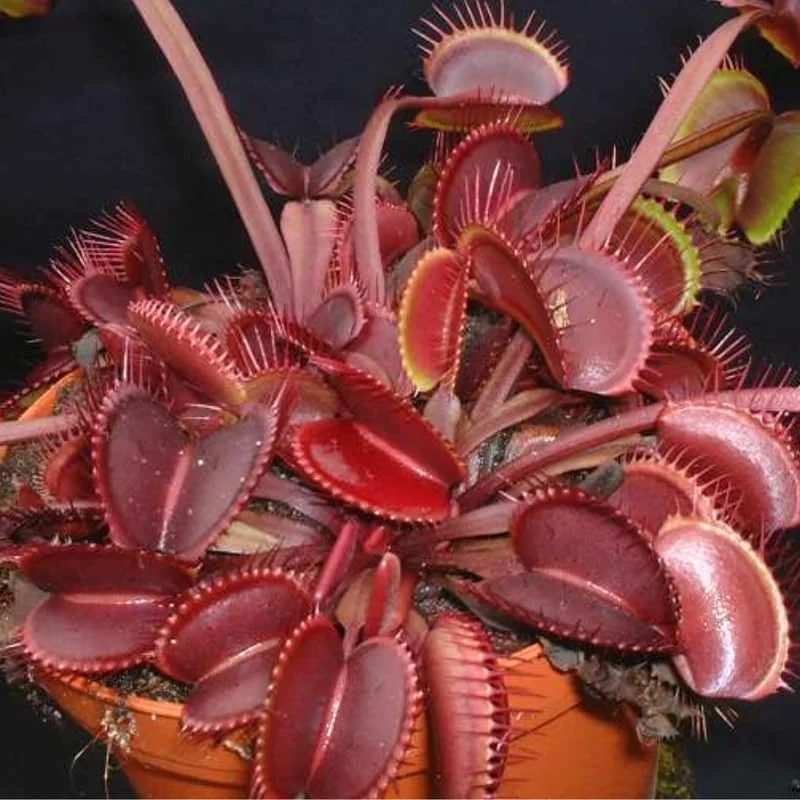
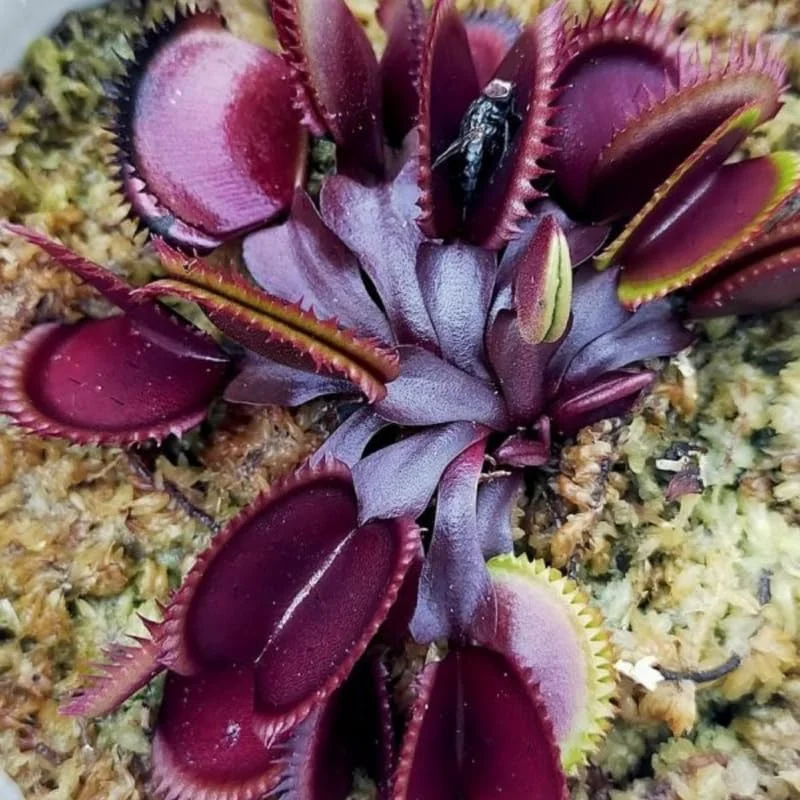
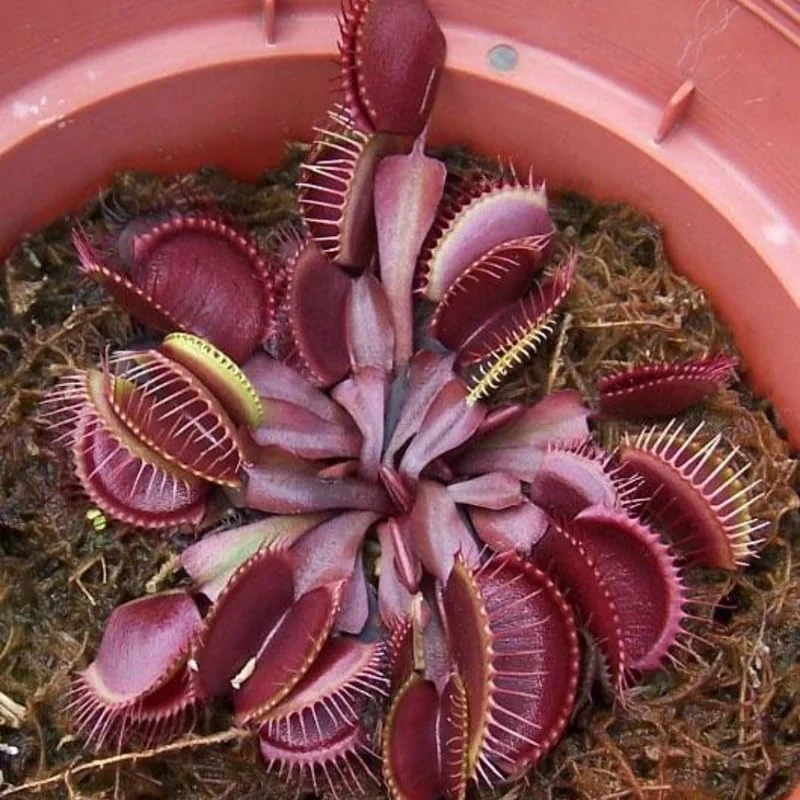
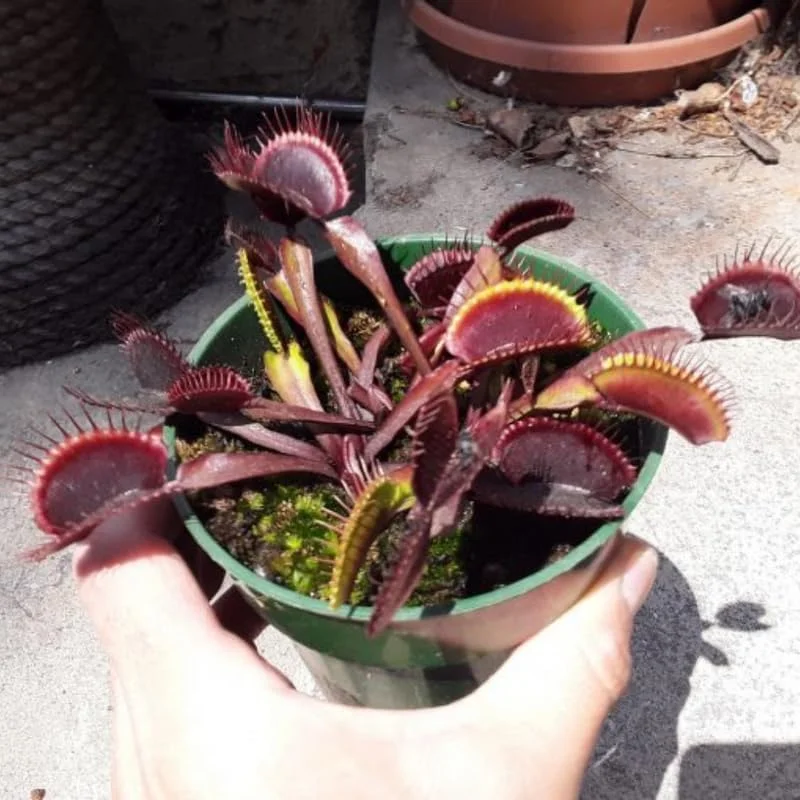
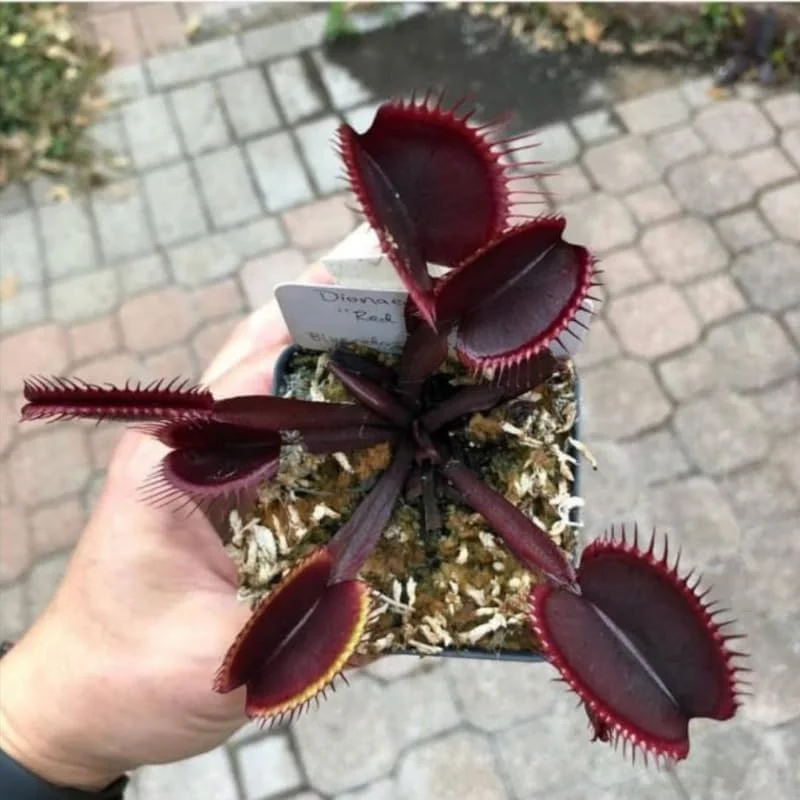
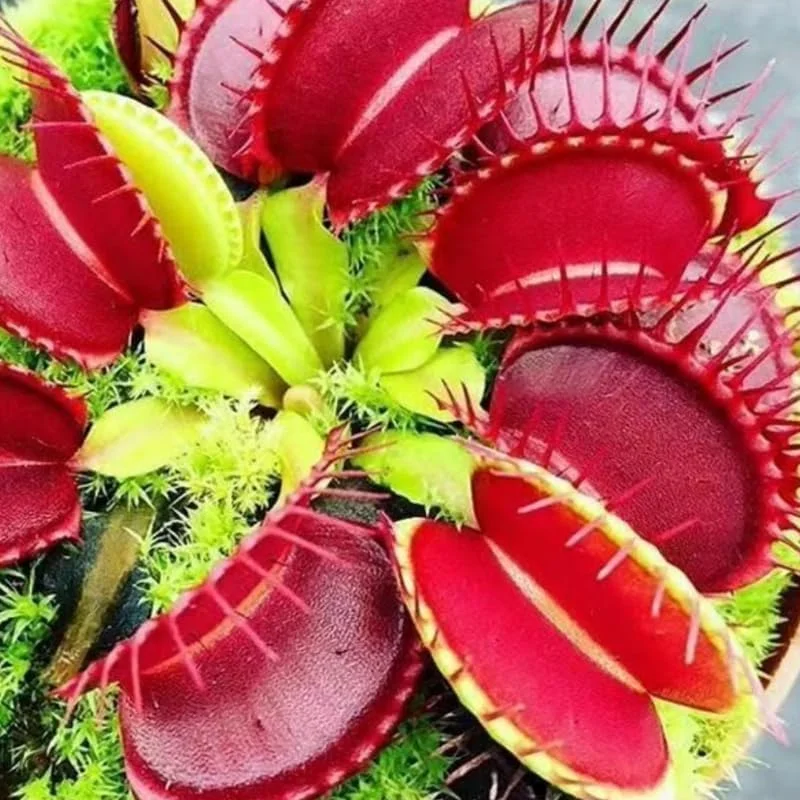
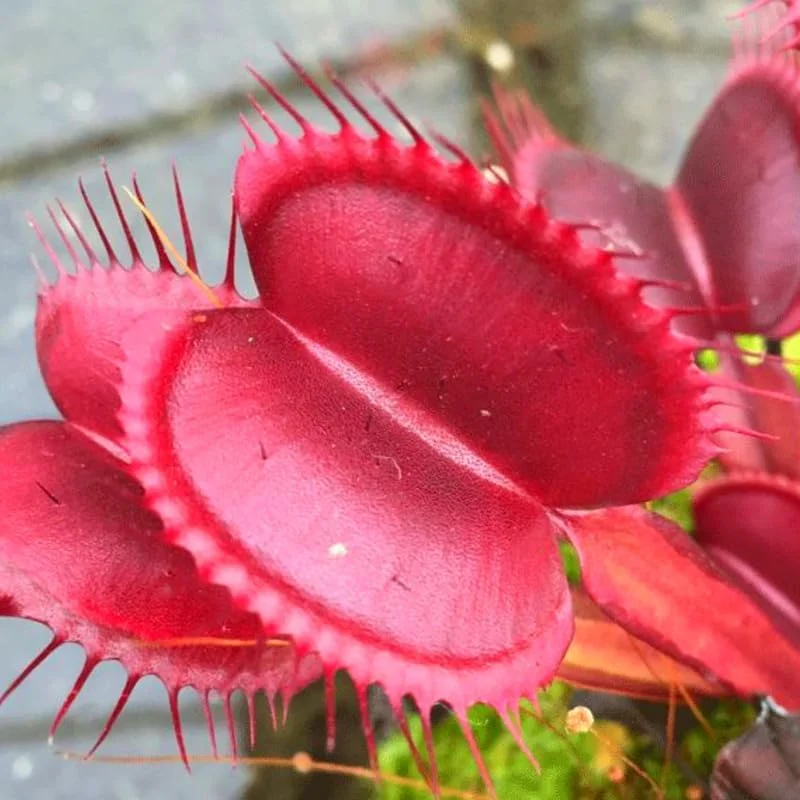
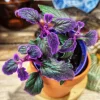
3 Dragon Venus Fly Trap Live Plants – Carnivorous Starter Set – Indoor/Outdoor
$28.99
Introduce an extraordinary element to your plant collection with this set of 3 Dragon Venus Fly Trap live plant specimens. Known for their captivating carnivorous nature, these Venus Fly Trap starter plants are ready to thrive in terrariums or bog gardens, offering natural insect control and a unique aesthetic appeal.
Shipping and Return policies:
We stand behind our plants with our Alive & Thrive Guarantee. If you experience any issues within the first 30 days, please email us, and our team will be happy to help. When needed, we’ll send you a one-time replacement free of charge to make sure your garden keeps growing strong.

Reasonable Price
We offer reasonable price

Support 24/7
Contact us 24 hrs a day
100% Money Back
You’ve 30 days to Return
Payment Secure
100% secure payment
Overview
Introduce an extraordinary element to your plant collection with this set of 3 Dragon Venus Fly Trap live plant specimens. Known for their captivating carnivorous nature, these plants are a true marvel of the botanical world, featuring specialized leaves that form a ‘trap’ to capture insects. Each plant in this set is a healthy Venus Fly Trap starter, ready to thrive and offer an engaging and educational experience for gardeners of all levels. The Dragon variety is particularly prized for its robust growth and striking appearance, making it a focal point in any setting. Whether you’re a seasoned collector of unusual plants or just beginning your journey into the world of carnivorous flora, these plants promise to be a fascinating addition. The Dionaea muscipula Dragon cultivar is recognized for its vigorous growth and often larger, more intensely colored traps compared to standard varieties. These plants are native to subtropical wetlands on the East Coast of the United States, primarily North and South Carolina, and are perfectly suited for terrariums, bog gardens, or as intriguing potted specimens on a sunny windowsill. With their active trapping abilities, they not only serve as a conversation starter but also provide a natural way to control small insects in their vicinity.
Key Benefits
Cultivating a Dragon Venus Fly Trap live plant offers a multitude of benefits, from aesthetic appeal to educational value. These unique plants are more than just decorative; they are active participants in their ecosystem, providing endless fascination. Here are some of the key advantages of adding these carnivorous beauties to your home or garden:
- Natural Insect Control: The primary benefit of a Dragon Venus Fly Trap live plant is its ability to naturally trap and consume small insects like flies, gnats, and spiders. This provides an eco-friendly and chemical-free method of pest management in your home or terrarium, making them an excellent choice for natural pest solutions.
- Unique Aesthetic Appeal: With their distinctive, hinged traps and often vibrant coloration, these plants are incredibly eye-catching. They add an exotic and unusual touch to any plant collection, terrarium, or outdoor bog garden, making them a fantastic focal point that draws attention.
- Educational Value: Observing the trapping mechanism of a Venus Fly Trap starter is a captivating experience for all ages. It offers a unique opportunity to learn about carnivorous plants, their adaptations, and their ecological role, making them great for educational projects and curious minds.
- Low Maintenance Once Established: Despite their exotic appearance, Dragon Venus Fly Traps are surprisingly easy to care for once their specific environmental needs are met. They don’t require daily attention, making them suitable for busy individuals seeking unique yet manageable plants.
- Versatile Growing Options: These plants are adaptable and can thrive in various environments. They are ideal for indoor terrariums, providing a self-contained ecosystem, and also do well as an outdoor Venus Fly Trap in appropriate climates and bog garden setups, offering flexibility in placement.
- Conversation Starter: The sheer novelty of a plant that eats insects is guaranteed to spark curiosity and conversation among guests. Your set of 3 Dragon Venus Fly Traps will undoubtedly be a topic of fascination, prompting discussions about their unique biology.
Plant Care & Growing Tips
Caring for your 3 Dragon Venus Fly Trap live plant specimens is straightforward once you understand their specific requirements. Unlike typical houseplants, carnivorous plants have unique needs regarding water, light, and soil. Providing the right conditions will ensure your plants thrive and display their impressive trapping abilities. Proper carnivorous plant care is essential for their long-term health.
Sunlight Requirements: Dragon Venus Fly Traps require abundant sunlight to grow vigorously and develop vibrant trap coloration. Indoors, place them in a south-facing window where they can receive at least 4-6 hours of direct sunlight daily. If natural light is insufficient, consider using a grow light for 12-16 hours a day. When grown as an outdoor Venus Fly Trap, they prefer full sun, meaning 6+ hours of direct sunlight. Ensure they are protected from extreme, scorching afternoon sun in very hot climates, though they generally tolerate high light levels well.
Watering & Humidity: The most crucial aspect of care for Venus Fly Traps is water quality. Always use distilled water, rainwater, or reverse osmosis (RO) water. Tap water contains minerals that can harm and eventually kill the plant. Keep the soil consistently moist, but not waterlogged. A common method is to place the potted plant in a tray filled with about an inch of the appropriate water, allowing the plant to absorb water from the bottom. This also helps maintain humidity, which Venus Fly Traps appreciate. Avoid letting the soil dry out completely. During dormancy, reduce watering slightly but keep the soil damp.
Soil Type & Potting: Venus Fly Traps require a nutrient-poor, acidic soil mix. Never use standard potting soil or garden soil, as the added fertilizers and minerals will kill them. An ideal mix consists of 50% sphagnum peat moss (without added fertilizers) and 50% perlite or horticultural sand. Repotting is generally needed every 1-2 years, preferably in early spring before new growth begins. Use plastic pots or glazed ceramic pots, as terracotta can leach minerals into the soil. Ensuring good drainage, even with constant moisture, is important, so choose pots with drainage holes.
Temperature & Dormancy: These plants thrive in temperatures between 65-95°F (18-35°C) during their growing season. However, they require a dormant period during winter, typically from October/November to February/March. During dormancy, temperatures should ideally drop to 35-55°F (2-12°C). This period is crucial for the plant’s long-term health and survival. During dormancy, the traps may die back, and growth will slow significantly. Reduce watering and ensure they still receive some light. USDA zones 8-10 are suitable for year-round outdoor growth with proper winter protection. For those in colder zones, an outdoor Venus Fly Trap should be brought indoors or placed in an unheated garage during winter.
Feeding: While they are carnivorous, Venus Fly Traps do not need to be fed by hand. If grown outdoors or in a location with insects, they will catch their own food. If grown indoors and insect-free, they can survive without insects, as they photosynthesize for energy. However, occasional feeding (1-2 small insects per month during the growing season) can boost their growth. Only feed insects that fit entirely within the trap, and never feed them human food or dead insects that haven’t been freshly killed, as decaying matter can cause the trap to rot. Avoid triggering traps unnecessarily, as each trap has a limited number of closures before it dies. Understanding the specific needs of your Dionaea muscipula Dragon will ensure its vitality.
Size & Details
This offering includes a set of 3 Dragon Venus Fly Trap live plant specimens, provided as healthy starter plants. They are typically shipped in small nursery pots, ready for immediate transplanting into your preferred terrarium or bog garden setup. At arrival, these starter plants generally measure a few inches across, with traps beginning to form. The Dragon cultivar is known for its vigorous growth and, under optimal conditions, can produce traps that are larger and more colorful than those of standard Venus Fly Traps. Expect these plants to grow into a compact clump, typically reaching a mature size of 4-6 inches in diameter, with individual traps measuring up to 1.5-2 inches long. They are shipped as established plants, ensuring they are robust enough to handle the transition to their new home. With proper carnivorous plant care, these plants will continue to grow and develop, showcasing their unique characteristics. They are perfect for creating a captivating terrarium plant display or adding a striking element to an outdoor Venus Fly Trap collection in suitable climates.
Frequently Asked Questions
- Q: How big does this plant get? A: Each Dragon Venus Fly Trap live plant typically grows to about 4-6 inches in diameter as a mature plant, with individual traps reaching up to 1.5-2 inches in length under ideal growing conditions.
- Q: Is this an indoor or outdoor plant? A: This Venus Fly Trap starter can thrive both indoors, especially in a bright window or terrarium, and outdoors in suitable climates (USDA zones 8-10) as an outdoor Venus Fly Trap in a bog garden setup.
- Q: How much sunlight does it need? A: Venus Fly Traps require a minimum of 4-6 hours of direct sunlight daily. Indoors, a south-facing window is best; outdoors, full sun is preferred for optimal growth and coloration.
- Q: Is this plant easy to care for? A: Yes, once you understand their specific needs for distilled water, nutrient-poor soil, and bright light, carnivorous plant care for Venus Fly Traps is relatively low maintenance. They are not difficult for beginners.
- Q: What condition will it arrive in? A: Your 3 Dragon Venus Fly Trap live plant specimens will arrive as healthy, established starter plants in small nursery pots, carefully packaged to ensure their safe journey and immediate planting.
- Q: Is it shipped in soil? A: Yes, these starter plants are shipped in their appropriate growing medium within their nursery pots, ready for you to transplant into your chosen setup.
- Q: How long until it blooms? A: Venus Fly Traps typically produce a flower stalk in late spring or early summer once they are mature. Many growers prefer to snip the flower stalk to conserve the plant’s energy for trap growth, improving the overall health of your Dionaea muscipula Dragon.
- Q: What’s the best time to plant? A: The best time to plant or repot your Dragon Venus Fly Trap live plant is in early spring, just before the active growing season begins. However, they can be planted any time if kept indoors with consistent conditions.
- Q: Will it survive winter in my zone? A: Venus Fly Traps require a cold dormancy period. They are hardy outdoors in USDA Zones 8-10. In colder zones, an outdoor Venus Fly Trap will need to be brought indoors to a cool, dormant location for winter protection.
- Q: What kind of water should I use for my Venus Fly Trap? A: Always use distilled water, rainwater, or reverse osmosis (RO) water. Tap water contains minerals that are harmful to this sensitive species and can lead to plant decline.
Be the first to review “3 Dragon Venus Fly Trap Live Plants – Carnivorous Starter Set – Indoor/Outdoor”
You must be logged in to post a review.
People also Viewed
Sold 50 products
Original price was: $28.58.$19.99Current price is: $19.99.
Sold 50 products
$32.39
Sold 50 products
$21.59
Sold 50 products
$35.99
Sold 50 products
Price range: $23.15 through $25.19
Sold 50 products
$38.39
Sold 50 products
Price range: $28.79 through $35.99
Sold 50 products
$26.39RELATED posts
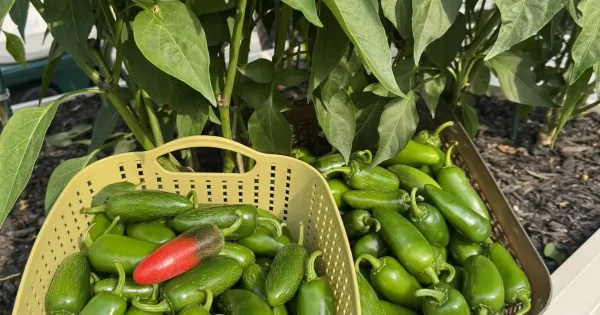
How to Grow Jalapeño Peppers From Seeds: A Step-by-Step Guide
Ready to spice things up in your garden? Jalapeños are the true life of the [...]
Apr
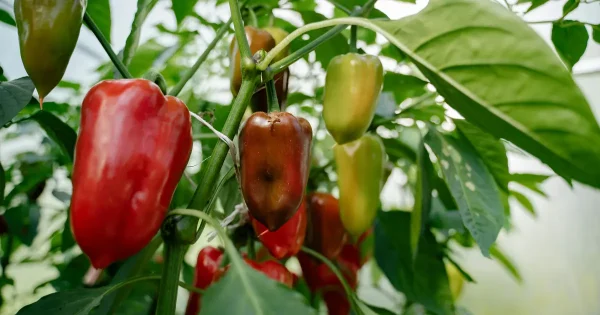
Top 12 Best Types of Peppers to Grow in Your Garden: Easy and High Yield
Growing peppers is, quite honestly, one of the biggest “wins” you can have in a [...]
Apr
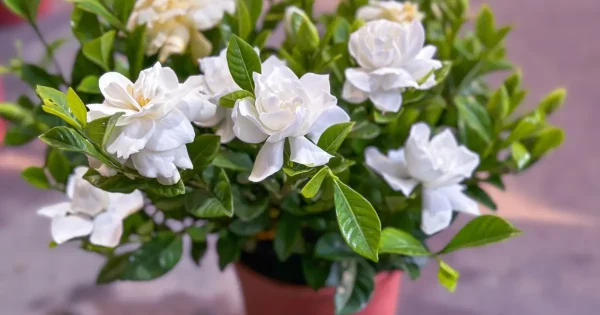
Frostproof Jasmine Care: 7 Tips for Successful Pot Growth
Most gardenias are known for being “divas.” They want perfect humidity, perfect soil, and they [...]
Mar
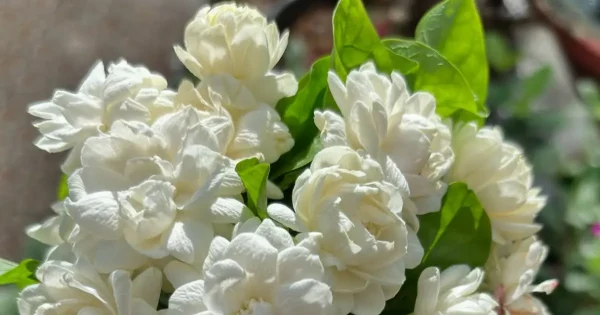
Top 7 Best Smelling Jasmine Varieties for a Heavenly Garden
Have you ever walked past a house and caught a scent so sweet you just [...]
Mar
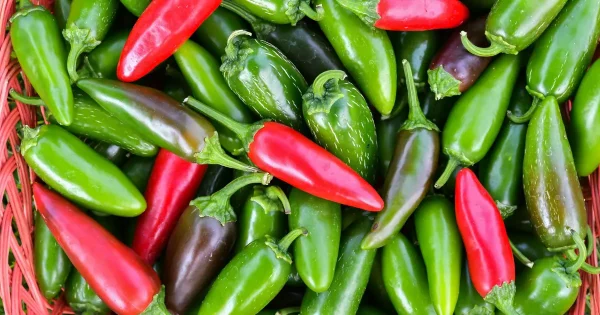
Master the Heat: 8 Expert Tips for Growing Jalapeños Like a Pro
Are you staring at your garden space, wondering why your pepper plants look more like [...]
Mar
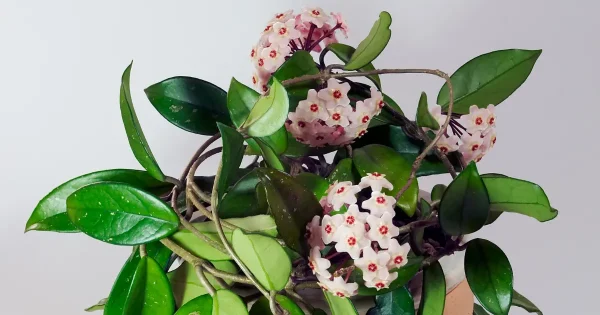
Top 5 Must-Have Hoya Varieties for Beginners
Hoyas are easily one of my top recommendations if you’re hunting for a low-maintenance houseplant [...]
Mar
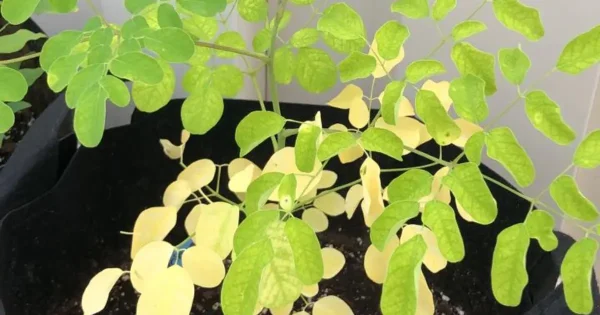
7 Moringa Plant Care Mistakes to Avoid for Healthy Growth
Have you ever looked at your Moringa tree and wondered why its once vibrant green [...]
Feb
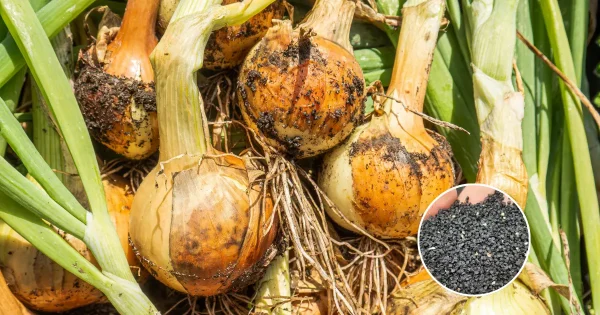
How to Grow Potato Onions From True Seeds: A Step-by-Step Guide
Have you ever wondered how to grow potato onions from true seeds or why some [...]
Feb

Reviews
There are no reviews yet.