
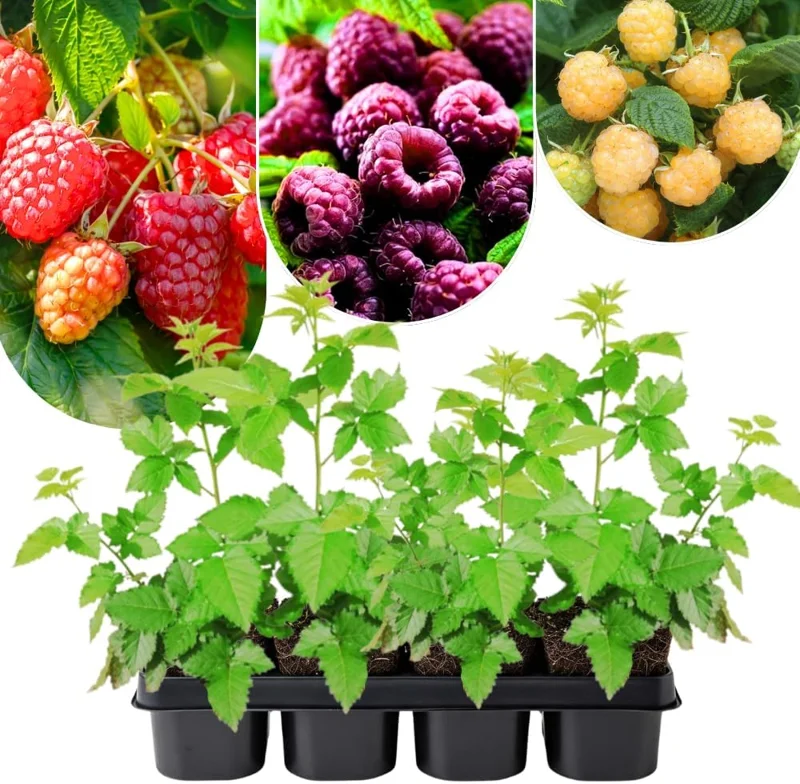
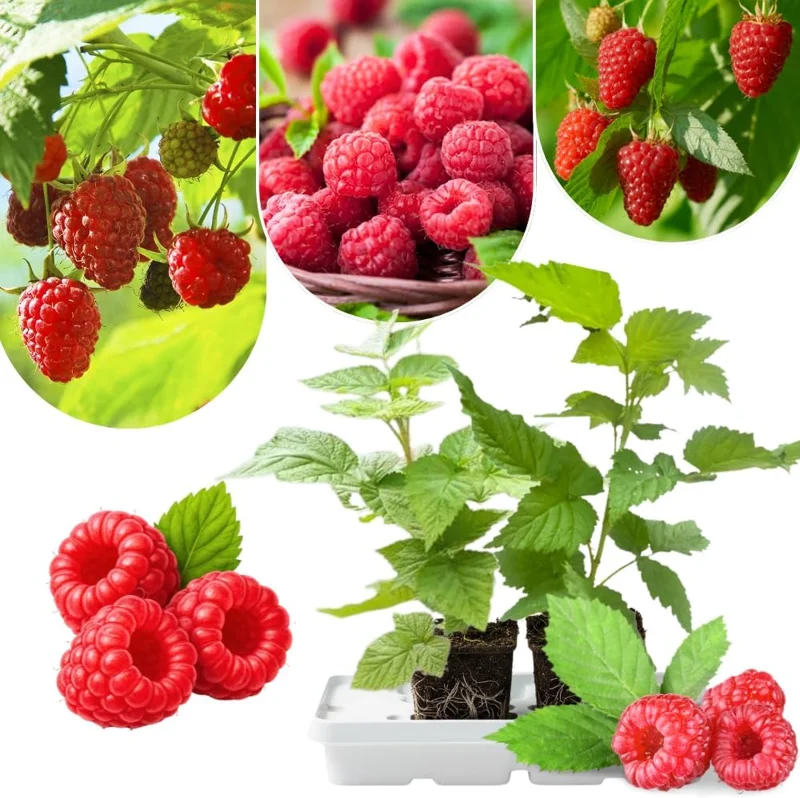
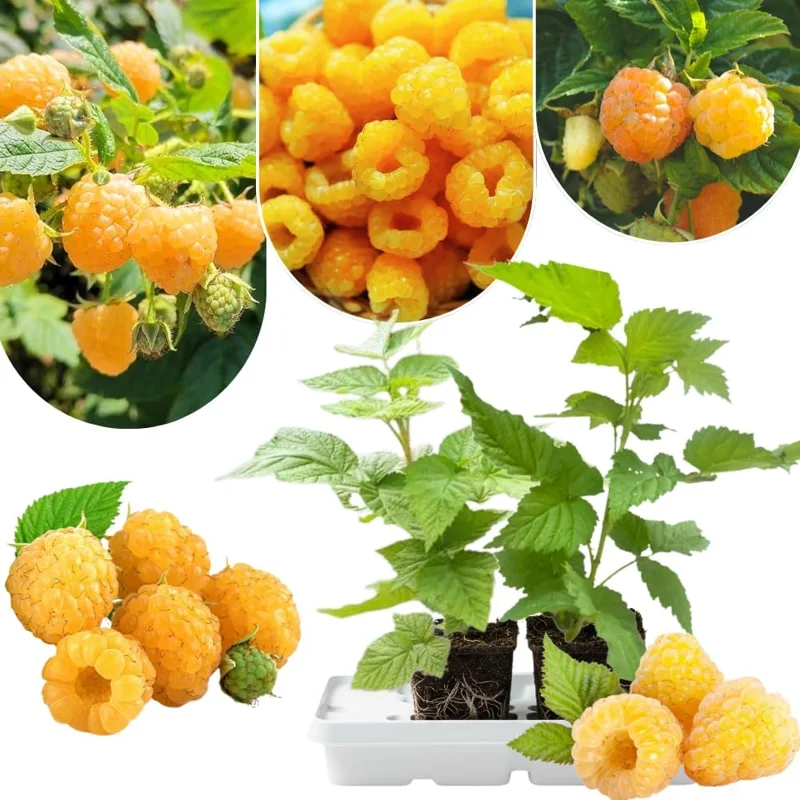
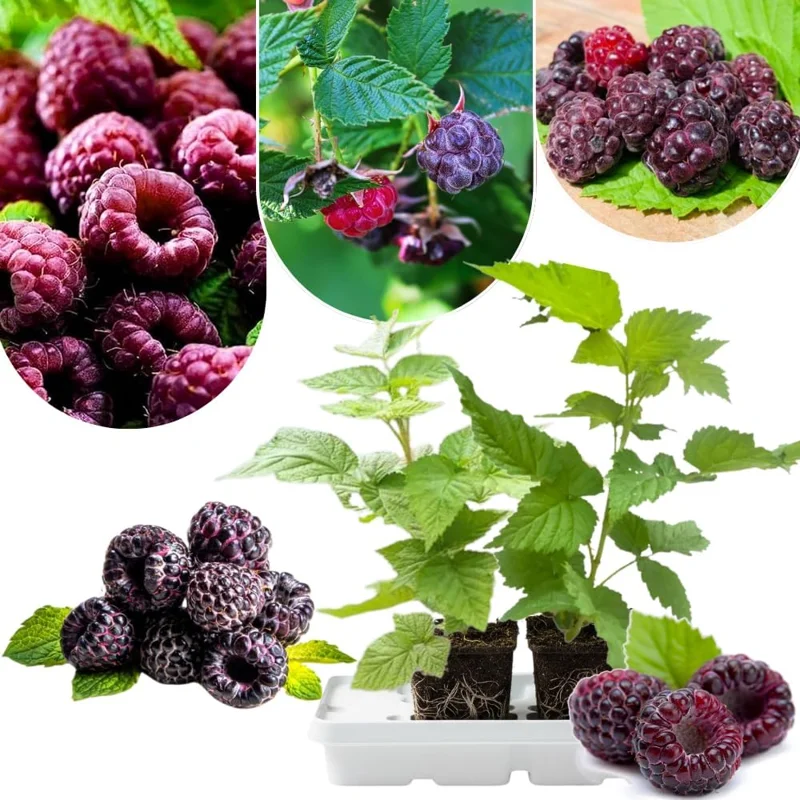
2 Red Thornless Raspberry Live Plants – Sweet Berry Bush, 4-8″ Tall, Cold Hardy
$24.99
Cultivate your own delicious fruit with these red thornless raspberry plants. You’ll receive two well-rooted, 4-8 inch tall sweet raspberry bush specimens, ideal for home gardens. Enjoy fresh, juicy berries from these cold hardy raspberry bushes.
Shipping and Return policies:
We stand behind our plants with our Alive & Thrive Guarantee. If you experience any issues within the first 30 days, please email us, and our team will be happy to help. When needed, we’ll send you a one-time replacement free of charge to make sure your garden keeps growing strong.

Reasonable Price
We offer reasonable price

Support 24/7
Contact us 24 hrs a day
100% Money Back
You’ve 30 days to Return
Payment Secure
100% secure payment
Overview
Transform your garden into a productive edible landscape with these premium red thornless raspberry plants. This offering includes two live, well-rooted raspberry bushes, each standing approximately 4-8 inches tall, ready to thrive in your outdoor space. Known for their sweet and juicy fruit, these plants are a fantastic addition for both novice and experienced gardeners eager to grow raspberry plants. The thornless variety makes harvesting a pleasure, allowing you to pick your delicious berries without the prick. These hardy perennials are perfect for creating a bountiful berry patch, delivering fresh, flavorful fruit season after season. Experience the joy of homegrown produce with these robust and easy-to-manage raspberry bushes.
These raspberry plants are specifically selected for their vigorous growth and excellent fruit production. The vibrant red berries are not only a treat for the palate but also a beautiful sight in any garden. With proper care, these plants will establish quickly, providing you with a reliable source of fresh raspberries. Whether you’re planning a small backyard garden or expanding an existing one, these red thornless raspberry plants offer a rewarding gardening experience and a delicious harvest.
Key Benefits
Discover the many advantages of adding these exceptional raspberry plants to your garden. They are designed to deliver both ease of cultivation and a generous yield of delectable fruit.
- Abundant Sweet Berries: These plants are renowned for producing large, incredibly sweet, and juicy red raspberries year after year. Enjoy fresh fruit directly from your garden, perfect for snacking, desserts, jams, or smoothies.
- Thornless Convenience: Unlike traditional raspberry varieties, these plants feature thornless canes, making harvesting a significantly more comfortable and enjoyable experience for all ages, without the worry of painful pricks.
- Exceptional Cold Hardiness: As cold hardy raspberry bushes, they are well-suited for cooler climates, thriving in USDA Hardiness Zones 4-8. This resilience ensures consistent yields even after harsh winters, making them a reliable choice for many regions.
- Easy to Grow & Maintain: These robust perennial fruit plants are relatively low-maintenance once established. They require well-draining soil and ample sunlight, rewarding gardeners with minimal effort for maximum delicious output.
- Productive Upright Growth: The plants exhibit an upright shrub growth habit, forming a productive raspberry bush that is ideal for home gardens and small fruit plantings. This manageable size allows for easy integration into various garden designs.
- Health Benefits: Fresh raspberries are packed with vitamins, antioxidants, and fiber. Growing your own ensures you have access to nutrient-rich fruit free from pesticides, promoting a healthier lifestyle.
- Attracts Pollinators: The flowers of the red thornless raspberry plants attract beneficial pollinators like bees and butterflies, contributing to the biodiversity and health of your garden ecosystem.
Plant Care & Growing Tips
Successful cultivation of your red thornless raspberry plants depends on providing the right environment and consistent care. These plants thrive in conditions that mimic their natural habitat, ensuring strong growth and a bountiful harvest. They are relatively forgiving, making them an excellent choice for gardeners looking to grow raspberry plants.
For optimal growth, plant your raspberry bushes in a location that receives full sun, meaning at least 6-8 hours of direct sunlight per day. While the raw data suggested full shade, these plants are known to produce the best fruit in full sun. Ensure the soil is well-draining and rich in organic matter. A slightly acidic to neutral pH (6.0-7.0) is ideal. Before planting, amend heavy clay soils with compost or peat moss to improve drainage, and sandy soils with organic matter to improve water retention. Space plants approximately 2-3 feet apart to allow for good air circulation and growth. These cold hardy raspberry bushes are suitable for USDA hardiness zones 4-8, making them resilient to a wide range of temperatures.
Watering is crucial, especially during dry spells and when the plants are fruiting. Provide moderate watering, aiming for about 1 inch of water per week, either from rainfall or irrigation. Avoid overhead watering to minimize fungal diseases. Fertilize in early spring with a balanced slow-release fertilizer or an organic compost. Pruning is essential for maintaining plant health and maximizing fruit production. For primocane-fruiting (fall-bearing) raspberries, cut all canes to the ground after the fall harvest. For floricane-fruiting (summer-bearing) raspberries, prune out the canes that have fruited after harvest, leaving the new canes to fruit the following year. Watch out for common pests like aphids and Japanese beetles, and treat with organic pest control methods if necessary. Proper raspberry plant care will lead to many years of delicious fruit.
Size & Details
This offering includes a set of two live red thornless raspberry plants, each measuring approximately 4-8 inches in height when shipped. These young plants arrive well-rooted, ensuring a strong start in your garden. They are shipped ready for immediate planting in either the ground or raised beds. As perennial fruit plants, they will grow into upright shrubs, typically reaching a mature height of 3-5 feet and spreading 2-4 feet wide, depending on growing conditions and pruning practices. Expect these sweet raspberry bush plants to begin producing fruit within 1-2 years of planting, with yield increasing as the plants mature. They are perfectly sized for establishing a new berry patch or adding to an existing edible garden.
The robust root systems of these plants allow for quick establishment, especially when planted in the optimal season. While initial growth might focus on root development, you will soon see vigorous cane production. These plants are designed to provide a consistent and increasing harvest over many years, offering a sustainable source of fresh, homegrown raspberries. Their compact yet productive nature makes them suitable for various garden sizes.
Frequently Asked Questions
- Q: How big do these red thornless raspberry plants get? A: These plants typically grow into upright shrubs reaching a mature height of 3-5 feet and a spread of 2-4 feet. Their final size can depend on growing conditions, pruning, and climate.
- Q: Are these an indoor or outdoor plant? A: These are outdoor plants, specifically cold hardy raspberry bushes, designed to thrive in garden settings and produce fruit in temperate climates. They are not suitable for long-term indoor cultivation.
- Q: How much sunlight do these raspberry plants need? A: For optimal fruit production, these plants require full sun exposure, meaning at least 6-8 hours of direct sunlight per day. While they can tolerate some partial shade, fruit yield will be reduced.
- Q: Is this plant easy to care for? Is it good for beginners? A: Yes, these raspberry plants are considered relatively easy to care for, especially the thornless variety. With proper planting, sunlight, and watering, they are a great choice for beginner gardeners looking to grow raspberry plants.
- Q: What condition will the plants arrive in? A: You will receive two live, well-rooted raspberry plants, approximately 4-8 inches tall, shipped in a manner that ensures their health and vitality upon arrival. They will be ready for immediate planting.
- Q: How long until these plants produce fruit? A: Most raspberry plants will begin to produce fruit in their second year after planting. Yields will generally increase significantly in subsequent years as the plants establish and mature, offering a sustained harvest.
- Q: Will these cold hardy raspberry bushes survive winter in my zone? A: These plants are hardy in USDA Zones 4-8, meaning they are well-equipped to survive cold winters within these regions. Protection may be beneficial in the coldest extremes of Zone 4 or if unexpected severe weather occurs.
- Q: What is the best time to plant these raspberry bushes? A: The best time to plant raspberry bushes is typically in early spring after the last frost, or in the fall before the first hard frost. This allows the plants to establish their root systems before extreme temperatures.
- Q: What kind of soil is best for raspberry plant care? A: Raspberry plants prefer well-draining soil that is rich in organic matter. A slightly acidic to neutral pH (6.0-7.0) is ideal. Avoid heavy, waterlogged soils, as this can lead to root rot.
- Q: Can I use these raspberries for making jam? A: Absolutely! The sweet, flavorful berries produced by these plants are perfect for making delicious jams, jellies, pies, sauces, or simply enjoying fresh off the bush.
| Style | Caroline Red Raspberry, Fall Gold Raspberry, Glencoe Thornless Raspberry, Mix Raspberry, Red Thornless Raspberry |
|---|
Be the first to review “2 Red Thornless Raspberry Live Plants – Sweet Berry Bush, 4-8″ Tall, Cold Hardy”
You must be logged in to post a review.
People also Viewed
Sold 50 products
Original price was: $17.58.$11.86Current price is: $11.86.
Sold 50 products
Price range: $32.99 through $35.99
Sold 50 products
$69.99
Sold 50 products
$18.99
Sold 50 products
Price range: $14.98 through $23.89
Sold 50 products
$32.99
Sold 50 products
$24.99
Sold 50 products
Price range: $43.99 through $44.99RELATED posts
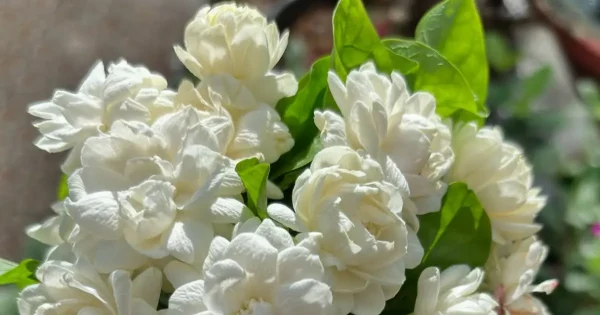
Top 7 Best Smelling Jasmine Varieties for a Heavenly Garden
Have you ever walked past a house and caught a scent so sweet you just [...]
Mar
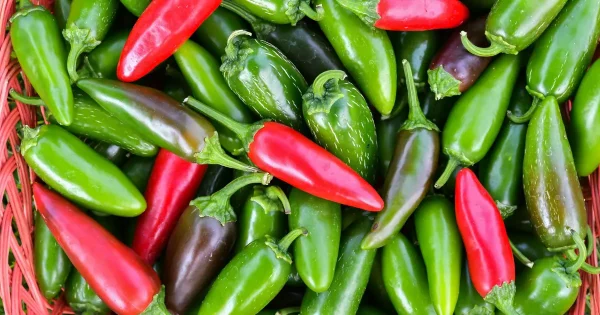
Master the Heat: 8 Expert Tips for Growing Jalapeños Like a Pro
Are you staring at your garden space, wondering why your pepper plants look more like [...]
Mar
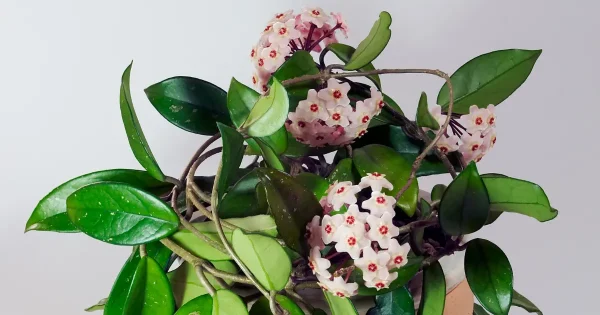
Top 5 Must-Have Hoya Varieties for Beginners
Hoyas are easily one of my top recommendations if you’re hunting for a low-maintenance houseplant [...]
Mar
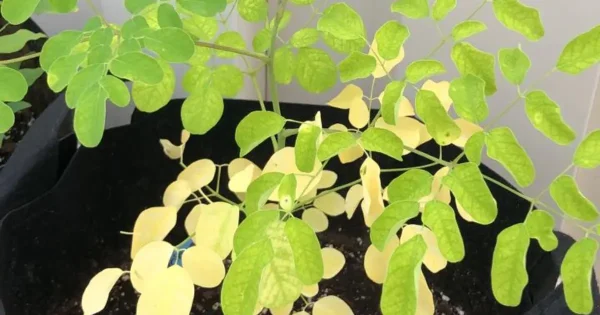
7 Moringa Plant Care Mistakes to Avoid for Healthy Growth
Have you ever looked at your Moringa tree and wondered why its once vibrant green [...]
Feb
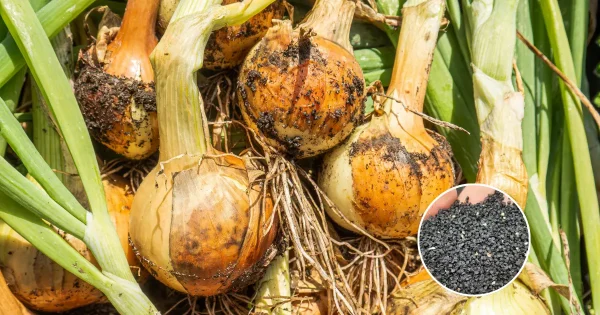
How to Grow Potato Onions From True Seeds: A Step-by-Step Guide
Have you ever wondered how to grow potato onions from true seeds or why some [...]
Feb
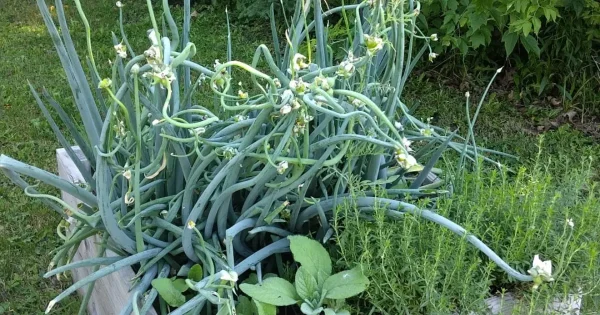
Growing Walking Onions in Containers: The Ultimate Guide
Have you ever looked at your small balcony or cramped patio and wished you could [...]
Feb

9 Best Flower Seeds to Start in February for Early Blooms
If you’re a passionate gardener, you know that itchy feeling in your fingers when February [...]
Jan
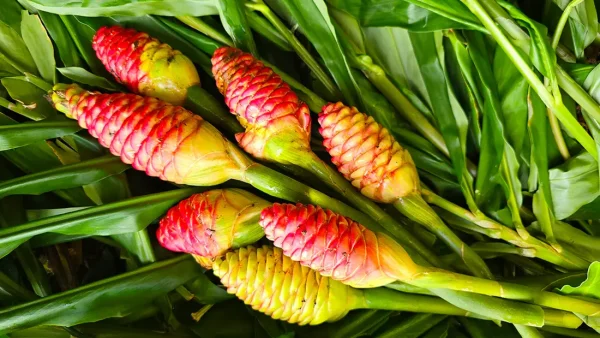
Growing Shampoo Ginger in Pots: Easy Guide to Potting Ginger Lilies
Are you looking to add a touch of exotic beauty to your home while growing [...]
Jan
Reviews
There are no reviews yet.