
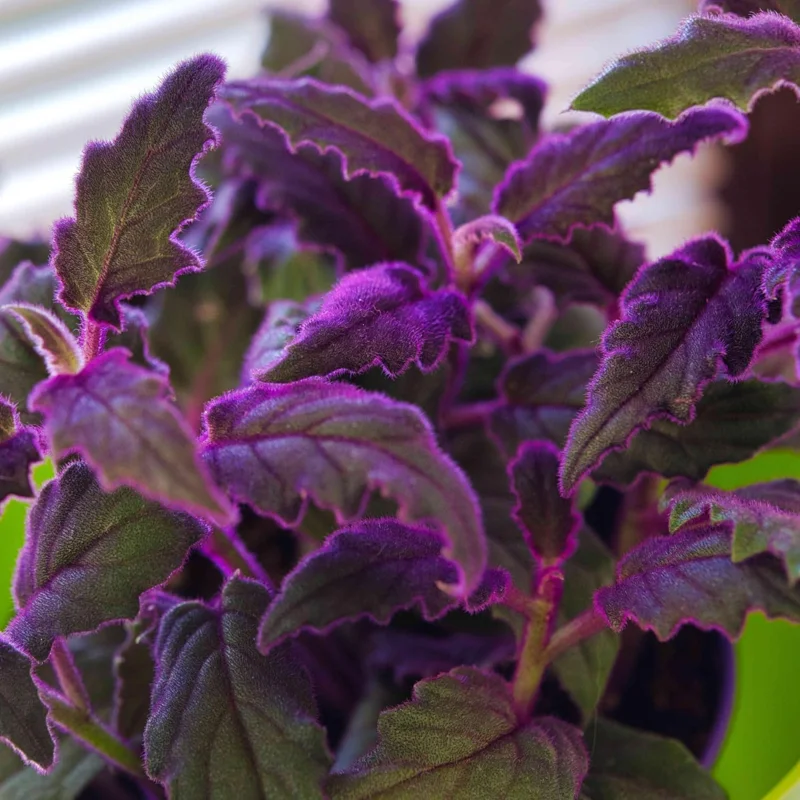
2 Purple Passion Live Plants, Gynura Velvet, 4-8 Inches, Indoor Outdoor Plant
$22.99
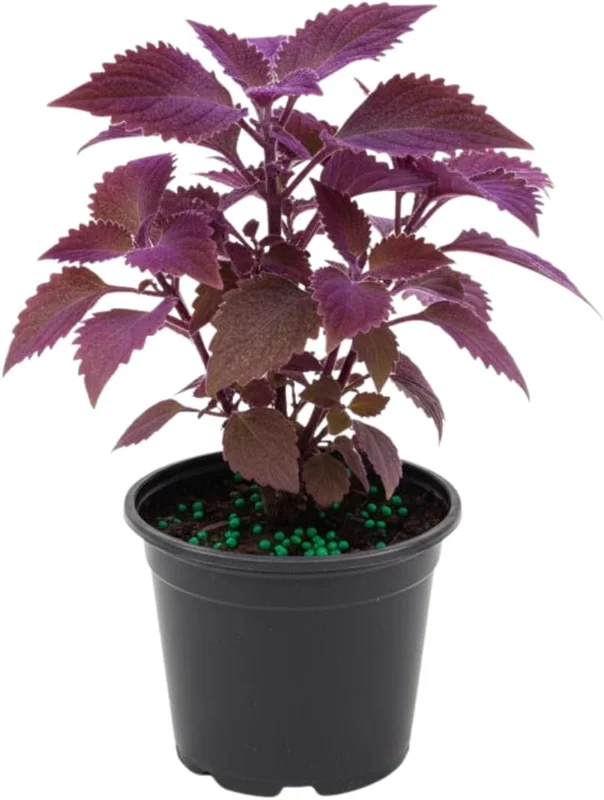
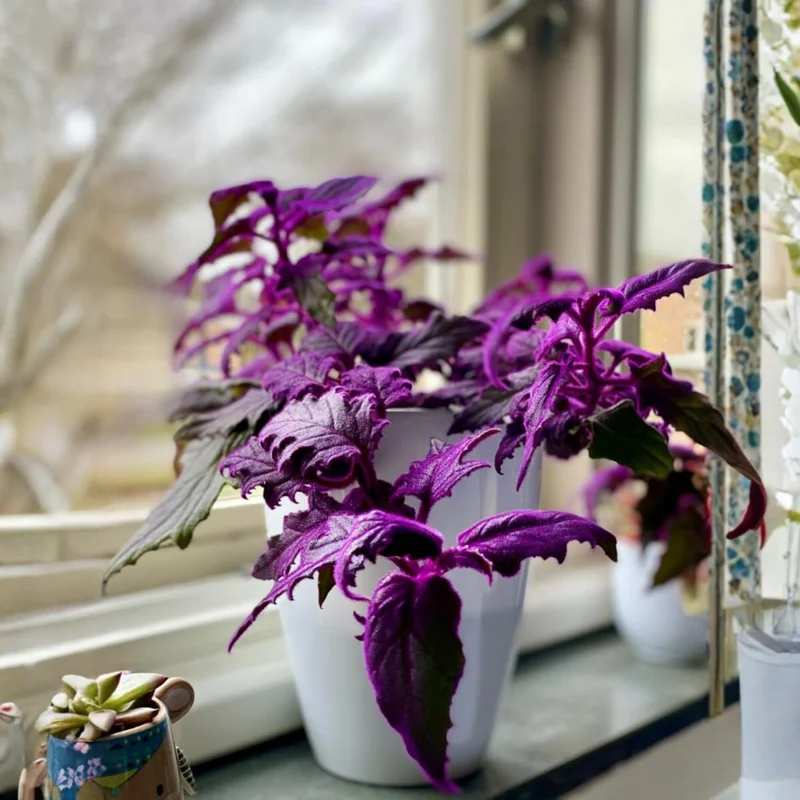
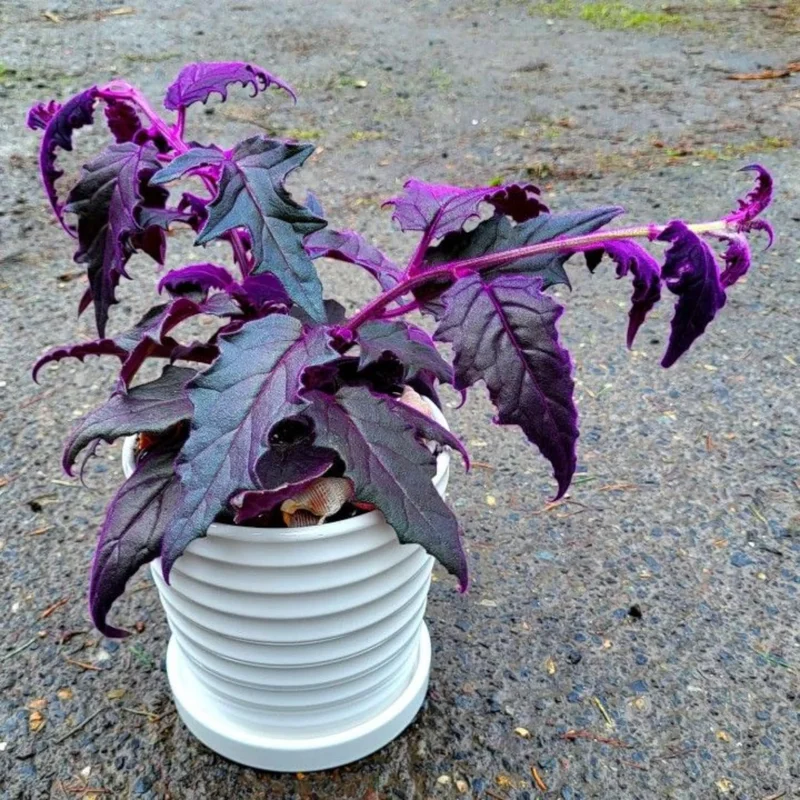
Bring vibrant color and unique texture to your home with these two purple passion live plant specimens. Each Gynura aurantiaca plant measures 4-8 inches, featuring fuzzy, intensely purple foliage. Perfect for both indoor plant collections and outdoor gardens in warm zones, these easy-care plants are sure to impress.
Shipping and Return policies:
We stand behind our plants with our Alive & Thrive Guarantee. If you experience any issues within the first 30 days, please email us, and our team will be happy to help. When needed, we’ll send you a one-time replacement free of charge to make sure your garden keeps growing strong.

Reasonable Price
We offer reasonable price

Support 24/7
Contact us 24 hrs a day
100% Money Back
You’ve 30 days to Return
Payment Secure
100% secure payment
Overview
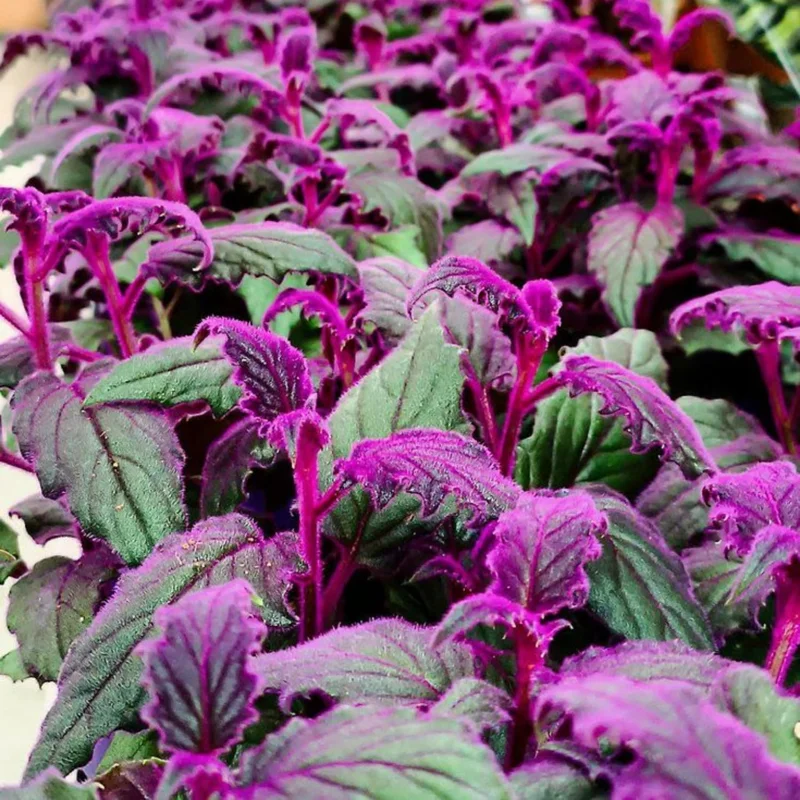
Discover the captivating beauty of the purple passion live plant, also known as Gynura aurantiaca or Purple Velvet Plant. This stunning plant is celebrated for its unique, fuzzy leaves that are covered in fine purple hairs, giving it a rich, velvety appearance. Originating from Southeast Asia, the gynura purple velvet is a tropical perennial that adds an exotic touch to any space. Whether you’re looking to enhance your indoor plant collection or add a splash of vibrant color to your outdoor garden, this plant is an excellent choice. It’s a relatively easy-care, fast-growing specimen, making it suitable for both novice and experienced plant enthusiasts. Our plants are well-established, measuring 4-8 inches, and are eager to be transplanted into their new home.
The allure of the Purple Passion Plant lies in its dynamic coloration; while its leaves are primarily green, the distinctive purple hairs create an iridescent sheen that shifts with the light. This visual appeal makes it a fantastic focal point. Beyond its aesthetic charm, the purple passion live plant is also known for its vigorous growth habit, quickly filling out containers or baskets. It’s a versatile plant that can be enjoyed in various settings, bringing a touch of the tropics to temperate climates when grown indoors, or adding a bold statement to shaded outdoor areas in warmer zones. Embrace the unique texture and color this plant offers, and watch it transform your living space.
Key Benefits
The purple passion live plant offers a multitude of benefits, making it a popular choice for plant lovers. Its striking appearance and relatively low-maintenance nature contribute to its widespread appeal. Here are some of the key advantages of adding this beautiful plant to your collection:
- Vibrant Foliage: The most prominent feature of the Gynura plant is its intensely purple, velvety leaves. These unique leaves provide a dramatic splash of color that can brighten up any room or garden space, standing out from traditional green foliage. The fine hairs create an almost iridescent quality, making it a truly striking velvety leaf plant.
- Easy Care: This purple passion live plant is known for being forgiving and relatively simple to care for, making it an excellent option for beginners or those with busy schedules. It adapts well to various indoor conditions with minimal fuss. Learning purple passion plant care is straightforward, ensuring success for new plant parents.
- Fast Growing: The Purple Passion Plant is a vigorous grower, quickly producing new foliage and filling out its container. This rapid growth means you won’t have to wait long to enjoy a lush, full plant, adding dynamic greenery to your space.
- Versatile Planting: Suitable for both indoor and outdoor environments (in appropriate climates), it can be grown in hanging baskets, containers, or as a groundcover. Its adaptability allows for creative display options, from a vibrant windowsill accent to a bold outdoor statement.
- Unique Texture: The soft, fuzzy texture of its leaves is tactile and adds another dimension of interest to your plant collection. It’s a plant that invites touch and close inspection, setting it apart from other foliage plants.
- Air Purification: Like many houseplants, this indoor purple plant can contribute to improved indoor air quality by filtering out certain toxins, creating a healthier living environment for you and your family.
- Visual Interest: Its unusual color and texture make it a conversation starter and a unique addition that complements other plants, providing contrast and depth in plant arrangements. The iridescent purple hairs of the gynura purple velvet are truly captivating.
Plant Care & Growing Tips
Caring for your purple passion live plant is a rewarding experience, as it thrives with consistent, basic attention. Understanding its specific needs will ensure it maintains its vibrant color and healthy growth. The Gynura aurantiaca prefers bright, indirect sunlight. Too much direct sun can scorch its delicate leaves, while too little light can cause the purple coloration to fade, leaving the leaves looking greener. An east or west-facing window is often ideal for an indoor purple plant, providing morning or late afternoon sun without harsh midday exposure. If growing outdoors, choose a location with dappled shade or protection from intense afternoon sun, especially in warmer climates. Maintaining proper light levels is crucial for its distinctive hue and to ensure healthy growth.
When it comes to watering, the Purple Passion Plant prefers consistently moist soil but should never be waterlogged, as this can lead to root rot. Allow the top inch of soil to dry out slightly between waterings, then water thoroughly until it drains from the bottom of the pot. Reduce watering during the cooler months when the plant’s growth slows. The ideal soil type is a well-draining potting mix, rich in organic matter. A standard all-purpose potting mix amended with perlite or sand for improved drainage works well. The plant thrives in USDA hardiness zones 9-11 outdoors, preferring temperatures between 60-75°F (15-24°C). Protect it from cold drafts and temperatures below 50°F (10°C), which can cause damage. Regular feeding with a balanced liquid fertilizer every 2-4 weeks during the growing season (spring through fall) will encourage lush growth. Pinching back leggy stems will promote a bushier plant and prevent it from becoming too sparse. This also helps in maintaining the striking appearance of your velvety leaf plant. Proper purple passion plant care ensures a thriving specimen.
Common problems include fading color due to insufficient light, or root rot from overwatering. Keep an eye out for common houseplant pests like spider mites or mealybugs, especially if growing indoors. Regular inspection and prompt treatment with insecticidal soap can keep these issues in check. Understanding the nuances of purple passion plant care is key to a thriving specimen, allowing you to enjoy its beauty for years to come.
Size & Details
This offering includes two individual purple passion live plant specimens, each well-established and measuring between 4 to 8 inches in height. These plants are supplied in a nursery pot, ready for immediate transplanting into your preferred decorative container or garden bed. The typical mature size of a Purple Passion Plant can vary depending on growing conditions and whether it’s allowed to trail or is regularly pruned. Indoors, it can reach lengths of 1-2 feet, making it an excellent choice for hanging baskets or as a cascading element on a shelf. Outdoors in ideal conditions, it can spread more extensively as a groundcover or climb if given support. It exhibits a fast growth rate, quickly developing new foliage and expanding its footprint, creating a lush display.
The Gynura aurantiaca is a perennial in warmer climates, providing year-round interest. In cooler zones, it is typically grown as an annual outdoors or brought indoors before the first frost. The vibrant purple coloration is most intense on new growth and in environments with adequate, indirect light. Expect these plants to continue growing and filling out, developing their characteristic fuzzy, velvety leaf plant appearance. They are shipped securely to ensure they arrive in excellent condition, prepared for their new home, and ready to bring a touch of unique color and texture to your space. The distinctive gynura purple velvet adds an exotic touch to any collection.
Frequently Asked Questions
- Q: How big does this plant get? A: This purple passion live plant typically grows 1 to 2 feet in length as an indoor plant, especially when allowed to trail. With regular pruning, it can be kept more compact and bushy, allowing you to control its size and shape.
- Q: Is this an indoor or outdoor plant? A: This plant is versatile and can be grown both indoors and outdoors. It thrives as an indoor purple plant in most climates and can be grown outdoors in USDA Hardiness Zones 9-11, where it can be a perennial.
- Q: How much sunlight does it need? A: The Purple Passion Plant prefers bright, indirect sunlight. Too much direct sun can burn its delicate leaves, while too little light can cause the vibrant purple color to fade, making its foliage appear greener.
- Q: Is this plant easy to care for? A: Yes, the Gynura aurantiaca is considered an easy-care plant, making it suitable for beginners. Its basic needs for light, water, and soil are straightforward to meet, simplifying purple passion plant care significantly.
- Q: What condition will it arrive in? A: Your plants will arrive well-established, measuring 4-8 inches tall, and securely packaged to ensure they reach you in healthy condition, ready for transplanting into their new home.
- Q: Can I propagate this plant? A: Yes, the Purple Passion Plant is very easy to propagate from stem cuttings. Simply take a cutting, remove the lower leaves, and place it in water or moist soil until roots develop, allowing you to create new plants.
- Q: Will it survive winter in my zone? A: If you live in USDA Zones 9-11, it can survive winter outdoors. In colder zones, it must be brought indoors before the first frost to protect it from freezing temperatures, making it an excellent indoor purple plant during colder months.
- Q: Why are the leaves of my gynura purple velvet turning green? A: If the vibrant purple color is fading and leaves are turning greener, it usually indicates that the plant is not receiving enough bright, indirect light. Move it to a brighter location to restore its characteristic hue.
- Q: Is this plant pet-safe? A: Gynura aurantiaca is generally considered to be non-toxic to pets, but it’s always best to prevent pets from ingesting any houseplant foliage as a precaution.
- Q: How often should I fertilize my velvety leaf plant? A: During the active growing season (spring and summer), fertilize every 2-4 weeks with a balanced liquid fertilizer diluted to half strength. Reduce or stop fertilizing in fall and winter when growth slows.
Be the first to review “2 Purple Passion Live Plants, Gynura Velvet, 4-8 Inches, Indoor Outdoor Plant”
You must be logged in to post a review.
People also Viewed
Sold 50 products
Original price was: $28.58.$19.99Current price is: $19.99.
Sold 50 products
$32.39
Sold 50 products
$21.59
Sold 50 products
$35.99
Sold 50 products
Price range: $23.15 through $25.19
Sold 50 products
$38.39
Sold 50 products
Price range: $28.79 through $35.99
Sold 50 products
$26.39RELATED posts
How to Grow Jalapeño Peppers From Seeds: A Step-by-Step Guide
Ready to spice things up in your garden? Jalapeños are the true life of the [...]
Apr
Top 12 Best Types of Peppers to Grow in Your Garden: Easy and High Yield
Growing peppers is, quite honestly, one of the biggest “wins” you can have in a [...]
Apr
Frostproof Jasmine Care: 7 Tips for Successful Pot Growth
Most gardenias are known for being “divas.” They want perfect humidity, perfect soil, and they [...]
Mar
Top 7 Best Smelling Jasmine Varieties for a Heavenly Garden
Have you ever walked past a house and caught a scent so sweet you just [...]
Mar
Master the Heat: 8 Expert Tips for Growing Jalapeños Like a Pro
Are you staring at your garden space, wondering why your pepper plants look more like [...]
Mar
Top 5 Must-Have Hoya Varieties for Beginners
Hoyas are easily one of my top recommendations if you’re hunting for a low-maintenance houseplant [...]
Mar
7 Moringa Plant Care Mistakes to Avoid for Healthy Growth
Have you ever looked at your Moringa tree and wondered why its once vibrant green [...]
Feb
How to Grow Potato Onions From True Seeds: A Step-by-Step Guide
Have you ever wondered how to grow potato onions from true seeds or why some [...]
Feb

Reviews
There are no reviews yet.