
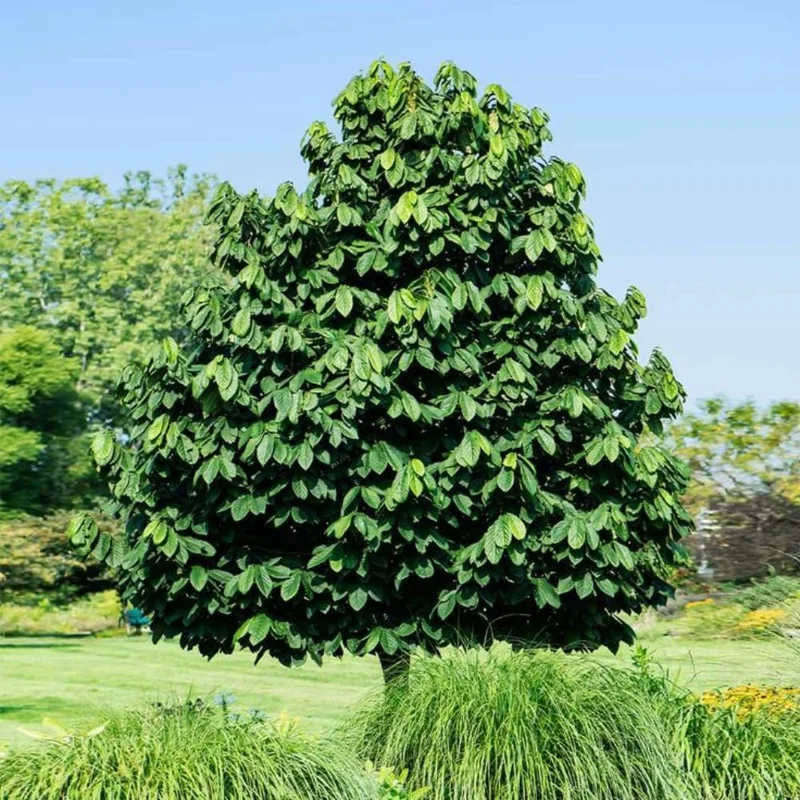
2 Pawpaw Trees Live Plants – Dormant Bare Root Seedlings 6-12 Inch Tall – Hardy Outdoor Fruit Trees
$24.99
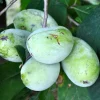
Cultivate your own unique fruit with this bundle of pawpaw trees live plants. You receive two dormant, bare root seedlings, each measuring 6-12 inches tall, ready for planting. These hardy fruit trees outdoor are known for their delicious, custardy fruit and are a wonderful addition to any garden or orchard.
Shipping and Return policies:
We stand behind our plants with our Alive & Thrive Guarantee. If you experience any issues within the first 30 days, please email us, and our team will be happy to help. When needed, we’ll send you a one-time replacement free of charge to make sure your garden keeps growing strong.

Reasonable Price
We offer reasonable price

Support 24/7
Contact us 24 hrs a day
100% Money Back
You’ve 30 days to Return
Payment Secure
100% secure payment
Overview
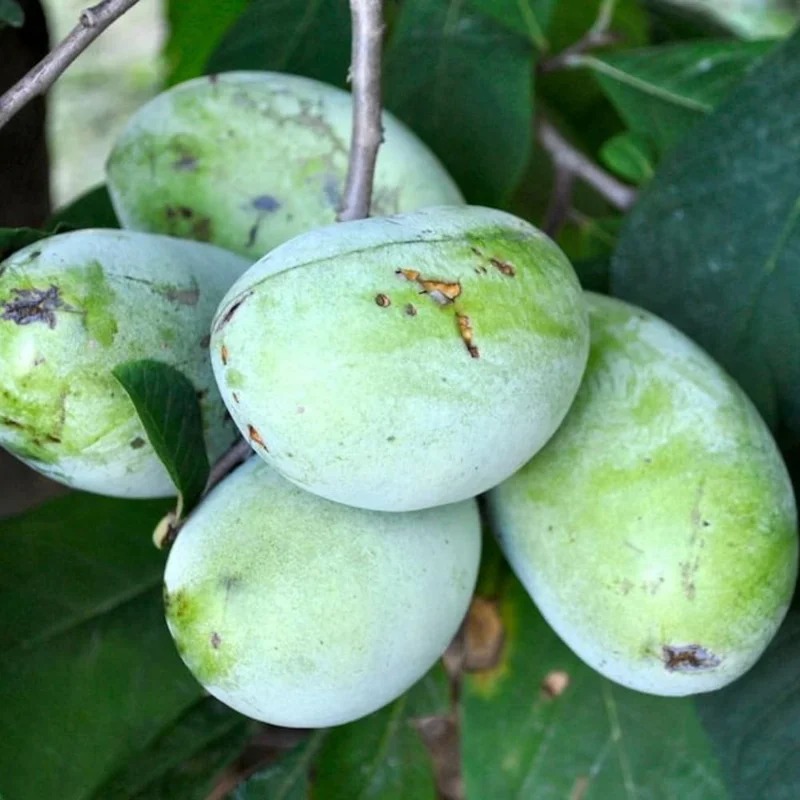
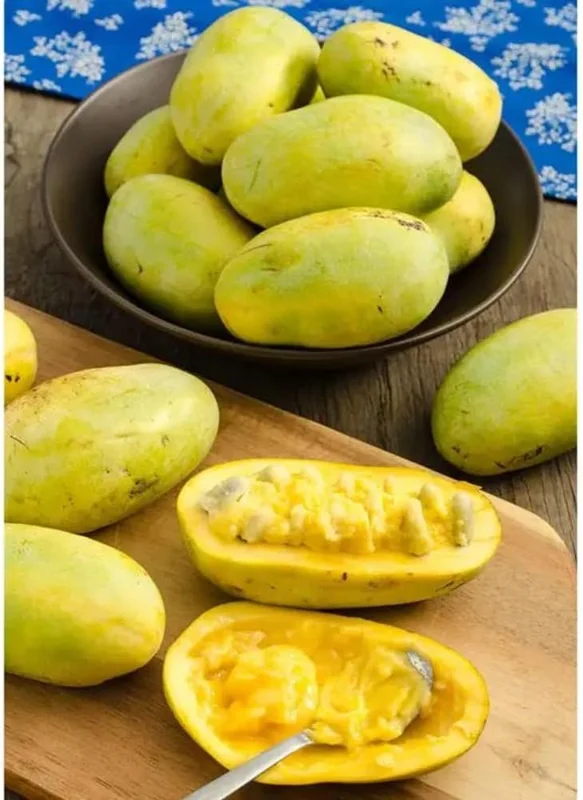
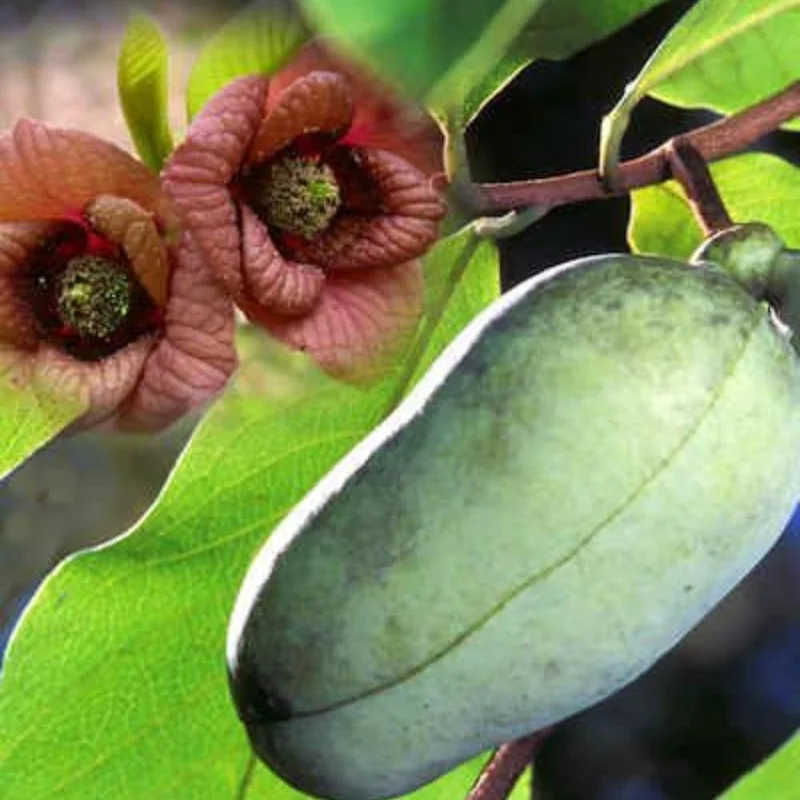
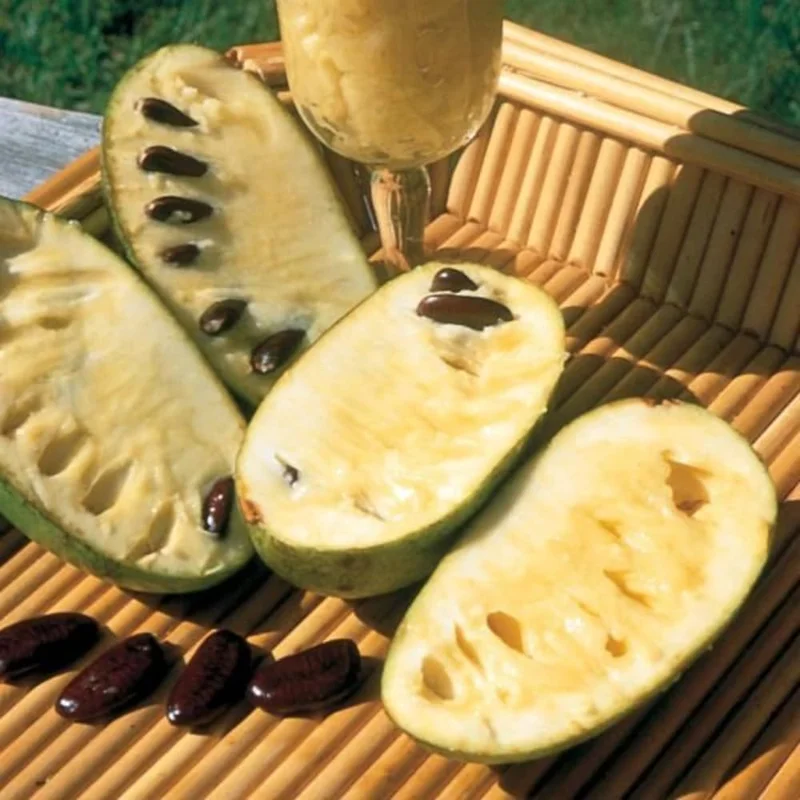
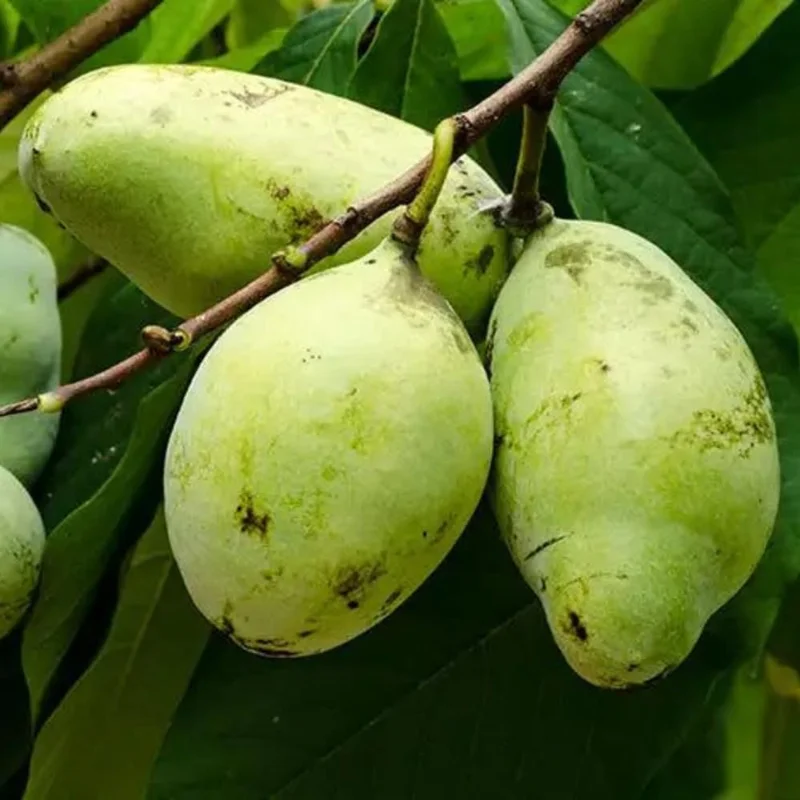
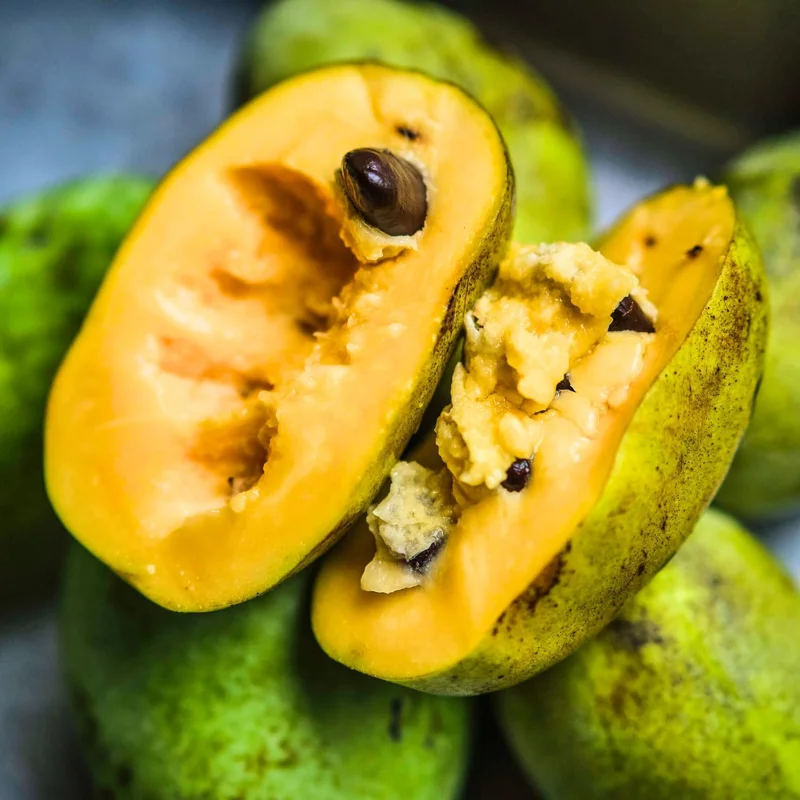
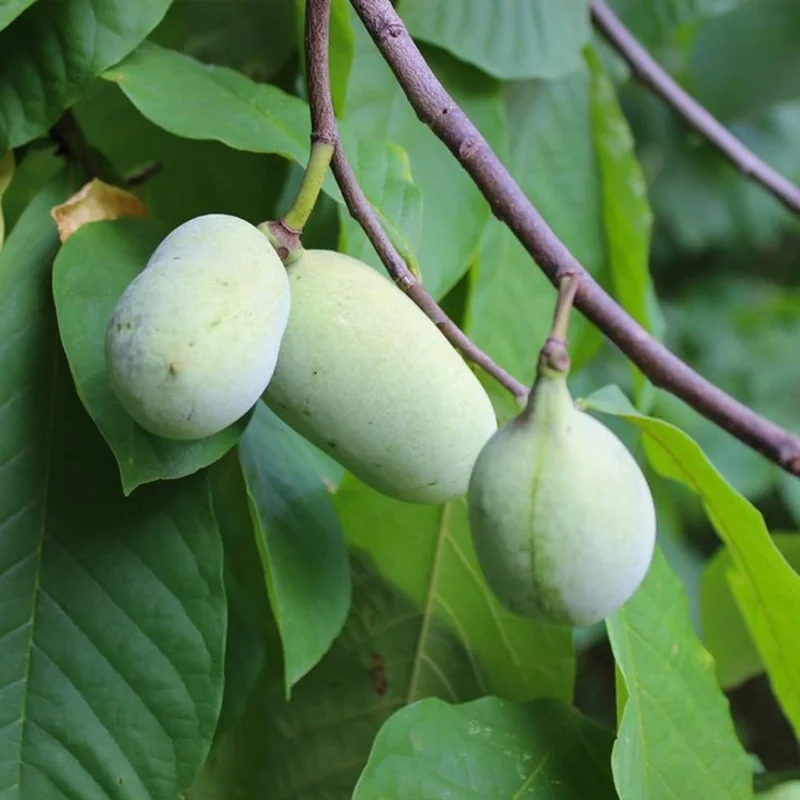
Embark on a rewarding gardening journey with these pawpaw trees live plants. This offering includes two healthy, dormant bare root pawpaw seedlings, each standing approximately 6-12 inches tall, making them ideal for easy planting and quick establishment. Pawpaws, scientifically known as Asimina triloba, are North America’s largest native edible fruit, often described as having a tropical custard-like flavor reminiscent of banana, mango, and pineapple. These resilient trees are an excellent choice for home gardeners looking to add a unique and delicious fruit to their landscape. Our pawpaw seedlings for sale are carefully prepared to ensure successful transplantation and vigorous growth, providing you with the foundation for a thriving pawpaw patch. They are perfect for creating a native food forest or simply enjoying fresh, homegrown fruit.
The pawpaw tree is a deciduous tree that thrives in temperate climates, producing its distinctive fruit in late summer to early autumn. These bare root pawpaw plants are shipped in their dormant state, which is the optimal time for planting to minimize transplant shock and encourage robust root development. With proper care, these young trees will grow into mature, fruit-bearing specimens, offering both ornamental beauty and a bountiful harvest. Whether you are an experienced gardener or new to fruit tree cultivation, growing pawpaw trees can be a delightful and fulfilling experience that connects you with indigenous American horticulture.
Key Benefits
Adding pawpaw trees live plants to your garden provides a multitude of advantages, from their unique fruit to their ecological benefits. These adaptable trees are a fantastic investment for any outdoor space.
- Unique Edible Fruit: Enjoy the rare and delicious taste of pawpaws, often likened to a tropical custard. These fruits are high in vitamins and minerals, offering a healthy and exotic addition to your diet directly from your backyard.
- Native & Hardy: As native North American trees, pawpaws are incredibly hardy and well-suited to various climates, especially the eastern and midwestern United States. They are naturally resistant to many pests and diseases, simplifying their care.
- Low Maintenance: Once established, these hardy fruit trees outdoor require relatively low maintenance compared to many other fruit trees. They are adaptable to a range of soil types and can tolerate both partial shade and full sun conditions.
- Ecological Value: Pawpaw trees serve as a host plant for the zebra swallowtail butterfly, contributing to local biodiversity. Their presence enhances the ecological balance of your garden, attracting beneficial insects and wildlife.
- Bare Root Advantage: Shipping as bare root pawpaw seedlings means less plastic waste and often results in quicker establishment once planted, as the roots can immediately begin to spread into the surrounding soil.
- Easy Establishment: Measuring 6-12 inches tall, these young seedlings are at an ideal size for planting, allowing them to acclimate quickly and begin their growth journey in your garden.
- Long-Term Investment: Pawpaw trees are long-lived, providing decades of delicious fruit and shade. Growing pawpaw trees is a sustainable choice that yields rewards for many years to come.
Plant Care & Growing Tips
Successful growing pawpaw trees begins with understanding their specific needs. These pawpaw trees live plants are relatively forgiving, but a few key considerations will ensure their optimal health and fruit production. Pawpaws prefer moist, well-drained soil that is slightly acidic to neutral (pH 5.5-7.0). Enriching the soil with organic matter before planting will provide a good start. When planting your bare root pawpaw seedlings, dig a hole wide enough to accommodate the root system without bending, and deep enough so the root collar is level with the ground. Backfill with soil, gently firming it around the roots to remove air pockets, and water thoroughly immediately after planting.
For sunlight exposure, young pawpaw trees, especially these pawpaw seedlings for sale, benefit from partial shade for their first year or two, protecting them from intense afternoon sun. As they mature, they can tolerate and even prefer full sun for best fruit production, requiring at least 6-8 hours of direct sunlight daily. Consistent moisture is crucial, especially during dry spells and the fruit development period. Aim for about 1 inch of water per week, either from rainfall or irrigation. Avoid waterlogging, as this can lead to root rot. Fertilize sparingly in the spring with a balanced, slow-release fertilizer designed for fruit trees, once the trees are established.
Pawpaws are cold-hardy, generally thriving in USDA Zones 5-8. They require a period of winter chill to produce fruit effectively. Protect young trees from deer browsing, as deer can damage tender new growth. Pruning is usually minimal, focused on removing dead, damaged, or crossing branches to maintain good air circulation and tree structure. While pawpaws are generally self-incompatible (meaning they need cross-pollination from a different pawpaw tree for fruit set), having two pawpaw trees live plants from different genetic backgrounds will greatly increase your chances of a successful harvest. Consider planting them within 20-30 feet of each other for optimal pollination.
Size & Details
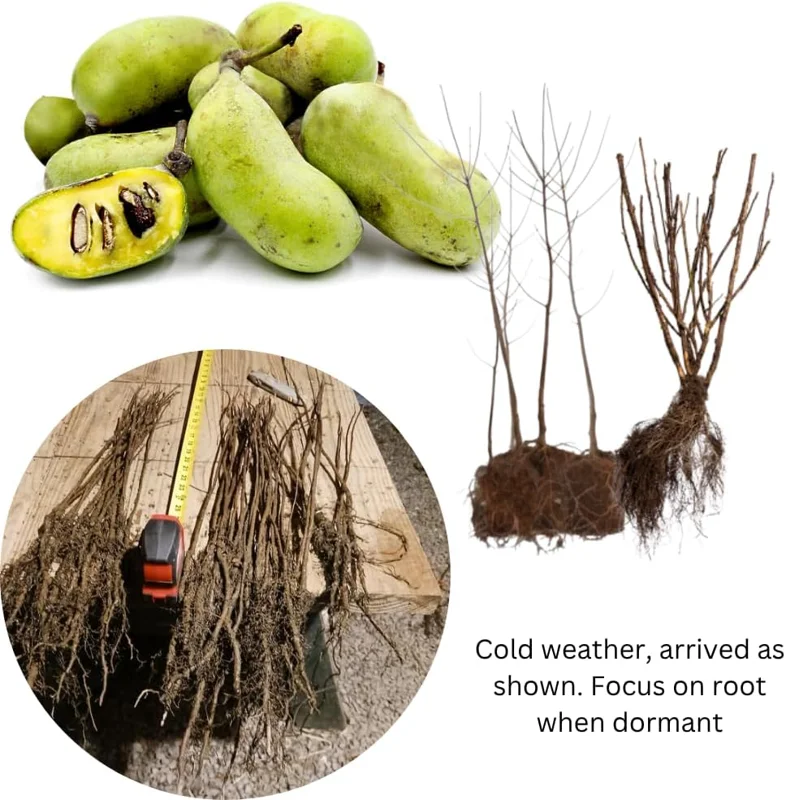
This offering includes two pawpaw trees live plants, specifically dormant bare root seedlings. Each seedling measures approximately 6-12 inches tall upon arrival, an ideal size for transplanting and quick establishment in your garden. When mature, these hardy fruit trees outdoor can reach heights of 15-30 feet with a spread of 15-20 feet, forming an attractive, pyramidal canopy. Growth rate is moderate, with significant development typically occurring after the first year of establishment. The plants are shipped bare root, meaning they arrive without soil around their roots, which is standard practice for dormant deciduous trees and helps minimize transplant shock. Expect to see new growth emerge in the spring following planting, as the trees break dormancy. Fruit production typically begins 3-5 years after planting, with increasing yields as the trees mature.
Frequently Asked Questions
- Q: How big are the pawpaw trees when they arrive? A: Your pawpaw trees live plants will arrive as dormant bare root seedlings, typically measuring between 6 to 12 inches tall. This size is perfect for successful planting and encourages rapid root development in their new home.
- Q: Is this an indoor or outdoor plant? A: Pawpaw trees are outdoor plants. They are hardy fruit trees outdoor that require a period of winter dormancy and ample space to grow into mature, fruit-bearing trees.
- Q: How much sunlight do pawpaw trees need? A: Young pawpaw seedlings for sale prefer partial shade for their first year or two. Mature pawpaw trees thrive in full sun, requiring at least 6-8 hours of direct sunlight daily for optimal fruit production.
- Q: How long until these pawpaw trees produce fruit? A: Typically, growing pawpaw trees from these seedlings will begin to bear fruit in 3 to 5 years after planting, with yields increasing as the trees mature. Patience is key for a delicious harvest.
- Q: What condition will the bare root pawpaw seedlings arrive in? A: Your seedlings will arrive in a dormant, bare root state, meaning they will not have leaves or soil around their roots. This is the ideal and safest way to ship these types of trees for successful transplanting.
- Q: What is the best time to plant these pawpaw trees? A: The best time to plant dormant bare root pawpaw seedlings is in early spring, as soon as the soil can be worked, but before the trees break dormancy. This allows them to establish roots before hot weather arrives.
- Q: What USDA zones are suitable for growing pawpaw trees? A: Pawpaw trees are cold-hardy and generally thrive in USDA Hardiness Zones 5-8. They require sufficient winter chill to produce fruit.
- Q: Do I need more than one pawpaw tree to get fruit? A: Yes, pawpaw trees are typically not self-pollinating. You will need at least two genetically different pawpaw trees live plants for successful cross-pollination and fruit production, which is why this bundle includes two seedlings.
- Q: Are pawpaw trees difficult to care for? A: Once established, growing pawpaw trees is relatively easy. They are low-maintenance and naturally resistant to many common pests and diseases, making them a good choice for both novice and experienced gardeners.
- Q: What kind of soil do pawpaw trees prefer? A: Pawpaw trees prefer moist, well-draining soil with a slightly acidic to neutral pH (5.5-7.0). Amending the soil with organic matter will help them thrive.
Be the first to review “2 Pawpaw Trees Live Plants – Dormant Bare Root Seedlings 6-12 Inch Tall – Hardy Outdoor Fruit Trees”
You must be logged in to post a review.
People also Viewed
Sold 50 products
Original price was: $17.58.$11.86Current price is: $11.86.
Sold 50 products
Price range: $32.99 through $35.99
Sold 50 products
$69.99
Sold 50 products
$18.99
Sold 50 products
Price range: $14.98 through $23.89
Sold 50 products
$32.99
Sold 50 products
$24.99
Sold 50 products
Price range: $43.99 through $44.99RELATED posts
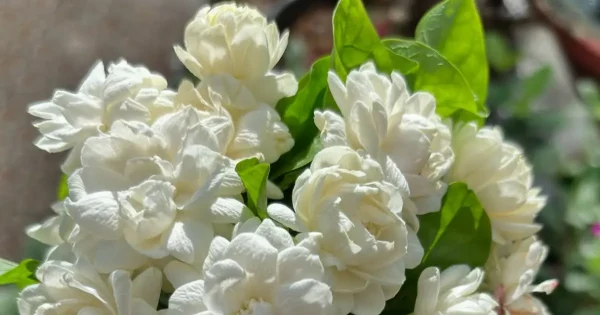
Top 7 Best Smelling Jasmine Varieties for a Heavenly Garden
Have you ever walked past a house and caught a scent so sweet you just [...]
Mar
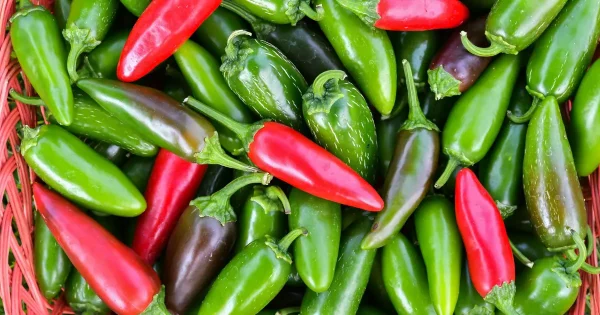
Master the Heat: 8 Expert Tips for Growing Jalapeños Like a Pro
Are you staring at your garden space, wondering why your pepper plants look more like [...]
Mar
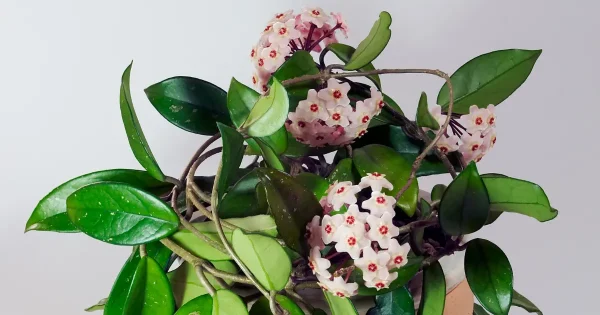
Top 5 Must-Have Hoya Varieties for Beginners
Hoyas are easily one of my top recommendations if you’re hunting for a low-maintenance houseplant [...]
Mar
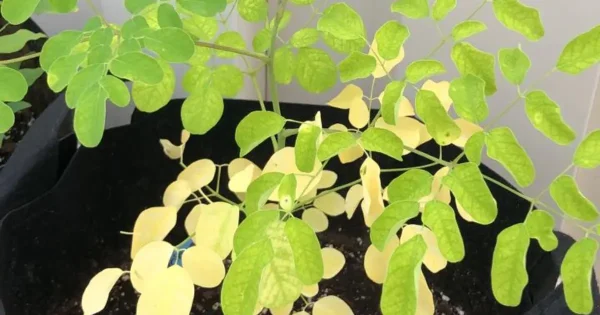
7 Moringa Plant Care Mistakes to Avoid for Healthy Growth
Have you ever looked at your Moringa tree and wondered why its once vibrant green [...]
Feb
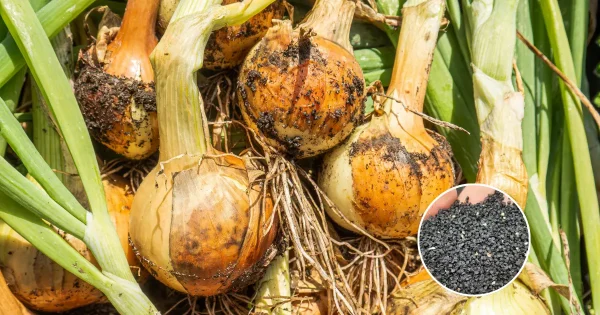
How to Grow Potato Onions From True Seeds: A Step-by-Step Guide
Have you ever wondered how to grow potato onions from true seeds or why some [...]
Feb
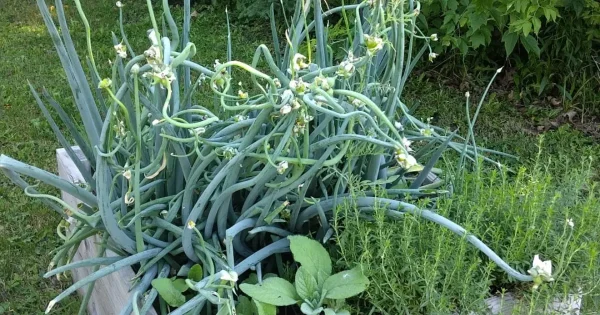
Growing Walking Onions in Containers: The Ultimate Guide
Have you ever looked at your small balcony or cramped patio and wished you could [...]
Feb

9 Best Flower Seeds to Start in February for Early Blooms
If you’re a passionate gardener, you know that itchy feeling in your fingers when February [...]
Jan
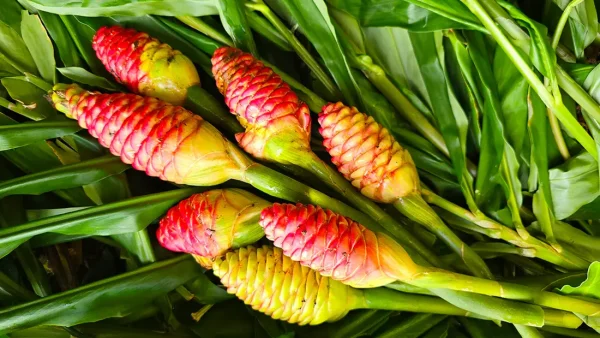
Growing Shampoo Ginger in Pots: Easy Guide to Potting Ginger Lilies
Are you looking to add a touch of exotic beauty to your home while growing [...]
Jan


Reviews
There are no reviews yet.