


2 Curcuma Turmeric Ginger Live Plants, 4-6 Inch Tall, for Planting
Original price was: $37.98.$26.99Current price is: $26.99.
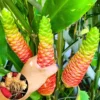
2 Curcuma Turmeric Ginger Live Plants, each measuring 4-6 inches tall. These vibrant plants are ready for planting and offer both ornamental beauty and culinary potential. Ideal for those interested in growing turmeric indoors or in warm outdoor climates.
Shipping and Return policies:
We stand behind our plants with our Alive & Thrive Guarantee. If you experience any issues within the first 30 days, please email us, and our team will be happy to help. When needed, we’ll send you a one-time replacement free of charge to make sure your garden keeps growing strong.

Reasonable Price
We offer reasonable price

Support 24/7
Contact us 24 hrs a day
100% Money Back
You’ve 30 days to Return
Payment Secure
100% secure payment
Embark on a rewarding gardening journey with our curcuma turmeric live plant, a fantastic addition for both culinary enthusiasts and plant lovers. This offering includes two robust ginger curcuma plants, each standing 4-6 inches tall, ready to thrive in your home or garden. Turmeric, scientifically known as Curcuma longa, is a flowering plant of the ginger family, Zingiberaceae. Native to Southeast Asia, it requires warm temperatures and ample moisture to flourish. Renowned for its bright orange rhizomes, which are commonly ground into a spice, turmeric is a staple in many cuisines and traditional medicines. These young plants provide an excellent opportunity for you to experience the satisfaction of cultivating your own fresh turmeric, whether you are an experienced gardener or just starting out with growing turmeric indoors. They are shipped live and healthy, ensuring a strong start for your new botanical endeavor.
Our curcuma turmeric live plant is not just a source of spice; it’s also a beautiful tropical plant with lush foliage, making it an attractive ornamental. The vibrant green leaves and potential for unique, cone-like flowers add an exotic touch to any space. Imagine harvesting fresh turmeric rhizomes from your own plants, ensuring the highest quality and freshness for your cooking. This set of two plants makes it easy to begin your own turmeric patch, providing a generous yield of this versatile and beneficial spice.
Key Benefits
Owning a curcuma turmeric live plant offers a multitude of advantages, blending aesthetic appeal with practical utility. These plants are a joy to grow and provide a tangible reward for your gardening efforts:
- Fresh, Homegrown Turmeric: Enjoy the unparalleled freshness and flavor of turmeric harvested directly from your own plants. Unlike store-bought powdered turmeric, homegrown rhizomes offer a more potent and vibrant taste for your culinary creations.
- Ornamental Appeal: Beyond its culinary uses, the ginger curcuma benefits also include its striking appearance. With its broad, verdant leaves, the plant adds a lush, tropical ambiance to any indoor or outdoor setting, enhancing your home decor.
- Health and Wellness: Turmeric is widely recognized for its potential health-promoting properties, particularly due to compounds like curcumin. Having a fresh supply means you can easily incorporate this powerful ingredient into your diet.
- Educational Experience: Growing turmeric from a live plant offers a fascinating educational experience for all ages, teaching about plant life cycles, cultivation, and the origins of common spices.
- Pest Resistance: Turmeric plants are generally robust and exhibit good resistance to many common garden pests, making them a relatively low-maintenance option for gardeners.
- Versatile Growing Options: These plants are suitable for both indoor cultivation in pots, especially in cooler climates, and outdoor planting in warmer zones, providing flexibility for various gardening setups.
- Sustainable Sourcing: Cultivating your own turmeric reduces reliance on commercial supply chains and allows for sustainable, organic growing practices, giving you control over what goes into your food.
Plant Care & Growing Tips
Caring for your curcuma turmeric live plant is a rewarding process that requires attention to a few key environmental factors. Turmeric thrives in warm, humid conditions, mimicking its native tropical environment. For optimal growth, provide your plants with bright, indirect sunlight. While they can tolerate some direct morning sun, intense afternoon sun can scorch their leaves. If growing turmeric indoors, place them near a south or west-facing window where they receive plenty of ambient light but are shielded from harsh direct rays. Outdoors, a spot with dappled shade or morning sun and afternoon shade is ideal.
Watering is crucial for turmeric. The soil should be kept consistently moist but never waterlogged. Allow the top inch of soil to dry slightly between waterings, then water thoroughly until it drains from the bottom of the pot. Reduce watering during cooler months when the plant may enter a dormant phase. Good drainage is paramount to prevent rhizome rot, so plant in a well-draining potting mix. A blend of peat moss, perlite, and compost works well. Turmeric prefers rich, fertile soil, so consider amending your soil with organic matter before planting. Fertilize every 2-4 weeks during the growing season (spring and summer) with a balanced liquid fertilizer diluted to half strength. When considering how to grow turmeric, remember that warm temperatures are key; aim for ambient temperatures between 68-95°F (20-35°C). Turmeric is sensitive to cold and will not tolerate frost, so bring potted plants indoors before the first frost if you live in a colder climate.
Common problems often arise from improper watering or light. Yellowing leaves can indicate overwatering or nutrient deficiency. Brown, crispy leaf edges usually point to underwatering or low humidity. Pests are generally not a major issue for turmeric, but occasionally spider mites or aphids may appear. Address these with insecticidal soap or neem oil. Harvesting typically occurs 8-10 months after planting, when the leaves begin to yellow and die back. Gently dig up the rhizomes, clean them, and save some for re-planting to ensure a continuous supply of your own curcuma turmeric live plant.
Size & Details
This offering includes two individual curcuma turmeric live plant specimens, each carefully nurtured to reach a height of approximately 4-6 inches tall at the time of shipment. These young, vigorous plants are delivered in their nursery pots, ready for you to transplant into larger containers or directly into your garden beds, depending on your climate and preference. Turmeric plants are known for their moderate growth rate, typically reaching a mature height of 3-5 feet with a similar spread when given optimal growing conditions. The rhizomes, which are the harvested part of the plant, will develop underground over several months, usually becoming ready for harvest within 8-10 months after planting. Each plant is packed to ensure its health and vitality upon arrival, providing you with a strong foundation for a thriving turmeric patch. For those interested in ginger curcuma benefits and cultivation, these plants offer an accessible way to start.
Expect your plants to arrive with established root systems, indicating their readiness for transplantation. While the initial size is compact, with proper care and adequate space, these plants will grow significantly, producing lush foliage and eventually yielding fresh, aromatic turmeric rhizomes. Whether you plan on growing turmeric indoors as a potted plant or outdoors in a garden bed, these 4-6 inch tall starters are an excellent choice for a successful harvest.
Frequently Asked Questions
- Q: How big will the curcuma turmeric live plant get? A: With proper care, turmeric plants typically grow to a height of 3-5 feet and can spread similarly. The rhizomes, which are the edible part, develop underground over several months.
- Q: Is this an indoor or outdoor plant? A: Turmeric can be grown both indoors and outdoors. It thrives in warm, humid climates (USDA zones 9-11) outdoors. In cooler regions, it’s best grown in containers and brought indoors before the first frost.
- Q: How much sunlight does it need? A: Turmeric prefers bright, indirect sunlight or partial shade. Avoid intense, direct afternoon sun, which can scorch the leaves. If indoors, place near a bright window.
- Q: Is this plant easy to care for? A: Turmeric is relatively easy to care for if its basic needs for warmth, consistent moisture, and indirect light are met. It’s a great option for gardeners looking into how to grow turmeric.
- Q: What condition will it arrive in? A: Your curcuma turmeric live plant will arrive as healthy, established plants, 4-6 inches tall, in their nursery pots, ready for transplanting.
- Q: Can I use the turmeric from this plant in cooking? A: Yes, absolutely! The primary purpose of growing these plants is to harvest fresh turmeric rhizomes for culinary use. Homegrown turmeric offers superior flavor and aroma.
- Q: When is the best time to plant? A: The best time to plant turmeric is in the spring, once all danger of frost has passed and soil temperatures have warmed up. If growing turmeric indoors, you can start any time of year.
- Q: What type of soil does it need? A: Turmeric thrives in rich, well-draining soil. A good potting mix amended with compost or other organic matter is ideal to ensure good drainage and fertility.
- Q: How often should I water my turmeric plant? A: Keep the soil consistently moist but not waterlogged. Allow the top inch of soil to dry slightly before watering again. Reduce watering during dormancy.
- Q: What are the ginger curcuma benefits? A: Beyond culinary use, turmeric is valued for its potential anti-inflammatory and antioxidant properties. Growing it yourself ensures fresh access to these benefits.
Be the first to review “2 Curcuma Turmeric Ginger Live Plants, 4-6 Inch Tall, for Planting”
You must be logged in to post a review.
People also Viewed
Sold 50 products
Price range: $32.99 through $35.99
Sold 50 products
$69.99
Sold 50 products
$18.99
Sold 50 products
Price range: $14.98 through $23.89
Sold 50 products
$32.99
Sold 50 products
$24.99
Sold 50 products
Price range: $43.99 through $44.99
Sold 50 products
Price range: $41.99 through $43.99RELATED posts
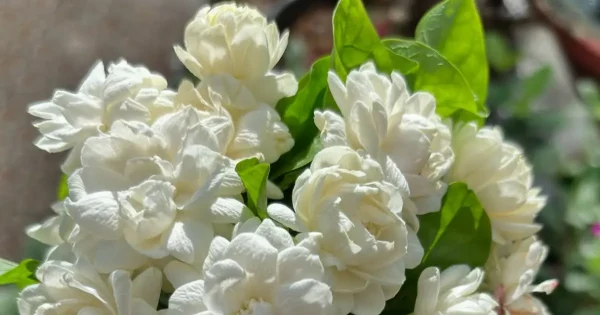
Top 7 Best Smelling Jasmine Varieties for a Heavenly Garden
Have you ever walked past a house and caught a scent so sweet you just [...]
Mar
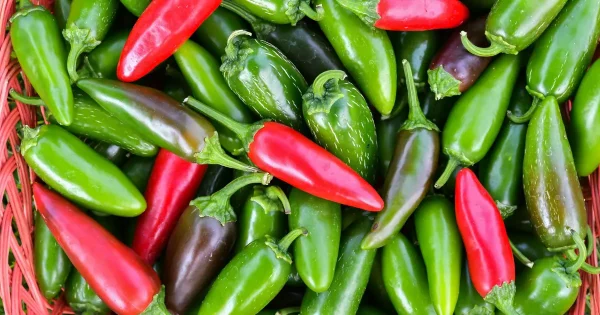
Master the Heat: 8 Expert Tips for Growing Jalapeños Like a Pro
Are you staring at your garden space, wondering why your pepper plants look more like [...]
Mar
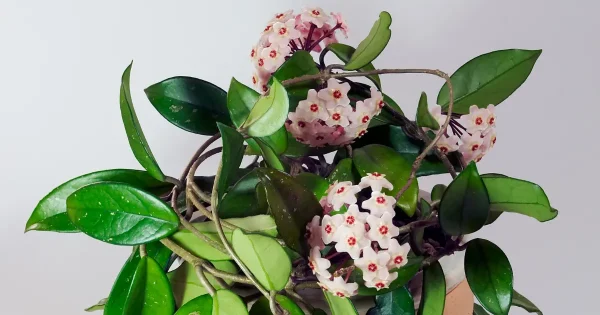
Top 5 Must-Have Hoya Varieties for Beginners
Hoyas are easily one of my top recommendations if you’re hunting for a low-maintenance houseplant [...]
Mar
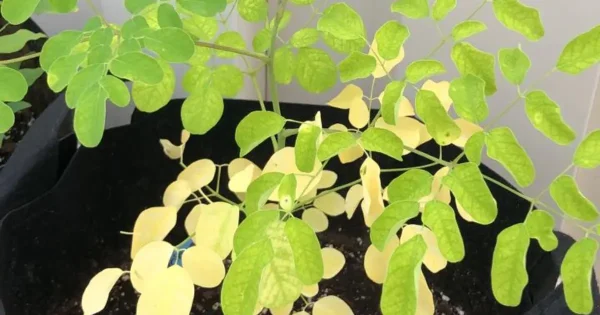
7 Moringa Plant Care Mistakes to Avoid for Healthy Growth
Have you ever looked at your Moringa tree and wondered why its once vibrant green [...]
Feb
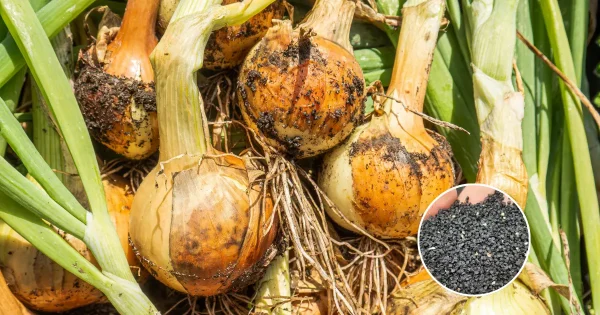
How to Grow Potato Onions From True Seeds: A Step-by-Step Guide
Have you ever wondered how to grow potato onions from true seeds or why some [...]
Feb
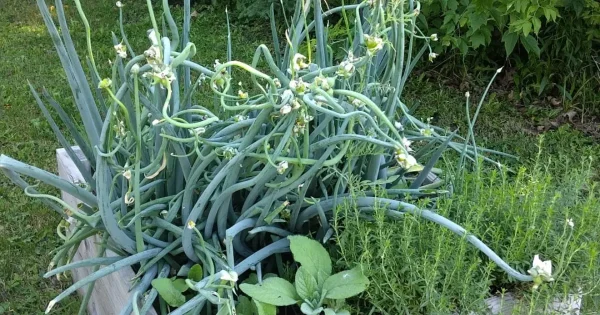
Growing Walking Onions in Containers: The Ultimate Guide
Have you ever looked at your small balcony or cramped patio and wished you could [...]
Feb

9 Best Flower Seeds to Start in February for Early Blooms
If you’re a passionate gardener, you know that itchy feeling in your fingers when February [...]
Jan
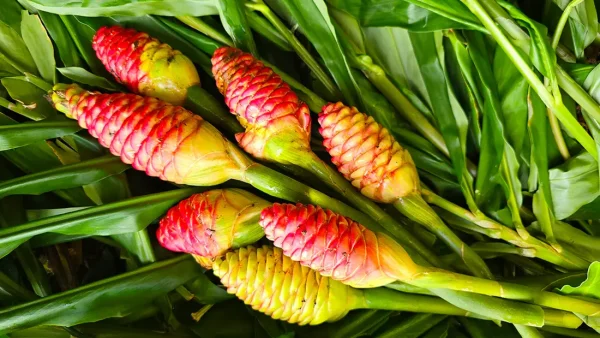
Growing Shampoo Ginger in Pots: Easy Guide to Potting Ginger Lilies
Are you looking to add a touch of exotic beauty to your home while growing [...]
Jan

Reviews
There are no reviews yet.