
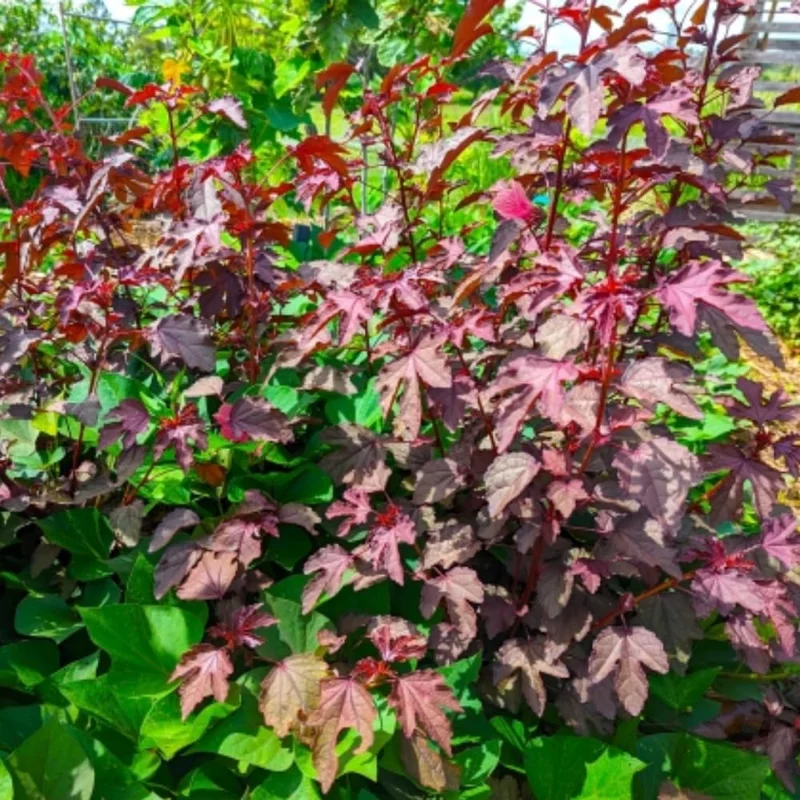
2 Cranberry Hibiscus Live Plants, 4-8 Inches Tall, Edible Leaves, Full Sun
$27.49
Add a splash of vibrant color and unique flavor to your garden with this cranberry hibiscus live plant two-pack. These 4-8 inch tall plants feature stunning red-burgundy foliage and offer tangy, edible hibiscus leaves perfect for culinary uses. Ideal for warm climates, they are fast growing hibiscus and easy to care for.
Shipping and Return policies:
We stand behind our plants with our Alive & Thrive Guarantee. If you experience any issues within the first 30 days, please email us, and our team will be happy to help. When needed, we’ll send you a one-time replacement free of charge to make sure your garden keeps growing strong.

Reasonable Price
We offer reasonable price

Support 24/7
Contact us 24 hrs a day
100% Money Back
You’ve 30 days to Return
Payment Secure
100% secure payment
Overview
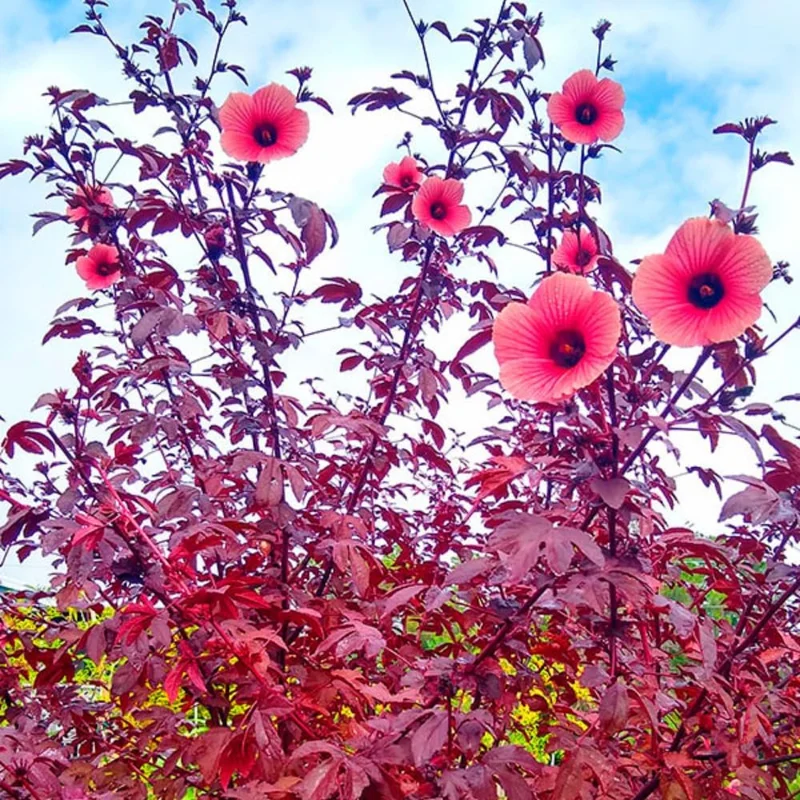
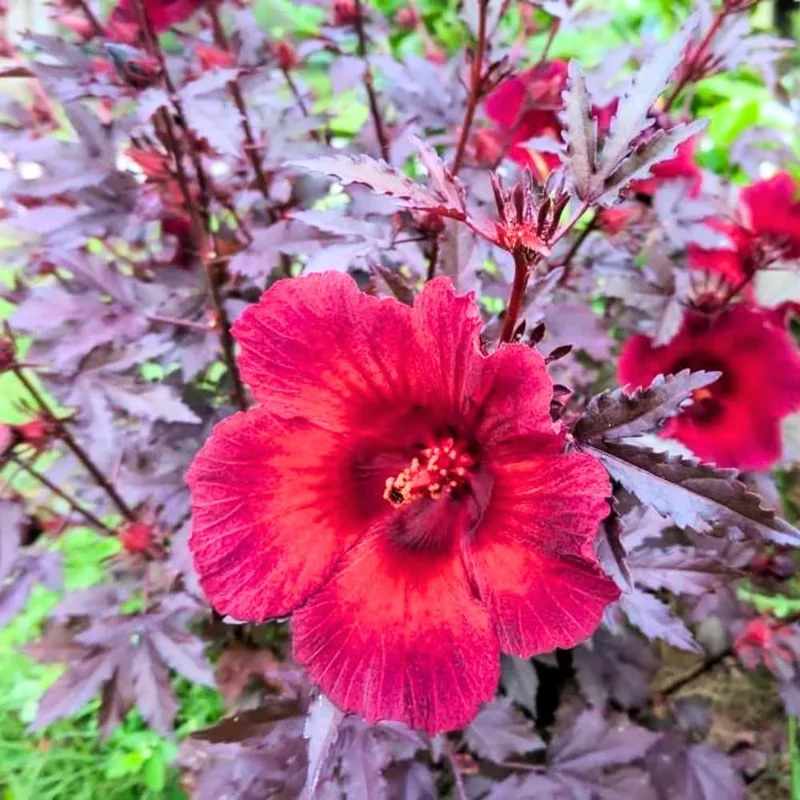
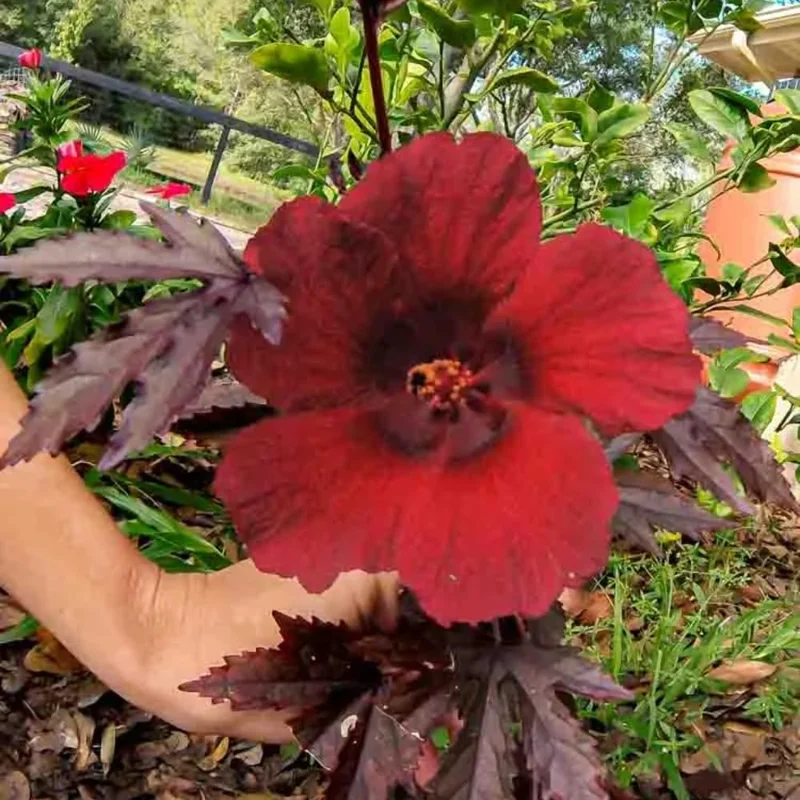
Introduce a tropical touch and a culinary delight to your garden with the stunning cranberry hibiscus live plant. This offering includes two well-rooted plants, each measuring approximately 4-8 inches tall, ready to thrive in your landscape or containers. Known scientifically as Hibiscus acetosella, the cranberry hibiscus is cherished not only for its striking ornamental value but also for its delicious, tangy, and edible hibiscus leaves. Its deep red to burgundy foliage provides a bold, tropical aesthetic that can transform any garden space. Unlike many hibiscus varieties grown solely for their flowers, the cranberry hibiscus is primarily cultivated for its beautiful and flavorful leaves, which can be enjoyed in salads, teas, or as a garnish. This versatile plant is also admired for being a fast growing hibiscus, quickly establishing itself and adding vibrant color.
Often referred to as African Rose Mallow or Red Shield Hibiscus, this plant brings an exotic flair with minimal effort. It’s an excellent choice for gardeners looking for both beauty and utility, as its leaves offer a unique tart taste similar to cranberries or rhubarb. Whether you’re an experienced gardener or just starting, these young plants provide a fantastic opportunity to cultivate a unique and rewarding species. The rich, ruby-red hues of the leaves make it a standout specimen, providing continuous visual interest throughout the growing season. Prepare to be captivated by the dual appeal of this remarkable plant, offering both visual splendor and a savory addition to your kitchen.
Key Benefits
The cranberry hibiscus live plant offers a multitude of advantages for any plant enthusiast, combining aesthetic appeal with practical uses. Its unique characteristics make it a valuable addition to diverse garden settings.
- Striking Ornamental Foliage: The deep red to burgundy leaves of the cranberry hibiscus provide bold, vibrant color that adds tropical appeal to gardens, patios, and containers. Its rich hues create a dramatic focal point.
- Delicious Edible Leaves: Enjoy the tangy, tart flavor of its edible hibiscus leaves, which can be used fresh in salads, brewed into teas, or added to various dishes for a zesty kick. They are a healthy and flavorful addition to your diet.
- Fast Growing and Easy Care: This plant is known for being a fast growing hibiscus, quickly reaching a good size. It thrives with minimal maintenance once established, making it suitable for gardeners of all skill levels.
- Versatile Planting Options: Adaptable to various settings, it can be grown as a perennial in warmer climates (USDA Zones 9-11) or as an annual in cooler regions, where it can also be overwintered indoors.
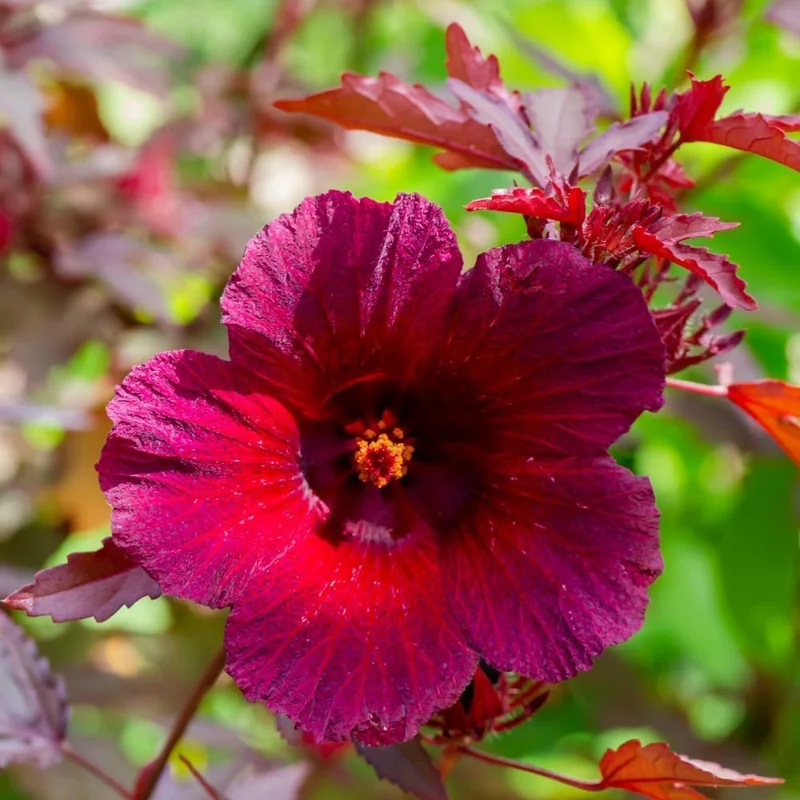
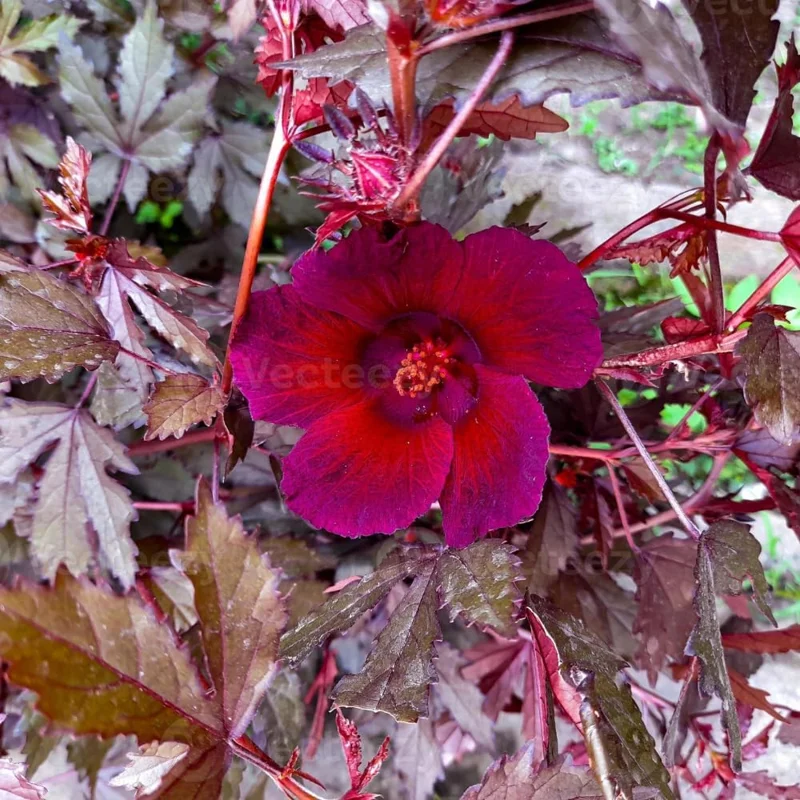
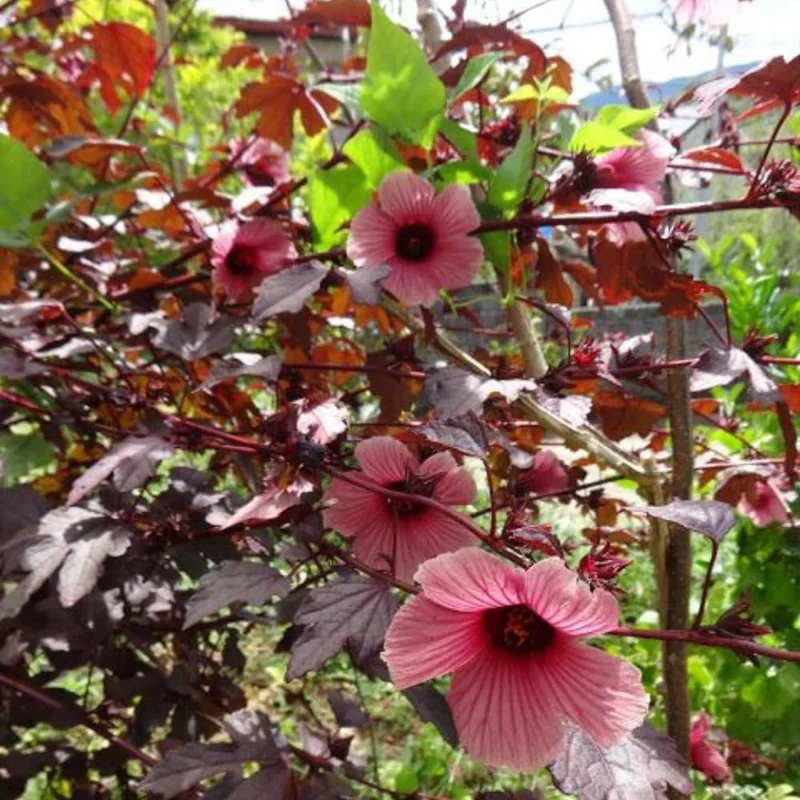
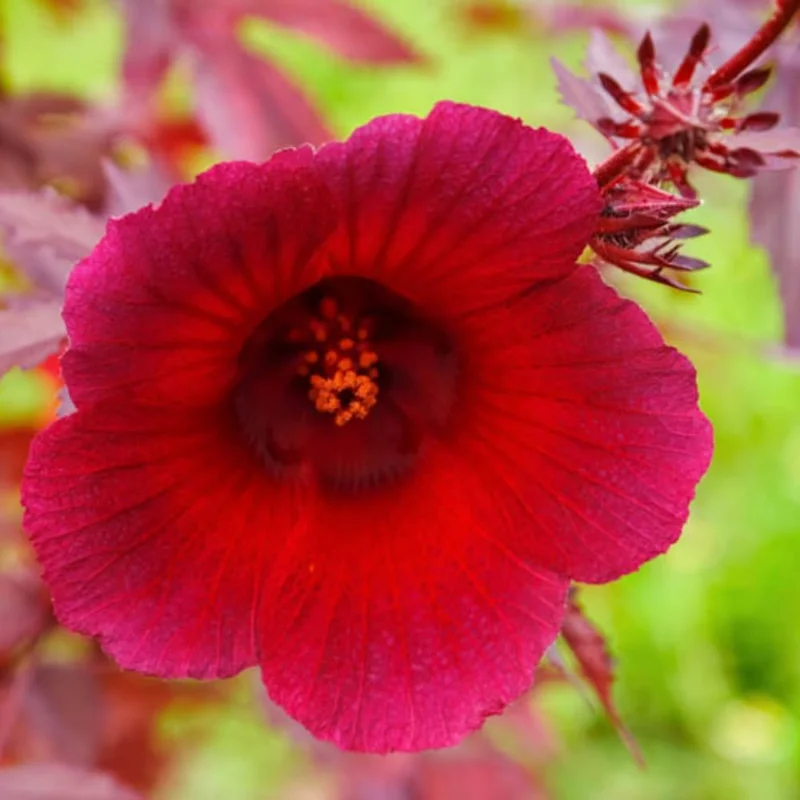
- Attracts Pollinators: While primarily grown for its foliage, the cranberry hibiscus can produce small, deep red flowers that attract beneficial pollinators to your garden, contributing to a healthier ecosystem.
- Natural Food Coloring: The vibrant color of the leaves can also be used to make natural food dyes or to add a beautiful crimson hue to beverages and culinary creations.
- Unique Texture and Form: The deeply lobed leaves provide an interesting texture, enhancing the visual diversity of your plant arrangements. Its upright growth habit adds structure to garden beds.
Plant Care & Growing Tips
Caring for your cranberry hibiscus live plant is straightforward, making it an excellent choice for both novice and experienced gardeners. Understanding its basic needs will ensure vigorous growth and vibrant foliage. These plants are quite resilient and reward proper care with stunning visual appeal and bountiful edible leaves. To maintain healthy growth and maximize the flavor of the edible hibiscus leaves, consistent attention to light, water, and soil conditions is key.
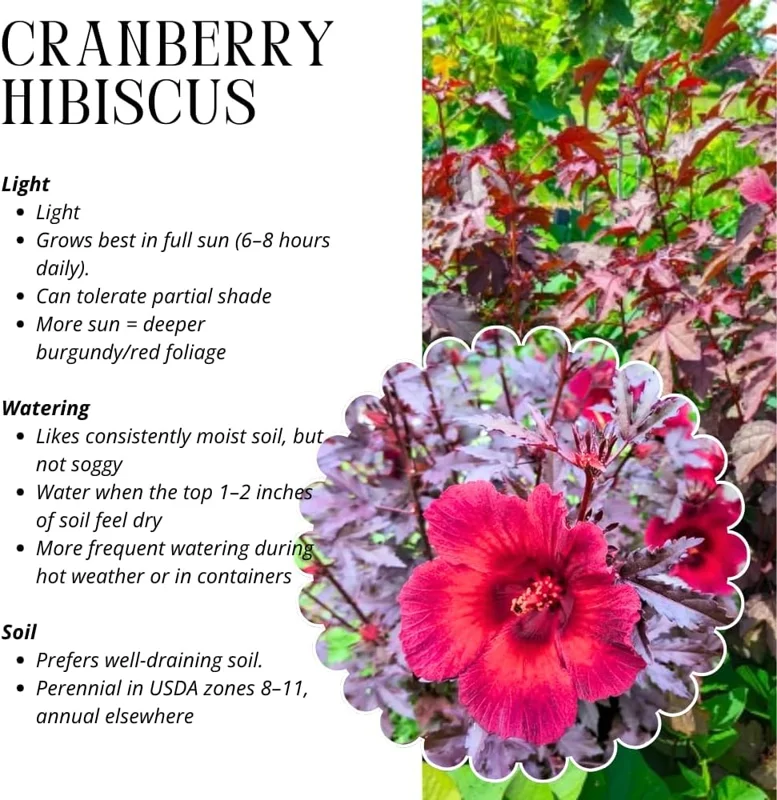
For optimal growth, the cranberry hibiscus requires full sun exposure, meaning at least 6-8 hours of direct sunlight per day. In extremely hot climates, some afternoon shade can be beneficial to prevent leaf scorch. It thrives in warm conditions and is suitable for USDA hardiness zones 9-11 as a perennial. In cooler zones, it can be grown as an annual or brought indoors before the first frost. When it comes to watering, keep the soil consistently moist but not waterlogged. Allow the top inch of soil to dry out slightly between waterings. Good drainage is crucial to prevent root rot, so ensure your pots or garden beds have adequate drainage. A regular watering schedule is particularly important during dry spells.
The ideal soil for a fast growing hibiscus like this is well-draining, fertile, and rich in organic matter. A slightly acidic to neutral pH (6.0-7.0) is preferred. For potted plants, a high-quality potting mix designed for tropical plants works well. Fertilize every 2-4 weeks during the growing season (spring and summer) with a balanced liquid fertilizer or a slow-release granular fertilizer. Reduce feeding in fall and winter. Pruning can be done to maintain shape and encourage bushier growth; pinching back young stems promotes more branching. While generally robust, keep an eye out for common pests like aphids or spider mites, treating them with insecticidal soap if necessary. Proper air circulation also helps prevent fungal issues. Providing these conditions will help your cranberry hibiscus live plant flourish.
Size & Details
This offering includes two individual cranberry hibiscus live plant specimens, each carefully nurtured and shipped in a well-rooted state. Upon arrival, the plants will typically measure between 4 to 8 inches in height, providing a robust foundation for rapid growth. These young plants are ready for immediate planting in your garden or preferred containers. With proper care and favorable conditions, cranberry hibiscus is known for its vigorous growth habit, often reaching heights of 3 to 5 feet and a similar spread within a single growing season when grown as an annual. As a perennial in warmer zones, it can grow even larger, forming a substantial shrub. The plants are shipped in a manner that ensures their health and vitality, allowing for a smooth transition to their new environment.
The characteristic red-burgundy foliage will develop its full, rich coloration as the plant matures and receives ample sunlight. While primarily grown for its leaves, small, deep red flowers may appear, adding another layer of beauty. Expect to see significant growth and an abundance of edible hibiscus leaves within weeks of planting, especially in warm, sunny conditions. The adaptability of this plant means it can be a stunning seasonal accent or a long-term fixture in your garden, depending on your climate and cultivation approach. Its rapid development into a vibrant, edible plant makes it a rewarding choice for any gardener seeking quick and impactful results.
Frequently Asked Questions
- Q: How big does this cranberry hibiscus live plant get? A: When grown as an annual, the cranberry hibiscus typically reaches 3-5 feet tall and wide within a single growing season. In its perennial zones (USDA 9-11), it can grow even larger, forming a multi-stemmed shrub.
- Q: Is this an indoor or outdoor plant? A: The cranberry hibiscus live plant thrives outdoors in full sun in USDA Zones 9-11 as a perennial. In cooler climates, it’s best grown as an annual or brought indoors during winter.
- Q: How much sunlight does it need? A: This plant requires full sun, meaning at least 6-8 hours of direct sunlight daily, to achieve its vibrant red-burgundy foliage and promote vigorous growth.
- Q: Is this plant easy to care for? A: Yes, the cranberry hibiscus is considered relatively easy to care for, especially once established. It’s a fast growing hibiscus that is quite resilient, requiring consistent moisture and plenty of sun.
- Q: What condition will it arrive in? A: Your order includes two well-rooted, live cranberry hibiscus plants, approximately 4-8 inches tall, carefully packaged to ensure they arrive healthy and ready for planting.
- Q: Can I use the leaves in cooking? A: Absolutely! The edible hibiscus leaves have a delightful tangy, tart flavor, often compared to cranberries or rhubarb. They are excellent in salads, teas, and various culinary dishes.
- Q: When is the best time to plant cranberry hibiscus? A: The best time to plant is in spring or early summer after all danger of frost has passed, when soil temperatures have warmed up. This allows the plant ample time to establish itself.
- Q: What kind of soil does it prefer? A: Cranberry hibiscus prefers well-draining, fertile soil rich in organic matter. A slightly acidic to neutral pH is ideal for healthy growth.
- Q: Will it survive winter in my zone? A: If you are in USDA Zones 9-11, it will likely survive winter outdoors as a perennial. In colder zones, it will need to be treated as an annual or protected indoors during the winter months.
- Q: How often should I water my cranberry hibiscus? A: Keep the soil consistently moist, but not waterlogged. Allow the top inch of soil to dry out slightly between waterings, increasing frequency during hot, dry periods.
Be the first to review “2 Cranberry Hibiscus Live Plants, 4-8 Inches Tall, Edible Leaves, Full Sun”
You must be logged in to post a review.
People also Viewed
Sold 50 products
Original price was: $17.58.$11.86Current price is: $11.86.
Sold 50 products
Price range: $32.99 through $35.99
Sold 50 products
$69.99
Sold 50 products
$18.99
Sold 50 products
Price range: $14.98 through $23.89
Sold 50 products
$32.99
Sold 50 products
$24.99
Sold 50 products
Price range: $43.99 through $44.99RELATED posts
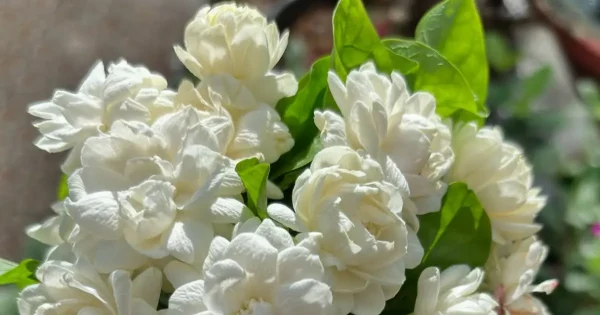
Top 7 Best Smelling Jasmine Varieties for a Heavenly Garden
Have you ever walked past a house and caught a scent so sweet you just [...]
Mar
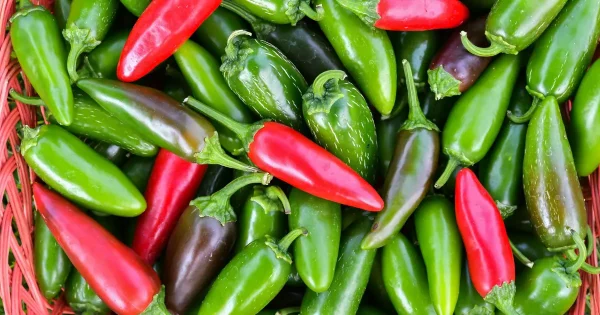
Master the Heat: 8 Expert Tips for Growing Jalapeños Like a Pro
Are you staring at your garden space, wondering why your pepper plants look more like [...]
Mar
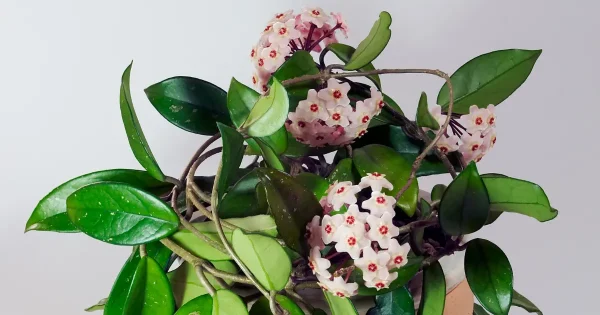
Top 5 Must-Have Hoya Varieties for Beginners
Hoyas are easily one of my top recommendations if you’re hunting for a low-maintenance houseplant [...]
Mar
7 Moringa Plant Care Mistakes to Avoid for Healthy Growth
Have you ever looked at your Moringa tree and wondered why its once vibrant green [...]
Feb
How to Grow Potato Onions From True Seeds: A Step-by-Step Guide
Have you ever wondered how to grow potato onions from true seeds or why some [...]
Feb
Growing Walking Onions in Containers: The Ultimate Guide
Have you ever looked at your small balcony or cramped patio and wished you could [...]
Feb
9 Best Flower Seeds to Start in February for Early Blooms
If you’re a passionate gardener, you know that itchy feeling in your fingers when February [...]
Jan
Growing Shampoo Ginger in Pots: Easy Guide to Potting Ginger Lilies
Are you looking to add a touch of exotic beauty to your home while growing [...]
Jan
Reviews
There are no reviews yet.