
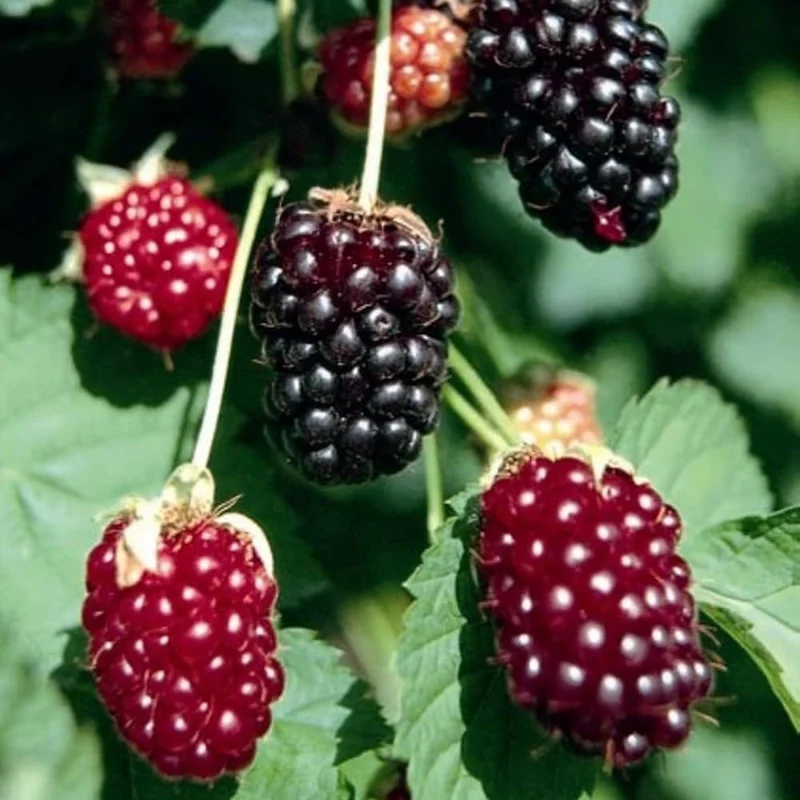
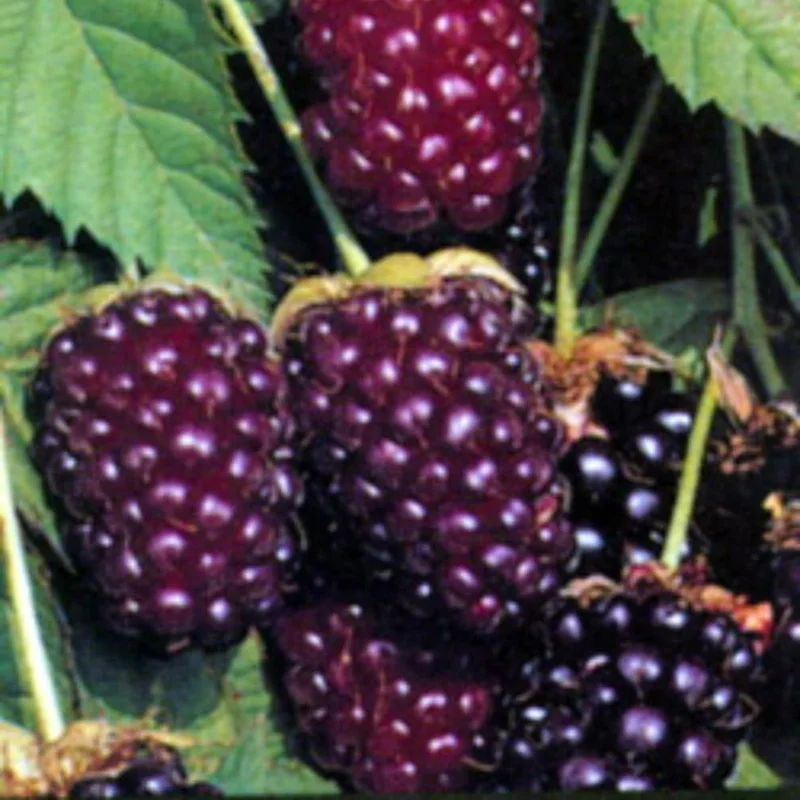
2 Boysenberry Live Plants 5-8 Inch Tall, Sweet Fruit Bush for Outdoor Planting
Original price was: $45.98.$41.38Current price is: $41.38.
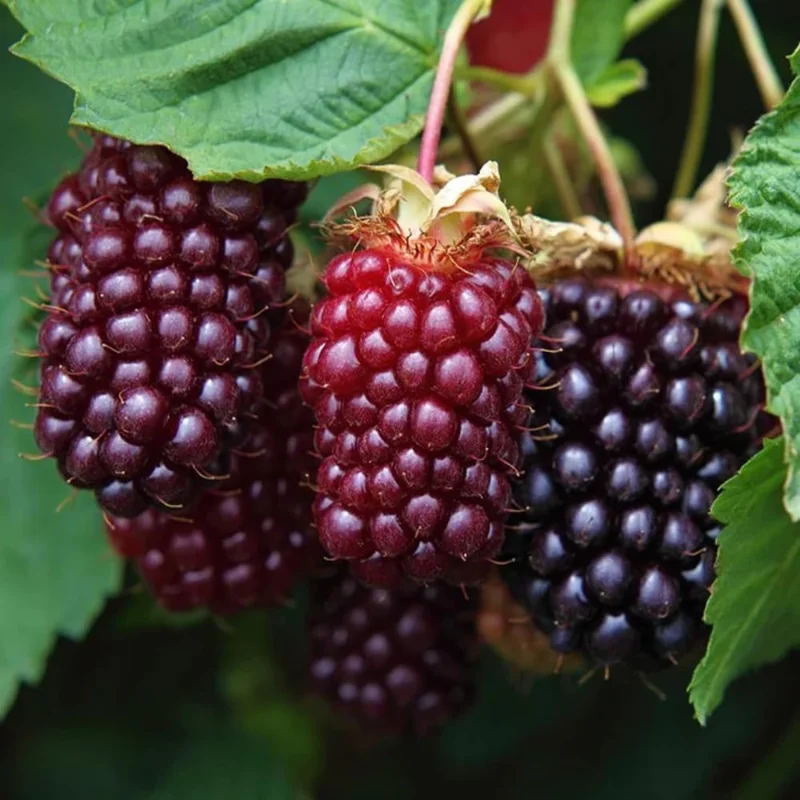
Cultivate your own delicious fruit with these boysenberry live plant specimens. You will receive two 5 to 8-inch tall plants, ready for planting outdoors. Enjoy sweet, juicy sweet boysenberry harvests from these vigorous bushes.
Shipping and Return policies:
We stand behind our plants with our Alive & Thrive Guarantee. If you experience any issues within the first 30 days, please email us, and our team will be happy to help. When needed, we’ll send you a one-time replacement free of charge to make sure your garden keeps growing strong.

Reasonable Price
We offer reasonable price

Support 24/7
Contact us 24 hrs a day
100% Money Back
You’ve 30 days to Return
Payment Secure
100% secure payment
Overview
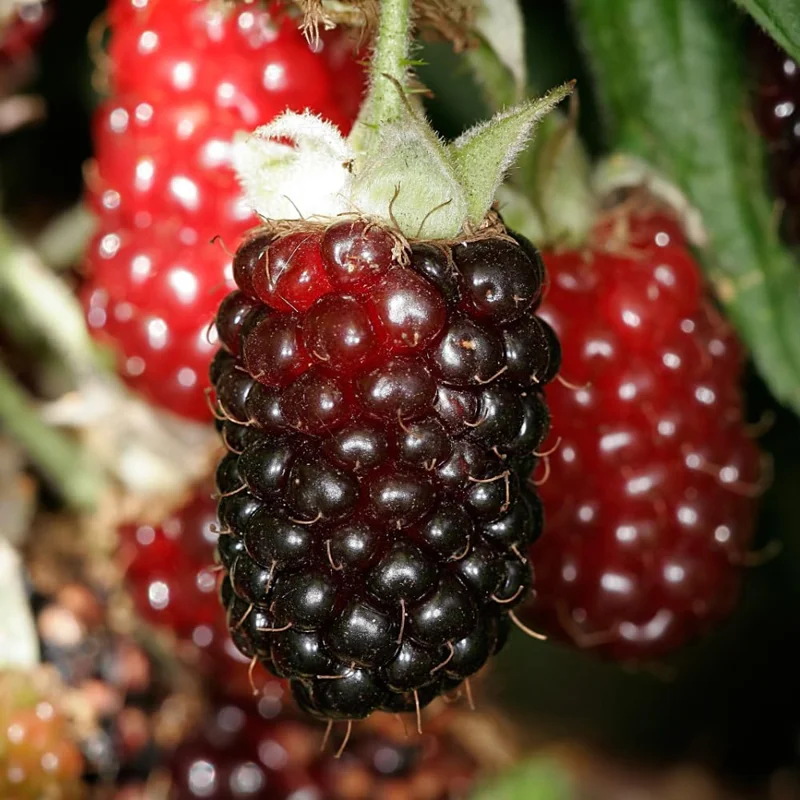
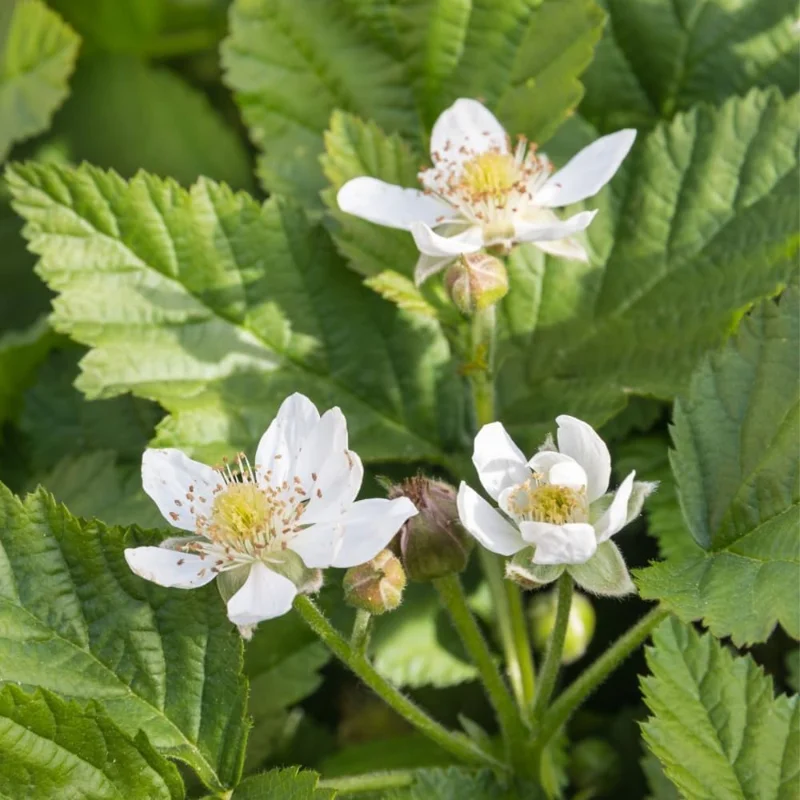
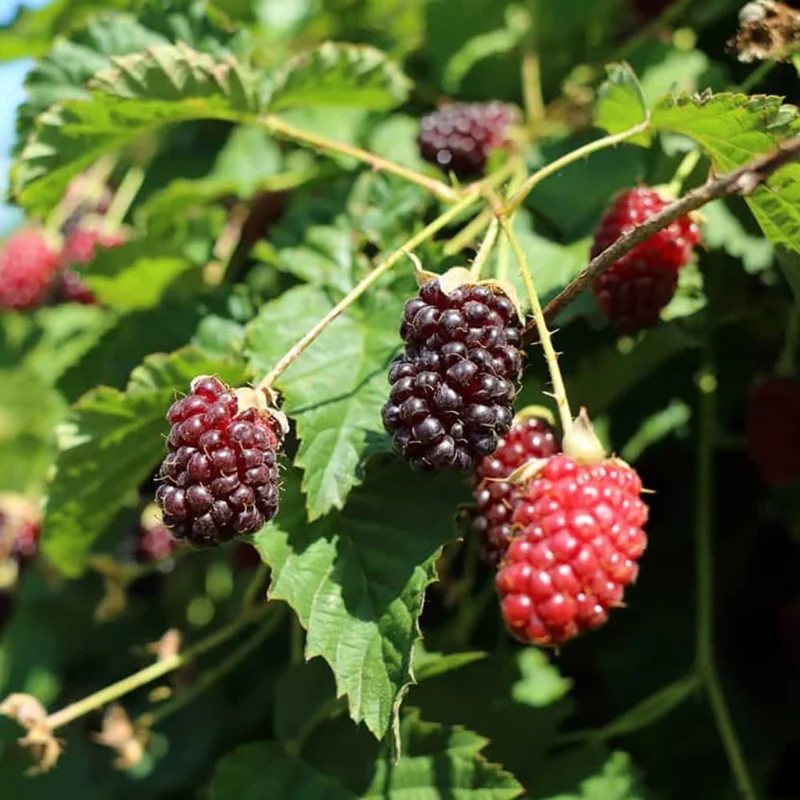
Bring the joy of homegrown fruit to your garden with this offering of two boysenberry live plant specimens. These young plants, measuring 5 to 8 inches in height, are an excellent choice for anyone looking to cultivate their own delicious berries. The boysenberry is a hybrid of raspberry, blackberry, and loganberry, offering a unique and intensely flavorful fruit that is perfect for fresh eating, jams, pies, and sauces. Known for their robust growth and generous yields, these plants will quickly establish themselves in your garden, transforming into productive fruit-bearing bushes. With proper care, you can look forward to abundant harvests of luscious, dark purple berries, adding both beauty and bounty to your outdoor space.
These boysenberry live plant bushes are designed for outdoor planting and are known for their adaptability to various climates. They are a fantastic addition to any edible garden, providing fresh, organic fruit right from your backyard. Imagine the satisfaction of picking your own sweet berries, free from pesticides and grown with your own hands. These plants are a rewarding investment for both seasoned gardeners and enthusiastic beginners alike.
Key Benefits
Investing in a boysenberry live plant offers a multitude of benefits for your garden and your palate:
- Delicious Fruit Production: Enjoy a prolific harvest of large, juicy, and intensely flavored boysenberries. These berries are known for their unique sweet-tart taste, making them a favorite for fresh consumption and culinary creations.
- Vigorous Growth: These plants are known for their strong, rapid growth, quickly establishing themselves and producing fruit. They can reach lengths of up to 6 feet, providing ample fruiting canes.
- Adaptable to Various Climates: Thriving in USDA hardiness zones 5 through 9, these boysenberry bush plants are suitable for a wide range of growing conditions across the United States.
- Versatile Use in the Garden: Their vining nature makes them ideal for training on trellises, fences, or other support structures, adding vertical interest to your garden while making harvesting easier.
- Healthful & Organic Produce: Grow your own organic fruit, ensuring you have access to fresh, healthy berries free from commercial pesticides and chemicals.
- Early to Mid-Summer Harvest: Look forward to a bountiful harvest season typically from early to mid-summer, providing a consistent supply of fresh berries when you need them most.
- Enhances Garden Biodiversity: Attract pollinators like bees to your garden, contributing to a healthier and more vibrant ecosystem.
Plant Care & Growing Tips
To ensure your boysenberry live plant thrives and produces an abundance of fruit, follow these essential care and growing tips. Boysenberries prefer a location with full sun exposure, meaning they need at least 6-8 hours of direct sunlight per day to maximize fruit production. While they can tolerate partial shade, fruit yield and quality may be reduced. When it comes to soil, these plants prefer well-draining, slightly acidic soil with a pH between 6.0 and 7.0. Amending heavy clay soils with organic matter like compost can significantly improve drainage and fertility.
Moisture Needs: Boysenberry care requires consistent moisture, especially during dry periods and when the fruit is developing. Aim for moderate watering, ensuring the soil remains evenly moist but not waterlogged. Deep watering once or twice a week is generally more effective than shallow, frequent watering. A layer of mulch around the base of the plants can help retain soil moisture, suppress weeds, and regulate soil temperature. Pruning is crucial for boysenberry production; canes typically fruit in their second year. After harvesting, prune out the old, fruited canes to encourage new growth. Train new canes onto your trellis or support system as they grow.
Temperature & Hardiness: These plants are hardy in USDA zones 5-9, making them quite resilient to varying temperatures. In colder zones, some winter protection might be beneficial, such as covering the plants or mulching heavily around the base. Fertilize your boysenberry bush in early spring with a balanced slow-release fertilizer or an organic compost. Common problems can include fungal diseases like powdery mildew or rust, which can often be managed with good air circulation and appropriate fungicides if necessary. Pest control usually involves monitoring for common berry pests like Japanese beetles or aphids and addressing them with organic solutions or insecticidal soaps as needed. Learning to grow boysenberry successfully is a rewarding experience.
Size & Details
This offering includes two individual boysenberry live plant specimens, each standing approximately 5 to 8 inches tall. These young plants are ready to be planted directly into your garden or larger containers, providing a head start on your fruit-growing journey. When mature, boysenberry plants can reach considerable lengths, often up to 6 feet, making them ideal for training along trellises, fences, or other vertical support structures. This vining habit allows for efficient use of garden space and makes harvesting the abundant sweet boysenberry fruit more accessible. The plants are shipped in a nursery pot or similar protective packaging to ensure their safe arrival and readiness for planting. Expect your first significant harvest within 1-2 years after planting, with plants reaching full maturity and peak production in subsequent years. The harvest season typically runs from early to mid-summer, providing a delightful window for enjoying fresh, homegrown berries.
Frequently Asked Questions
- Q: How big does this plant get? A: A mature boysenberry live plant can reach lengths of up to 6 feet, especially when supported by a trellis or fence. The spread can vary depending on pruning and training methods.
- Q: What size pot does it come in? A: The plants are typically shipped in small nursery pots or similar protective packaging, suitable for their 5-8 inch height, and are ready for transplanting upon arrival.
- Q: Is this an indoor or outdoor plant? A: Boysenberry plants are primarily outdoor plants, requiring full sun exposure and suitable garden conditions to thrive and produce fruit. They are not typically grown as indoor houseplants.
- Q: How much sunlight does it need? A: To ensure optimal fruit production, your boysenberry bush needs a location that receives at least 6 to 8 hours of direct sunlight each day. Full sun is highly recommended.
- Q: Is this plant easy to care for? A: Boysenberries are relatively easy to care for once established. They require consistent watering, annual pruning, and proper support. They are a good choice for gardeners with some experience or enthusiastic beginners ready to learn.
- Q: What condition will it arrive in? A: Your plants will arrive as boysenberry live plant specimens, carefully packaged to ensure they are healthy and ready for planting, though they may experience some minor transit stress.
- Q: When is the best time to plant? A: The best time to plant boysenberry plants is typically in the spring after the last frost, or in early fall in milder climates, allowing them to establish before extreme temperatures.
- Q: Will it survive winter in my zone? A: These grow boysenberry plants are hardy in USDA zones 5-9. In colder parts of zone 5, some winter protection like mulching or covering may be beneficial.
- Q: What’s the minimum temperature it can tolerate? A: Boysenberries can generally tolerate winter temperatures down to about -10 to -20 degrees Fahrenheit when established in their appropriate USDA hardiness zones.
- Q: Can I use the fruit for jams and pies? A: Absolutely! The sweet boysenberry fruit is highly prized for its rich flavor, making it excellent for fresh eating, baking, jams, jellies, and other culinary uses.
Be the first to review “2 Boysenberry Live Plants 5-8 Inch Tall, Sweet Fruit Bush for Outdoor Planting”
You must be logged in to post a review.
People also Viewed
Sold 50 products
Original price was: $17.58.$11.86Current price is: $11.86.
Sold 50 products
Price range: $32.99 through $35.99
Sold 50 products
$69.99
Sold 50 products
$18.99
Sold 50 products
Price range: $14.98 through $23.89
Sold 50 products
$32.99
Sold 50 products
$24.99
Sold 50 products
Price range: $43.99 through $44.99RELATED posts
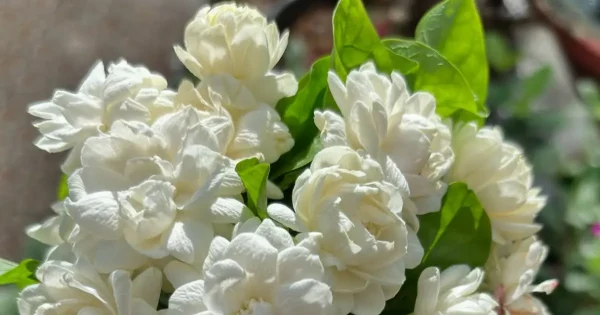
Top 7 Best Smelling Jasmine Varieties for a Heavenly Garden
Have you ever walked past a house and caught a scent so sweet you just [...]
Mar
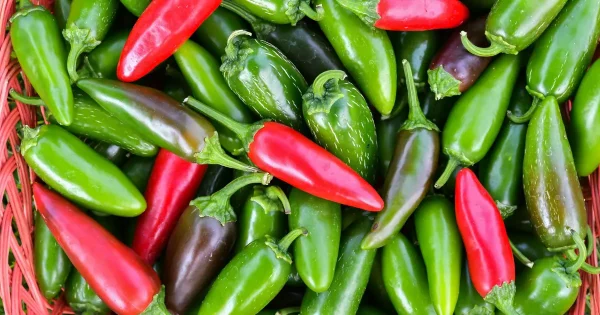
Master the Heat: 8 Expert Tips for Growing Jalapeños Like a Pro
Are you staring at your garden space, wondering why your pepper plants look more like [...]
Mar
Top 5 Must-Have Hoya Varieties for Beginners
Hoyas are easily one of my top recommendations if you’re hunting for a low-maintenance houseplant [...]
Mar
7 Moringa Plant Care Mistakes to Avoid for Healthy Growth
Have you ever looked at your Moringa tree and wondered why its once vibrant green [...]
Feb
How to Grow Potato Onions From True Seeds: A Step-by-Step Guide
Have you ever wondered how to grow potato onions from true seeds or why some [...]
Feb
Growing Walking Onions in Containers: The Ultimate Guide
Have you ever looked at your small balcony or cramped patio and wished you could [...]
Feb

9 Best Flower Seeds to Start in February for Early Blooms
If you’re a passionate gardener, you know that itchy feeling in your fingers when February [...]
Jan
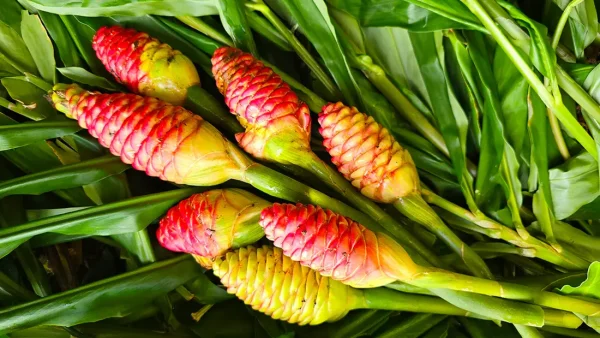
Growing Shampoo Ginger in Pots: Easy Guide to Potting Ginger Lilies
Are you looking to add a touch of exotic beauty to your home while growing [...]
Jan



Reviews
There are no reviews yet.