
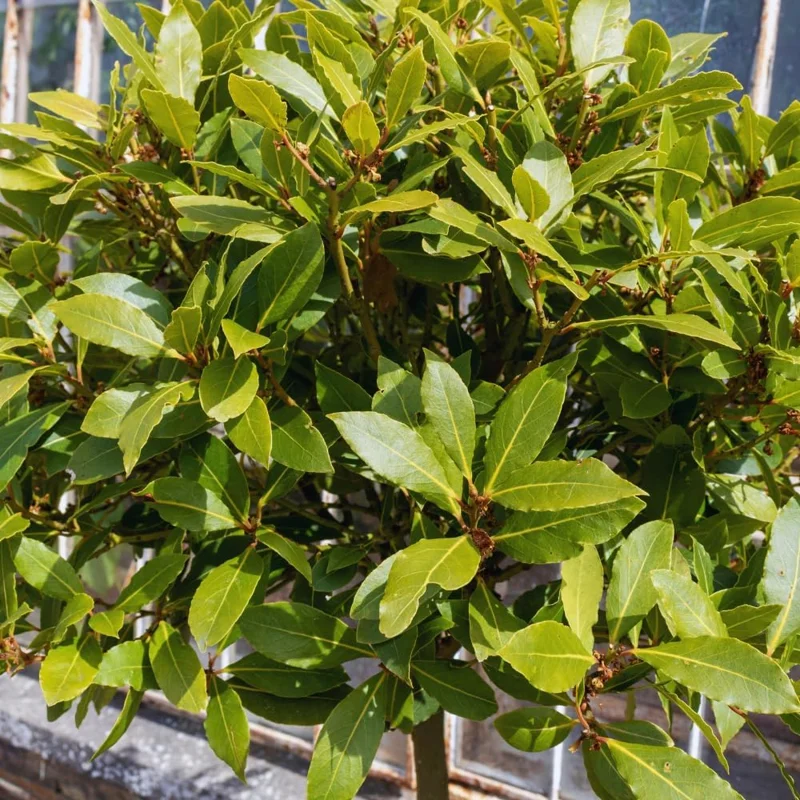
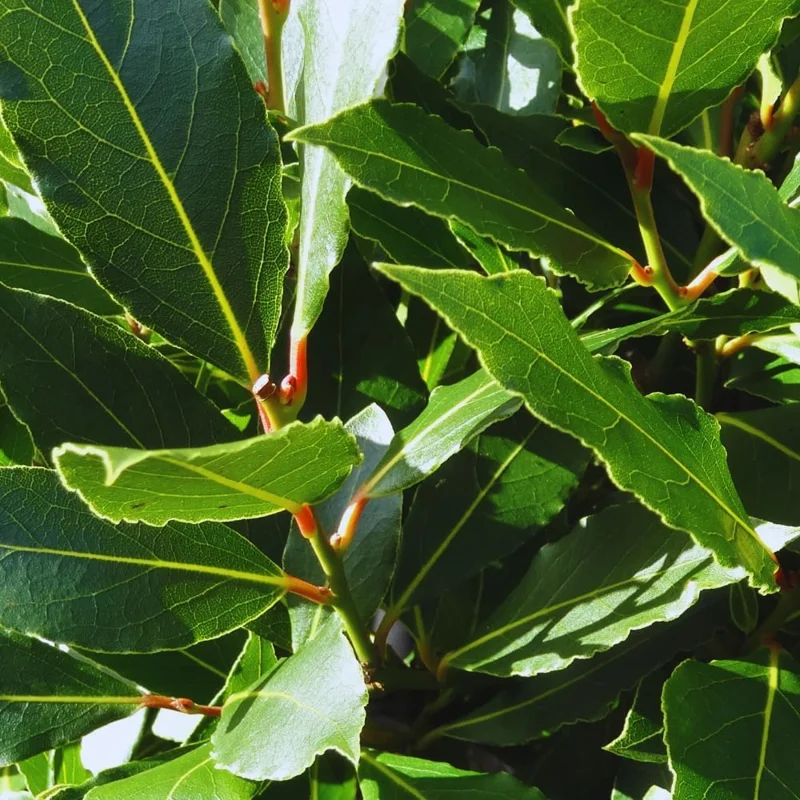
2 Bay Leaf Tree Live Plants, Laurus Nobilis Sweet Bay, 5-7 Inch Tall
Original price was: $53.18.$47.86Current price is: $47.86.
Cultivate your own fresh bay leaves with this set of 2 bay leaf tree live plant. These Laurus Nobilis plant specimens are approximately 5-7 inches tall, ideal for culinary use and decorative gardening. Enjoy the aromatic foliage of these versatile Sweet Bay tree care is simple, thriving in full sun to partial shade.
Shipping and Return policies:
We stand behind our plants with our Alive & Thrive Guarantee. If you experience any issues within the first 30 days, please email us, and our team will be happy to help. When needed, we’ll send you a one-time replacement free of charge to make sure your garden keeps growing strong.

Reasonable Price
We offer reasonable price

Support 24/7
Contact us 24 hrs a day
100% Money Back
You’ve 30 days to Return
Payment Secure
100% secure payment
Overview
Welcome the aromatic elegance of the bay leaf tree live plant into your home or garden. This offering includes two vibrant Laurus nobilis plants, commonly known as Sweet Bay or Bay Laurel trees, each standing approximately 5-7 inches tall. Renowned for their fragrant leaves, these plants are a must-have for any culinary enthusiast or garden lover. The Laurus Nobilis plant is a classic Mediterranean evergreen, celebrated for its glossy, dark green foliage that adds a touch of sophistication to any setting. Whether you envision them as small, shapely trees or as lush shrubs, these bay leaf plants offer both aesthetic appeal and practical benefits, providing an endless supply of fresh bay leaves for your kitchen.
Cultivating your own bay leaf trees allows you to experience the unparalleled flavor and aroma of fresh bay leaves, far superior to their dried counterparts. These young plants are ready to be nurtured and grown, promising to become a cherished part of your herb garden or landscape. The resilience and adaptability of the bay laurel make it a rewarding plant for gardeners of all experience levels, thriving in various conditions with proper Sweet Bay tree care. Start your journey into growing fresh herbs with these beautiful and functional plants.
Key Benefits
Adding a bay leaf tree live plant to your collection offers a multitude of advantages, from enhancing your cooking to beautifying your outdoor space. These versatile plants are more than just an herb; they are a living accent that brings freshness and utility.
- Culinary Excellence: Enjoy the rich, aromatic flavor of fresh bay leaves directly from your garden, perfect for soups, stews, sauces, and roasts. The fresh leaves release a more complex and subtle aroma than dried ones, elevating your dishes.
- Aesthetic Appeal: With their glossy, dark green foliage, these Laurus Nobilis plant specimens serve as attractive ornamental plants, easily shaped into small trees or shrubs to complement any garden design or patio.
- Fragrant Foliage: The leaves emit a pleasant, distinctive aroma when bruised or cooked, which can also act as a natural air freshener in your home.
- Easy to Grow: These bay leaf trees are relatively low-maintenance, thriving with minimal fuss once established. They adapt well to various light conditions and soil types, making Sweet Bay tree care straightforward.
- Year-Round Harvest: As evergreens, bay laurel plants provide a continuous supply of fresh leaves throughout the year, ensuring you always have this essential herb on hand.
- Versatile Landscaping: Ideal for container gardening, borders, or as a focal point, a bay leaf tree live plant can be grown indoors during colder months or outdoors in suitable climates.
- Natural Pest Repellent: Some gardeners believe the strong aroma of bay leaves can help deter certain garden pests, contributing to a healthier garden environment.
Plant Care & Growing Tips
Caring for your bay leaf tree live plant is a rewarding experience, as these resilient plants are quite forgiving. To ensure vigorous growth and a bountiful supply of fresh bay leaves, understanding their basic needs is key. These plants prefer a location with full sun to partial shade. Full sun (at least 6 hours of direct sunlight) will encourage the most robust growth and leaf production, while partial shade is acceptable, especially in hotter climates where it can protect the plant from intense afternoon sun. If growing indoors, place your Laurus Nobilis plant near a south-facing window or under a grow light to provide adequate light.
When it comes to watering, the Laurus Nobilis plant prefers consistently moist but not waterlogged soil. Water thoroughly when the top inch of soil feels dry to the touch, and ensure excellent drainage to prevent root rot. A well-draining potting mix is crucial for container-grown plants. For outdoor planting, amend heavy clay soils with organic matter to improve drainage. Bay laurel is tolerant of various soil types but thrives in rich, fertile, slightly acidic to neutral soil. Fertilize sparingly during the growing season (spring and summer) with a balanced liquid fertilizer, reducing frequency in fall and winter. Pruning can be done to maintain shape and size, and to encourage bushier growth. This also provides an opportunity to harvest more fresh bay leaves.
Bay laurel trees are typically hardy in USDA zones 8-10, preferring mild climates. In colder regions, they are best grown in containers and brought indoors before the first frost. Protect them from harsh winter winds and extreme cold. Common problems are few, but watch for scale insects or mealybugs, which can be treated with horticultural oil or insecticidal soap. Proper air circulation and avoiding overwatering will help prevent fungal issues. Consistent Sweet Bay tree care will ensure your plant remains healthy and productive for many years, providing an ongoing source of this beloved herb. By understanding the needs of a growing bay laurel, you can ensure a thriving plant.
Size & Details
This offering includes two individual bay leaf tree live plant specimens, each carefully nurtured to an approximate height of 5-7 inches tall from the base of the plant to the tip of the highest leaf. These young plants are ideal for starting your own culinary herb garden or for adding a touch of evergreen beauty to your landscape. They are shipped in their nursery pots, ready for immediate planting upon arrival into larger containers or directly into the ground, depending on your climate and gardening plans. The compact size at arrival makes them easy to handle and transplant.
The Laurus Nobilis plant has a moderate growth rate and can eventually reach impressive sizes in ideal conditions, often growing into a small tree or large shrub. However, they are highly amenable to pruning, allowing you to maintain them at a desired size and shape, whether as a compact kitchen herb or a stately patio accent. Expect these plants to establish well within their first growing season, beginning to produce abundant fresh bay leaves for your culinary adventures. The vigorous nature of a growing bay laurel means you’ll soon have a thriving plant.
Frequently Asked Questions
- Q: How big will these bay leaf tree live plant specimens get? A: These plants are currently 5-7 inches tall. With proper care, they can grow into small trees or large shrubs, but they are easily maintained at a smaller size through regular pruning, making them suitable for containers.
- Q: Is this an indoor or outdoor plant? A: The Laurus Nobilis plant can be grown both indoors and outdoors. In USDA zones 8-10, they can thrive outdoors year-round. In colder climates, it’s best to grow them in containers and bring them indoors during winter.
- Q: How much sunlight does it need? A: Bay leaf trees prefer full sun (at least 6 hours of direct sunlight) but can tolerate partial shade, especially in hot climates. If growing indoors, place it in the brightest spot available, ideally near a south-facing window.
- Q: Is this plant easy to care for? A: Yes, the bay leaf tree live plant is relatively easy to care for. It requires well-draining soil, consistent moisture (but not overwatering), and protection from hard freezes. With basic Sweet Bay tree care, it will thrive.
- Q: What condition will it arrive in? A: Your two bay leaf trees will arrive as live, healthy plants, approximately 5-7 inches tall, securely packaged in their nursery pots to ensure safe transit.
- Q: Can I use the leaves for cooking? A: Absolutely! These are true Laurus nobilis plants, and their leaves are perfect for culinary use. You can harvest fresh bay leaves directly from your plant to enhance your dishes.
- Q: When is the best time to plant? A: For outdoor planting, spring after the last frost is ideal. If growing in containers, you can plant or repot at any time of year, ensuring it has time to establish before extreme weather.
- Q: How often should I water my growing bay laurel? A: Water when the top inch of soil feels dry to the touch. Ensure the pot has good drainage to prevent waterlogging. Watering frequency will depend on temperature, humidity, and pot size.
- Q: Is this plant pet-safe? A: While bay leaves are commonly used in cooking, large quantities of the fresh leaves can be toxic to pets if ingested. It’s advisable to keep the plant out of reach of curious pets.
- Q: What type of soil is best for growing bay laurel? A: Bay leaf trees prefer well-draining soil that is rich in organic matter. A good quality potting mix designed for herbs or general houseplants works well for container growing.
Be the first to review “2 Bay Leaf Tree Live Plants, Laurus Nobilis Sweet Bay, 5-7 Inch Tall”
You must be logged in to post a review.
People also Viewed
Sold 50 products
Original price was: $17.58.$11.86Current price is: $11.86.
Sold 50 products
Price range: $32.99 through $35.99
Sold 50 products
$69.99
Sold 50 products
$18.99
Sold 50 products
Price range: $14.98 through $23.89
Sold 50 products
$32.99
Sold 50 products
$24.99
Sold 50 products
Price range: $43.99 through $44.99RELATED posts
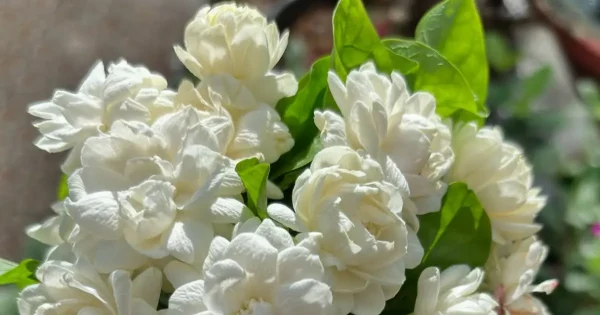
Top 7 Best Smelling Jasmine Varieties for a Heavenly Garden
Have you ever walked past a house and caught a scent so sweet you just [...]
Mar
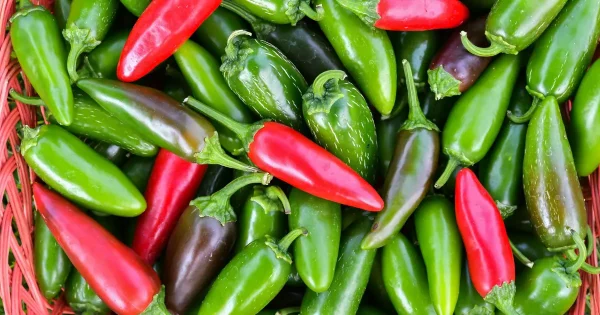
Master the Heat: 8 Expert Tips for Growing Jalapeños Like a Pro
Are you staring at your garden space, wondering why your pepper plants look more like [...]
Mar
Top 5 Must-Have Hoya Varieties for Beginners
Hoyas are easily one of my top recommendations if you’re hunting for a low-maintenance houseplant [...]
Mar
7 Moringa Plant Care Mistakes to Avoid for Healthy Growth
Have you ever looked at your Moringa tree and wondered why its once vibrant green [...]
Feb
How to Grow Potato Onions From True Seeds: A Step-by-Step Guide
Have you ever wondered how to grow potato onions from true seeds or why some [...]
Feb
Growing Walking Onions in Containers: The Ultimate Guide
Have you ever looked at your small balcony or cramped patio and wished you could [...]
Feb

9 Best Flower Seeds to Start in February for Early Blooms
If you’re a passionate gardener, you know that itchy feeling in your fingers when February [...]
Jan
Growing Shampoo Ginger in Pots: Easy Guide to Potting Ginger Lilies
Are you looking to add a touch of exotic beauty to your home while growing [...]
Jan
Reviews
There are no reviews yet.