
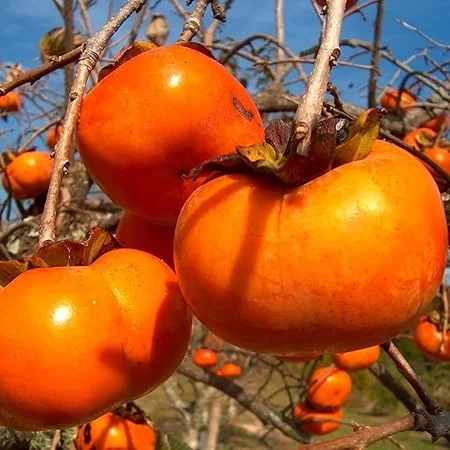
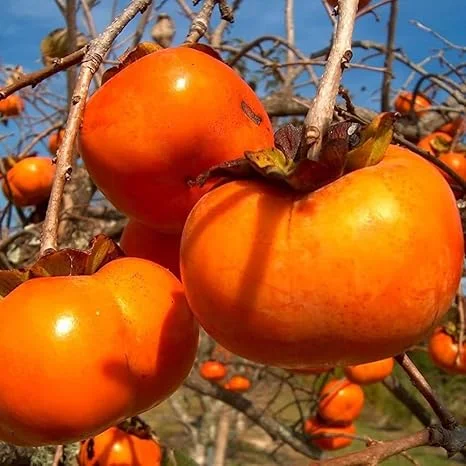
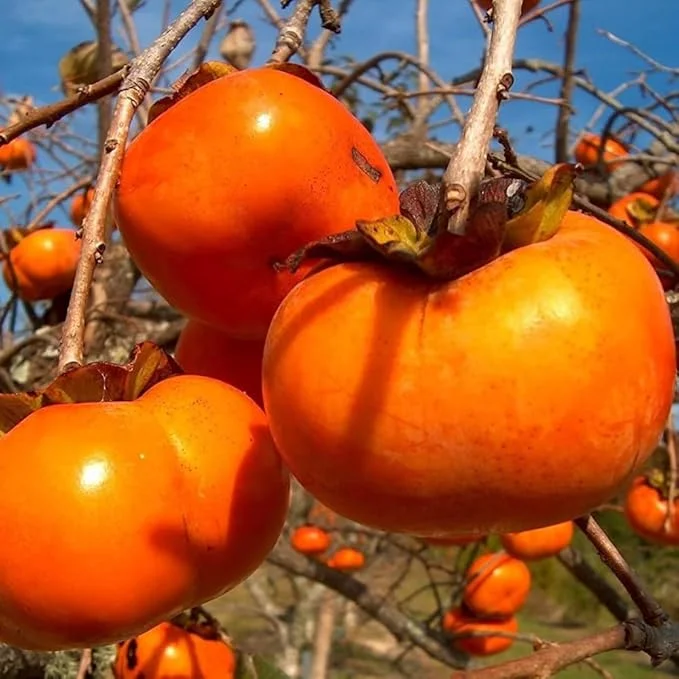
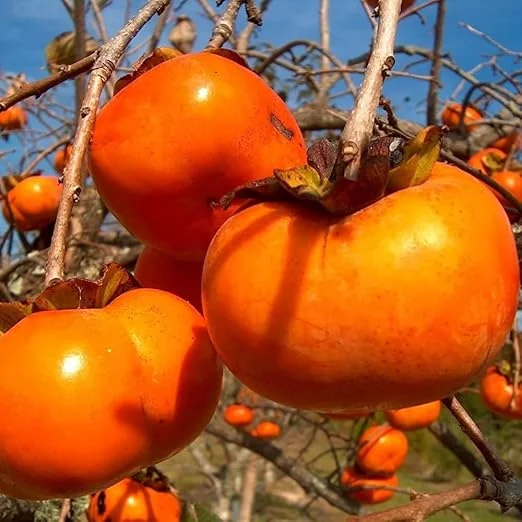
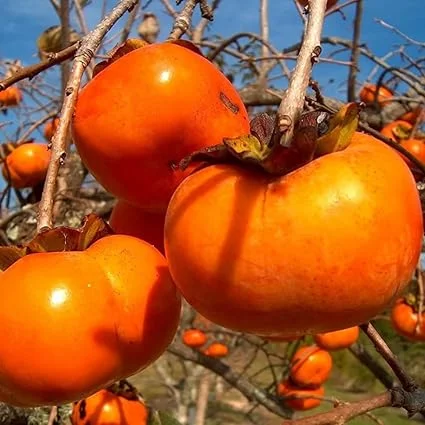
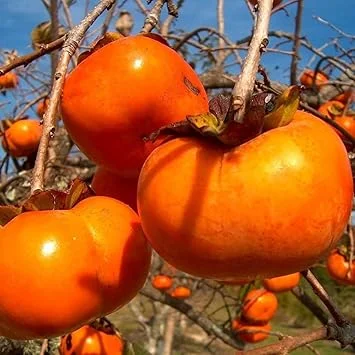
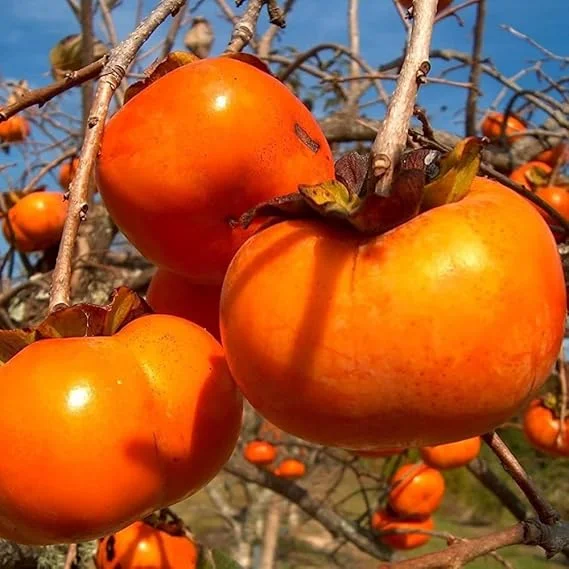
2 American Persimmon Trees Live Plants, Bare Root Seedlings, 1-2 Ft Tall, Cold Hardy Fruit Trees, Zones 4-9
$28.48
Cultivate your own orchard with these american persimmon trees. You’ll receive 2 dormant, bare root seedlings, each 1-2 feet tall, ready for planting. These cold hardy fruit trees are ideal for USDA Zones 4-9, offering sweet, delicious fruit with minimal effort.
Shipping and Return policies:
We stand behind our plants with our Alive & Thrive Guarantee. If you experience any issues within the first 30 days, please email us, and our team will be happy to help. When needed, we’ll send you a one-time replacement free of charge to make sure your garden keeps growing strong.

Reasonable Price
We offer reasonable price

Support 24/7
Contact us 24 hrs a day
100% Money Back
You’ve 30 days to Return
Payment Secure
100% secure payment
Overview
Bring the joy of home-grown fruit to your garden with these american persimmon trees. You will receive two healthy, dormant bare root seedlings, each measuring 1-2 feet tall, perfect for establishing a thriving fruit-bearing landscape. These native American persimmons (Diospyros virginiana) are celebrated for their delicious, sweet orange fruits, which ripen in the fall and are a true delight. Known for their robust nature, these bare root fruit trees are an excellent choice for both novice and experienced gardeners looking to add a resilient and productive species to their outdoor space. They are shipped dormant, without leaves, ensuring a smooth transition to your garden as they wake up with the spring warmth. Planting these persimmon trees offers a long-term investment in your property, providing not only edible rewards but also an attractive addition to your landscape.
The American persimmon is a versatile and beautiful tree that adapts well to various soil conditions and climates, making it a popular choice across many regions. Its natural resistance to many common pests and diseases further simplifies its cultivation. With proper care, these trees will grow to become stately specimens, offering shade, beauty, and an abundant harvest of unique, flavorful fruit that cannot be easily found in supermarkets. Discover the satisfaction of harvesting your own sweet persimmons straight from your backyard.
Key Benefits
Investing in these American persimmon trees offers a multitude of benefits for your garden and your palate:
- Delicious Fruit Production: Enjoy an annual harvest of sweet, flavorful orange persimmons, perfect for eating fresh, baking, or making preserves. These fruits are a unique treat many have never experienced.
- Cold Hardy and Resilient: These cold hardy fruit trees are incredibly resilient, thriving in a wide range of climates from USDA Zones 4 through 9, making them suitable for most of the United States. They can withstand cold winters and hot summers.
- Low Maintenance: Once established, american persimmon trees require minimal care, making them an ideal choice for gardeners who prefer less demanding fruit trees. They are naturally adapted to many environments and don’t need constant attention.
- Native and Eco-Friendly: As a native species, American persimmons support local wildlife, providing food for birds and other animals, contributing positively to your local ecosystem.
- Attractive Landscape Addition: Beyond their fruit, these trees offer ornamental value with their sturdy structure and the vibrant fall foliage, especially when laden with bright orange fruit, adding beauty to your property.
- Easy to Grow: Shipped as dormant bare root seedlings, they are easy to plant and establish, quickly taking root and beginning their growth journey in your garden.
Plant Care & Growing Tips
Caring for your american persimmon trees is relatively straightforward, ensuring a bountiful harvest for years to come. These trees thrive in full sun, meaning they need at least 6-8 hours of direct sunlight per day to produce the best fruit. While they are adaptable to various soil types, well-draining soil is crucial to prevent root rot. A slightly acidic to neutral pH (6.0-7.0) is ideal. When planting your bare root fruit trees, dig a hole wide enough to accommodate the roots without bending them, and deep enough so the root collar is at ground level. Backfill with native soil, gently tamping down to remove air pockets, and water thoroughly.
During the first year, consistent watering is vital to help the young trees establish a strong root system. Water deeply once or twice a week, especially during dry spells. Once established, American persimmons are quite drought-tolerant, though supplemental watering during prolonged dry periods will benefit fruit production. Fertilize in early spring with a balanced slow-release fertilizer, following the product’s instructions. Pruning should be done in late winter or early spring while the tree is dormant. Focus on removing dead, damaged, or crossing branches to encourage good air circulation and light penetration, which helps with fruit development. Watch out for common pests like borers and scale, and address them with organic solutions if they become problematic. Understanding persimmon tree care is key to a healthy and productive tree.
These trees are incredibly cold hardy, suitable for USDA Zones 4-9. This wide range means they can tolerate significant winter cold, making them a reliable choice for many regions. No special winter protection is typically needed once the trees are established in these zones. For those interested in growing persimmons, remember that some varieties may require a male and female tree for pollination and fruit set, although many American persimmon varieties are self-fertile or can produce fruit parthenocarpically (without pollination). Check the specific variety for its pollination requirements when planning your planting layout.
Size & Details
This offering includes two american persimmon trees, provided as dormant bare root seedlings. Each seedling stands approximately 1-2 feet tall upon arrival, an ideal size for successful transplanting and establishment. Bare root plants are shipped without soil around their roots, minimizing transplant shock and allowing them to acclimate quickly to their new environment. These young trees have a moderate growth rate, typically adding 1-2 feet in height per year under optimal conditions. They will eventually mature into medium to large trees, reaching heights of 30-50 feet with a spread of 20-35 feet, forming a beautiful, rounded canopy.
While they are shipped dormant and without leaves, this is the best time for planting, allowing the roots to settle before spring growth begins. Expect your bare root fruit trees to start showing signs of life as temperatures warm, typically leafing out in late spring. Fruit production usually begins within 3-5 years after planting, with increasing yields as the tree matures. The sweet orange fruits are typically 1-2 inches in diameter. These trees are known for their longevity, often producing fruit for many decades, making them a rewarding long-term addition to any garden or orchard.
Frequently Asked Questions
- Q: How big do these American persimmon trees get? A: These american persimmon trees are shipped as 1-2 foot bare root seedlings. When mature, they can reach heights of 30-50 feet with a spread of 20-35 feet, depending on growing conditions and pruning.
- Q: What condition will the trees arrive in? A: Your trees will arrive as dormant, bare root seedlings, typically without leaves. This is a normal and healthy state for planting, ensuring the best chance for successful establishment.
- Q: How much sunlight do American persimmon trees need? A: For optimal growth and fruit production, american persimmon trees require full sun exposure, meaning at least 6-8 hours of direct sunlight per day.
- Q: Is this an indoor or outdoor plant? A: These are outdoor fruit trees. They thrive in a garden or orchard setting and are not suitable for indoor cultivation.
- Q: Is this plant easy to care for? A: Yes, once established, these are relatively low-maintenance trees. They are known for their resilience and adaptability, making persimmon tree care manageable for most gardeners.
- Q: What is the best time to plant these bare root fruit trees? A: The best time to plant dormant bare root trees is in early spring, after the last hard frost but before new growth begins, or in late fall after the leaves have dropped.
- Q: How long until these trees produce fruit? A: You can typically expect your american persimmon trees to start producing fruit within 3-5 years after planting, with yields increasing as the trees mature.
- Q: What USDA zones are these trees suitable for? A: These cold hardy fruit trees are suitable for USDA Hardiness Zones 4 through 9, demonstrating excellent cold tolerance.
- Q: Do I need more than one tree for fruit production? A: While some American persimmon varieties are self-fertile and can produce fruit with a single tree, having multiple trees or a male and female tree can often lead to increased fruit production, especially for non-parthenocarpic varieties.
- Q: What kind of soil is best for growing persimmons? A: American persimmons are adaptable but prefer well-draining soil with a slightly acidic to neutral pH. They can tolerate a range of soil types, including clay and sandy soils, as long as drainage is good. Proper soil conditions are important for growing persimmons successfully.
Be the first to review “2 American Persimmon Trees Live Plants, Bare Root Seedlings, 1-2 Ft Tall, Cold Hardy Fruit Trees, Zones 4-9”
You must be logged in to post a review.
People also Viewed
Sold 50 products
Original price was: $28.58.$19.99Current price is: $19.99.
Sold 50 products
$32.39
Sold 50 products
$21.59
Sold 50 products
$35.99
Sold 50 products
Price range: $23.15 through $25.19
Sold 50 products
$38.39
Sold 50 products
Price range: $28.79 through $35.99
Sold 50 products
$26.39RELATED posts
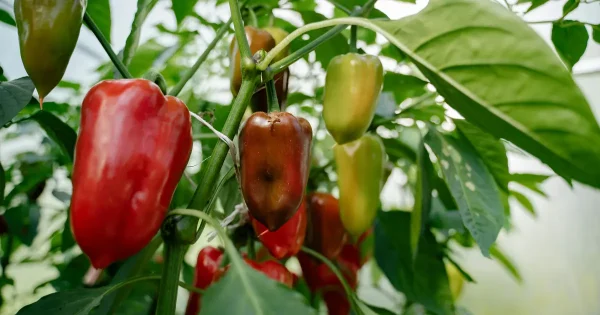
Top 12 Best Types of Peppers to Grow in Your Garden: Easy and High Yield
Growing peppers is, quite honestly, one of the biggest “wins” you can have in a [...]
Apr
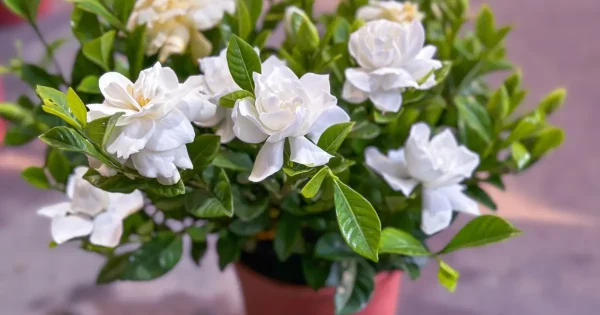
Frostproof Jasmine Care: 7 Tips for Successful Pot Growth
Most gardenias are known for being “divas.” They want perfect humidity, perfect soil, and they [...]
Mar
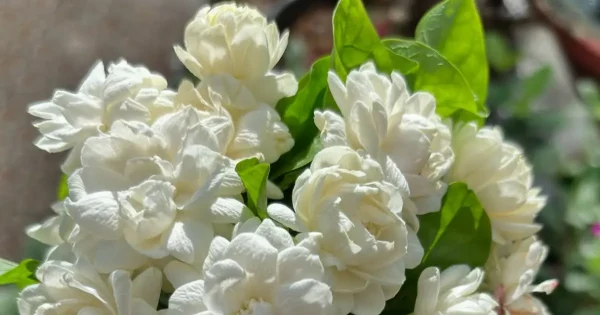
Top 7 Best Smelling Jasmine Varieties for a Heavenly Garden
Have you ever walked past a house and caught a scent so sweet you just [...]
Mar
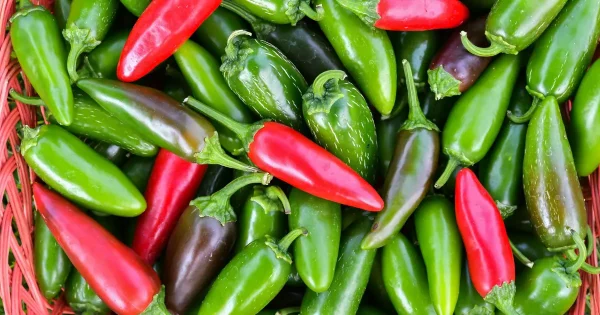
Master the Heat: 8 Expert Tips for Growing Jalapeños Like a Pro
Are you staring at your garden space, wondering why your pepper plants look more like [...]
Mar
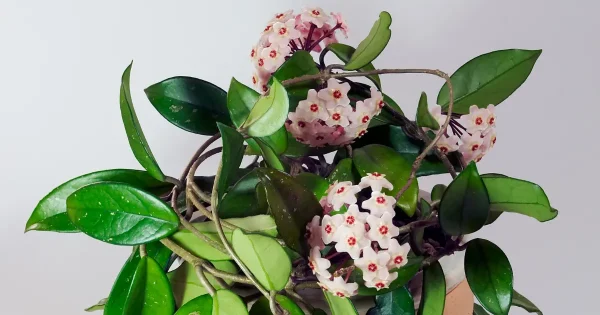
Top 5 Must-Have Hoya Varieties for Beginners
Hoyas are easily one of my top recommendations if you’re hunting for a low-maintenance houseplant [...]
Mar
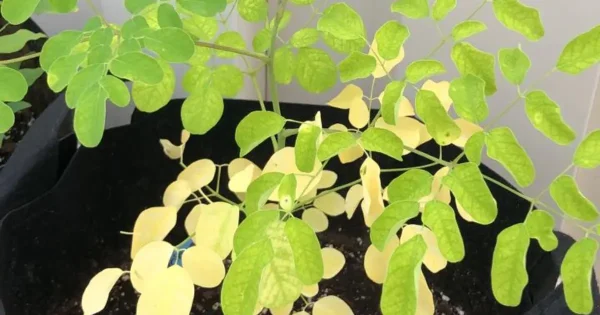
7 Moringa Plant Care Mistakes to Avoid for Healthy Growth
Have you ever looked at your Moringa tree and wondered why its once vibrant green [...]
Feb
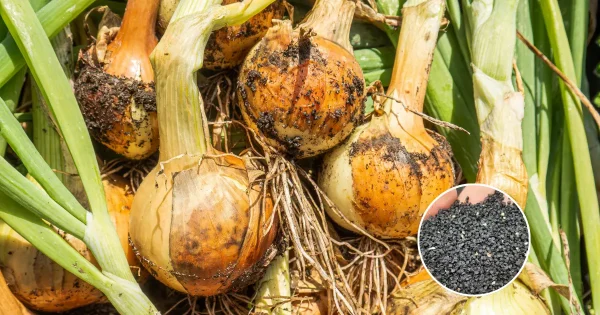
How to Grow Potato Onions From True Seeds: A Step-by-Step Guide
Have you ever wondered how to grow potato onions from true seeds or why some [...]
Feb
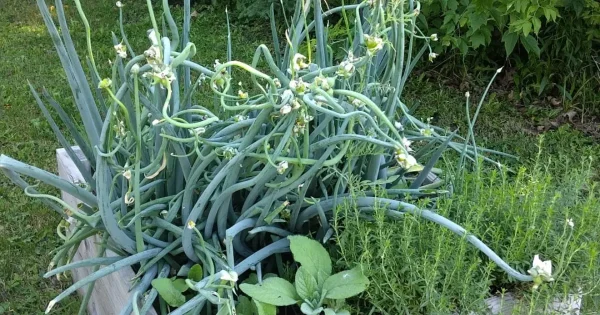
Growing Walking Onions in Containers: The Ultimate Guide
Have you ever looked at your small balcony or cramped patio and wished you could [...]
Feb

Reviews
There are no reviews yet.