
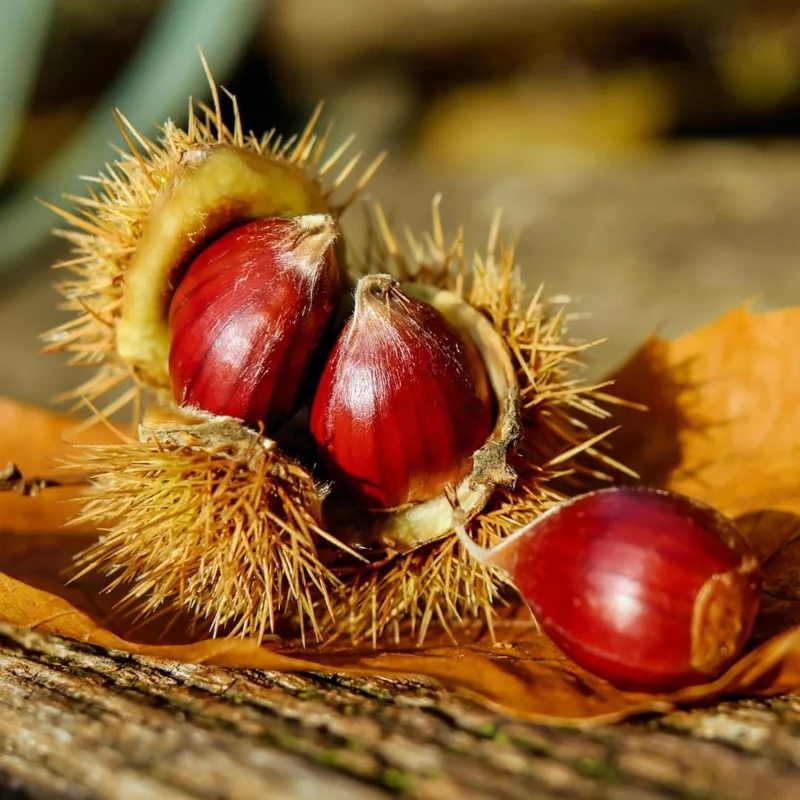
2-3 Ft Chestnut Trees Live Plants Seedlings, Bareroot, Cold Hardy, Outdoor Planting (Set of 2)
Original price was: $39.98.$35.98Current price is: $35.98.
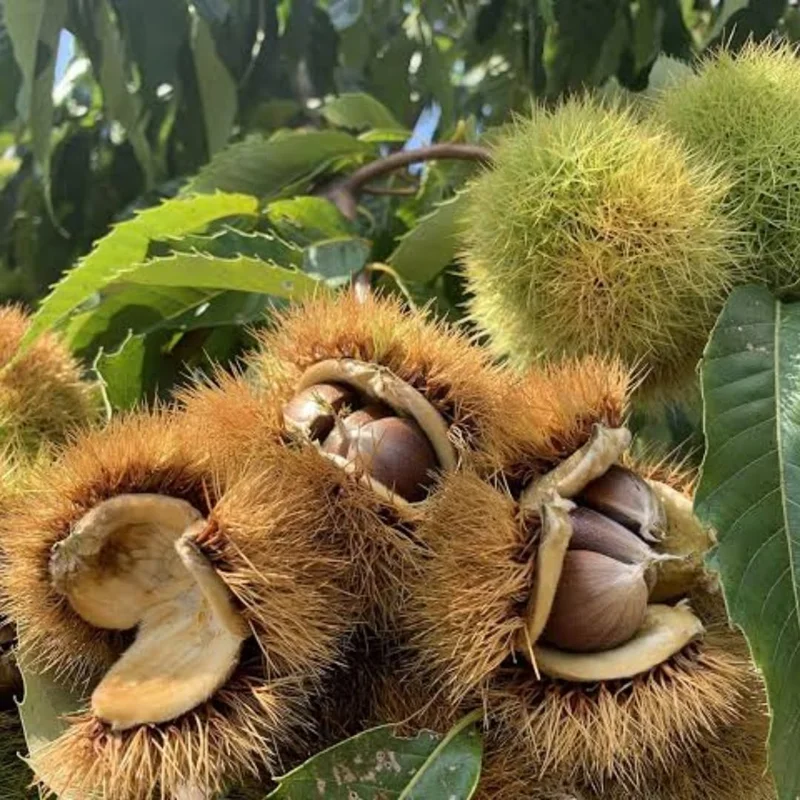
Cultivate your own orchard with a set of two chestnut trees live plants. These 2-3 feet tall, dormant, bare root chestnut seedlings are naturally cold hardy chestnut trees, perfect for outdoor gardens in USDA Zones 4-8, promising high yields of delicious nuts.
Shipping and Return policies:
We stand behind our plants with our Alive & Thrive Guarantee. If you experience any issues within the first 30 days, please email us, and our team will be happy to help. When needed, we’ll send you a one-time replacement free of charge to make sure your garden keeps growing strong.

Reasonable Price
We offer reasonable price

Support 24/7
Contact us 24 hrs a day
100% Money Back
You’ve 30 days to Return
Payment Secure
100% secure payment
Overview
Embark on a journey to grow your own bountiful harvest with these exquisite chestnut trees live plants. This offering includes a set of two 2-3 feet tall seedlings, shipped as dormant, bare-root specimens, perfectly poised for successful establishment in your garden. Known for their robust nature and significant yields, chestnut trees (Castanea spp.) are a fantastic addition to any landscape, providing both shade and delicious nuts. These particular seedlings are selected for their vigor and ability to thrive, ensuring a rewarding experience for both novice and experienced gardeners alike. Plant these magnificent trees to enjoy their rapid growth and the promise of future harvests of sweet, edible chestnuts, a true delight for culinary enthusiasts.
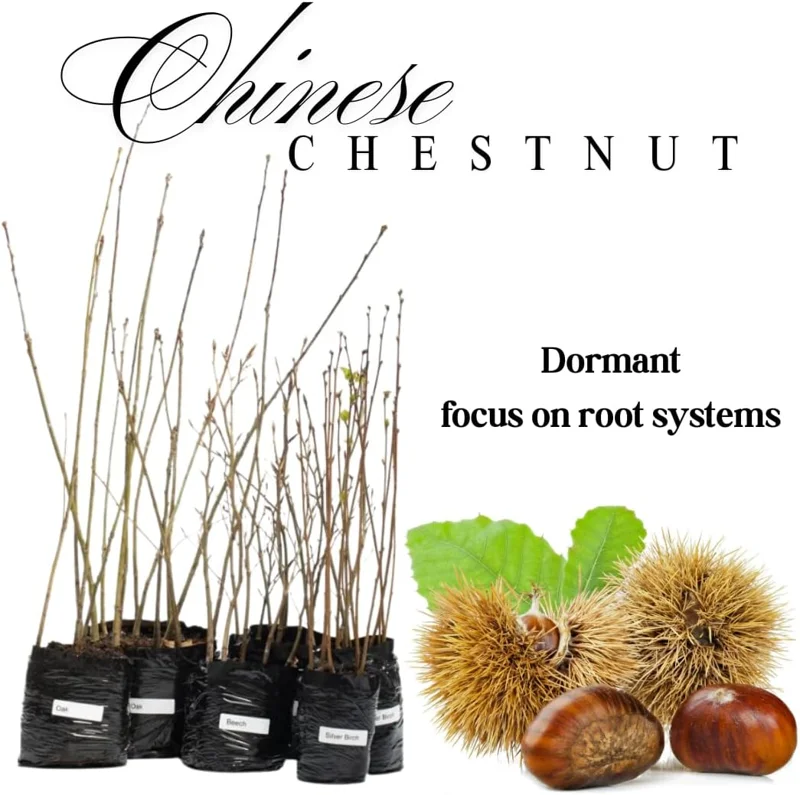
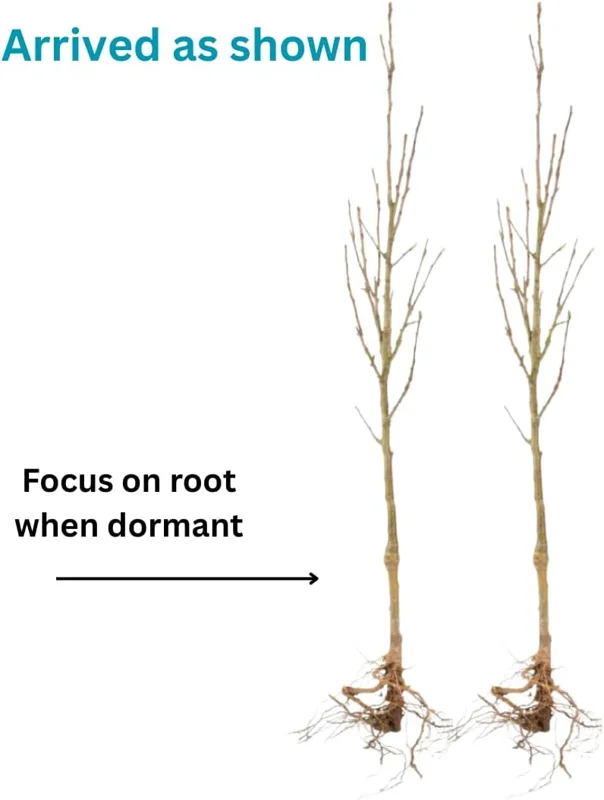
Our chestnut trees live plants are carefully prepared for shipment to ensure they arrive in optimal condition for planting. The dormant, bare-root state minimizes transplant shock, allowing the trees to focus their energy on developing strong root systems once planted. With proper care, these young trees will quickly establish themselves, growing into mature, nut-producing specimens. Imagine the satisfaction of harvesting your own chestnuts, a timeless tradition that brings nature’s bounty directly to your home. These trees are not just plants; they are an investment in your landscape and a source of future enjoyment.
Key Benefits
Investing in these chestnut trees live plants offers a multitude of advantages for your garden and your lifestyle. They are more than just trees; they are a source of food, beauty, and ecological benefit. Discover the many reasons why these chestnut seedlings are an excellent choice:
- Exceptional Hardiness: These are truly cold hardy chestnut trees, designed to withstand challenging winter conditions. They thrive in USDA Zones 4–8, ensuring successful growth and nut production across a wide range of climates. Their inherent resilience makes them a reliable choice for long-term cultivation.
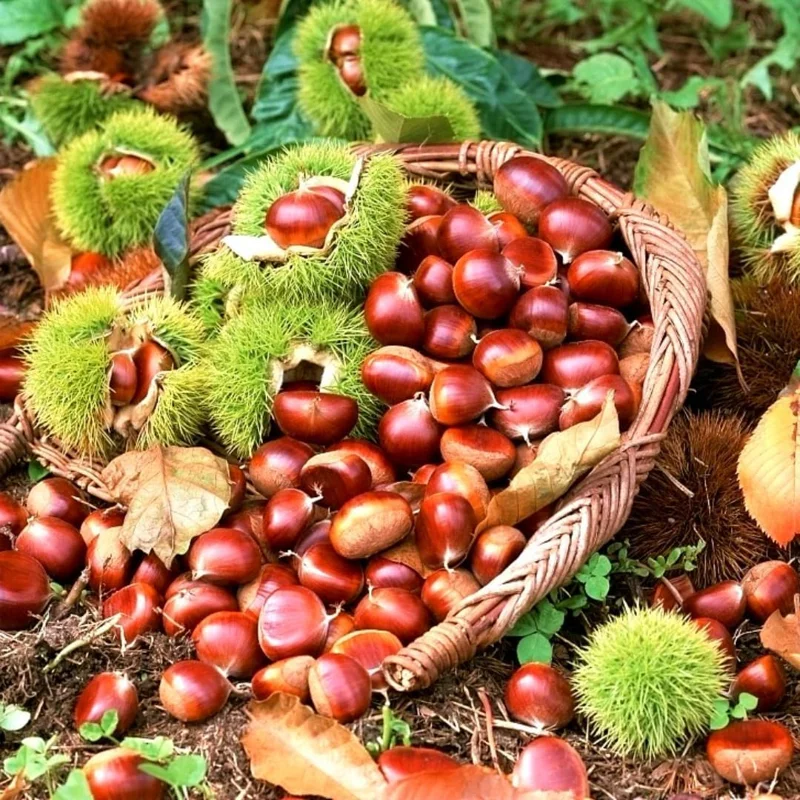
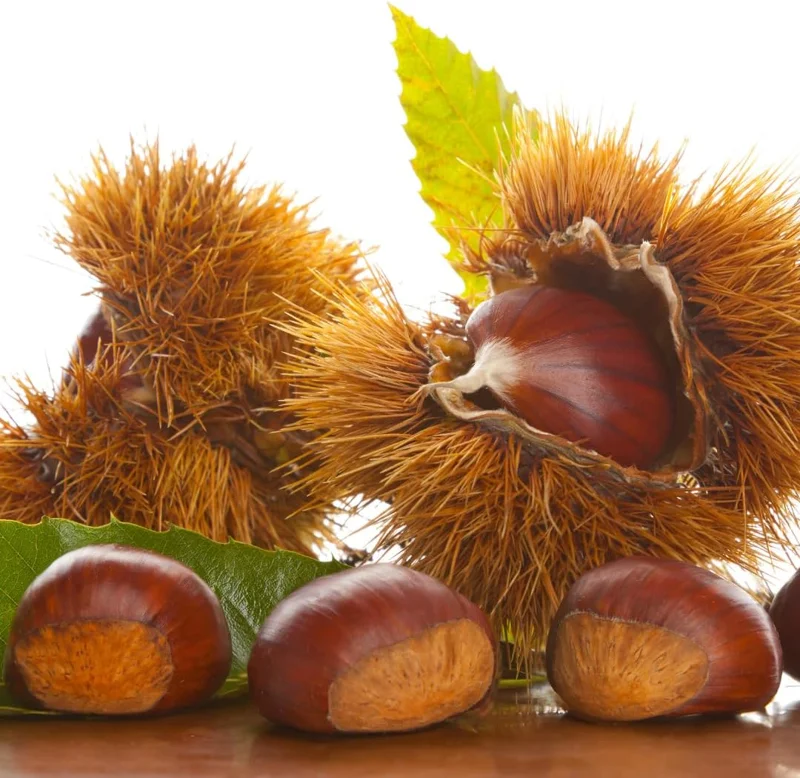
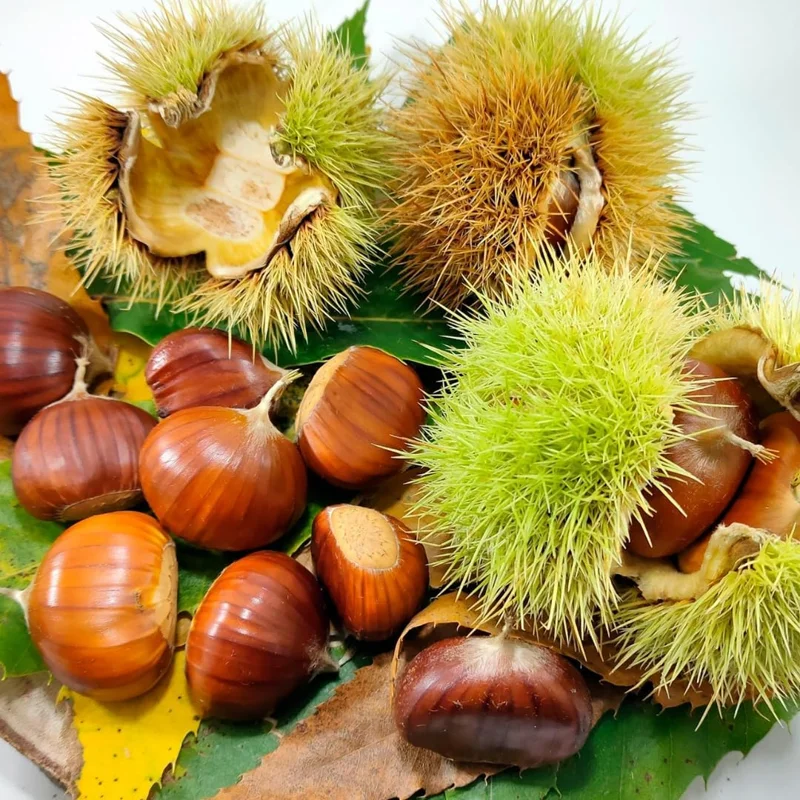
- High Yield Potential: Once mature, these trees are known for their generous production of delicious chestnuts. You can look forward to abundant harvests of sweet, nutritious nuts, perfect for roasting, baking, or enjoying fresh. The promise of high yields makes growing chestnut trees a truly rewarding endeavor.
- Rapid Growth: These chestnut seedlings exhibit a fast growth rate, allowing them to establish quickly and reach maturity sooner than many other fruit-bearing trees. This means you’ll enjoy the benefits of your investment in a shorter timeframe, seeing significant development each season.
- Ideal for Outdoor Planting: Specifically suited for outdoor environments, these trees contribute to the natural ecosystem, providing shade, beauty, and food for wildlife, while also enhancing your property’s aesthetic appeal. They are an excellent choice for creating a productive and attractive landscape.
- Sustainable Food Source: Cultivating your own chestnut trees provides a sustainable and renewable source of food. Chestnuts are a versatile and healthy addition to any diet, and growing chestnut trees contributes to a more self-sufficient lifestyle.
- Easy Establishment: Shipped as dormant, bare root chestnut seedlings, they are primed for easy planting and establishment. This method reduces stress on the plant, allowing it to focus on root development and vigorous growth once in the ground.
- Ecological Benefits: Beyond their edible nuts, chestnut trees offer significant ecological advantages, supporting local wildlife and contributing to biodiversity. They also help improve soil health and carbon sequestration, making them an environmentally friendly choice.
Plant Care & Growing Tips
Successful establishment and long-term health of your chestnut trees live plants depend on providing optimal growing conditions and consistent care. These cold hardy chestnut trees are relatively low-maintenance once established, but a good start is crucial for their development into productive nut-bearing trees. Understanding their needs will ensure a thriving addition to your garden.
For sunlight exposure, chestnut trees require full sun, meaning at least 6-8 hours of direct sunlight per day. Choose a planting site that receives ample sun throughout the day to ensure vigorous growth and abundant nut production. Regarding moisture needs, these trees prefer moderate watering. The soil should be kept consistently moist, especially during their first few growing seasons, but never waterlogged. Good drainage is paramount to prevent root rot. A well-draining, slightly acidic to neutral soil (pH 5.0-7.0) is ideal. Amending heavy clay soils with organic matter can improve drainage and aeration, which is vital for the development of healthy roots. These bare root chestnut seedlings benefit from a balanced fertilizer application in early spring once new growth begins. Use a slow-release granular fertilizer or a liquid feed diluted to half strength, following the product instructions carefully. Avoid over-fertilization, which can burn young roots.
These chestnut trees live plants are cold hardy, thriving in USDA Zones 4–8. This means they can tolerate winter temperatures down to -30°F (-34°C). However, young trees may benefit from some winter protection in the colder zones, such as wrapping the trunk with burlap or using a tree guard. Pests and diseases are generally manageable; regular inspection for any signs of trouble can help address issues early. Common problems might include fungal diseases or insect infestations, which can often be treated with organic sprays or appropriate horticultural practices. Consistent care, including proper watering, sunlight, and soil conditions, is key to the overall health and productivity of your growing chestnut trees. With these tips, you’ll be well on your way to enjoying a bountiful harvest.
Size & Details
This offering includes two chestnut trees live plants, each measuring approximately 2–3 feet in height upon arrival. They are shipped as dormant, bare root chestnut seedlings, which is the ideal state for transplanting and establishing a strong root system. The bare-root method means the trees are shipped without soil around their roots, reducing weight and transplant shock. These young trees are ready to be planted directly into your garden, where they will begin to establish their roots and break dormancy as the weather warms. Once planted and established, these cold hardy chestnut trees exhibit a rapid growth rate, quickly increasing in size each year. Expect them to begin producing nuts within 5-10 years, depending on growing conditions and specific variety. Their mature size can vary, but they typically grow into large, stately trees, providing significant shade and a substantial yield of chestnuts. Proper spacing is important to allow for their mature spread.
Frequently Asked Questions
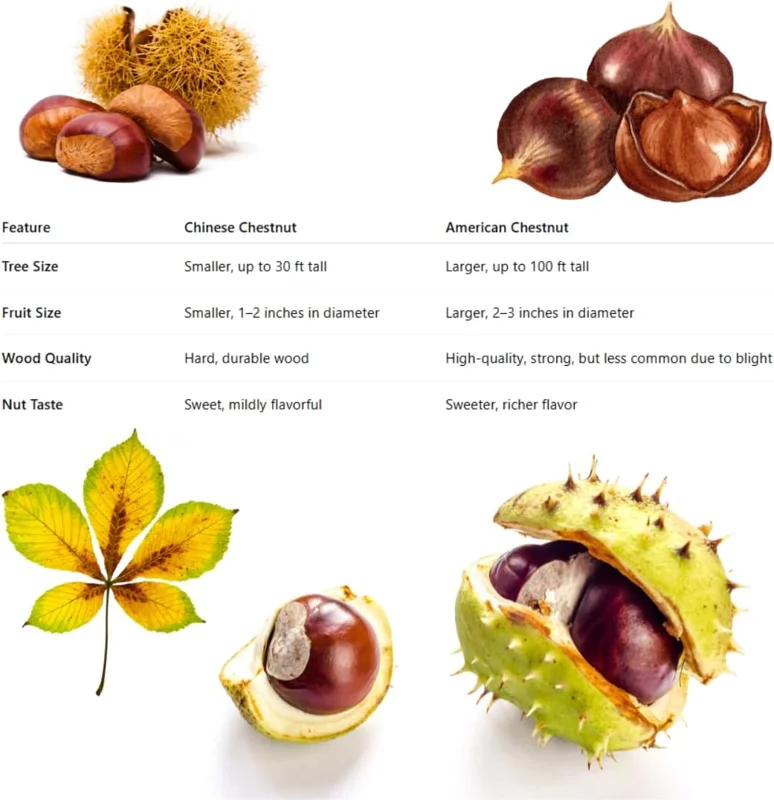
- Q: How big do these chestnut trees get? A: These chestnut trees live plants are 2-3 feet tall when shipped as dormant bare roots. Once mature, they can grow into large trees, often reaching heights of 50-70 feet or more, depending on the variety and growing conditions.
- Q: Is this an indoor or outdoor plant? A: These are cold hardy chestnut trees specifically intended for outdoor planting. They require ample space and full sun exposure to thrive and produce nuts.
- Q: How much sunlight does it need? A: Chestnut trees require full sun, meaning at least 6-8 hours of direct sunlight per day, for optimal growth and nut production.
- Q: Is this plant easy to care for? A: While initial establishment requires attention, especially for bare root chestnut seedlings, chestnut trees are considered relatively easy to care for once established. They are hardy and resilient but benefit from consistent moisture and good soil.
- Q: What condition will it arrive in? A: Your chestnut trees live plants will arrive as dormant, bare-root seedlings, meaning they will not have leaves and will be shipped without soil around their roots. This is the optimal state for successful transplanting.
- Q: When is the best time to plant these trees? A: The best time for planting dormant, bare root chestnut seedlings is in late fall after the leaves have dropped or in early spring before new growth begins, when the ground is workable.
- Q: Will it survive winter in my zone? A: Yes, these are cold hardy chestnut trees suitable for USDA Zones 4–8, meaning they are well-equipped to survive cold winter temperatures within this range.
- Q: What’s the minimum temperature these trees can tolerate? A: These cold hardy chestnut trees can generally tolerate winter temperatures down to approximately -30°F (-34°C) when established within their recommended USDA Zones 4–8.
- Q: How long until it produces nuts? A: While some varieties may produce earlier, you can generally expect your growing chestnut trees to start producing nuts within 5-10 years after planting, with yields increasing as the tree matures.
- Q: What type of soil is best for growing chestnut trees? A: Chestnut trees prefer well-draining, slightly acidic to neutral soil. They do not tolerate heavy, waterlogged clay soils well.
Be the first to review “2-3 Ft Chestnut Trees Live Plants Seedlings, Bareroot, Cold Hardy, Outdoor Planting (Set of 2)”
You must be logged in to post a review.
People also Viewed
Sold 50 products
Original price was: $17.58.$11.86Current price is: $11.86.
Sold 50 products
Price range: $32.99 through $35.99
Sold 50 products
$69.99
Sold 50 products
$18.99
Sold 50 products
Price range: $14.98 through $23.89
Sold 50 products
$32.99
Sold 50 products
$24.99
Sold 50 products
Price range: $43.99 through $44.99RELATED posts
Top 7 Best Smelling Jasmine Varieties for a Heavenly Garden
Have you ever walked past a house and caught a scent so sweet you just [...]
Mar
Master the Heat: 8 Expert Tips for Growing Jalapeños Like a Pro
Are you staring at your garden space, wondering why your pepper plants look more like [...]
Mar
Top 5 Must-Have Hoya Varieties for Beginners
Hoyas are easily one of my top recommendations if you’re hunting for a low-maintenance houseplant [...]
Mar
7 Moringa Plant Care Mistakes to Avoid for Healthy Growth
Have you ever looked at your Moringa tree and wondered why its once vibrant green [...]
Feb
How to Grow Potato Onions From True Seeds: A Step-by-Step Guide
Have you ever wondered how to grow potato onions from true seeds or why some [...]
Feb
Growing Walking Onions in Containers: The Ultimate Guide
Have you ever looked at your small balcony or cramped patio and wished you could [...]
Feb
9 Best Flower Seeds to Start in February for Early Blooms
If you’re a passionate gardener, you know that itchy feeling in your fingers when February [...]
Jan
Growing Shampoo Ginger in Pots: Easy Guide to Potting Ginger Lilies
Are you looking to add a touch of exotic beauty to your home while growing [...]
Jan

Reviews
There are no reviews yet.