
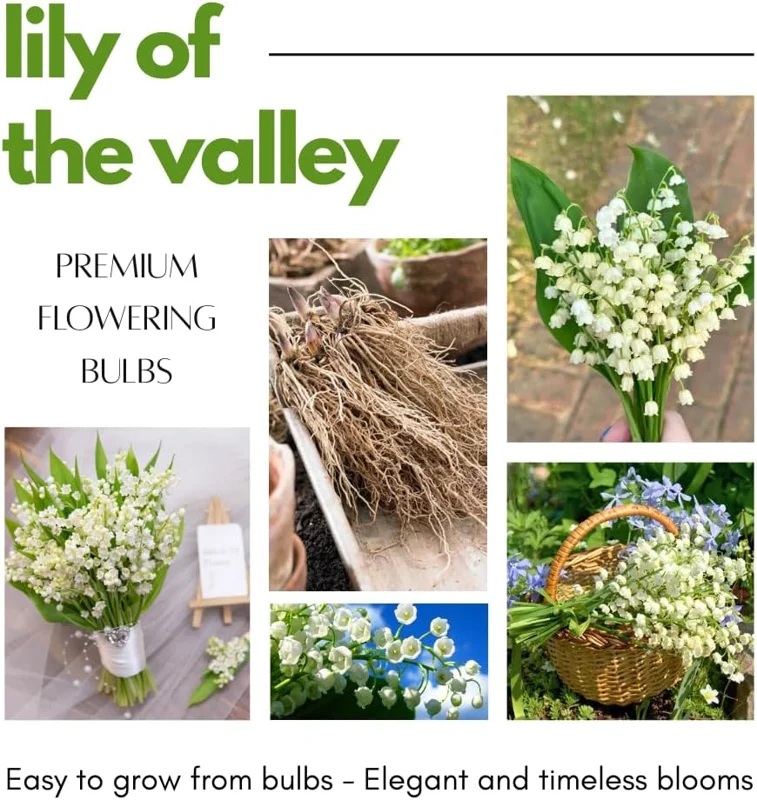
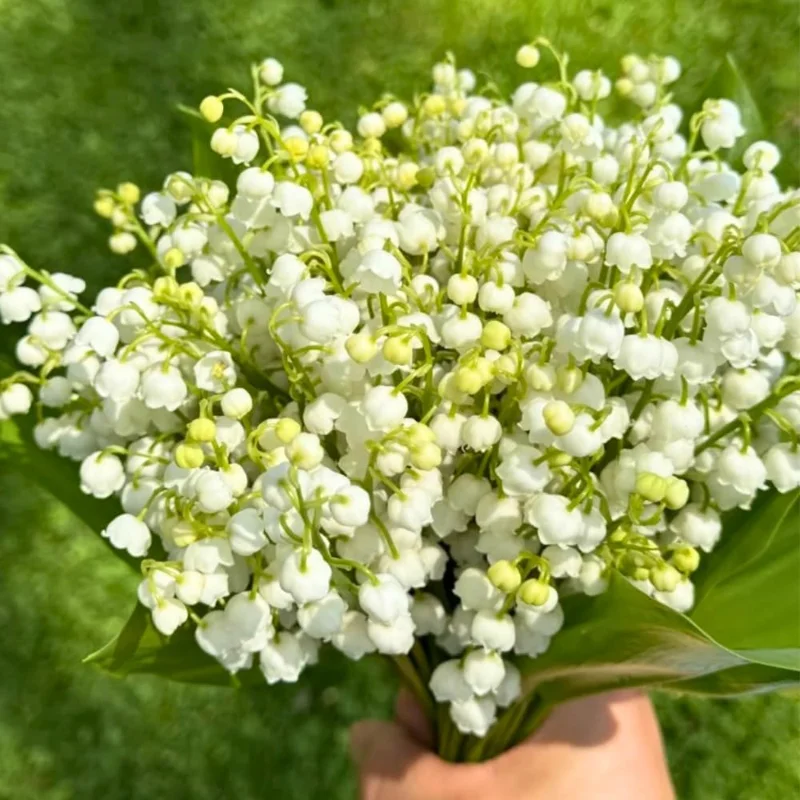
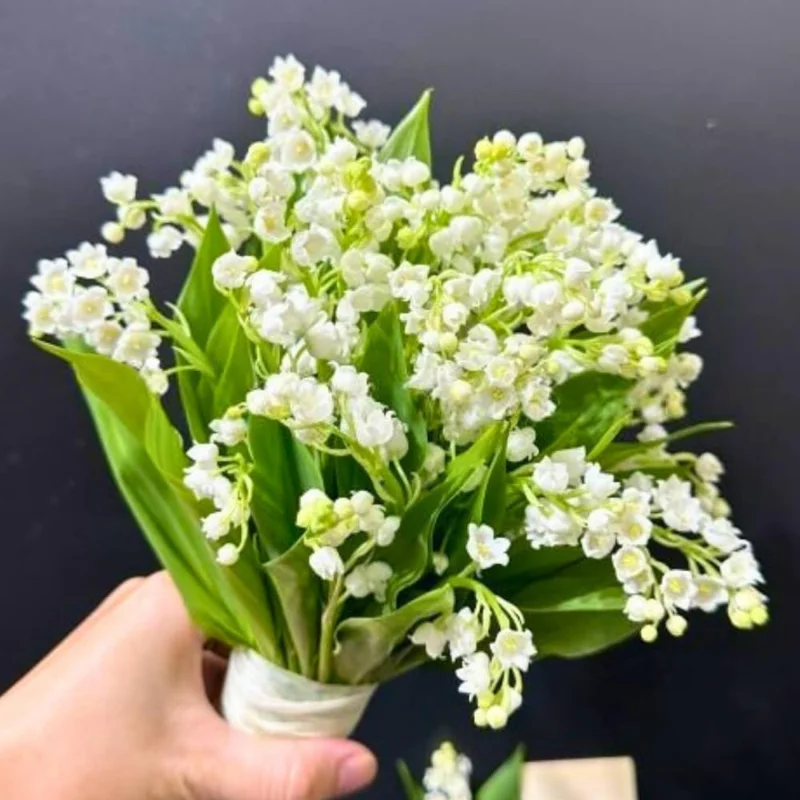
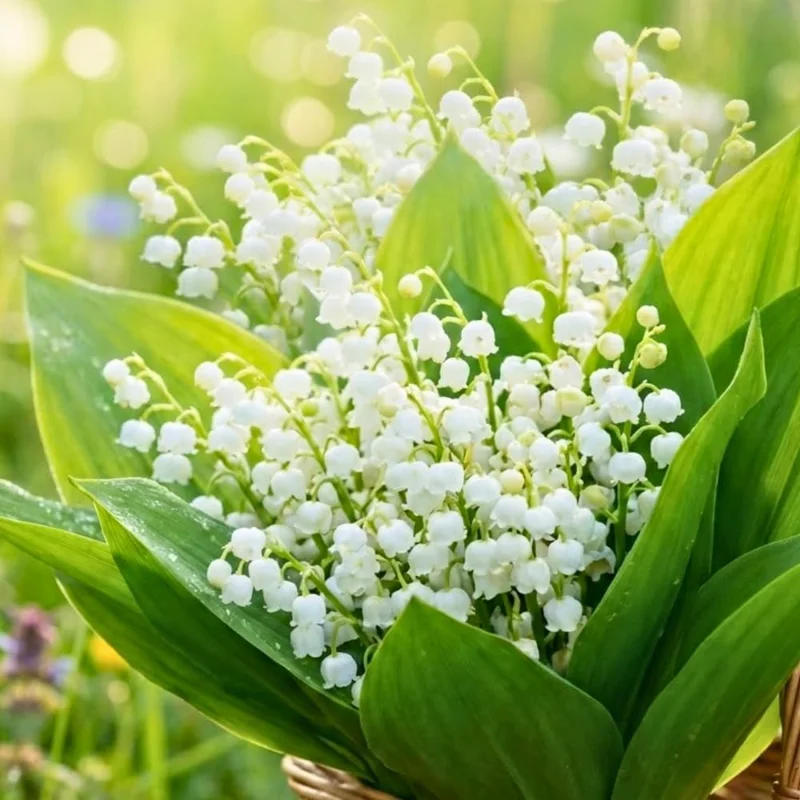
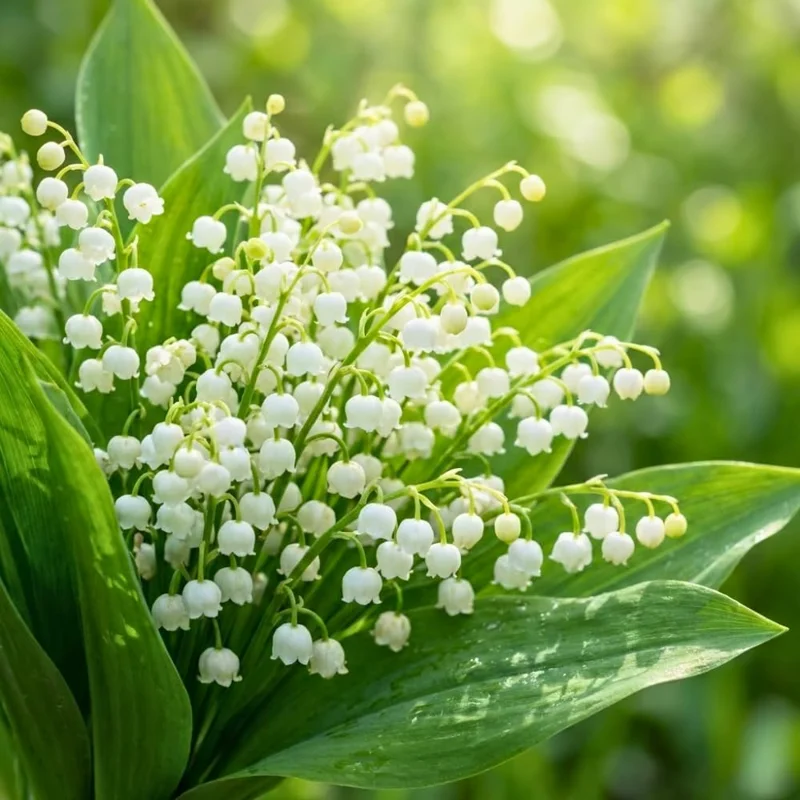
10 Lily of the Valley Bare Roots – Fragrant White Flower, Perennial, Zones 2-9
$27.49
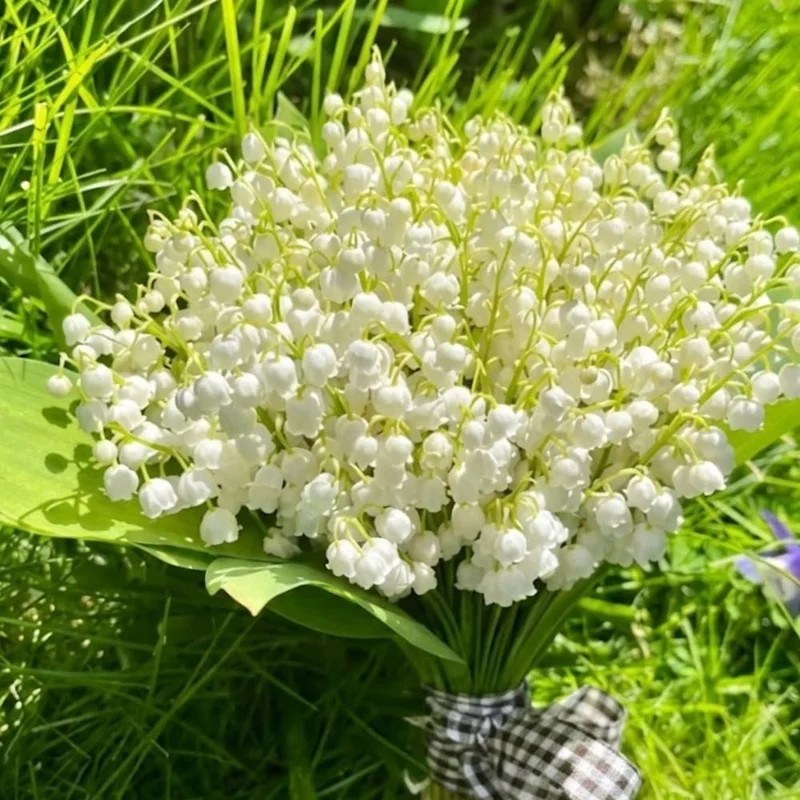
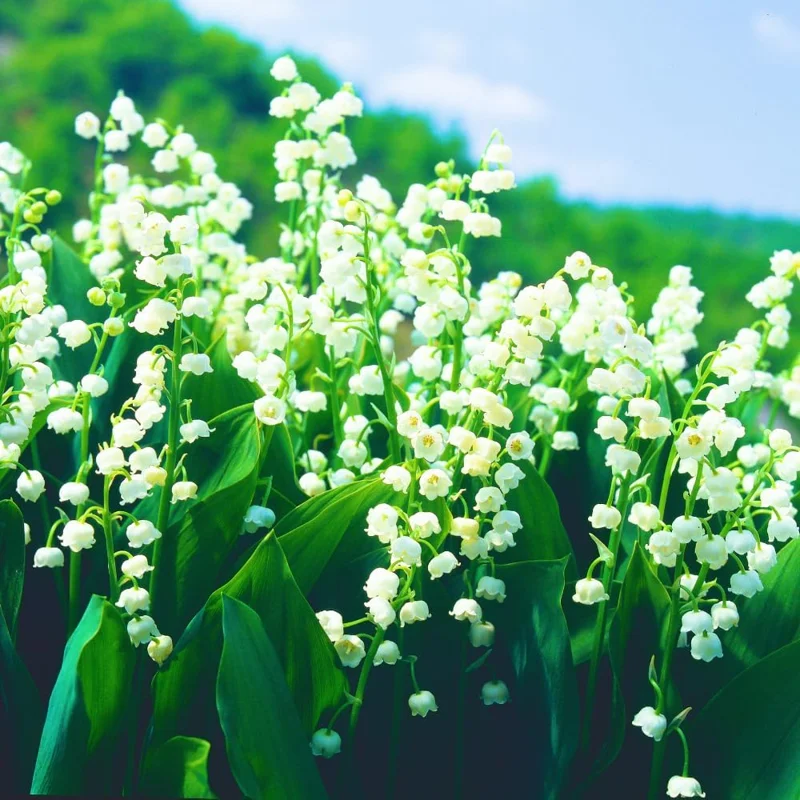
Create a beautiful, fragrant spring garden with 10 Lily of the Valley bare roots. These cold-hardy perennials produce delicate white flowers, perfect for ground cover in partial to full shade. Enjoy their sweet scent year after year.
Shipping and Return policies:
We stand behind our plants with our Alive & Thrive Guarantee. If you experience any issues within the first 30 days, please email us, and our team will be happy to help. When needed, we’ll send you a one-time replacement free of charge to make sure your garden keeps growing strong.

Reasonable Price
We offer reasonable price

Support 24/7
Contact us 24 hrs a day
100% Money Back
You’ve 30 days to Return
Payment Secure
100% secure payment
Overview
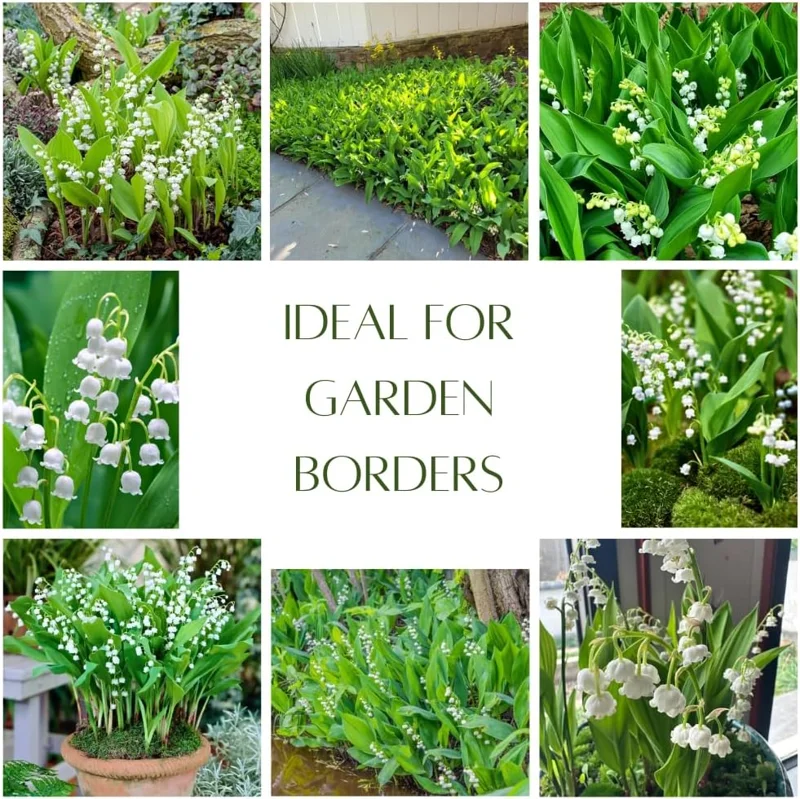
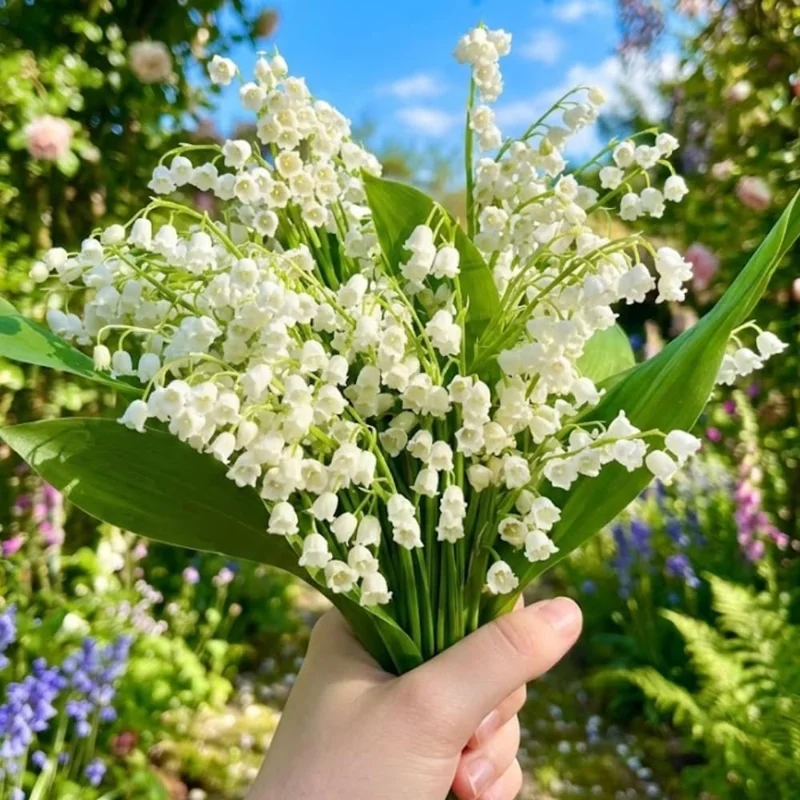
Transform your garden into a fragrant haven with these 10 Lily of the Valley bare roots. Known scientifically as Convallaria majalis, Lily of the Valley is a beloved perennial celebrated for its delicate, bell-shaped white flowers and intensely sweet fragrance. These bare roots are ready for planting, offering an easy way to establish a charming, low-maintenance ground cover that returns reliably each spring. Ideal for woodland settings, under trees, or along pathways, this charming plant adapts well to various conditions, particularly thriving in shaded areas. Its classic beauty and intoxicating aroma make it a timeless addition to any garden, bringing a touch of elegance and sensory delight.
The fragrant Lily of the Valley is not just a treat for the senses; it’s also a resilient and cold-hardy plant, making it suitable for a wide range of climates. These 10 large roots provide an excellent foundation for creating a lush carpet of green foliage, punctuated by clusters of pristine white blooms. Whether you’re a seasoned gardener or just starting, planting these bare roots is a straightforward process that promises years of enjoyment and beauty in your outdoor space. Embrace the simplicity and charm of this classic garden favorite.
Key Benefits
Adding Lily of the Valley bare roots to your garden offers numerous advantages, enhancing both aesthetic appeal and environmental health. These benefits make it an excellent choice for various garden designs:
- Sweet, Captivating Fragrance: Enjoy the iconic, rich, and sweet perfume that emanates from the delicate white flowers each spring, turning your garden into a sensory delight. This distinctive aroma is one of the primary reasons for its enduring popularity.
- Reliable Perennial Blooms: Once planted, these roots establish quickly and return year after year, providing a consistent display of beautiful flowers without the need for replanting. This makes them a cost-effective and low-effort choice for long-term garden beauty.
- Excellent Ground Cover Solution: The plants spread to form a dense, lush green carpet, effectively suppressing weeds and adding texture to shaded areas. They are particularly effective in challenging spots where other plants might struggle.
- Low Maintenance & Easy to Grow: Known for their hardiness, Convallaria majalis care is minimal. They thrive with little intervention, making them perfect for busy gardeners or those new to planting.
- Cold Hardy & Versatile: Suitable for USDA Zones 2-9, these plants can withstand cold winters and adapt to a variety of climates. Their resilience makes them a reliable choice for diverse garden environments.
- Shade Garden Enhancement: Perfectly suited for partial to full shade, they brighten up darker corners of the garden where many flowering plants struggle to bloom, creating a vibrant focal point.
- Compact & Beautiful Foliage: Beyond their flowers, the glossy green leaves provide attractive foliage throughout the growing season, maintaining visual interest even when not in bloom.
Plant Care & Growing Tips
Ensuring the success of your Lily of the Valley bare roots involves understanding their preferred growing conditions. These plants are remarkably resilient, but providing optimal care will encourage more vigorous growth and abundant blooms. Lily of the Valley thrives in partial to full shade, making them ideal for under deciduous trees, along north-facing walls, or in other areas that receive filtered light or only morning sun. While they can tolerate some sun, especially in cooler climates, too much direct afternoon sun can scorch their leaves and reduce flowering. Aim for at least 3-6 hours of indirect sunlight or dappled shade daily.
When it comes to watering, consistent moisture is key, especially during dry spells. The soil should remain evenly moist but never waterlogged, as this can lead to root rot. Well-drained soil is crucial; a rich, organic soil that retains moisture but drains freely is ideal. Incorporating compost or other organic matter into your planting area will significantly improve soil structure and fertility. These plants are not heavy feeders, but a balanced, slow-release granular fertilizer applied in early spring can promote healthier growth and more prolific flowering. Follow package directions for application rates.
One of the appealing aspects of perennial ground cover plants like Lily of the Valley is their hardiness. They are cold-hardy in USDA Zones 2-9, meaning they can withstand harsh winter temperatures and re-emerge in spring. While established plants require little attention, new plantings should be watered regularly. Deer and rabbits generally avoid Lily of the Valley due to its mild toxicity, which adds to its appeal as a low-maintenance garden choice. For comprehensive Convallaria majalis care, ensure good air circulation to prevent fungal issues, especially in humid environments.
Size & Details
This offering includes 10 Lily of the Valley bare roots, each prepared for immediate planting upon arrival. These are large, healthy roots, providing a strong start for establishing a vibrant patch of these beautiful flowers. Once planted, Lily of the Valley typically grows to a height of 6-8 inches (15-20 cm) with a similar spread, forming a dense ground cover over time. The plants have a moderate growth rate, spreading slowly but surely through rhizomes to create a lush carpet. You can expect to see foliage emerge in early spring, followed by the distinctive white, bell-shaped flowers in mid to late spring, typically around April or May, depending on your climate zone. The bare roots are a cost-effective and efficient way to plant a larger area or to create multiple smaller drifts of this highly sought-after plant. They are shipped dormant, ready to awaken in your garden with the warmth of spring. The foliage remains attractive throughout the summer before dying back in the fall.
Frequently Asked Questions
- Q: How big do these Lily of the Valley plants get? A: Once established, Lily of the Valley bare roots will grow into plants that typically reach 6-8 inches tall and spread similarly, forming a dense ground cover. They expand through underground rhizomes.
- Q: Is Lily of the Valley an indoor or outdoor plant? A: Lily of the Valley is primarily an outdoor plant, thriving in garden settings, particularly in shaded areas. While it can be forced indoors for temporary display, it is not typically grown as a houseplant.
- Q: How much sunlight does Lily of the Valley need? A: These plants prefer partial to full shade. They do best with 3-6 hours of indirect or dappled sunlight, especially avoiding harsh afternoon sun, which can scorch their leaves.
- Q: Is this plant easy to care for? A: Yes, Lily of the Valley is considered very easy to grow and low-maintenance. It’s a hardy perennial that establishes well and requires minimal intervention once planted, making Convallaria majalis care straightforward.
- Q: What condition will the bare roots arrive in? A: The 10 Lily of the Valley bare roots will arrive dormant and ready for planting. They are carefully packed to ensure they remain healthy during transit, prepared to burst into growth once planted.
- Q: When is the best time to plant Lily of the Valley bare roots? A: The best time to plant Lily of the Valley bare roots is in early spring or fall. This allows them to establish their root systems before the extremes of summer heat or winter cold.
- Q: Will it survive winter in my zone? A: Yes, Lily of the Valley is extremely cold-hardy and is suitable for USDA Zones 2-9, meaning it can easily tolerate cold winters and will return each spring. This makes it an excellent choice for a wide range of climates.
- Q: What type of soil does Lily of the Valley prefer? A: Fragrant Lily of the Valley thrives in rich, well-draining soil that is consistently moist. Amending your soil with organic matter like compost will provide ideal growing conditions.
- Q: Can Lily of the Valley be used for cut flowers? A: Absolutely! The small, fragrant blooms of Lily of the Valley are highly prized for small bouquets and arrangements, bringing their sweet scent indoors.
- Q: Is Lily of the Valley toxic? A: Yes, all parts of the Lily of the Valley plant are considered toxic if ingested. It’s wise to keep it away from pets and small children, or to plant it in areas where they won’t disturb it.
Be the first to review “10 Lily of the Valley Bare Roots – Fragrant White Flower, Perennial, Zones 2-9”
You must be logged in to post a review.
People also Viewed
Sold 50 products
Original price was: $17.58.$11.86Current price is: $11.86.
Sold 50 products
Price range: $32.99 through $35.99
Sold 50 products
$69.99
Sold 50 products
$18.99
Sold 50 products
Price range: $14.98 through $23.89
Sold 50 products
$32.99
Sold 50 products
$24.99

Sold 50 products
Price range: $43.99 through $44.99RELATED posts
Frostproof Jasmine Care: 7 Tips for Successful Pot Growth
Most gardenias are known for being “divas.” They want perfect humidity, perfect soil, and they [...]
Mar
Top 7 Best Smelling Jasmine Varieties for a Heavenly Garden
Have you ever walked past a house and caught a scent so sweet you just [...]
Mar

Master the Heat: 8 Expert Tips for Growing Jalapeños Like a Pro
Are you staring at your garden space, wondering why your pepper plants look more like [...]
Mar
Top 5 Must-Have Hoya Varieties for Beginners
Hoyas are easily one of my top recommendations if you’re hunting for a low-maintenance houseplant [...]
Mar
7 Moringa Plant Care Mistakes to Avoid for Healthy Growth
Have you ever looked at your Moringa tree and wondered why its once vibrant green [...]
Feb
How to Grow Potato Onions From True Seeds: A Step-by-Step Guide
Have you ever wondered how to grow potato onions from true seeds or why some [...]
Feb
Growing Walking Onions in Containers: The Ultimate Guide
Have you ever looked at your small balcony or cramped patio and wished you could [...]
Feb

9 Best Flower Seeds to Start in February for Early Blooms
If you’re a passionate gardener, you know that itchy feeling in your fingers when February [...]
Jan


Reviews
There are no reviews yet.