
1/2 Lb Jerusalem Artichoke Tubers for Planting – Sunchoke Sunroots
$19.99
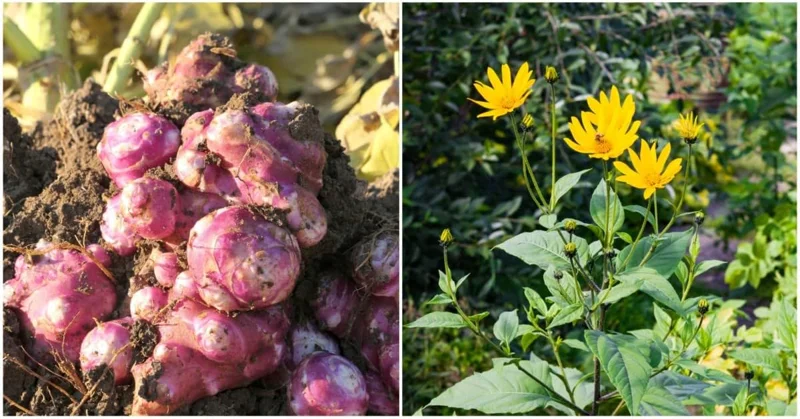
Plant 1/2 Lb Jerusalem artichoke tubers to cultivate a delicious, nutrient-rich, and easy-to-grow perennial vegetable. Also known as sunchoke bulbs for planting, these versatile sunroots provide abundant harvests and beautiful sunflower-like blooms for your garden.
Shipping and Return policies:
We stand behind our plants with our Alive & Thrive Guarantee. If you experience any issues within the first 30 days, please email us, and our team will be happy to help. When needed, we’ll send you a one-time replacement free of charge to make sure your garden keeps growing strong.

Reasonable Price
We offer reasonable price

Support 24/7
Contact us 24 hrs a day
100% Money Back
You’ve 30 days to Return
Payment Secure
100% secure payment
Overview
Embark on a rewarding gardening journey with our high-quality Jerusalem artichoke tubers. Also known as sunchokes or sunroots, these versatile plants offer both ornamental beauty and a delicious, nutritious harvest. Unlike traditional artichokes, Jerusalem artichoke tubers are the edible root of a type of sunflower. They are incredibly easy to grow, making them a fantastic choice for both novice and experienced gardeners looking to add unique and healthy food sources to their edible landscape. These tubers are robust and adaptable, thriving in a variety of conditions and producing abundant yields. Planting sunchoke bulbs for planting means investing in a perennial edible plant that will return year after year, providing a continuous supply of these earthy, subtly sweet vegetables. Discover the joy of growing your own sustainable food with these reliable and rewarding tubers. They are an excellent way to diversify your home garden with a productive and attractive crop.
Key Benefits
Growing Jerusalem artichoke tubers offers a multitude of advantages, from their culinary versatility to their ease of cultivation. These plants are a powerhouse of benefits for any garden:
-
Nutrient-Rich Harvest: Jerusalem artichokes are a great source of inulin, a prebiotic fiber that supports gut health, and are rich in vitamins and minerals like iron and potassium. Enjoy a healthy, low-glycemic alternative to potatoes. These tubers provide excellent nutritional value.
-
Easy to Grow: These tubers are remarkably low-maintenance, tolerating a wide range of soil conditions and requiring minimal care once established. They are an ideal choice for gardeners seeking a hassle-free, productive crop. Even beginners will find growing Jerusalem artichoke straightforward.
-
Perennial and Prolific: Once planted, sunchoke bulbs for planting will multiply and return each year, providing a continuous and abundant harvest without the need for annual replanting. This makes them a sustainable and cost-effective addition to your garden, truly a long-term investment as a perennial edible plant.
-
Beautiful Garden Addition: Beyond their edible roots, Jerusalem artichoke plants grow 5-10 feet tall and produce cheerful, sunflower-like yellow blooms in late summer, adding a stunning visual element to your garden landscape. They can create an attractive backdrop or screen.
-
Versatile Culinary Use: The tubers can be eaten raw, roasted, boiled, fried, or mashed, offering a unique flavor profile that adds depth to salads, soups, stews, and side dishes. Explore new culinary possibilities with these delicious sunroots for planting.
-
Soil Improvement: The extensive root systems of Jerusalem artichokes can help improve soil structure and prevent erosion, contributing to a healthier garden ecosystem. They are beneficial for overall garden health.
-
Adaptable to Various Climates: Thriving in USDA Zones 3-9, these plants are cold-hardy and can withstand a wide range of temperatures, making them suitable for many regions across the US. This wide adaptability ensures successful growth for many gardeners.
Plant Care & Growing Tips
Growing Jerusalem artichoke is straightforward, making it an excellent choice for gardeners of all levels. These tubers are quite resilient and can thrive with minimal intervention. For optimal growth, choose a site with full sun, meaning at least 6-8 hours of direct sunlight per day. While they tolerate some shade, more sun generally leads to a more abundant harvest of Jerusalem artichoke tubers. They are known for their ability to spread, so consider planting them in a dedicated bed or using barriers to contain their growth if you wish to prevent them from taking over your garden. This management ensures they remain a welcome addition rather than a nuisance.
When it comes to soil, Jerusalem artichokes are not overly picky but prefer well-draining conditions. Loamy or sandy soil is ideal, but they can adapt to heavier clays as long as drainage is adequate. Avoid waterlogged areas, as this can lead to tuber rot. Plant the tubers about 3-6 inches deep and 12-18 inches apart, typically in early spring after the last frost. Water thoroughly after planting. Once established, they are relatively drought-tolerant, but consistent moisture, especially during dry spells and tuber development, will encourage a better yield. Fertilization is usually not necessary in rich soil, but a balanced organic fertilizer can be applied in spring if your soil is poor. Keep an eye out for common pests like aphids, though serious issues are rare. The plants are hardy in USDA Zones 3-9, meaning they can withstand cold winters and will regrow from any tubers left in the ground, making them a truly reliable perennial edible plant.
Size & Details
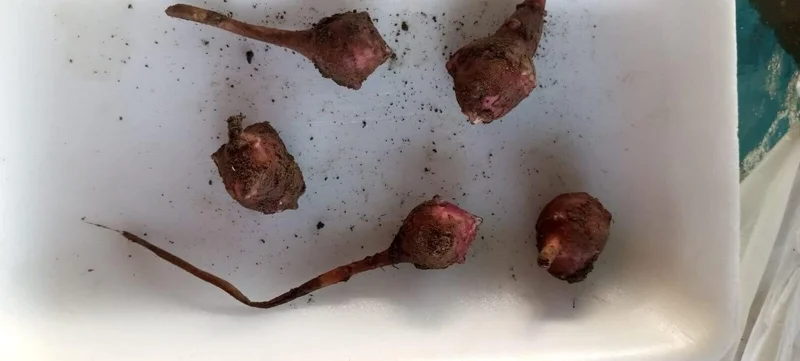
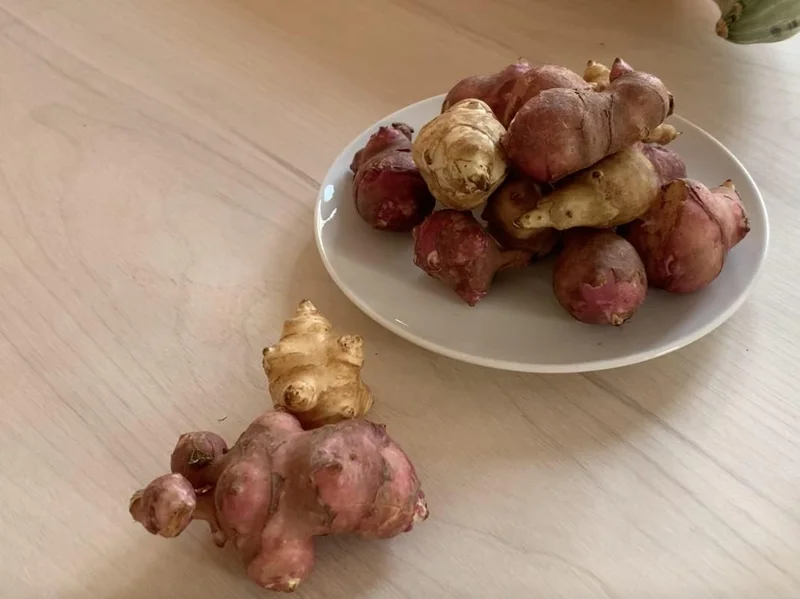
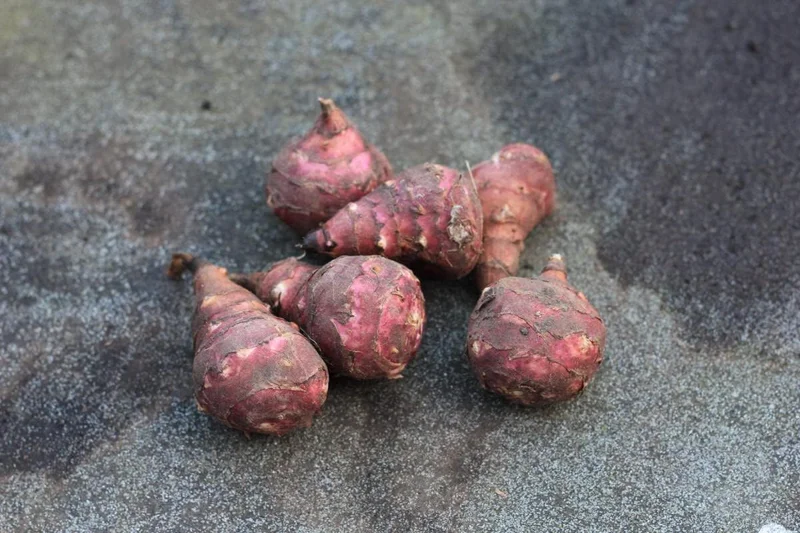
This offering includes 1/2 Lb Jerusalem artichoke tubers, specifically selected for planting. Each tuber is a viable start for a new plant, ready to establish itself in your garden. The plants typically grow to a mature height of 5-10 feet tall, creating a striking backdrop or screen in your landscape. They are known for their vigorous growth, quickly forming dense stands. The tubers themselves vary in size and shape, resembling ginger roots, and will multiply underground throughout the growing season. Expect vibrant, sunflower-like yellow blooms to appear in late summer to early fall, adding a cheerful touch to your garden before the harvest season begins. These sunroots for planting are shipped as dormant tubers, ensuring they are ready to sprout once planted in appropriate conditions. Tubers are typically harvested after the first hard frost, which triggers the conversion of starches to sugars, enhancing their flavor and sweetness. When you receive your sunchoke bulbs for planting, they are ready for immediate placement in your garden.
Frequently Asked Questions
-
Q: How much does 1/2 Lb of Jerusalem artichoke tubers yield? A: A 1/2 Lb Jerusalem artichoke tubers can yield a significant harvest, often multiplying many times over in a single growing season. The exact yield depends on growing conditions, soil fertility, and the length of the growing season, but you can expect a plentiful return for your initial planting. This makes them a very productive perennial edible plant.
-
Q: When is the best time to plant these sunchoke bulbs? A: The ideal time to plant your sunchoke bulbs for planting is in early spring, after the danger of the last frost has passed. This allows the tubers ample time to establish their root systems and grow throughout the summer before developing new tubers in the fall.
-
Q: Are Jerusalem artichokes invasive? A: Jerusalem artichokes can spread aggressively due to their prolific tuber production. To prevent them from taking over your garden, consider planting them in a dedicated bed, a large container, or using root barriers to contain their growth. This way, you can enjoy the benefits of growing Jerusalem artichoke without it becoming a nuisance.
-
Q: What kind of sunlight do these sunroots need? A: For the best results and highest yield, these sunroots for planting prefer full sun, meaning at least 6-8 hours of direct sunlight per day. They can tolerate partial shade, but their growth and tuber production may be reduced.
-
Q: Can I grow Jerusalem artichokes in containers? A: Yes, you can grow Jerusalem artichoke tubers in large containers (at least 15-20 gallons) to help manage their spread. Ensure the containers have good drainage and provide ample space for the tubers to develop. This is an excellent method for urban gardeners or those with limited garden space.
-
Q: How do I harvest Jerusalem artichoke tubers? A: Harvest Jerusalem artichoke tubers after the first hard frost in the fall, which improves their flavor. Dig them up carefully with a spade or pitchfork, being mindful not to damage the tubers. You can leave some in the ground to resprout the following spring, ensuring a continuous supply of this delicious vegetable.
-
Q: What USDA zones are suitable for growing Jerusalem artichoke? A: These tubers are very hardy and can be successfully grown in USDA Hardiness Zones 3-9. This wide range makes them suitable for cultivation in most regions of the United States, tolerating both cold winters and hot summers.
-
Q: Are these tubers ready to plant upon arrival? A: Yes, the 1/2 Lb Jerusalem artichoke tubers are shipped dormant and are ready for planting upon arrival. It’s best to plant them as soon as possible after receiving them for the best establishment and growth of your perennial edible plant.
-
Q: What are some culinary uses for Jerusalem artichokes? A: Jerusalem artichokes, or sunchokes, are incredibly versatile. They can be peeled and eaten raw in salads for a crisp, slightly sweet bite, roasted to bring out their nutty flavor, boiled and mashed like potatoes, or added to soups and stews. They make an excellent healthy and flavorful addition to many dishes, offering a unique alternative to common root vegetables.
Be the first to review “1/2 Lb Jerusalem Artichoke Tubers for Planting – Sunchoke Sunroots”
You must be logged in to post a review.
People also Viewed
Sold 50 products
Original price was: $28.58.$19.99Current price is: $19.99.
Sold 50 products
$32.39
Sold 50 products
$21.59
Sold 50 products
$35.99
Sold 50 products
Price range: $23.15 through $25.19
Sold 50 products
$38.39
Sold 50 products
Price range: $28.79 through $35.99
Sold 50 products
$26.39RELATED posts
Frostproof Jasmine Care: 7 Tips for Successful Pot Growth
Most gardenias are known for being “divas.” They want perfect humidity, perfect soil, and they [...]
Mar
Top 7 Best Smelling Jasmine Varieties for a Heavenly Garden
Have you ever walked past a house and caught a scent so sweet you just [...]
Mar
Master the Heat: 8 Expert Tips for Growing Jalapeños Like a Pro
Are you staring at your garden space, wondering why your pepper plants look more like [...]
Mar
Top 5 Must-Have Hoya Varieties for Beginners
Hoyas are easily one of my top recommendations if you’re hunting for a low-maintenance houseplant [...]
Mar
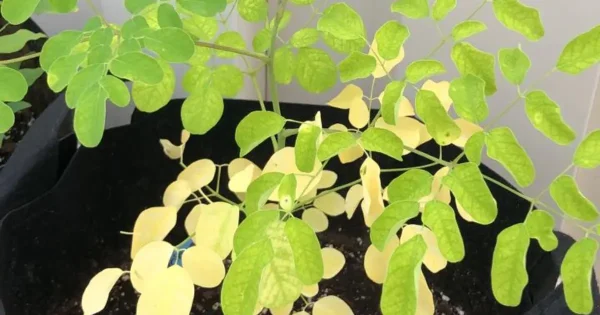
7 Moringa Plant Care Mistakes to Avoid for Healthy Growth
Have you ever looked at your Moringa tree and wondered why its once vibrant green [...]
Feb
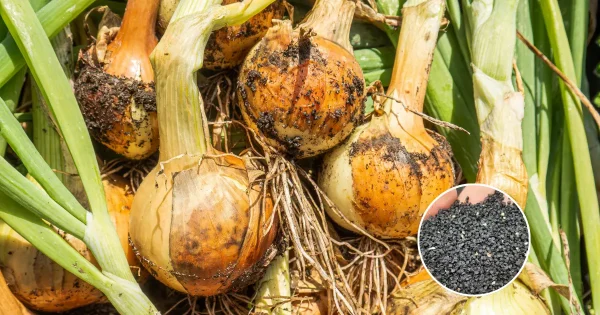
How to Grow Potato Onions From True Seeds: A Step-by-Step Guide
Have you ever wondered how to grow potato onions from true seeds or why some [...]
Feb
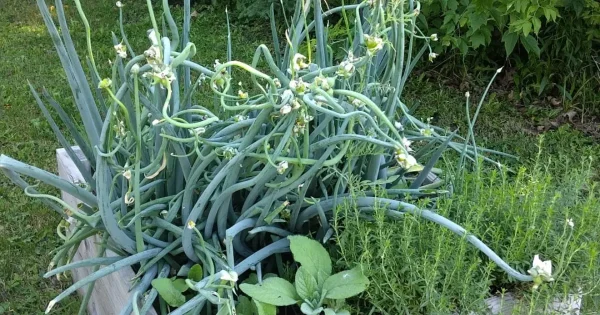
Growing Walking Onions in Containers: The Ultimate Guide
Have you ever looked at your small balcony or cramped patio and wished you could [...]
Feb

9 Best Flower Seeds to Start in February for Early Blooms
If you’re a passionate gardener, you know that itchy feeling in your fingers when February [...]
Jan
Reviews
There are no reviews yet.