
Gardening Tips, Guides
How to Grow Jalapeño Peppers From Seeds: A Step-by-Step Guide
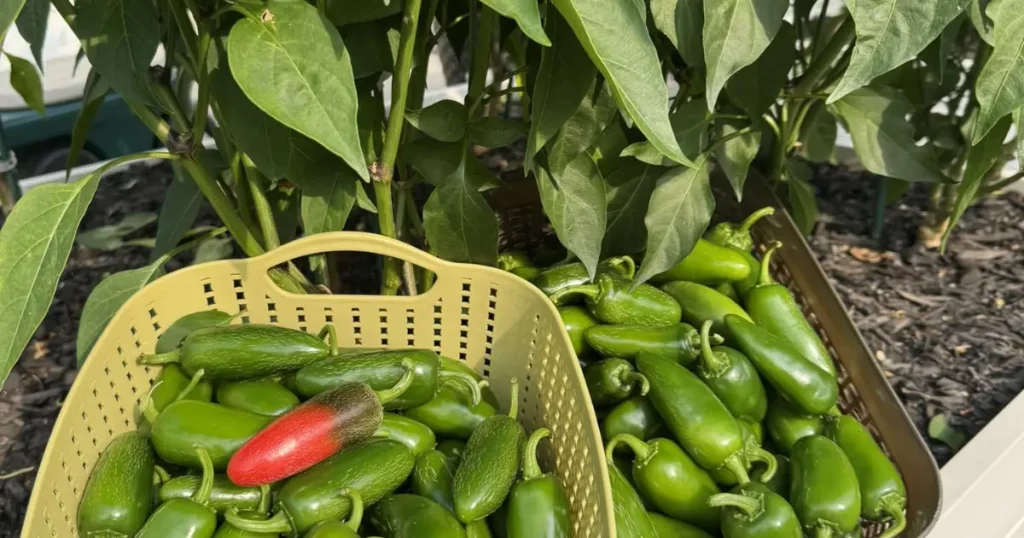
Apr
Ready to spice things up in your garden? Jalapeños are the true life of the pepper patch—bold, bright, and packed with a flavorful punch! Whether you’re a fan of zesty salsas or you just want to add some “heat” to your patio containers, these medium-heat peppers are a fantastic choice for any home gardener.
While they are famous for their signature green crunch, growing them like a pro requires more than just luck. To truly thrive, these sun-worshippers need plenty of light, nutrient-rich soil, and a little bit of patience. Starting from seed allows you to explore unique varieties and ensures a resilient, high-yielding harvest.
In this guide, we’ll walk you through how to grow Jalapeno Peppers from seeds, from seed starting and care to the “golden moment” of harvest.
What are Jalapeño Peppers?
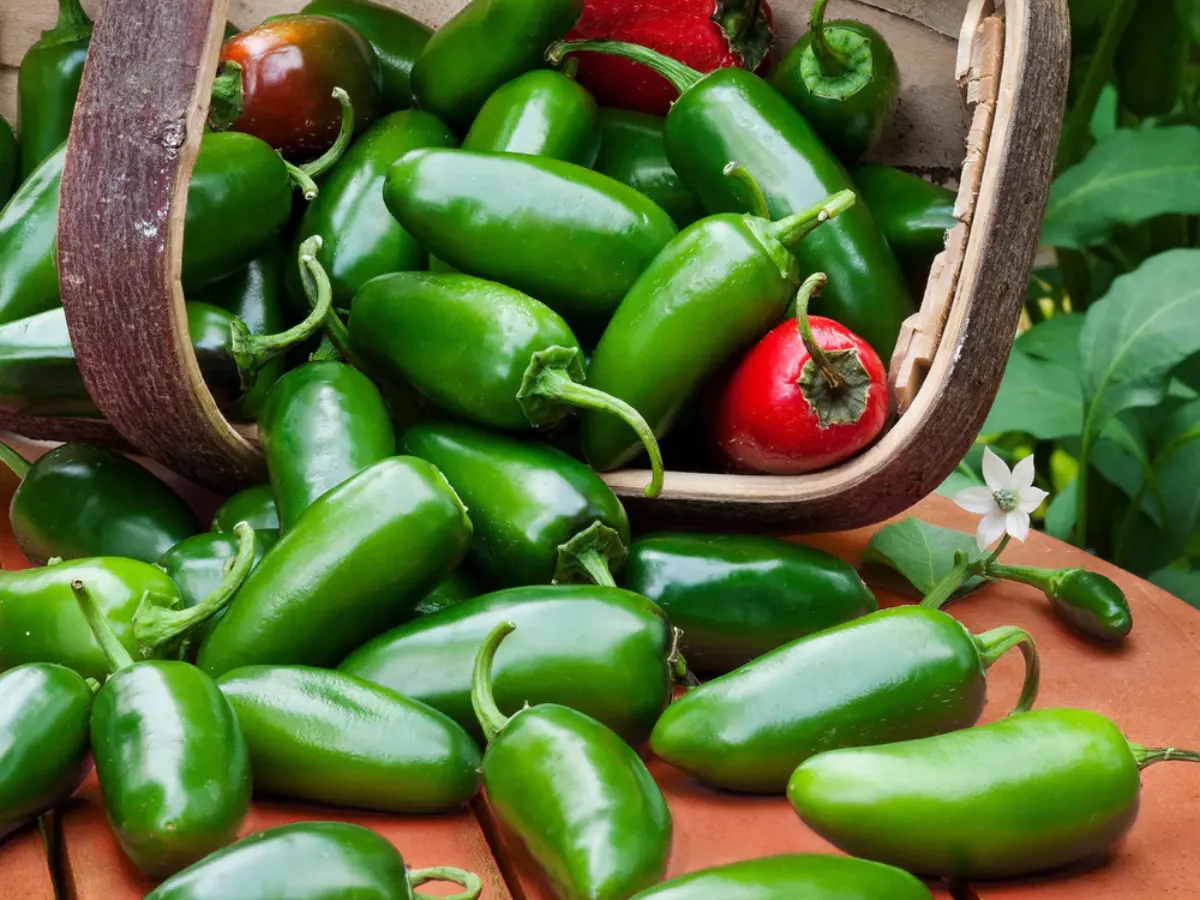
Jalapeños (Capsicum annuum) are the “goldilocks” of the pepper world, not too mild, not too crazy, but just right. These medium-heat chili peppers are famous for their thick, crunchy walls and bright, grassy flavor.
A mature plant typically reaches a sturdy 2–3 feet in height, making it perfect for both garden beds and patio containers. While we usually see them green, if you leave them on the vine, they will eventually turn a deep, brilliant red. These “Red Jalapeños” are actually sweeter and often pack a more complex, smoky heat!
Read more: Top 12 Best Types of Peppers to Grow in Your Garden: Easy and High Yield
Planting Jalapeño Peppers
Timing is Everything
Jalapeños are true “sun-worshippers,” but they are also notorious slow-starters. If you wait for the soil to warm up outside before planting your seeds, you might run out of summer before you see a single pepper!
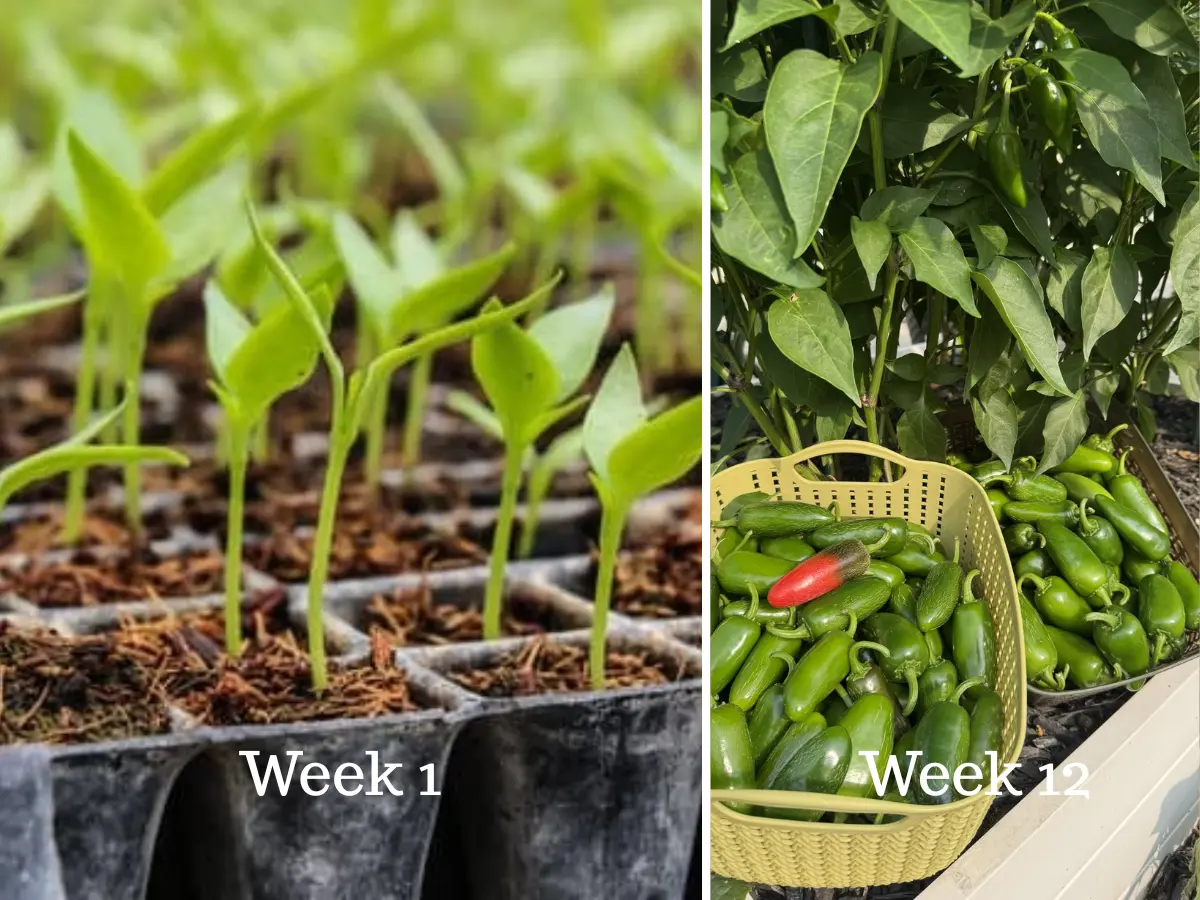
To give them the best shot, start your seeds indoors 8–10 weeks before the last expected spring frost. This “cozy” head start allows the plant to focus on developing a robust root system and a sturdy stem in a protected environment.
Don’t be discouraged if they don’t pop up overnight; pepper seeds can take anywhere from 7 to 21 days to germinate. Think of this phase as their “infancy”; the more stable the environment, the stronger they’ll be when they face the “wild” world of your backyard.
Soil and Light Requirements
-
Soil: Use a light, well-draining seed-starting mix. A bit of worm castings or organic compost provides the perfect “breakfast” for your emerging seedlings.
-
Light: These peppers crave light! Aim for at least 6–8 hours of direct sunlight. If growing indoors, a bright south-facing window or a dedicated LED grow light will prevent your plants from becoming “leggy” and weak.
How to Sow Jalapeño Seeds Step-by-Step
Planting peppers requires a little patience, but the process is straightforward:
-
Sowing: Fill your trays with moist starting mix. Sow seeds about 1/4 inch deep. Don’t bury them too deep, or they’ll struggle to reach the surface.
-
Keep it Warm: For the best germination, keep the soil temperature between 75°F and 85°F. Using a heat mat can significantly speed up the process.
-
Germination: Expect to see sprouts in 7–14 days. Once the “green” appears, remove any humidity domes and move them to a high-light area.
-
Transplanting: Once the seedlings have at least two sets of true leaves and the outdoor soil is consistently warm, “harden them off” (gradually expose them to the outdoors) before planting them in their permanent home.
You may like: Master the Heat: 8 Expert Tips for Growing Jalapeños Like a Pro
Caring for Jalapeño Peppers
Watering Strategy
Jalapeños are picky about hydration; they hate being bone-dry, but they absolutely detest “wet feet.” Instead of light daily sprinkles, aim for deep, infrequent watering to encourage roots to dive deep into the soil. A great rule of thumb is the “finger test”: only water when the top inch of soil feels dry to the touch. Finally, apply a 2-inch layer of organic mulch (like straw or leaves); it acts as a protective blanket, keeping moisture consistent while smothering “thirsty” weeds that would otherwise steal your peppers’ nutrients.
Feeding for Success
Jalapeños are “heavy feeders,” meaning they need a steady supply of nutrients to produce those thick-walled fruits.
-
Early Stage: When you first transplant, a bit of compost is usually enough.
-
The Flowering Boost: Once you see those first white blossoms, it’s time for a boost. Use a balanced organic fertilizer (look for numbers like 5-5-5 or 5-10-10 on the bag).
-
The Nitrogen Trap: Be very careful not to over-fertilize with nitrogen at this stage. High nitrogen levels tell the plant to grow “all hair and no teeth”, you’ll end up with a gorgeous, lush green bush, but very few actual peppers!
The Secret of Pruning
When your plant is about 6 inches tall, you can snip off the very top growing tip. This encourages the plant to grow outward rather than just upward, creating a “bushier” shape that can support more fruit.
If your young plant starts producing flower buds before it’s at least a foot tall, pinch them off! It feels counterintuitive to remove potential peppers, but this forces the plant to focus its energy on building a sturdy, woody frame. A stronger “foundation” in early summer leads to a much heavier, more sustainable harvest by the time August rolls around.
Harvesting, Curing, and Storage
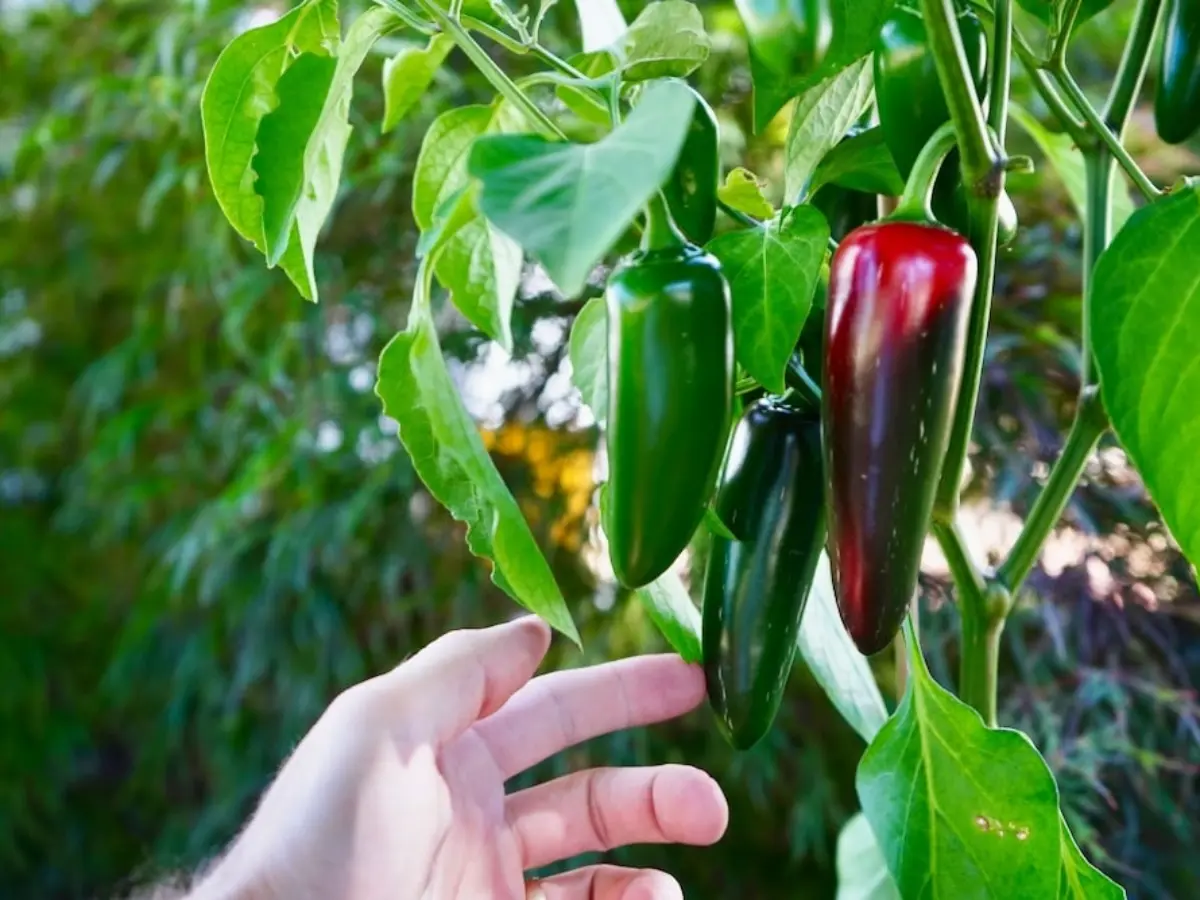
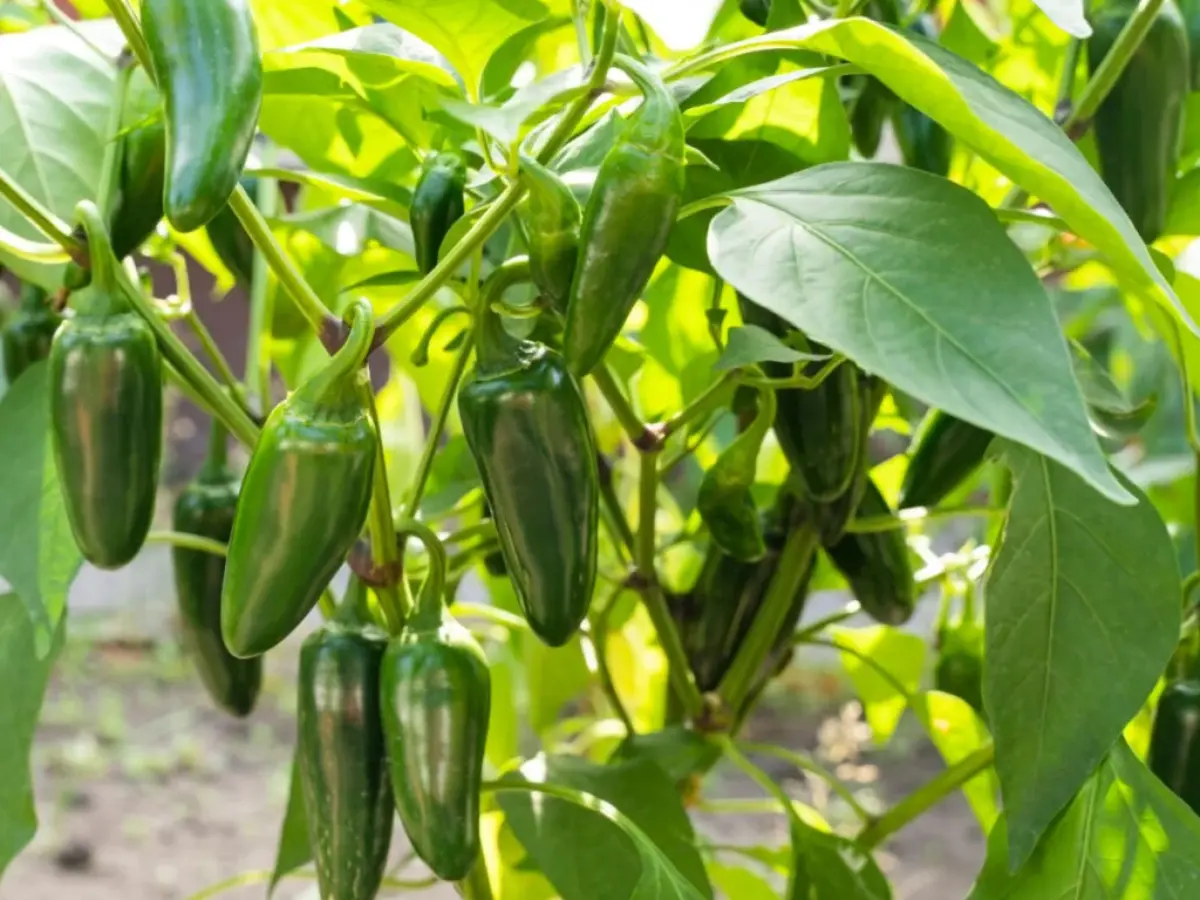
After months of nurturing your plants, the most rewarding part of the journey is finally here! A healthy, mature jalapeño plant typically stands about 2–3 feet tall and is a true powerhouse of production, yielding 30-40 peppers over several weeks. But knowing exactly when and how to pick them is the secret to capturing that perfect balance of crunch and heat.
When to Harvest
Jalapeños are unique because they are delicious at multiple stages of maturity. Generally, you can expect your first harvest about 5–6 months after sowing (or 60–80 days after transplanting).
Most gardeners harvest when the peppers are deep green, firm, and solid-colored. At this stage, they have that signature crisp, grassy flavor and medium heat.
If you leave the peppers on the plant longer, they will transition to yellow, orange, and finally a brilliant red. Pro Tip: If you prefer your peppers with a more intense heat and a hint of sweetness, wait until they turn red before harvesting!
How to Harvest
When you’re ready to pick, be gentle! Pepper branches are notoriously brittle and can snap easily if you’re too rough. Instead of pulling, carefully pinch the stem or use a sharp pair of garden snips to clip the pepper away.
Keep an eye out for small, tan, vein-like streaks on the skin called “corking.” While some might think these are flaws, experienced gardeners know these “stretch marks” often signal a mature pepper with peak flavor and spice.
Curing and Storage
Keep fresh, unwashed jalapeños in a paper bag or a breathable container in the vegetable crisper of your fridge. They will stay crunchy and flavorful for 1–2 weeks.
If your plants have outpaced your appetite, jalapeños are world-class candidates for pickling (nacho slices, anyone?). You can also freeze them whole or sliced in freezer bags—they’ll lose their crunch but keep 100% of their heat for winter stews and salsas.
Common Problems and How to Solve Them
Even though jalapeños are generally sturdy, they can be a bit “dramatic” when their environment isn’t quite right. Here is how to troubleshoot the most common issues:
Flower Drop (The Heat Reaction)
It’s frustrating to see your blossoms fall off instead of turning into peppers. This is usually due to temperature stress.
When temperatures climb above 90°F, the plant drops flowers to conserve energy. Provide afternoon shade with a shade cloth or an umbrella during heatwaves. Ensure you’ve applied a thick layer of organic mulch to keep the root zone cool and moist.
Pests: Aphids and Hornworms
-
Aphids: These tiny insects cluster under leaves, causing them to curl and turn sticky. You can use a sharp blast of water from a garden hose to knock them off, or apply neem oil in the cool of the evening.
-
Hornworms: These large green caterpillars can strip a plant of its leaves overnight. The best defense is “hand-picking.” Look for large holes in leaves and small black droppings on the ground to track them down.
Blossom End Rot (Black Spots on Fruit)
If the bottom of your peppers turns leathery and black, your plant is struggling with a calcium deficiency, usually caused by inconsistent watering.
Keep your watering schedule as steady as a heartbeat. Avoid letting the soil swing from “bone dry” to “soaking wet,” as this prevents the plant from moving nutrients to the fruit.
Yellowing Leaves (The Warning Signal)
Yellow leaves are your plant’s way of saying something is wrong underground:
If the soil is constantly swampy, the roots are suffocating. Improve drainage immediately. If the soil moisture is fine but the plant looks pale, it likely needs a light feeding of balanced organic fertilizer or compost tea to regain its strength.
Frequently Asked Questions (FAQs)
Why aren’t my peppers spicy? Sometimes peppers grown in very “cushy” conditions (lots of water, perfect soil) get lazy. To turn up the heat, try “water stressing” the plant slightly once the fruits have formed. That little bit of struggle tells the plant to produce more capsaicin (the heat chemical)!
Can I grow jalapeños in a pot? Absolutely! They are one of the best peppers for containers. Just make sure the pot is at least 3–5 gallons and has plenty of drainage holes.
Are red jalapeños hotter? Actually, they are often a bit sweeter! As they ripen to red, the sugar content increases, making them perfect for hot sauces and sriracha-style preserves.
Conclusion
Growing Jalapeño peppers from seed is a rewarding journey that brings a world of flavor to your doorstep. By following these simple steps, you’ll ensure a healthy, sustainable harvest that beats anything you can find at the grocery store. Whether you’re a seasoned pro or just starting out, adding these spicy multipliers to your garden is a decision your taste buds will thank you for!
Read more: