
Gardening Tips, Seed Tips
How to Grow Butterfly Peas at Home Easily
Jul
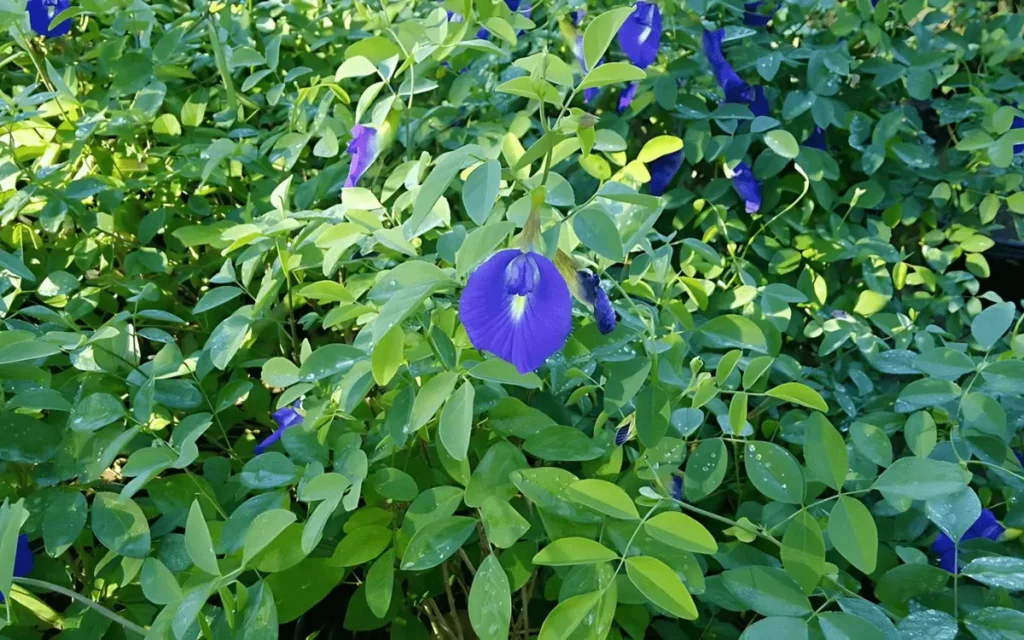
Have you ever scrolled through Instagram and seen those bright blue teas made from butterfly pea flowers and wondered if you could grow that plant yourself? Maybe you’re tired of buying expensive dried butterfly pea flowers online for your herbal teas and desserts. Or perhaps you’re simply looking for a beautiful, easy-to-grow vine that can brighten up your balcony or garden trellis with vibrant blooms.
If that sounds like you, this guide is exactly what you need. After over a decade of gardening, I’ve found butterfly pea (Clitoria ternatea) to be one of the easiest and most rewarding plants to grow at home. In this article, I’ll share everything you need to know to grow a healthy, flowering butterfly pea plant – from seed germination and potting to sunlight requirements, watering, harvesting, and using the flowers in your kitchen. Let’s dive in and turn your gardening goals into reality.
What is Butterfly Pea and Why Should You Grow It?
Origin and Botanical Profile
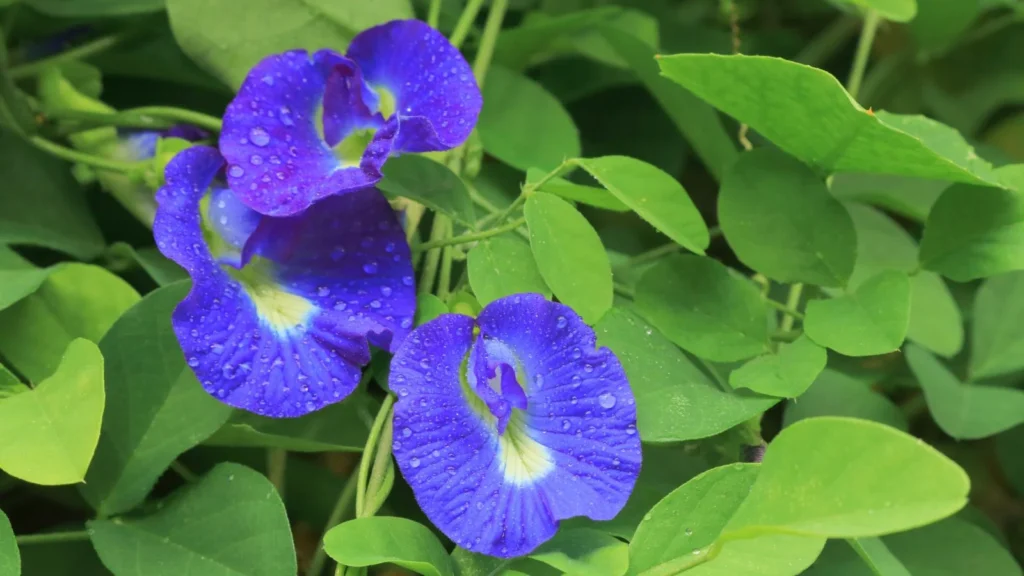
Butterfly pea, scientifically known as Clitoria ternatea, is a perennial climbing plant native to Southeast Asia. You might also hear it called Asian pigeonwings or blue pea flower. It belongs to the legume family, making it a nitrogen-fixing vine that naturally enriches your garden soil. This beautiful plant produces striking deep blue flowers, sometimes with a light yellow center, which have been used for centuries in Southeast Asian cooking, natural dyeing, and herbal medicine.
The vine can grow quickly, reaching up to 10 feet (3 meters) with support, and is often grown on fences, trellises, or arches to create a lush, green, and floral feature. Its leaves are small and oval, providing a dense background that makes the vivid blue flowers pop beautifully.
Key Benefits
Growing butterfly pea at home offers so many benefits beyond its stunning appearance. First, it is a powerful herbal plant. The flowers are rich in antioxidants, especially anthocyanins, which are believed to support memory, brain health, and overall vitality. You can brew them into herbal tea that changes from blue to purple when you add lemon juice – an exciting addition to your daily tea ritual.
The flowers are used as a natural food coloring for rice dishes, desserts, syrups, and cocktails, making your cooking look as impressive as restaurant dishes. Third, butterfly pea attracts pollinators such as bees and butterflies, supporting your garden’s ecosystem. Finally, it is extremely easy to grow in pots or directly in the ground, making it perfect for urban gardeners, balcony gardeners, and anyone wanting to start their gardening journey with confidence.
Best Conditions to Grow Butterfly Peas at Home
Ideal Climate and USDA Zones
Butterfly pea is a tropical plant that thrives in warm and humid conditions. In the United States, it grows as a perennial vine in USDA Zones 9-11, where winters are mild. If you live in Zones 7-8, you can grow it as an annual or overwinter it indoors to protect it from frost. For gardeners in colder zones, butterfly pea can still be grown in pots and brought inside when temperatures drop.
I live in Zone 8b and grow butterfly pea in large pots on my deck. As soon as temperatures begin to drop below 50°F consistently, I move them indoors near a bright south-facing window, where they continue to grow slowly until spring returns.
Sunlight Requirements
Butterfly pea loves sunlight. For healthy growth and prolific flowering, it requires at least 6-8 hours of direct sunlight each day. If planted in partial shade, the plant will survive but it tends to produce more foliage than flowers. For those growing indoors, place your pots under strong grow lights for at least 8 hours a day to mimic natural sunlight. Without sufficient light, your butterfly pea may become leggy and produce few or no blooms.
Soil Type and Preparation Tips
Butterfly pea isn’t picky about soil but grow best in well-draining, moderately fertile soil with a slightly acidic to neutral pH between 6.0 and 7.5. Before planting, enrich your soil with organic compost or aged manure to provide balanced nutrients. This will also improve soil structure and moisture retention.
For potting, I recommend using a mix of 40% garden soil, 40% compost, and 20% perlite or coarse sand to ensure good drainage and aeration. Avoid heavy clay soils or compacted potting mixes, as these can cause waterlogging and root rot over time.
How to Plant Butterfly Pea from Seeds or Cuttings
Seed Germination Steps
Planting butterfly peas from seeds is simple and rewarding. First, scarify the seeds by gently rubbing them with sandpaper or nicking them with a sharp knife to weaken their hard outer coating. This step helps the seeds absorb water and germinate faster. Next, soak the seeds overnight (8-12 hours) in warm water to further soften the seed coat.
Prepare your seed-starting mix or pots by moistening the soil evenly. Plant each seed half an inch deep, cover lightly with soil, and mist with water. Keep the pots in a warm place with indirect sunlight. Ensure the soil remains consistently moist but not soggy. Under optimal conditions, butterfly pea seeds germinate within 7-14 days.
If you live in a cooler climate, start your seeds indoors 6-8 weeks before your last frost date. Transplant seedlings outdoors once temperatures consistently stay above 60°F.
Using Cuttings for Propagation
Propagation by cuttings is a great option if you already have a mature plant or can source fresh cuttings. Take a healthy 6-8 inch stem cutting with at least two nodes. Remove the leaves from the bottom half of the cutting and dip the cut end in rooting hormone powder if you have it (optional, but it speeds up rooting).
Plant the cutting in moist potting mix and cover it with a clear plastic bag to maintain humidity, creating a mini greenhouse effect. Place it in indirect light. Within 2-3 weeks, roots should develop. You can check by giving the cutting a gentle tug; if it resists, roots have formed and it is ready for potting up or transplanting.
Recommended Pot Size and Trellis Setup
Butterfly pea is a vigorous climber. If you’re growing it in pots, choose at least a 10-12 inch diameter pot to give the roots plenty of room. Install a small trellis, bamboo sticks, or string support in your pot to encourage vertical growth and keep the vines tidy. Outdoors, plant near a fence, trellis, or garden arch to let the plant climb freely, creating a beautiful natural curtain of flowers and leaves.
Caring for Your Butterfly Pea Plant
Watering Frequency and Technique
Butterfly pea prefers soil that is consistently moist but not soggy. Water deeply when the top inch of soil feels dry to the touch. During hot summer months, potted plants may require daily watering, while garden-grown plants benefit from deep watering every few days, depending on your local climate.
Always check the soil moisture before watering to avoid overwatering, which can cause root rot. If you notice leaves yellowing at the bottom of the plant, check both your watering routine and drainage first before adding fertilizer.
Fertilizing
Because butterfly pea is a nitrogen-fixing plant, it generally doesn’t need heavy fertilization. However, feeding it with a mild organic fertilizer can encourage vigorous growth and blooming. Apply compost tea, fish emulsion, or a balanced organic liquid fertilizer every 4 weeks during the growing season.
Avoid fertilizers that are too high in nitrogen, as they will encourage leafy growth at the expense of flowers. A balanced fertilizer with moderate phosphorus supports flowering.
Pruning and Training the Vine
Pruning helps keep your butterfly pea looking neat and encourages bushier growth with more blooms. Pinch off the growing tips regularly to stimulate branching. Remove any dead, damaged, or yellowing leaves as needed. Train vines along your trellis or support structure by gently tying them with soft plant ties to guide their growth.
Common Problems and How to Solve Them
Yellowing Leaves Causes
Yellowing leaves can result from overwatering, poor drainage, or nutrient deficiencies. If your plant’s soil feels soggy, reduce watering and ensure pots have drainage holes. Lack of sunlight can also cause leaves to turn yellow and drop. If you suspect a nutrient deficiency, especially magnesium or iron, apply a liquid seaweed extract or iron chelate according to package instructions.
Why Butterfly Pea Plant is Not Flowering
If your butterfly pea is growing well but isn’t producing flowers, the most common causes are insufficient sunlight, too much nitrogen fertilizer, or immaturity. Young plants take 2-3 months to mature before flowering. Make sure it is planted in a sunny location and avoid over-fertilizing with high-nitrogen formulas that stimulate leafy growth at the expense of blooms.
Pest and Disease Management
Butterfly pea is relatively pest-resistant, but aphids can occasionally cluster on new growth. Spray them off with a strong jet of water or use neem oil or insecticidal soap if infestations persist. Spider mites can appear on indoor plants; increase humidity and wipe leaves regularly to deter them. Avoid waterlogged soil to prevent root rot, which is the most common issue affecting butterfly pea in pots.
Harvesting and Using Butterfly Pea Flowers
Best Time to Harvest
Harvest butterfly pea flowers in the early morning when blooms are fully open and fresh. Picking at this time preserves the bright blue color and antioxidant content. Frequent harvesting also encourages the plant to produce more flowers.
How to Dry and Store Flowers
After harvesting, rinse the flowers gently to remove dust or insects, and pat them dry with a towel. Lay them out on a mesh tray or paper-lined basket in a shaded, airy spot until they become completely crisp. Store the dried flowers in airtight glass jars away from direct sunlight. Properly dried butterfly pea flowers retain their color and potency for 6-12 months.
Culinary and Medicinal Uses
Butterfly pea flowers have many culinary and wellness uses. Brew the flowers into herbal tea and watch them change from deep blue to vibrant purple when you add lemon juice. Use them to naturally color rice, desserts, cocktails, and syrups for a unique and impressive presentation. Some people also use butterfly pea as a hair rinse due to its antioxidant properties.
Where to Buy Butterfly Pea Seeds or Plants in the USA
Ready to start your butterfly pea journey? Here are some trusted US suppliers:
-
True Leaf Market: Offers organic, non-GMO seeds with high germination rates
-
Baker Creek Heirloom Seeds: Known for reliable heirloom varieties
-
Amazon: Multiple US sellers, but always read reviews to ensure you buy high-quality, viable seeds
FAQs
How long does butterfly pea take to bloom from seeds?
Usually 60-90 days from sowing, depending on warmth and sunlight.
Can butterfly pea grow indoors without direct sunlight?
It can survive under strong grow lights, but flowering is limited without natural sun.
Is butterfly pea invasive in the US?
In tropical areas, it can spread quickly. In most US climates, especially in pots, it is manageable and non-invasive.
How often should I fertilize butterfly pea in pots?
Once every 4 weeks with a balanced organic fertilizer during the growing season is ideal.
Final Thoughts
Growing butterfly pea at home is one of the easiest and most rewarding gardening projects you can take on this year. Imagine brewing your own fresh butterfly pea tea or adding natural blue color to your rice and desserts using flowers from your balcony or backyard.
To succeed, remember to provide full sun, and water consistently without waterlogging, prune regularly for more blooms, and harvest flowers early for maximum color and benefits. Whether you’re a beginner gardener or an experienced herbal tea maker, Butterfly Pea is sure to bring beauty, practicality, and a touch of tropical magic to your garden.
If you’re ready to grow your own butterfly pea, grab some seeds today and start planting. Let me know how your butterfly pea journey goes – I’d love to hear your success stories and see your vibrant blue harvests.