
Gardening Tips
How to Grow Arabian Jasmine: A Complete Care Guide
Apr
If you’ve ever dreamed of a garden that smells like a tropical paradise, Jasminum sambac (commonly known as Arabian Jasmine) is the plant you’ve been looking for! Famous for its incredibly intense, sweet fragrance and its role in making traditional jasmine tea, this evergreen climber is a must-have for any scent-lover.
While it evokes images of exotic landscapes, Arabian Jasmine is surprisingly easy to grow if you provide the right conditions. In this guide, I’ll walk you through everything you need to know to keep your jasmine thriving and blooming profusely.
What is Arabian Jasmine (Jasminum sambac)?
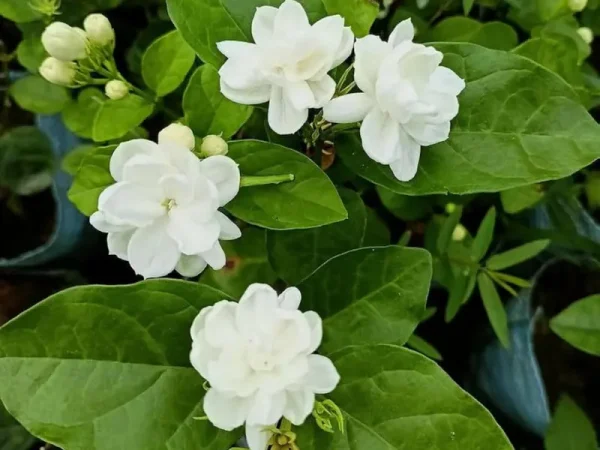
Arabian Jasmine is a fast-growing evergreen shrub or vine prized for its waxy white flowers and deep green, glossy foliage. Despite its name, it is actually native to Southeast Asia, thriving in warm, humid environments.
Unlike some other jasmine varieties that bloom only in spring, Arabian Jasmine can produce flowers year-round in ideal climates. It typically grows in USDA hardiness zones 9-11, meaning it loves the heat but needs protection from freezing temperatures. Whether you grow it as a sprawling shrub, a climbing vine on a trellis, or a beautiful potted plant on your patio, its scent is guaranteed to fill your evenings with magic.
>> Read more about our list of the Top 7 Best Smelling Jasmine Varieties for a Heavenly Garden to find your perfect match.
How to Plant Arabian Jasmine
To give your Arabian Jasmine the best start in life, you’ll want to focus on creating an environment that mimics its tropical origins. Whether you are planting in a decorative pot or directly in your garden bed, following these steps will help your jasmine establish deep, healthy roots quickly.
Choosing the Perfect Location
Arabian Jasmine is a sun-seeker that thrives on warmth. To ensure a heavy flush of flowers, pick a spot that receives at least 6 to 8 hours of direct sunlight daily. In regions with scorching summer heat, a location that offers bright morning sun and some afternoon dappled shade is ideal to prevent the leaves from getting “sunburned.” Good air circulation is also a plus to keep the foliage dry and healthy.
The Ideal Soil Mix
The secret to a happy jasmine plant is drainage. These plants love moisture but will quickly suffer if left in standing water.
-
For Garden Planting: Mix plenty of organic compost or aged manure into your native soil to improve both fertility and drainage.
-
For Containers: Use a high-quality, peat-based potting mix combined with a little perlite or coarse sand. Aim for a slightly acidic to neutral pH (6.0 to 7.0) for optimal nutrient uptake.
Step-by-Step Planting Guide
-
Prepare the Hole: Dig a hole that is twice as wide as the current root ball and just as deep. This loosened soil allows new roots to spread out easily.
-
Position the Plant: Gently remove the jasmine from its nursery pot. If the roots are tightly coiled, lightly tease them outward. Place the plant in the hole so that the top of the root ball is level with the surrounding soil surface.
-
Backfill and Firm: Fill the space around the roots with your amended soil. Press down gently with your hands to remove any large air pockets, but avoid packing it so tightly that you crush the delicate roots.
-
The First Soak: Immediately after planting, give your jasmine a deep, thorough watering. This helps settle the soil and reduces transplant shock.
Tip: If you are planting a climbing variety, install your trellis or support structure at the time of planting to avoid damaging the roots later on!
Caring for Arabian Jasmine
Watering
Arabian Jasmine loves consistent moisture, but it definitely doesn’t like “wet feet.” The key is to keep the soil consistently moist but never waterlogged. During the peak heat of summer, your jasmine will be quite thirsty—check the soil daily, especially for container-grown plants, which dry out much faster than those in the ground. When winter arrives and growth slows down, you can dial back your watering schedule. Simply let the top inch of soil dry out completely before giving it another drink to ensure the roots stay healthy and rot-free.
Fertilizing
To keep those iconic white blooms coming all season long, you’ll want to feed your jasmine regularly. Since this plant is a heavy bloomer, it requires plenty of energy—aim to fertilize every 2 to 4 weeks from early spring through the end of autumn. A balanced, water-soluble fertilizer works wonders, but if you really want to maximize your floral display, look for a “bloom booster” formula with a higher phosphorus content (the middle number). This provides the specific nutrients needed to trigger heavy budding and maintain that lush, emerald-green foliage.
Pruning
Don’t be shy with your garden shears! Arabian Jasmine actually produces its fragrant flowers on new growth, so regular pruning is the best way to ensure a continuous supply of scent.
After a major flush of blooms has faded, take the time to trim back leggy or overgrown stems. This stimulates the plant to push out fresh, vigorous branches, and as we know, more branches mean more flower buds for the next round. It’s a simple cycle that keeps your plant looking young and productive.
Shaping
One of the best things about Arabian Jasmine is its versatility; you can train it to fit almost any garden style. If you prefer a tidy, compact shrub, simply “pinch off” the soft tips of young stems to encourage a bushier habit. If you’re dreaming of a fragrant wall or a scented archway, provide a sturdy trellis or fence and gently tie the wandering stems to guide them upward. A thorough “cleanup” prune in late winter is also a great practice to remove any crossing or dead wood, giving your plant a fresh, organized start for the spring season.
Overwintering Arabian Jasmine
Since Arabian Jasmine is a tropical plant, it needs a little extra protection when the mercury drops. If you are gardening in zones 9-11, your plant can stay outdoors, but it will benefit from a thick layer of organic mulch—like leaves or straw—around the base to insulate the roots from chilly spells.
For those in zone 8 or below, you’ll need to bring your jasmine indoors before nighttime temperatures dip below 55°F (13°C). Once inside, place it in your sunniest window and cut back on watering, as the plant’s growth naturally slows down during its winter “nap.” These simple steps ensure your jasmine stays healthy and ready to bloom again once spring returns!
Troubleshooting Common Jasmine Issues
Even the best gardeners run into a few hiccups! Here’s how to handle them:
-
Yellowing Leaves (Chlorosis): Usually a sign of overwatering or an iron deficiency. Check that your pot has drainage holes, and try an iron-rich leaf spray if the veins stay green while the leaf turns yellow.
-
Sticky Residue on Leaves: This is often “honeydew” left by aphids or mealybugs. A quick spray with neem oil or soapy water usually does the trick.
-
Buds Falling Off: This is often caused by a sudden change in temperature or soil that has dried out too much. Keep things consistent!
How to Get Arabian Jasmine to Bloom
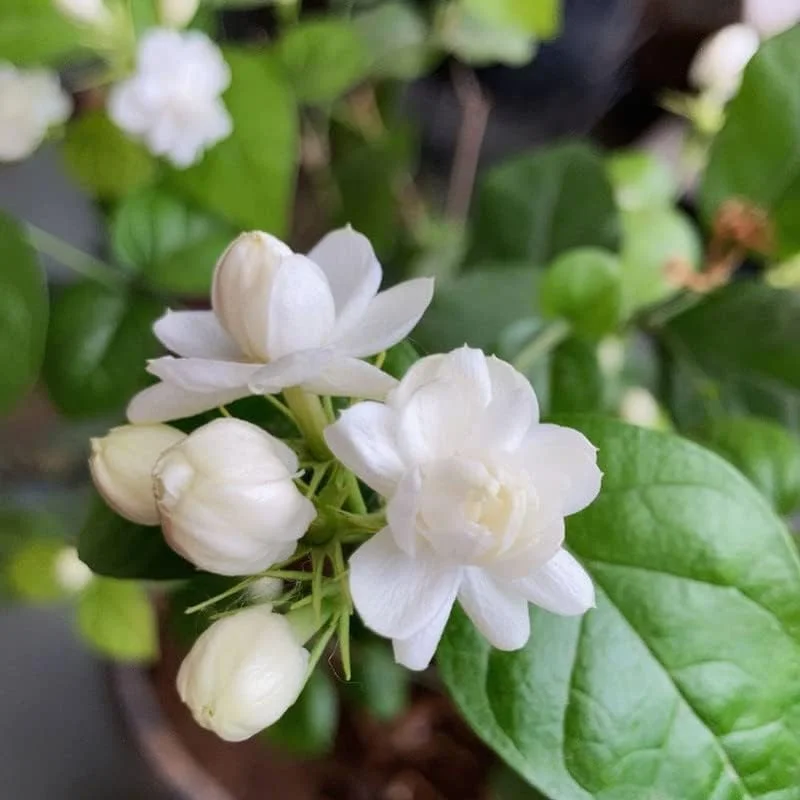
The blooms of Arabian Jasmine flowers are a sensory masterpiece. Each flower is about 1 inch in diameter, featuring waxy, white, oval-shaped petals that can appear as single or double layers depending on the variety you’ve chosen. As the flowers mature, they often take on a delicate, faded pink hue before they drop. Growing in elegant clusters of 3 to 12 at the ends of the vines, they release a powerful, intoxicating fragrance – a heavenly blend of fruity sweetness with subtle hints of vanilla.
Bloom Months
In most regions, you can expect your Arabian Jasmine to begin its flowering show in late spring and continue through early fall. However, its performance is highly dependent on your climate. In tropical zones, this plant is a true workhorse, capable of blooming multiple times throughout the entire year whenever the weather is warm and sunny.
How to Encourage More Blooms
Providing your plant with the proper growing conditions, particularly ample sunlight and steady moisture, is the first step. To really push the blooming potential, make sure to fertilize regularly throughout the growing season. By keeping the plant well-fed and well-lit, you signal it to divert its energy away from just growing leaves and into producing those fragrant, waxy clusters we all love.
Frequently Asked Questions (FAQs)
1. Can I grow Arabian Jasmine as a houseplant?
Absolutely! It makes a fantastic indoor companion. Just ensure it sits in your sunniest, south-facing window and keep it away from cold drafts or air conditioning vents. Since indoor air can be dry, placing it on a pebble tray with water or using a humidifier will help mimic the tropical moisture it loves.
2. Why are the flower buds falling off before they open?
This is a common frustration known as “bud drop.” It’s usually a sign of environmental stress—most often caused by the soil drying out too much, a sudden change in temperature, or low humidity. Try to keep your watering schedule consistent and avoid moving the plant around once it starts developing buds.
3. Is Arabian Jasmine the same as the jasmine used in tea?
Yes! Jasminum sambac is the traditional variety used to scent jasmine green tea. The flowers are picked early in the day and layered with tea leaves so the tea can absorb that iconic, sweet aroma.
4. How fast does Arabian Jasmine grow?
Under the right conditions (plenty of sun and regular feeding), it is a vigorous grower. You can expect it to put on several feet of new growth in a single warm season. This fast growth makes it perfect for quickly covering a small trellis or filling out a decorative pot.
5. Are the berries or leaves toxic to pets?
While many “true” jasmines are non-toxic, it’s always best to be cautious. Arabian Jasmine is generally considered non-toxic to dogs and cats, but ingesting any plant material can cause mild stomach upset for some animals. To be safe, keep your fragrant friend out of reach of curious nibblers.
6. My plant has plenty of leaves but no flowers. What’s wrong?
This is almost always due to a lack of light. If your jasmine isn’t getting at least 6 hours of direct sun, it will focus all its energy on foliage. Try moving it to a brighter spot and switching to a phosphorus-rich “bloom booster” fertilizer to give it the hint it needs to start flowering.
7. How long does an individual flower last?
Each individual bloom typically lasts for about 12 to 24 hours. They often open in the evening or early morning and fade by the next day. However, don’t let that discourage you—a healthy plant produces clusters of buds, so as one flower fades, another is usually ready to take its place!
Conclusion
Arabian Jasmine is truly the crown jewel of fragrant gardens. Its ability to produce those iconic, heady white blooms throughout the year makes it a rewarding choice for any gardener. By providing plenty of sunshine, regular water, and a little bit of pruning love, you can enjoy the “Queen of the Night” in your own backyard!
You may like: