
Gardening Tips
Grow Your Own Tamarillo Tree: Expert Tips for a Thriving Tree Tomato
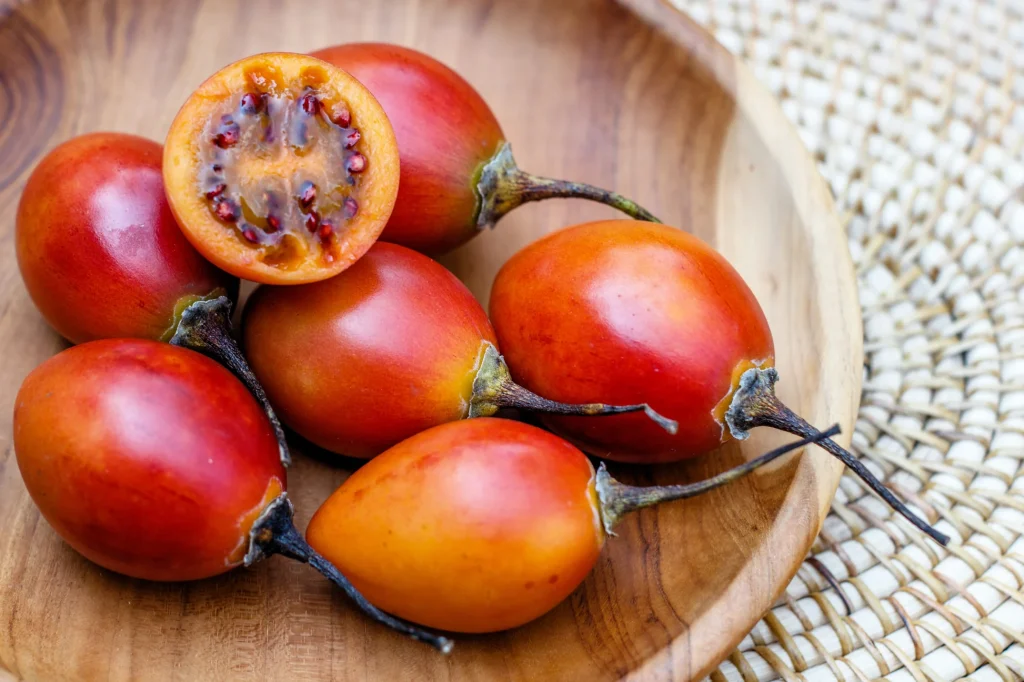
Jan
Have you ever walked through a garden center in California or Florida and spotted a plant that looks like a giant, oversized tomato vine but stands tall like a small tree? Or perhaps you have seen those deep red, egg-shaped fruits at a high-end organic market and wondered, Can I actually grow that in my backyard?
If you are looking for something more exciting than a standard beefsteak tomato, the Tamarillo, scientifically known as Solanum betaceum, is your next garden adventure. Many US gardeners struggle with the Tree Tomato because they treat it exactly like a common garden tomato. But here is the secret: it is a completely different beast. It is a perennial woody shrub that needs a bit more patience but offers a much higher reward.
In this guide, we will break down everything you need to know about growing and caring for the Tamarillo tree in the US climate, from seed to harvest.
What is a Tamarillo Tree Tomato?
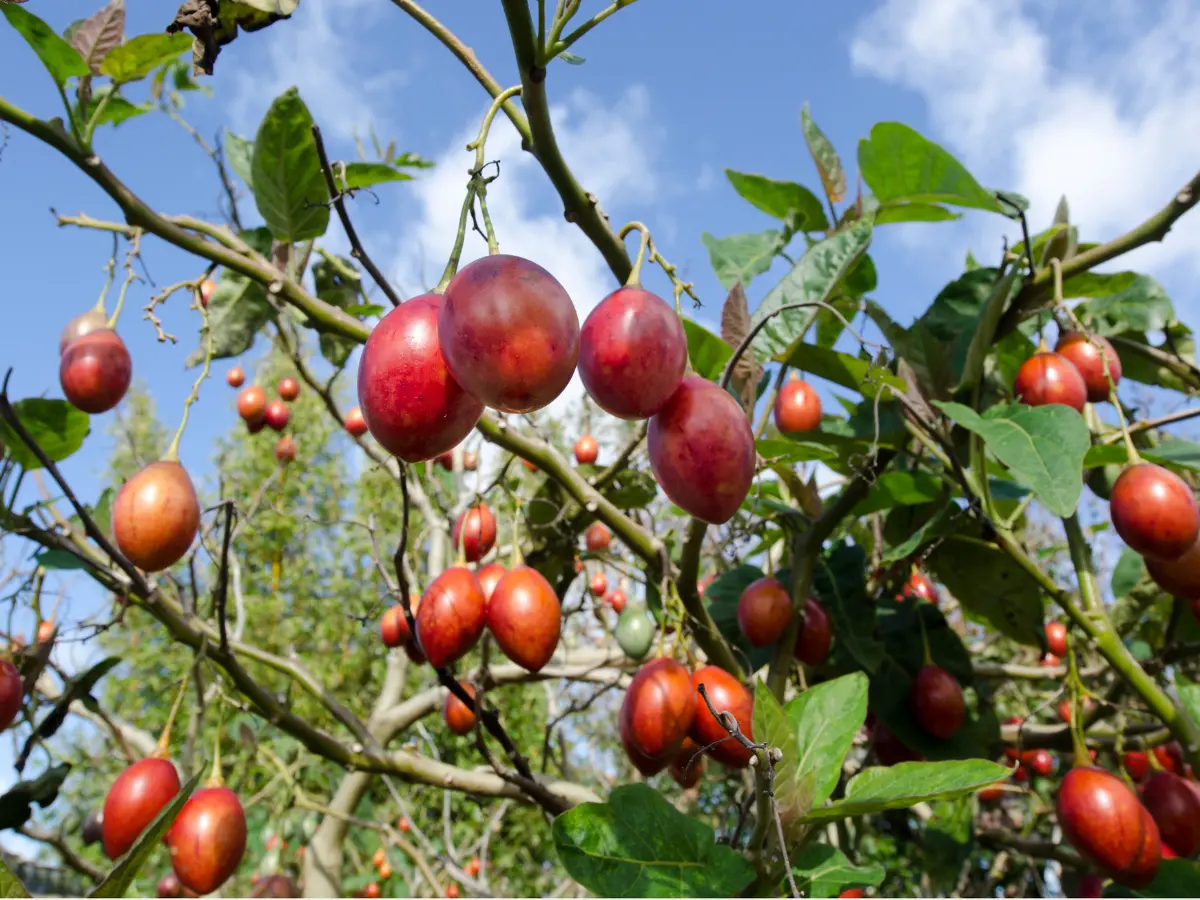
Before we get our hands dirty, let’s clear up some confusion. Despite the name, the Tree Tomato is not a standard tomato. While both belong to the Solanaceae or nightshade family, the Tamarillo is a subtropical perennial. Think of it as the sophisticated, long-lived cousin of your summer garden vegetables.
Originally from the Andes in South America, this plant has gained massive popularity in New Zealand and is now finding its way into the hearts of American permaculture enthusiasts. The fruit has a complex flavor profile: tangy, tart, and slightly sweet, often described as a mix between a passion fruit and a tomato.
Understanding Your Climate: USDA Hardiness Zones
One of the biggest mistakes I see gardeners make is ignoring their local USDA Plant Hardiness Zone. Since the Tamarillo is a subtropical entity, it loves warmth but hates extreme heat and freezing cold.
If you live in Zones 9 to 11, such as parts of Southern California, Arizona, or Florida, you can grow these outdoors year-round. They love the sun, but in places like Phoenix, you must provide some afternoon shade, or those large, lush leaves will scorch.
For those of you in cooler regions like Zone 7 or 8, do not lose hope. I have friends in Seattle who grow beautiful Tamarillos by keeping them in large pots and moving them into a greenhouse or a sunny sunroom during the winter. This is known as overwintering, and it is the key to keeping your perennial alive for years.
How to Grow Tamarillo Trees Step by Step
If you have purchased a young seedling from a nursery or successfully sprouted your own seeds, the “transplant phase” is the most critical time for your Tree Tomato. In the US, the best time to start this process is in late spring, once the danger of the last frost has completely passed.
Step 1: Hardening Off
Don’t move your seedling directly from a cozy indoor windowsill to the bright Texas sun or a windy Chicago patio. Spend 7 to 10 days “hardening off” your plant. Put it outside in a shaded, sheltered spot for a few hours a day, gradually increasing its exposure to direct sunlight and outdoor breezes. This prevents “transplant shock” and leaf burn.
Read more: Hardening Off Seedlings: The Ultimate Guide for Healthy Transplants
Step 2: Preparing the Planting Hole
Whether you are planting in the ground (Zones 9-11) or a large 20-gallon pot, the soil needs to be rich. Dig a hole twice as wide as the current root ball. Mix in a healthy amount of aged compost or well-rotted steer manure. Tamarillos are hungry plants and love the organic matter found in high-quality American potting soils.
Step 3: Planting for Stability
Remove the seedling gently from its starter pot. If the roots are circling the bottom (root-bound), gently tease them outward. Place the seedling in the hole at the same depth it was in the pot. Backfill with soil and press down firmly with your hands to remove air pockets.
Step 4: Immediate Aftercare
Water the seedling deeply immediately after planting to settle the soil. Because Tamarillo seedlings have very large, soft leaves, they act like sails in the wind. I highly recommend inserting a sturdy bamboo stake next to the main stem and tying it loosely with garden twine. This provides the support needed until the trunk turns “woody” and strong enough to stand on its own.
Step 5: Mulching for Moisture
Apply a 2-inch layer of organic mulch (like wood chips or straw) around the base of the seedling, keeping it an inch away from the actual stem. This is vital in the US climate to keep the shallow roots cool and prevent the soil from drying out too quickly during those long July afternoons.
How to Grow Tamarillo from Seed
Most people start their journey by looking for Tamarillo seeds for sale online. It is an affordable and rewarding way to start.
1. Germination Secrets
Tamarillo seeds are relatively easy to germinate, but they are not as fast as cherry tomatoes. Use a high-quality seed starting mix. I recommend a light, airy blend of peat moss or coco coir with perlite. Place the seeds about a quarter-inch deep and keep the soil consistently moist but not soggy. A heat mat can significantly speed up the process, especially if you are starting in early spring.
2. The Potting Phase
Once your seedlings have two or three sets of true leaves, it is time to move them. If you are in a colder climate, go straight for a 15-gallon container. This allows the shallow root system enough room to expand while keeping the plant manageable. Use a well-draining organic potting soil. Avoid heavy garden clay, as it will lead to root rot, the number one killer of young Tree Tomatoes.
You may like: How to Grow Tomatoes from Seeds: The Ultimate Beginner’s Guide
Can I Grow a Tamarillo Tree in Pots?
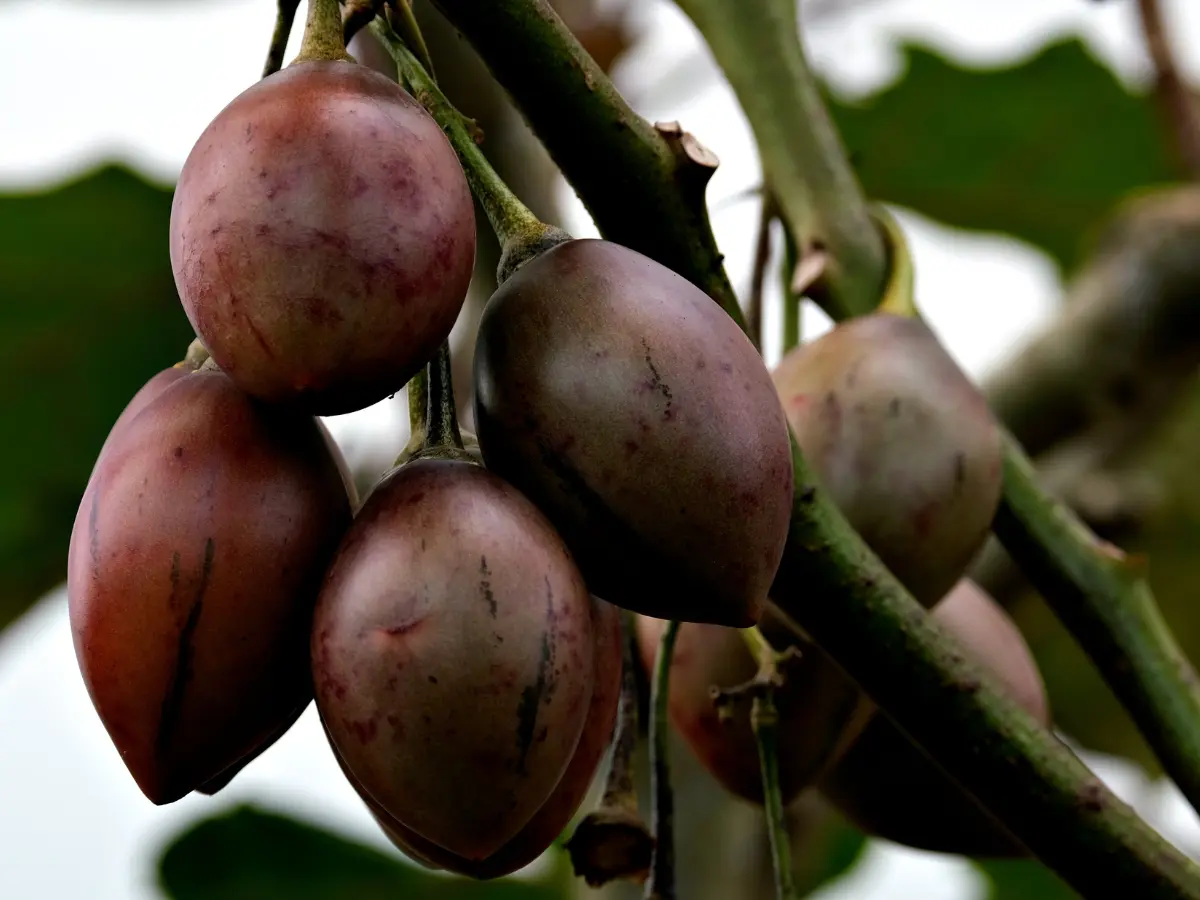
Many people ask if this “tree” can survive in a container, and the answer is a resounding yes! In fact, for gardeners outside of Southern California or Florida, growing Tamarillo trees in pots is actually the smartest way to go. Because the Tamarillo tree has a relatively shallow and fibrous root system, it doesn’t require deep soil to thrive.
Choosing the Right Container
To get fruit, you shouldn’t go small. Start your seedling in a 5-gallon bucket, but plan to move it to a 15 to 20-gallon pot (like a large half-wine barrel or a heavy-duty plastic nursery pot) as it matures. Using a pot with sturdy handles is a great tip, as you’ll likely need to move it to a sheltered spot when the winter wind picks up.
Soil and Drainage Needs
The most important factor for pot-grown Tree Tomatoes is drainage. These plants hate “wet feet.” Use a premium organic potting mix amended with extra perlite or pumice to ensure water flows through freely. Since pots dry out faster than the ground, you may need to water your potted Tamarillo daily during a typical US heatwave.
Stability and Support
Because the Tamarillo grows large, heavy leaves and clusters of fruit, potted trees can become “top-heavy.” A strong summer gust in the Great Plains or a coastal breeze can easily tip them over. I recommend using a heavy ceramic pot or placing a few bricks at the bottom of a plastic one to lower the center of gravity. You can also use a sturdy stake to support the main trunk and keep your tree upright and healthy.
Essential Care Tips for a Productive Tree
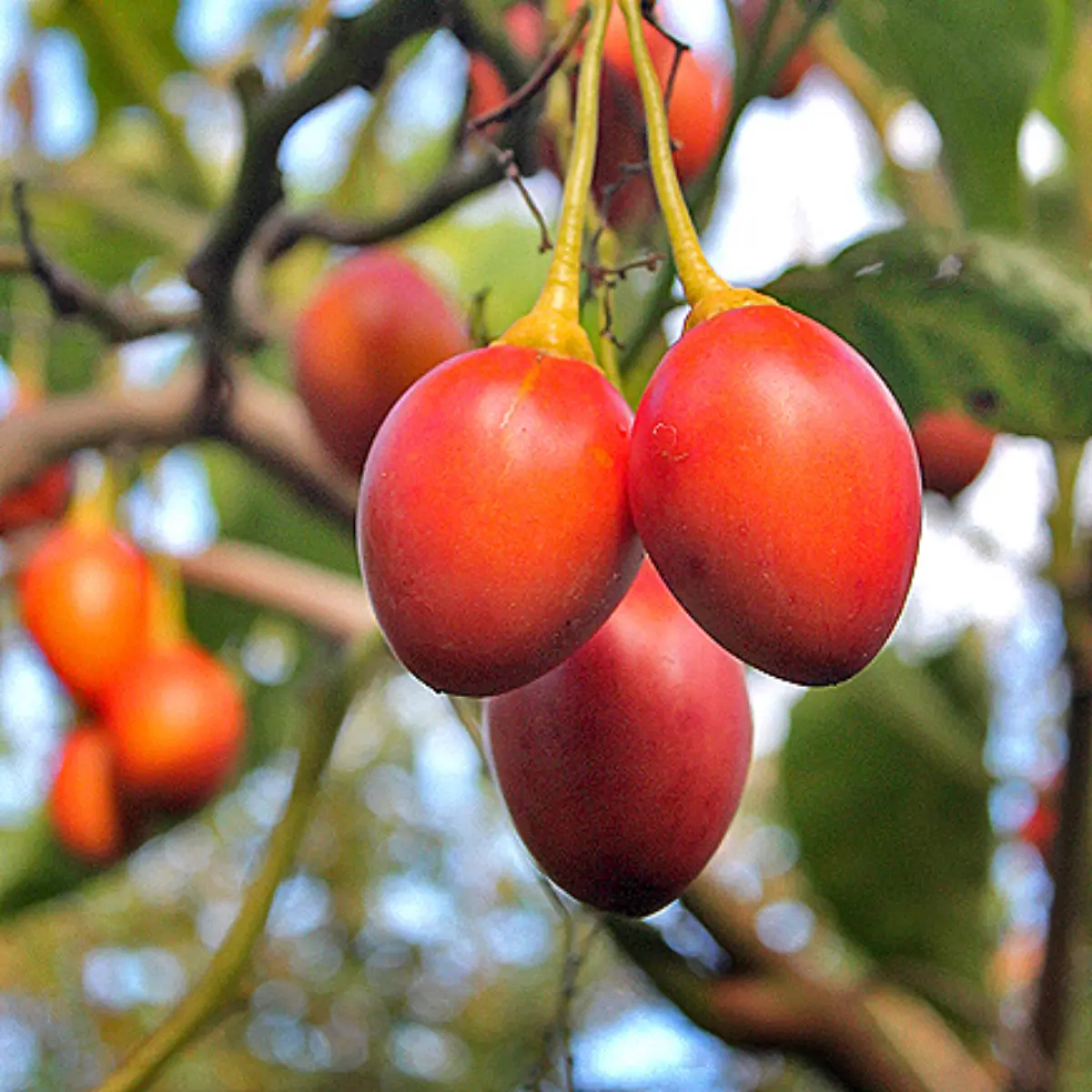
Growing Tamarillo trees is one thing; getting it to produce a heavy crop of fruit is another. Here is how you manage the daily needs of your plant.
Watering Without Drowning
The leaves of a Tamarillo are huge. On a hot day in Texas or Georgia, they can transpire water faster than the roots can drink, leading to dramatic wilting. This can be scary for a new grower, but usually, a deep soak in the evening brings them right back. However, do not leave the roots sitting in a puddle. Mulching with organic straw or wood chips is a lifutter in the US summer, as it keeps the root zone cool and moist.
Fertilizing
Because these plants grow fast, sometimes reaching six feet in a single year, they are heavy feeders. Use a balanced organic fertilizer. Look for something with a slightly higher potassium content once the plant reaches maturity to encourage flowering. I personally use a fish emulsion or seaweed extract every two weeks during the peak growing season.
Pruning for Success
If you let a Tamarillo grow wild, it can become tall and spindly, making the fruit hard to reach. When your tree hits about three or four feet, pinch off the top. This forces the plant to branch out, creating a bushier, stronger structure that can support the weight of the fruit. Remember, fruit only grows on new wood, so yearly pruning is essential for a high yield.
Frost Protection
Since the Tamarillo is a subtropical entity, frost is its greatest enemy. If you are gardening in an area where temperatures dip below 32°F, you need a game plan. For light frosts, a frost blanket or burlap wrap can protect the delicate branches. However, if a hard freeze is predicted, even in places like Northern Florida or coastal South Carolina, you should heap extra mulch at the base to protect the root crown.
For those in the Midwest or Northeast, the best “protection” is mobility. Growing your Tree Tomato in a large pot allows you to dolly it into a garage or basement when the first frost hits. If the top of the plant does get nipped by a light freeze, don’t panic! Tamarillos are resilient and will often sprout new growth from the base once the spring warmth returns to the soil.
Managing Pests and Diseases
The most common issues you will face are aphids and whiteflies. These tiny pests love the underside of those big, juicy leaves. Keep a bottle of organic neem oil or insecticidal soap handy.
Another thing to watch for is powdery mildew, especially in humid areas like the Southeast. Ensure there is plenty of airflow around your tree. If you are growing indoors or in a greenhouse, a small oscillating fan can make a world of difference in preventing fungal outbreaks.
Harvesting Tamarillo Tree Tomato
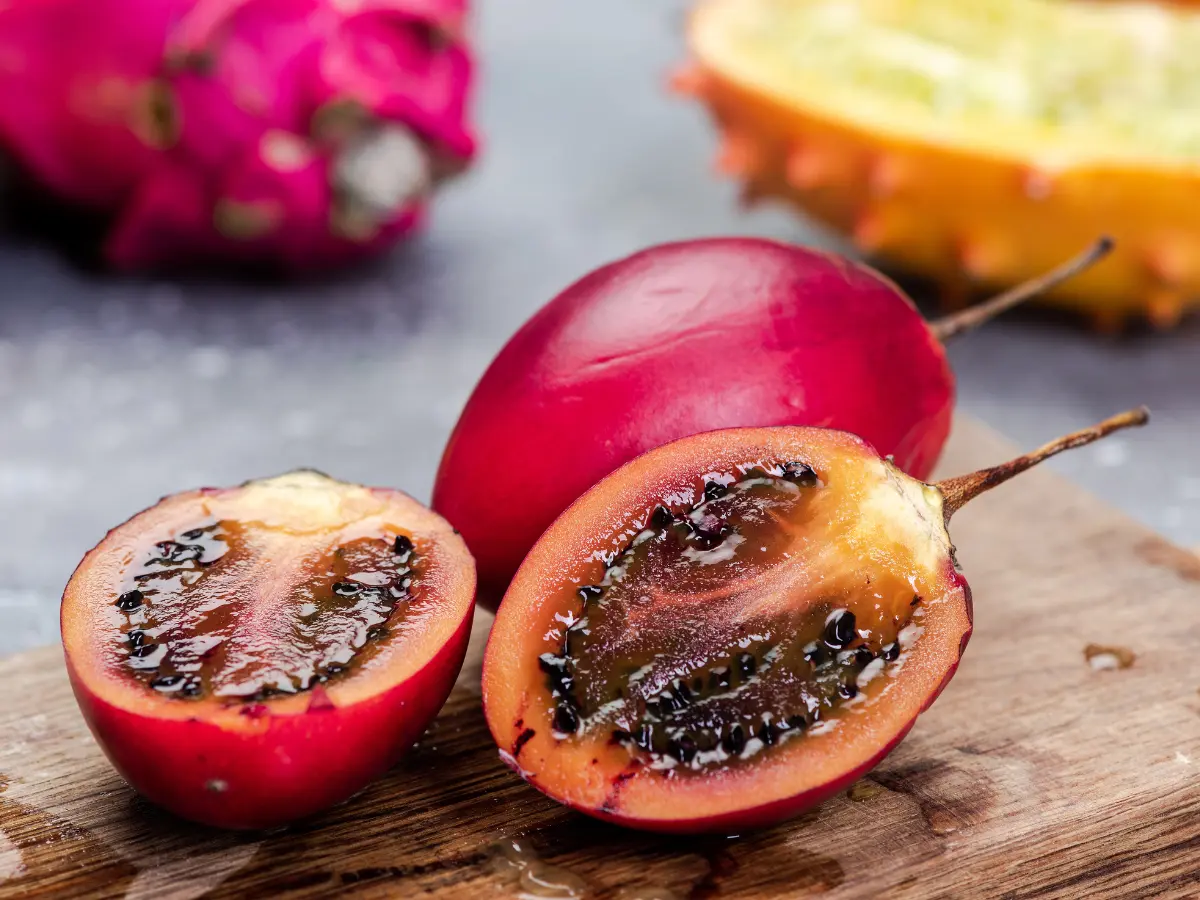
It usually takes about 18 to 24 months for a tree grown from seed to produce its first crop. You will know the fruit is ready when it changes from a hard green to a vibrant red or golden yellow, depending on the variety. The fruit should give slightly when pressed, similar to a ripe peach.
Pro Tip: Do not eat the skin; it’s bitter. Scoop out the pulp and add it to a spicy salsa or enjoy it fresh with a sprinkle of sugar.
Frequently Asked Questions
-
Can I grow Tamarillo indoors year-round?
While you can start them indoors, they eventually need significant light and space. A very bright sunroom or a conservatory is best. Without enough light, the plant will become leggy and will not produce fruit.
-
Do I need two trees for pollination?
No, Tamarillo trees are self-fertile, meaning one tree is enough to get fruit. However, having more than one tree can often lead to a larger harvest thanks to increased bee activity.
-
How long does the tree live?
In the right conditions, a Tree Tomato can live and produce for 7 to 12 years. It is a long-term investment for your garden.
-
Is the fruit safe for pets?
Like other members of the nightshade family, the leaves and unripe fruit contain solanine, which is toxic if ingested in large quantities by dogs or cats. It is best to keep the plant in a fenced area if you have curious pets.
Final Thoughts
Growing Tamarillo trees is one of the most rewarding projects for any US gardener looking to branch out from the ordinary. It bridges the gap between a vegetable garden and an orchard, providing beautiful foliage and delicious, exotic fruit for years to come.
If you are ready to start your own subtropical oasis, your first step is getting high-quality seeds.
Would you like to learn more about the specific differences between the Red and Gold Tamarillo varieties before you buy?
Related Posts:
- 7 Must-Sow Vegetable Seeds For February To Ensure A Bountiful Summer Harvest
- What to Sow in February: A Complete Guide for Every Climate
References
- USDA Plant Hardiness Zone Map: Agricultural Research Service, U.S. Department of Agriculture.
- Nutraceutical properties of tamarillo fruits: A vibrational study