
Gardening Tips, Seed Tips
How to Grow Obedient Plants from Seeds: A Beginner’s Guide
Aug
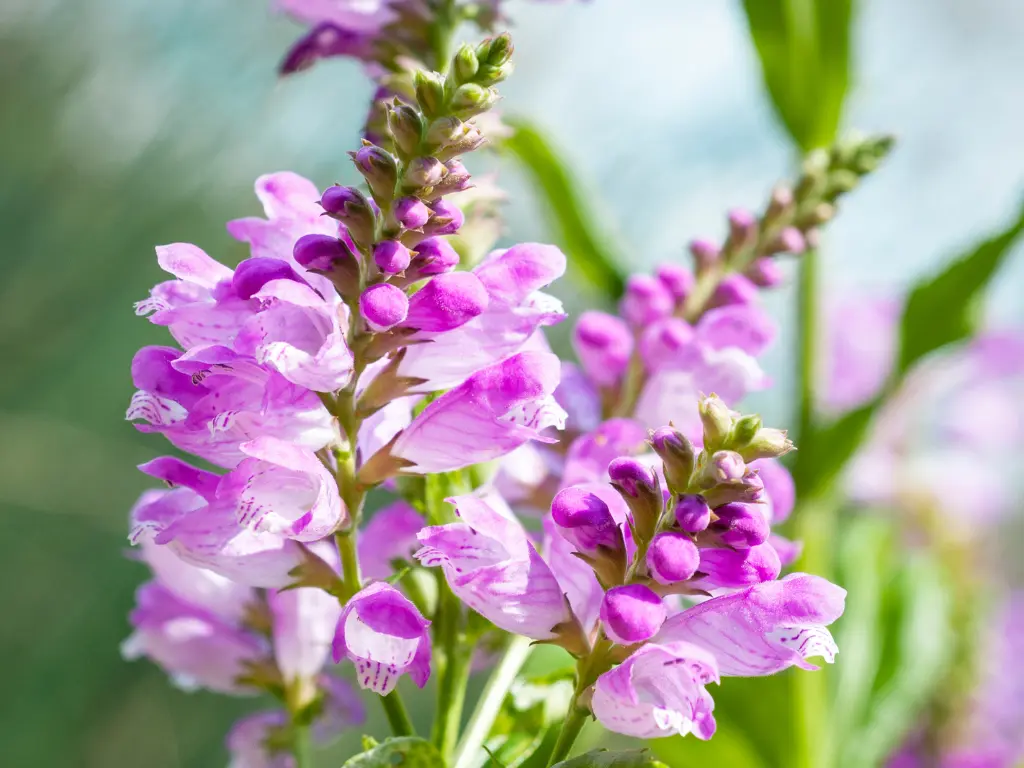
If you’ve never met an Obedient Plant before, you’re in for a treat. Imagine a tall, graceful spike covered in tubular flowers that bees and hummingbirds can’t resist… and then imagine being able to gently nudge one of those blooms to the side and have it stay exactly where you put it. That’s right! These blooms are “obedient,” holding their pose like a good garden model.
Native to North America, Physostegia virginiana isn’t just a conversation piece. It’s a sturdy, long-lived perennial that blooms from late summer well into fall, just when many other plants are starting to fade. They bring height, texture, and a steady parade of pollinators to any sunny border. Best of all? Once you’ve got them established, they’re happy to return year after year with very little fuss.
Why Grow Obedient Plants?
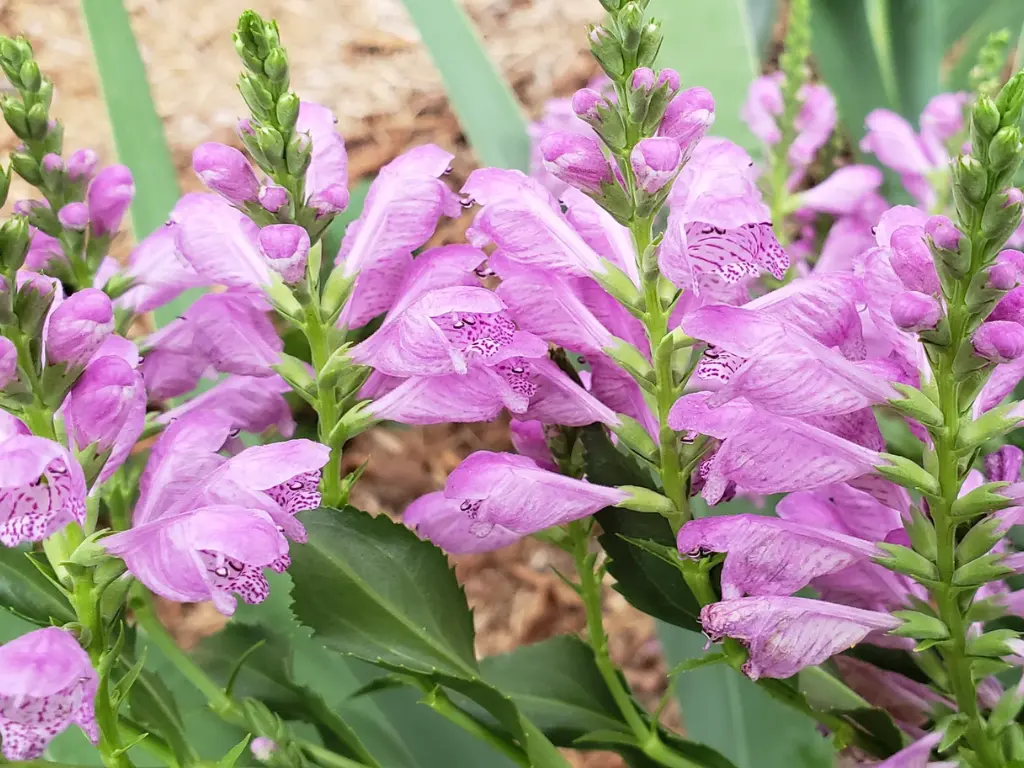
Think of them as the dependable friend in your garden, always showing up, always looking good, and never needing constant attention. Obedient Plants add a natural elegance whether you grow them in a wildflower meadow, along a white picket fence, or in a neat, modern border.
-
Color Choices: From soft blush pinks to pristine whites and vibrant purples.
-
Perfect Timing: They bloom just when many summer flowers are winding down.
-
Pollinator Heaven: Bees, butterflies, and hummingbirds line up for their nectar.
-
Adaptable: Happy in clay, sandy, or loamy soils, as long as they get enough moisture.
Gardeners often plant them alongside coneflowers, rudbeckia, or ornamental grasses for a layered look that lasts right into autumn.
Step 1: Choosing the Right Seeds
Like all good garden stories, this one starts with seeds. Look for fresh packets from a reputable source. Varieties worth noting:
-
‘Pink Manners’ – A tidy grower with blush-pink blooms. Great for smaller spaces.
-
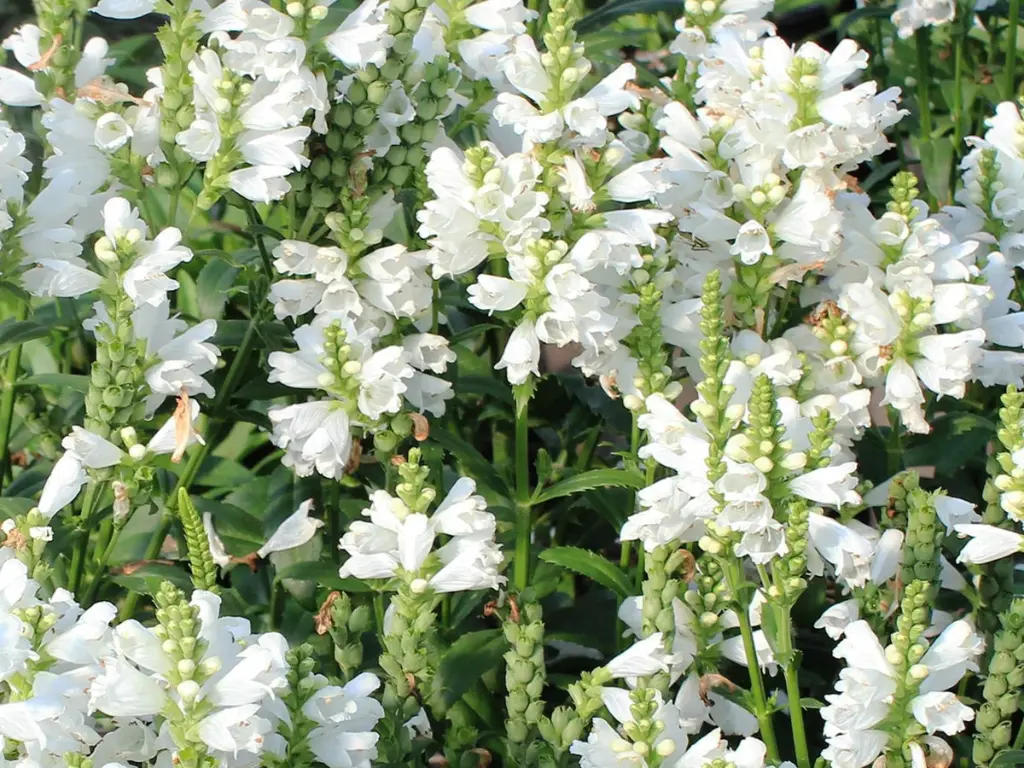
‘Miss Manners’ – Pure white flowers, upright habit, and well-behaved roots that won’t take over.
-
‘Summer Snow’ – Tall, with bold white spikes that really stand out at dusk.
If you have a large naturalized area, you can go for the traditional wild type, which spreads more freely. In smaller gardens, stick to clump-forming cultivars to keep things under control.
Step 2: Preparing the Soil
Obedient Plants love a good meal and a steady drink, so aim for fertile, moist, well-drained soil.
Here’s a gardener’s checklist:
-
Pick a sunny spot: Six or more hours of sun make for strong stems and heavy flowering. In hot climates, a little afternoon shade can keep blooms fresher.
-
Loosen the soil: Dig down 8–10 inches to break up compacted layers. Remove weeds and stones.
-
Feed the soil: Work in a generous layer of compost or well-aged manure.
-
Check the moisture: These plants like even moisture. If your soil dries out quickly, mix in organic matter like leaf mold or peat moss to hold water longer.
For heavy clay, don’t fight it too much — Obedient Plants will often tolerate it, especially if you’ve improved drainage with compost and a raised planting area.
Step 3: Sowing the Seeds
You can start indoors or sow directly outdoors, depending on your climate and schedule.
Starting Indoors (best for earlier blooms):
-
Begin 6–8 weeks before your last frost date.
-
Fill trays or pots with a seed-starting mix.
-
Press seeds into the surface — they need light to germinate.
-
Keep soil moist, never soggy, and aim for 65–70°F.
-
Germination can take 2–4 weeks, so don’t lose patience.
Direct Sowing (for an easy approach):
-
Wait until all danger of frost has passed.
-
Prepare your bed, scatter seeds, and gently press them into the soil.
-
Water lightly and consistently until you see green shoots.
Tip from experienced growers: For better germination, pop your seeds in the fridge for about a month before sowing. This “cold stratification” mimics winter and wakes up stubborn seeds.
You may like:
- 10 Tips for Growing Beautiful Cut Flowers from Seed at Home
- Planting Wildflower Seeds in Spring for a Vibrant Garden This Summer
- 7 Common Perennial Seeds You Should Sow in August for More Blooms Through Late Summer
Step 4: Caring for Seedlings
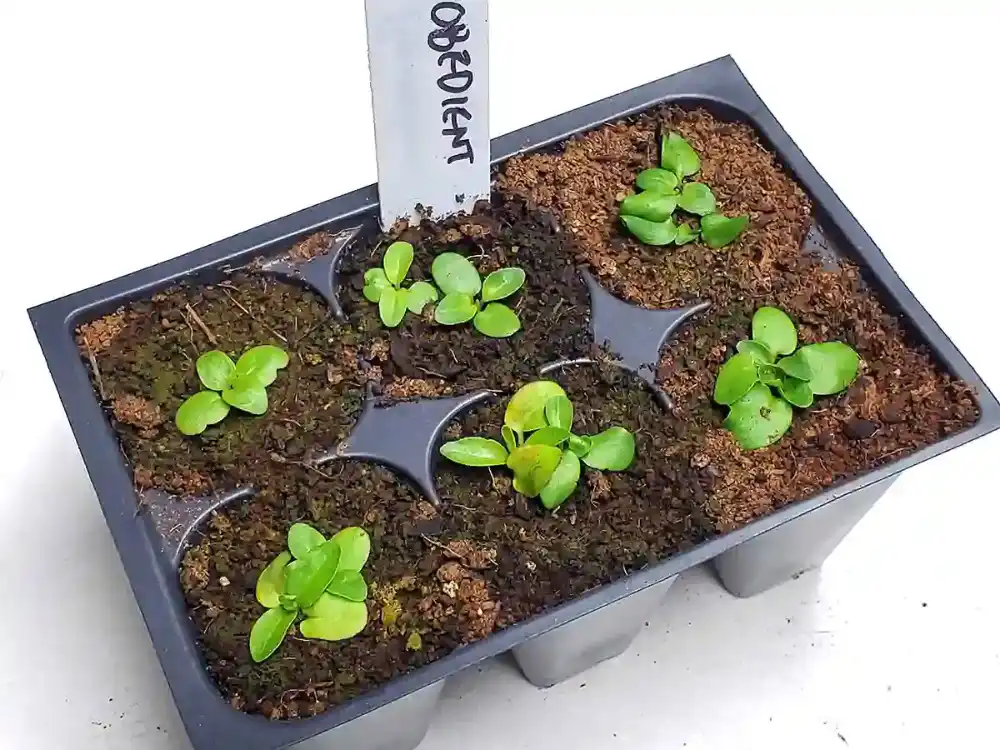
Once the green tips appear, it’s time to keep them moving along:
-
Light: Indoors, give them 12–14 hours under a grow light if possible.
-
Water: Keep the soil evenly moist; let it dry just slightly between waterings.
-
Airflow: A gentle fan helps strengthen stems and reduces fungal problems.
-
Thinning: When seedlings get crowded, snip weaker ones at the soil line rather than pulling them — this avoids root disturbance.
They may start small, but Obedient Plant seedlings are surprisingly resilient. Treat them kindly at this stage, and they’ll reward you later.
Step 5: Transplanting Outdoors
When seedlings have at least two sets of true leaves and the weather has settled, it’s time to move them out.
Hardening Off:
Take 5–7 days to get them used to outdoor life. Start with a couple of hours in a sheltered spot, then gradually extend the time and exposure.
Read more:
- Hardening Off Seedlings: The Ultimate Guide for Healthy Transplants
- 7 Seed Sowing Tips for Beginners
Planting Day:
-
Space plants 12–18 inches apart for clump-forming types, a little wider for spreading varieties.
-
Set them at the same depth they were in pots.
-
Water deeply right after planting to help roots settle in.
A thin mulch right after planting will help lock in moisture and keep weeds from stealing resources.
Step 6: Ongoing Care and Maintenance
Watering
During the first season, consistent moisture is the key. Deep watering once or twice a week is better than frequent, shallow sprinkles. Once established, Obedient Plants tolerate short dry spells, but flowering is always better with regular watering.
Mulching
A 2–3 inch layer of mulch keeps soil cooler, conserves water, and prevents weeds. In fall, mulch also helps protect roots from temperature swings.
Fertilizing
In spring, feed with a balanced, slow-release fertilizer. If you’re after lots of blooms, avoid overdoing nitrogen — too much will give you lush leaves at the expense of flowers.
Pest & Disease Prevention
Obedient Plants rarely have pest problems, though powdery mildew can show up in humid conditions. Good spacing, airflow, and watering at the base rather than overhead are your best defenses.
Step 7: Enjoying the Blooms
Come late summer, tall flower spikes begin to open from the bottom up. This means weeks of bloom time, especially if you snip off faded flowers to encourage more.
Cut a few stems for the house — they last well in a vase, and arranging them is oddly satisfying because you can “pose” each flower just where you want it. Out in the garden, leave some blooms to set seed if you’d like a few volunteer seedlings next year.
Every few years, divide the clumps in early spring or fall to keep plants vigorous and prevent overcrowding.
Frequently Asked Questions (FAQs)
Will they take over my yard?
Some types will spread, especially in rich soil. If you want a contained patch, choose named cultivars like ‘Miss Manners’ and divide them regularly.
Do they really need full sun?
They bloom best in full sun, but will still grow (with fewer flowers) in light shade.
Can they grow in pots?
Yes, as long as you choose a deep container and water regularly. Tall spikes in a pot can be a real showstopper on a patio.
When does Obedient Plant bloom?
Most varieties start flowering in late summer and continue well into fall. The blooms open from the bottom of the spike upward, so you can enjoy them for several weeks.
Why is it called “Obedient Plant”?
The name comes from its unusual flower stems; if you gently push a blossom to one side, it will stay in that position for quite a while, as if “obeying” your arrangement.
Final Thoughts
Growing Obedient Plants from seeds is like inviting a reliable friend into your garden – one who’s also beautiful, a bit quirky, and attracts a crowd wherever they go. They’re easy to start, rewarding to watch grow, and add a late-season pop of color just when you need it most.
So find a sunny patch, tuck in those seeds, and start the countdown to your first bloom. Once you see those spires of color swaying in the breeze and staying politely in place when you give them a little nudge, you’ll wonder how your garden ever did without them.