
Gardening Tips
Frostproof Jasmine Care: 7 Tips for Successful Pot Growth
Mar
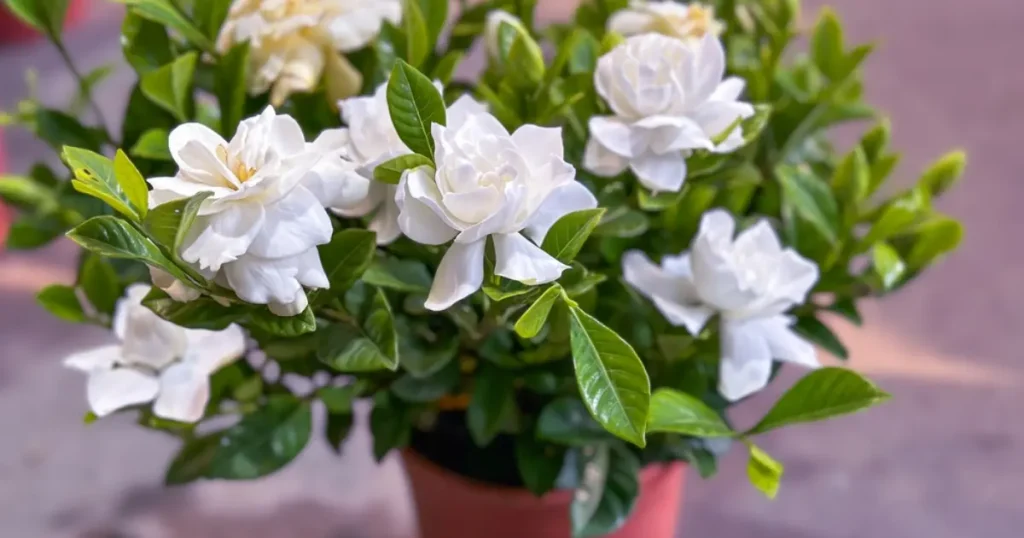
Most gardenias are known for being “divas.” They want perfect humidity, perfect soil, and they hate being moved. However, the Frostproof jasmine variety was bred to be a bit more resilient. It has thinner, more leathery leaves that handle sunlight and temperature swings much better than the tropical types.
Read more: Top 7 Best Smelling Jasmine Varieties for a Heavenly Garden
The beauty of container gardening with this evergreen shrub is flexibility. If a freak frost hits your area, you can just wheel the pot into the garage. If the summer sun becomes too intense in July, you can slide it into the shade. It’s the perfect plant for a beginner who wants that high-end, fragrant garden feel without the high-end stress.
Many gardeners struggle with keeping Gardenia jasminoides ‘Frostproof’ happy in containers. While this specific variety is famous for being “tougher” than its cousins, growing it in a pot is a completely different game than planting it in the ground.
As someone who has spent years testing different potting mixes and fighting off spider mites on my own Texas porch, I am here to tell you that you can definitely grow a lush, blooming Frostproof Jasmine in pots.
1. Start with the Right Pot (Size and Material Matter)
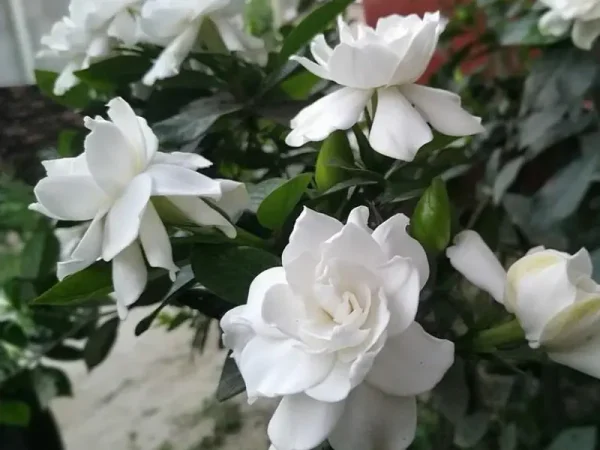
I once made the mistake of putting a young jasmine in a massive pot, thinking it would “grow into it.” Instead, the excess soil stayed soaking wet for too long, and the roots started to rot.
When choosing a pot, aim for one that is only 2 to 3 inches wider than the current root ball. Drainage is your absolute priority. If your pot doesn’t have at least two or three large drainage holes at the bottom, your jasmine won’t last the season.
For materials, terracotta is great because it “breathes,” but it also dries out very fast in the heat. If you live in a dry climate, a thick plastic or glazed ceramic pot might be a better choice to help maintain consistent moisture levels.
2. The Secret is in the Acidic Soil Mix
Frostproof Jasmine is an “acid-loving” plant. This is the part where most people fail. If you use cheap, generic potting soil from a big-box store, the pH level might be too high (alkaline). When the soil isn’t acidic enough, the plant cannot “eat” the iron in the dirt, leading to those annoying yellow leaves with green veins, a condition called chlorosis.
To set your plant up for success, look for a potting mix specifically labeled for Azaleas, Camellias, or Gardenias. Alternatively, you can make your own “potting gold” by mixing:
-
2 parts peat moss (for acidity)
-
1 part perlite (for drainage)
-
1 part composted pine bark
This creates a light, airy environment where the roots can breathe and stay slightly acidic.
3. Finding the “Sweet Spot” for Sunlight
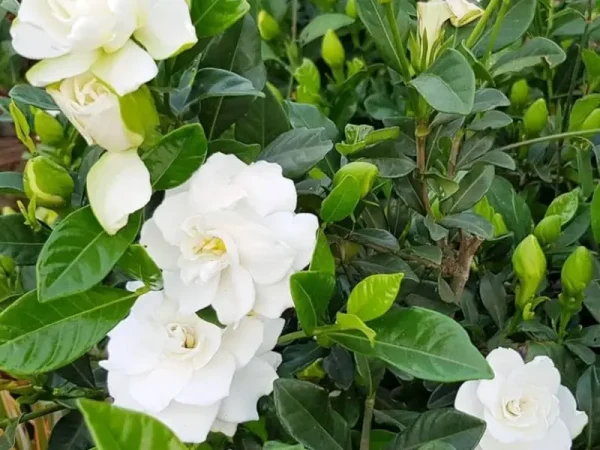
In the US, especially in the South, the afternoon sun can be brutal. While Frostproof Jasmine loves the sun, a pot can overheat quickly.
The ideal location is somewhere that gets 6 to 8 hours of direct morning sunlight but is protected from the scorching 2 PM to 5 PM heat. A spot on the east side of your house or under a light pergola is usually perfect. If you notice the leaves looking “bleached” or scorched, it’s a sign your plant is getting too much direct afternoon sun.
4. Watering: The Consistency Challenge
This is where my friend Sarah almost lost her plant last summer. She would forget to water it for three days, then “drown” it to make up for it. This roller coaster of moisture causes the flower buds to fall off before they open.
In a pot, the soil dries out much faster than in the ground. During the summer, you might need to water every single morning. The rule of thumb: Stick your finger an inch into the soil. If it feels dry, water it. If it feels damp, wait. Always water the soil directly, not the leaves, to prevent fungal diseases like powdery mildew.
5. Feeding for Fragrance and Growth
Since your plant is in a container, every time you water, a little bit of the nutrients wash out of the bottom. You have to replace them.
Use a slow-release fertilizer designed for acid-loving plants. I usually feed mine once in early spring and once again in mid-summer. Don’t overdo it, too much nitrogen will give you plenty of green leaves but zero flowers. If you want those white, starry blooms and that incredible scent, stick to the recommended dosage on the bag.
6. Dealing with Common Pests
Even the best gardeners deal with bugs. In the US, the most common enemies of the Frostproof Jasmine are whiteflies and spider mites.
If you see tiny white “dust” flying off when you shake the plant, or fine webs between the leaves, you have visitors. I recommend keeping a bottle of Neem oil or insecticidal soap handy. A quick spray every two weeks during the growing season usually keeps the “bad guys” away without harming the beneficial insects in your garden.
7. Winter Care for Your Potted Jasmine
The name says “Frostproof,” but remember that a plant in a pot is more vulnerable than one in the ground. The roots are only protected by a thin layer of pot material.
If the weather forecast shows temperatures dropping significantly below 20 degrees Fahrenheit, it is time to act. Move the pot against the wall of your house to catch some radiant heat, or wrap the pot in burlap or a frost blanket. If you bring it indoors, keep it away from heating vents, as the dry air will cause the plant to stress out and drop its leaves.
Read more: How to Grow Frostproof Jasmine: A Complete Care Guide for Cold Climates
Frequently Asked Questions (FAQs)
Why are my Frostproof Jasmine leaves turning yellow?
This is usually a sign of either overwatering or a lack of acidity in the soil. Check the moisture first. If the soil is fine, try adding a small amount of liquid iron or an acidifying fertilizer to help the plant recover its green color.
When should I prune my jasmine in a pot?
The best time is right after the main blooming season has finished, usually in early summer. This gives the plant time to grow new wood for next year’s flowers. Avoid pruning in late fall, as you might cut off the developing buds.
How long do the blooms last?
Individual flowers usually last a few days, but a healthy, well-fed plant will produce a flush of blooms that can last for several weeks throughout the late spring and early summer.
Is it normal for buds to fall off before opening?
This is often caused by sudden changes—either a sharp drop in temperature, inconsistent watering, or moving the pot to a completely different light environment while it’s budding.
Final Thoughts
Growing Frostproof Jasmine in pots doesn’t have to be a mystery. By focusing on acidic soil, consistent watering, and the right amount of morning sun, you can enjoy one of the most fragrant plants on the planet right on your doorstep.
If you are just starting your gardening journey, why not check out our guide on the best containers for outdoor plants or our tips on choosing the right organic fertilizers?
What is your biggest challenge with Jasmine so far? Leave a comment below, and let’s troubleshoot your garden together.