
Gardening Tips
Master the Heat: 8 Expert Tips for Growing Jalapeños Like a Pro
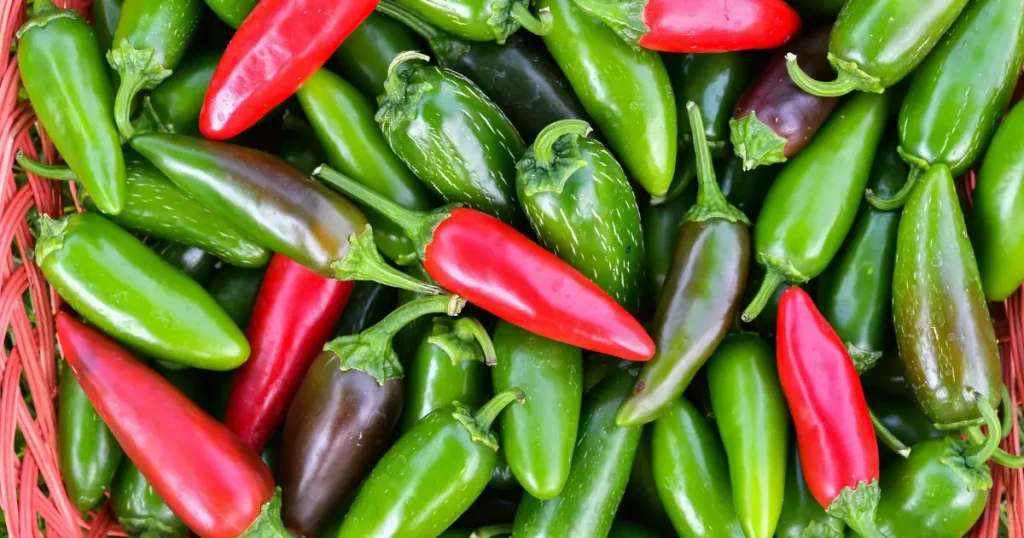
Mar
Are you staring at your garden space, wondering why your pepper plants look more like sad twigs than the lush, spicy producers you see on Instagram? Maybe you’ve tried growing them before, only to end up with tiny, flavorless peppers, or worse, no peppers at all. You’re likely asking yourself: Is my soil wrong? Am I watering too much? Why aren’t they turning red?
I get it. When I started my first vegetable patch in my backyard, I treated my Jalapeño peppers like delicate flowers. Big mistake. It turns out, these fiery little gems actually enjoy a bit of tough love and very specific conditions. Whether you are an urban gardener with a few 5-gallon buckets on a balcony or you have a sprawling raised bed, getting a massive harvest of crunchy, spicy Jalapeño peppers is completely doable.
Let’s dive into the real-world secrets of growing Jalapenos (Capsicum annuum) that will make you the star of your next Sunday salsa night.
1. Sunlight is Non-Negotiable
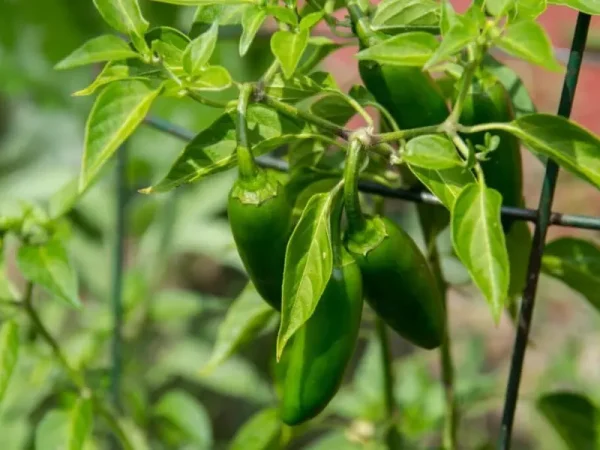
If there is one thing you cannot compromise on, it is light. Jalapeños are sun-worshippers. To get those sturdy stems and a high yield, your plants need full sun, which means at least 6 to 8 hours of direct sunlight every day.
In many parts of the US, especially in the South, the afternoon sun can be brutal. However, unless you’re in a literal desert, don’t hide them in the shade. If you are growing indoors or in a cooler USDA Hardiness Zone, you might even need to supplement with grow lights to keep the temperature above 70°F. Without enough light, the plant puts all its energy into reaching for the sun (becoming “leggy”) instead of producing fruit.
2. The Soil Secret: Drainage Over Everything
One of the biggest mistakes I see beginners make is using heavy, cheap garden soil that packs down like wet clay. Jalapeño roots hate sitting in “wet feet.” They need well-drained soil that is rich in organic matter.
I recommend a mix that includes compost and perlite. If you’re planting in the ground, test your soil pH if you can; they love a slightly acidic environment (around 6.0 to 6.8). A quick pro-tip: if you’re using 5-gallon buckets, make sure you drill plenty of drainage holes in the bottom. A layer of mulch on top will help regulate the moisture so the soil doesn’t bake into a brick during a July heatwave.
Adding a 2-inch layer of organic mulch like clean straw, dried grass clippings, or shredded bark is one of the best things you can do for your pepper patch. Mulch acts like a cozy blanket: it keeps the soil moisture from evaporating in the heat and prevents weeds from stealing your plant’s nutrients. Plus, it keeps the soil from splashing onto the leaves, which is a major way plants get sick with soil-borne diseases.
3. Timing is Everything
-
When to Plant
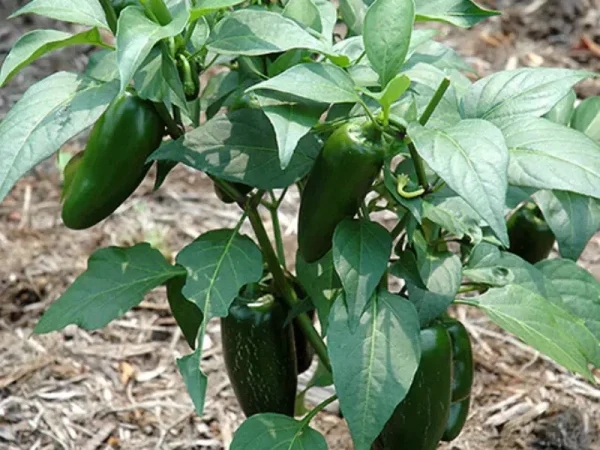
Jalapeño peppers are true tropical sun-lovers at heart, and they are incredibly sensitive to the cold. To give them the best start, you really need to wait until the soil has warmed up and the danger of frost has completely passed.
Ideally, nighttime temperatures should consistently stay above 15°C before you move your babies outside. Planting too early in chilly, damp soil can stunt their growth or lead to “damping off” (a nasty fungal issue). Remember, a little patience in the spring leads to a massive harvest in the summer!
-
When to Move Outdoors
If you start your Jalapeño pepper seeds indoors, wait until the nighttime temperatures are consistently above 60°F before moving them to their permanent home.
Before you transplant them, you must “harden them off.” This just means taking them outside for an hour the first day, two hours the next, and gradually increasing their exposure to the wind and sun. I once lost a whole tray of seedlings because I moved them straight from my cozy kitchen to a breezy backyard in one day. Don’t be like me.
You may like:
- Starting Flower Seeds Indoors: How and When to Start Seeds
- Get a Head Start on Spring Gardening: The Best Seeds to Start Indoors Now
- How to Grow Potato Onions From True Seeds: A Step-by-Step Guide
4. Feed Them, But Don’t Overdo the Nitrogen
Jalapeño peppers are what gardeners call “moderate feeders.” They need a balanced diet to stay vibrant and productive.
-
Early Stages: Use a balanced fertilizer (like a 10-10-10) to help the plant grow strong stems and lush leaves.
-
Flowering Stage: Once you see those little white blossoms, switch to a fertilizer higher in phosphorus and potassium. This tells the plant: “Stop making leaves and start making peppers!”
If you keep giving them too much nitrogen late in the season, you’ll have the most beautiful, green leafy bush in the neighborhood, but zero peppers. The plant thinks its job is to grow leaves, not offspring.
5. Watering Wisely
Instead of giving your plants a little sprinkle every day, try the deep soak method. Water them deeply at the base of the plant until it runs out the bottom of the pot or the ground is thoroughly wet. Then, wait until the top inch of soil feels dry before watering again.
This encourages the roots to grow deep into the ground to find moisture, making the plant much more resilient.
Also, try to keep the water off the leaves to avoid attracting aphids or developing fungal issues. If you notice the bottom of your peppers turning black and mushy, that’s blossom end rot, usually caused by inconsistent watering that affects calcium uptake.
The Secret “Heat” Trick: Did you know you can actually control how spicy your peppers are? If you want a real kick, try slightly “stressing” the plant. Once the peppers have reached their full size, cut back on watering just a little bit. This stress encourages the plant to produce more capsaicin, the compound that gives peppers their fire!
6. Companion Planting for Natural Protection
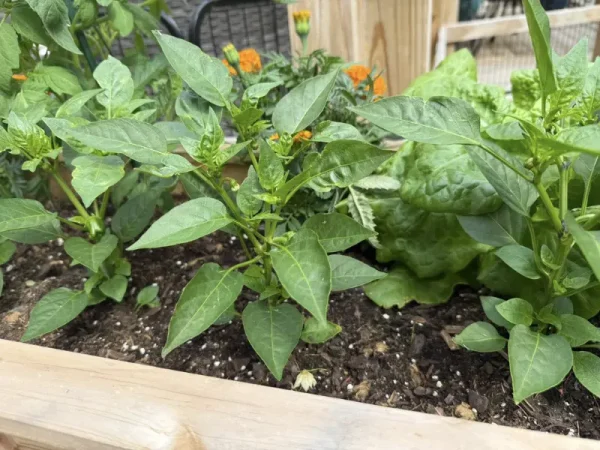
Did you know that peppers have best friends? Planting basil or tomatoes nearby can actually help. Basil is said to improve the flavor of peppers and may even help repel certain pests. On the flip side, keep them away from fennel.
For the organic gardeners out there, keeping a few marigolds nearby is a classic trick to deter aphids and pepper pests. It’s much easier to prevent a bug problem with flowers than it is to fight an infestation with sprays later on.
7. Pruning and Support for Heavy Harvests
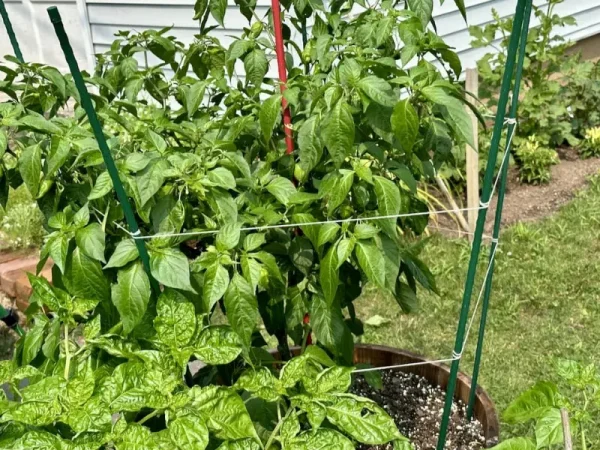
It might feel scary to “pinch” your plants, but trust me, it works! When your jalapeño plant is about 15-20 cm tall, pinch off the very top growing tip and any early flowers. This forces the plant to grow outward rather than just upward, creating a bushier, stronger structure that can hold more fruit later.
Also, don’t forget the support! A loaded jalapeño plant can get quite heavy. Use a small stake or a pepper cage early on so you don’t disturb the roots later when the plant is struggling to stay upright under the weight of its own deliciousness.
8. Knowing When to Harvest for the Best Flavor
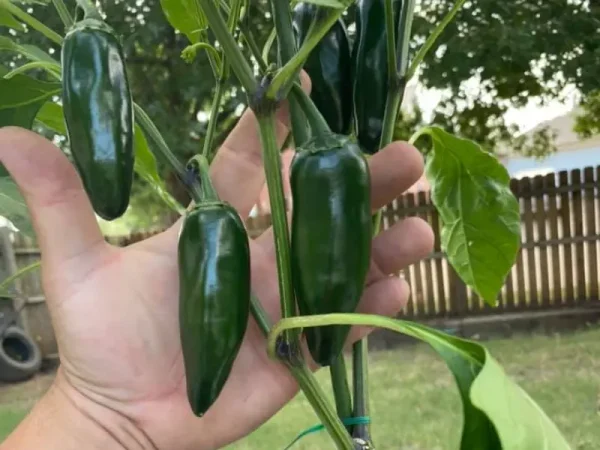
This is the question I get asked most: When is a Jalapeño actually ready?
Most people pick them when they are about 3 to 4 inches long and a deep, glossy green. But if you want to know the “insider” secret, look for corking marks. These are those small, tan-colored stretch marks on the skin of the pepper. In the US, many people think these are flaws, but seasoned growers know that corking often indicates a spicier pepper.
If you leave them on the vine longer, they will eventually turn bright red. Red Jalapeños are generally sweeter and have a more complex heat. Just use a pair of garden shears to snip them off; pulling them by hand can easily snap the brittle branches of the plant.
Final Thoughts
Growing Jalapeño is a journey of trial and error. Some years the weather will be perfect, and other years you’ll be fighting off every hornworm in the county. But there is nothing quite like the crunch of a fresh Jalapeño you grew yourself.
For more tips on setting up your garden, check out our guide on choosing the right containers or our deep dive into organic pest control methods.
What’s your biggest challenge with peppers right now? Drop a comment or send us a message, we’d love to help you get that harvest back on track.
Frequently Asked Questions (FAQs)
How long does it take for a Jalapeño to grow?
From the time you transplant a seedling into the garden, you are usually looking at 70 to 85 days before you see harvestable fruit.
Why are my Jalapeño leaves curling?
This is often a sign of stress. It could be a calcium deficiency, overwatering, or small pests like aphids sucking the sap from the underside of the leaves. Check the leaves closely for any tiny moving dots.
Can I grow Jalapeños indoors year-round?
Yes, but you need a very bright south-facing window or high-quality LED grow lights. You also need to act as the “bee” and gently shake the plants or use a small brush to help with pollination since there’s no wind or insects indoors.
Do I need to pinch off the first flowers?
If your plant is still very small (under 12 inches) but starting to flower, pinching those first blooms off can be beneficial. It forces the plant to put its energy into growing a stronger frame that can support more peppers later in the season.
Read more: