
Plant Info, Gardening Tips
Top 12 Best Types of Peppers to Grow in Your Garden: Easy and High Yield
Apr
Growing peppers is, quite honestly, one of the biggest “wins” you can have in a kitchen garden. They don’t demand a massive backyard or hours of back-breaking labor, yet they reward you with a vibrant payout that can last for several seasons. In my book, that is the definition of a perfect garden guest.
But here’s the reality: most people jump straight to Bell Peppers the moment they start their first vegetable patch. Now, don’t get me wrong—Bell Peppers are classics. But between us? They are often the “divas” of the pepper world, being much finickier and slower to ripen than almost any other variety. If you want a heavy harvest without the headache, there is a whole world of flavor waiting for you beyond the standard bell.
In this guide, we are going to break down the 12 best types of peppers to grow this year. We will look at heat levels using the Scoville scale, ease of care, and which ones will actually give you a massive harvest.
Understanding Your Garden: Sweet vs. Hot Peppers
Before we dig into the list, we need to talk about the two main “camps” of peppers. Most garden peppers belong to the species Capsicum annuum. Within that group, you have everything from zero-heat bells to mouth-searing habaneros.
The Scoville Scale
When you see a number like 50,000 SHU, that stands for Scoville Heat Units. It is a measurement of capsaicin, the chemical that makes peppers spicy. A bell pepper is a 0, while a Jalapeño sits around 5,000. Knowing this number helps you avoid any “painful” surprises at harvest time.
Choosing Varieties Based on Your Climate
Peppers are heat-loving tropical perennials grown as annuals in most of the US. If you live in a cooler northern state, you want varieties with a shorter “days to maturity” count. If you are in the South, you need heat-tolerant plants that won’t drop their blossoms when the thermometer hits 90 degrees.
Top 12 Types of Peppers for Your Garden
1. Bell Peppers
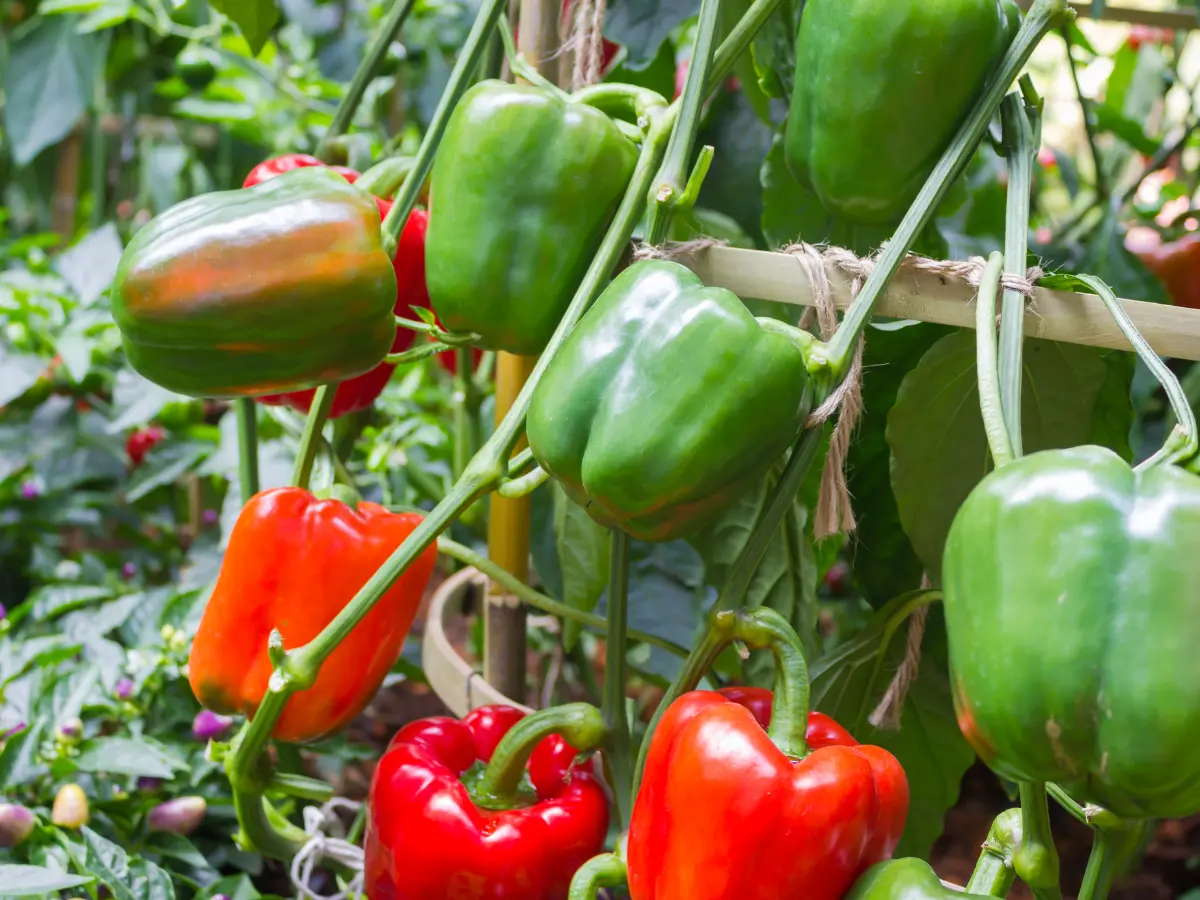
If you’re looking for a garden staple that feels like a crisp, refreshing bite of summer, the Bell Pepper is your perfect match. Unlike hot pepper varieties that demand caution, the Bell offers a thick-walled, juicy crunch that is the gold standard for fresh salads and family stir-fries. It reminds many of us of backyard BBQs and colorful vegetable platters.
Because they come in a rainbow of colors, they are a favorite for homeowners who want their garden to look as good as it tastes. While they love the sun of the Southwest, they perform beautifully in raised beds across the Northeast as long as the soil stays warm.
Care Tips: To get those deep red or bright yellow hues, patience is key—all bells start green. A helpful trick is to use a small stake or a tomato cage early on; as the “scentless giants” grow, the heavy fruit can easily snap the branches if they aren’t supported.
Read more:
- Tamarillo vs Tomato: Which One Is Better for You?
- Grow Your Own Tamarillo Tree: Expert Tips for a Thriving Tree Tomato
2. Jalapeños Peppers
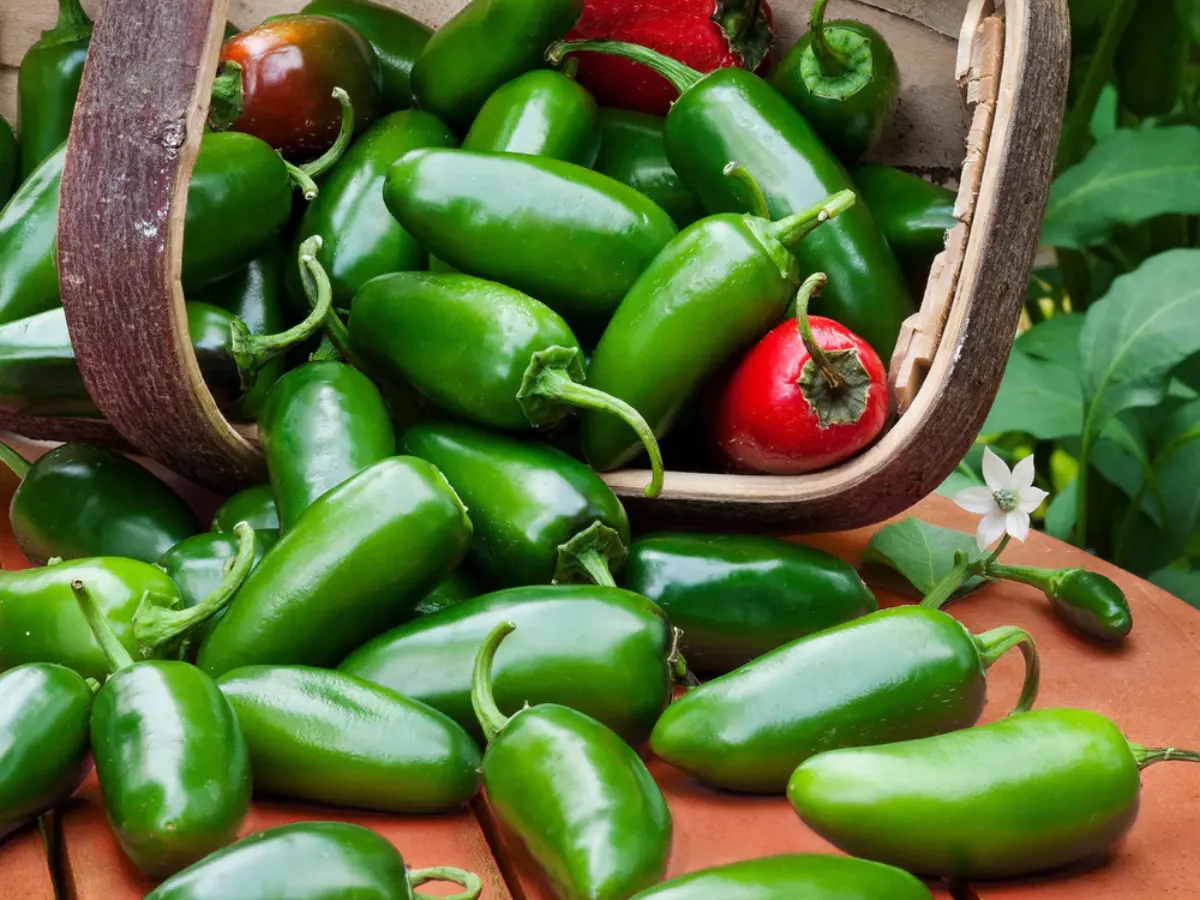
For the gardener who wants a “kick” without the regret, the Jalapeño offers a spicy, grassy note that is incredibly approachable. It’s the essential choice for anyone who loves homemade salsa or those iconic poppers stuffed with cream cheese. It feels like the “workhorse” of the pepper world—reliable, productive, and iconic.
These are the go-to for patio gardeners in urban areas like New York or Philly because they are famous for “living happily in a pot.” They don’t need a massive footprint to give you dozens of peppers per plant.
Care Tips: If you want more heat, look for small white lines (called “corking”) on the skin of the pepper; this is a sign the plant was slightly stressed and produced more capsaicin. To keep the harvest coming, pick the peppers frequently; the more you harvest, the more the plant will produce.
You may like: Master the Heat: 8 Expert Tips for Growing Jalapeños Like a Pro
3. Habaneros
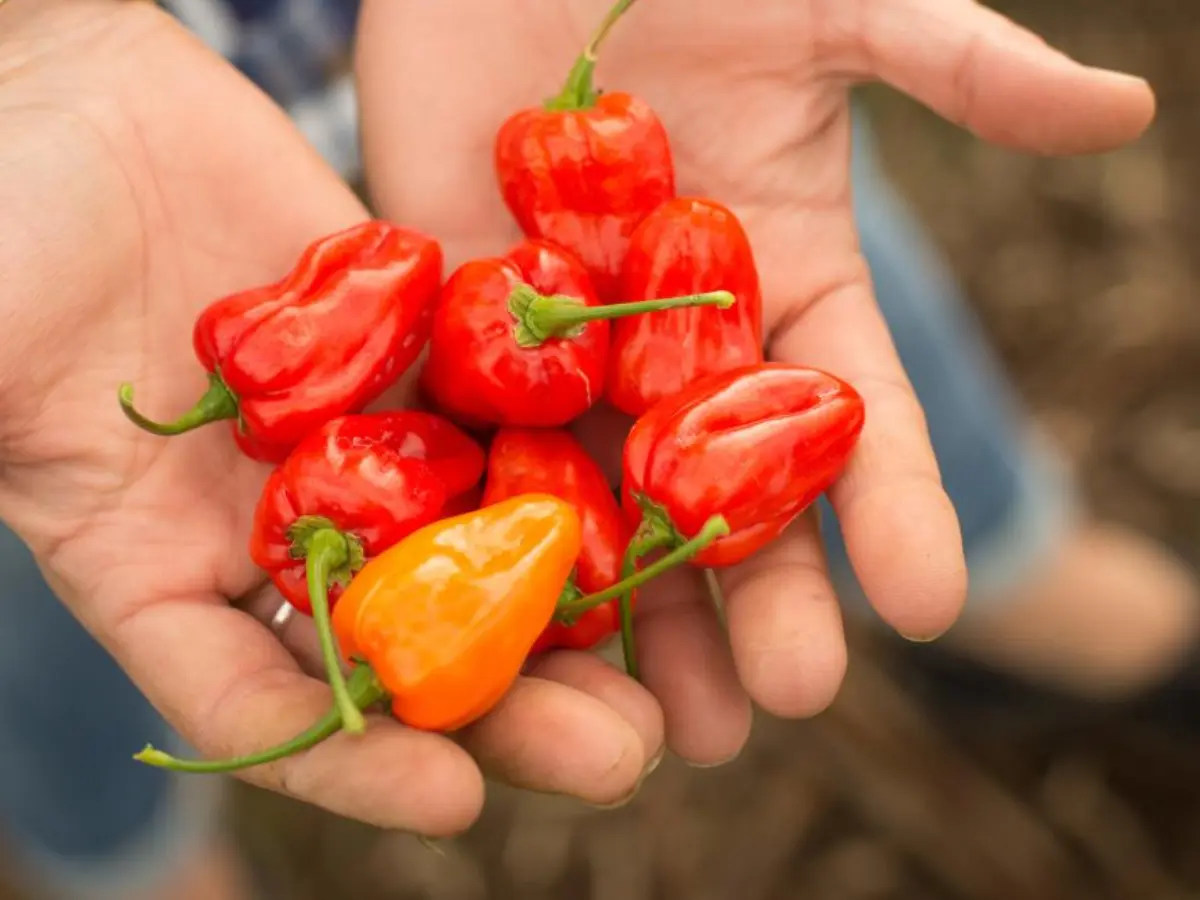
The Habanero is for the bold gardener looking for a scent and flavor that is surprisingly tropical. Beyond the intense heat, there is a distinct apricot-like aroma that makes it a favorite for high-end hot sauces and Caribbean-inspired dishes. It is the gold standard for those who want a “serious” pepper that looks like a beautiful, glowing orange lantern.
Because it loves long, humid summers, it thrives in the Deep South. However, for those in shorter-season climates, starting them indoors 8-10 weeks before the last frost is a must to ensure they have time to ripen.
Care Tips: These plants are heavy feeders. A helpful trick is to use a fertilizer higher in potassium and phosphorus once you see the first tiny buds. This ensures the plant puts its energy into those fiery fruits rather than just growing more leaves.
4. Banana Peppers
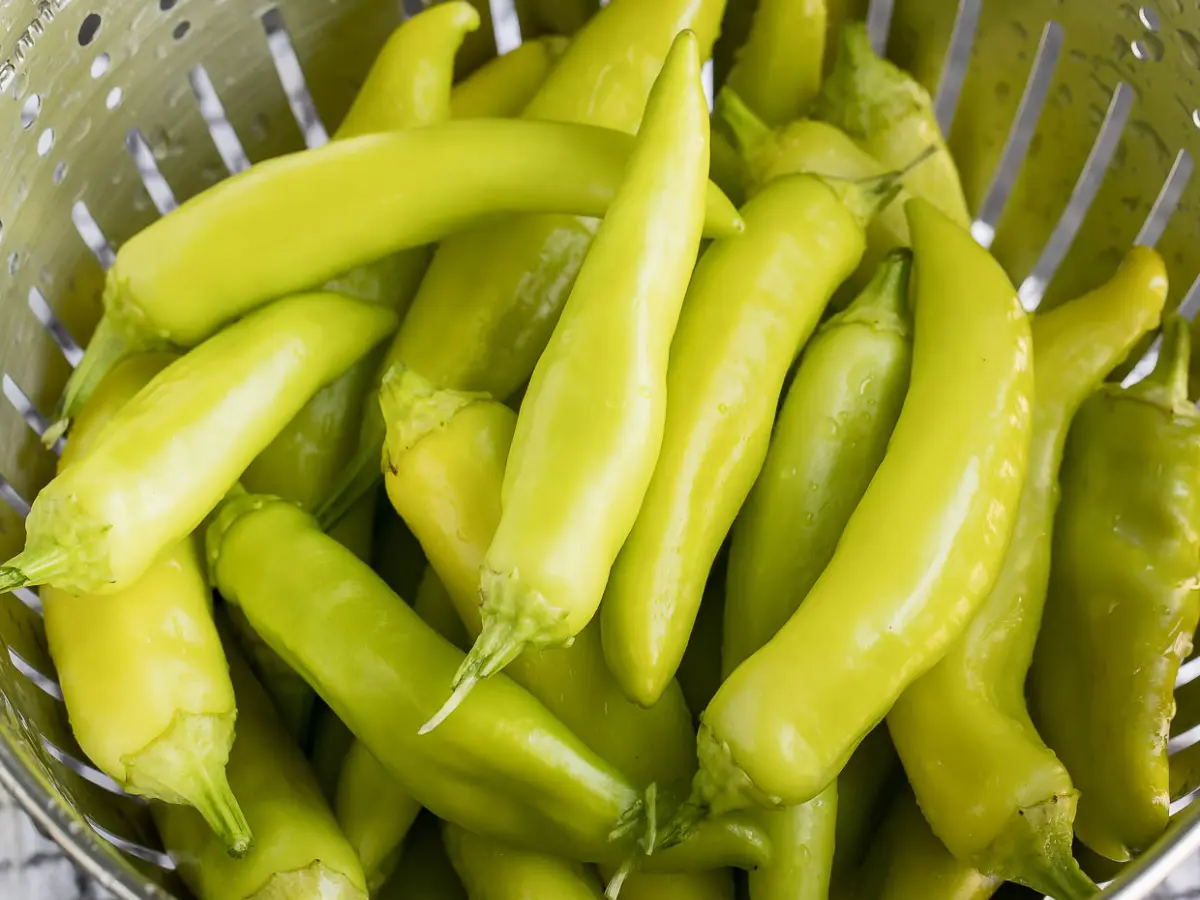
If you want a pepper that captures the essence of a classic deli sandwich, the Banana Pepper is your best friend. Its mild, tangy flavor is much more subtle than a bell pepper, offering a smooth texture that is perfect for pickling. It feels like a nostalgic nod to backyard summer picnics.
Its long, pointed shape and bright yellow color make it stand out in any garden. It’s a favorite for parents gardening with kids because the “sweet” variety is completely safe for little taste-testers to snap right off the vine.
Care Tips: Banana peppers can become prolific very quickly. To prevent the plant from leaning, mulch the base with straw to keep the soil moisture consistent. This prevents “blossom end rot,” a common issue where the bottom of the pepper turns black.
5. Cayenne Peppers
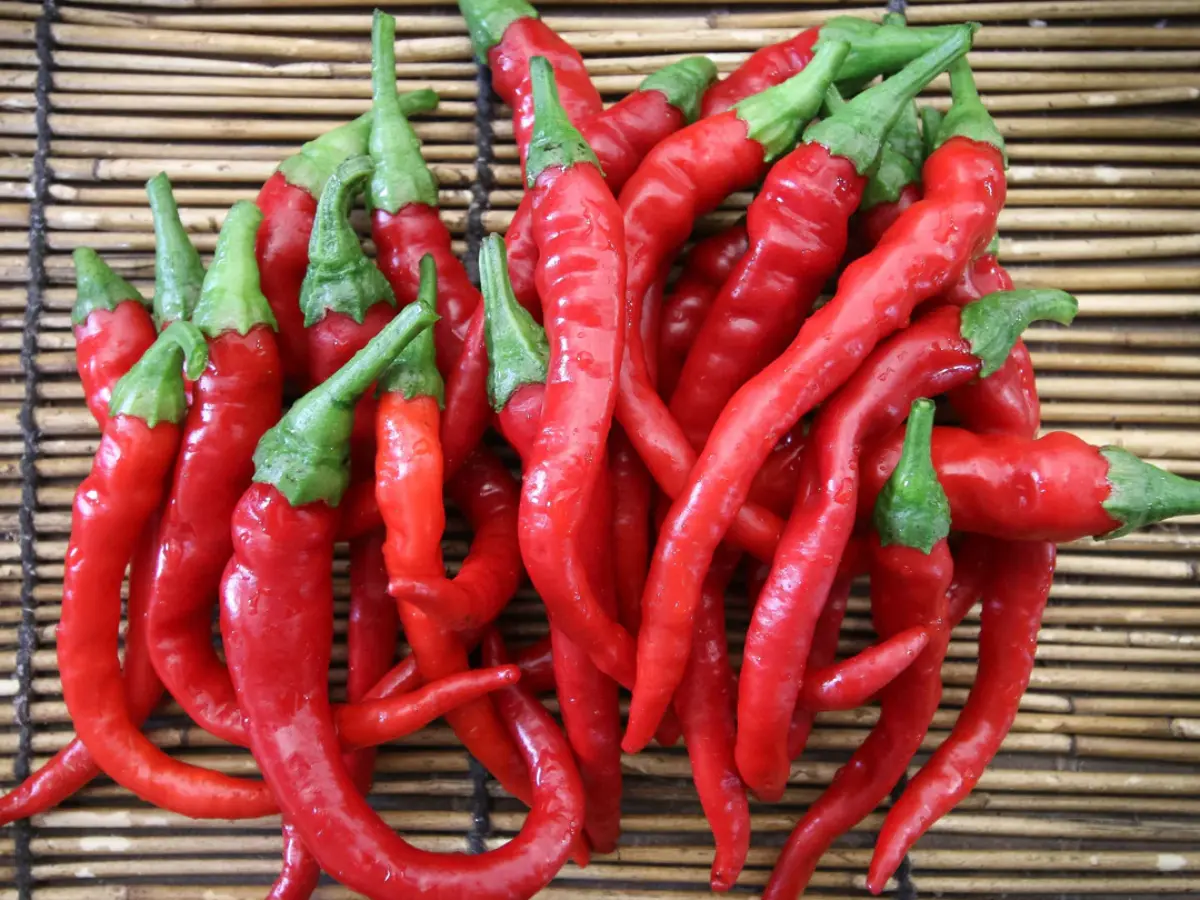
The Cayenne is the perfect match for the “DIY” gardener who wants to stock their pantry for winter. It offers a sharp, clean heat that is famous for its medicinal and culinary versatility. It is the gold standard for anyone who wants to move away from store-bought spices and create their own organic red pepper flakes.
The plants grow in a beautiful, upright habit with long, slender fruits that turn a brilliant crimson. They are exceptionally easy to dry, making them a favorite for gardeners with limited freezer space.
Care Tips: You don’t even need a dehydrator for these. A helpful trick is to “string” them together with a needle and thread through the green stems and hang them in a dry, sunny window. Within a week or two, they’ll be brittle and ready to grind.
6. Shishito Peppers
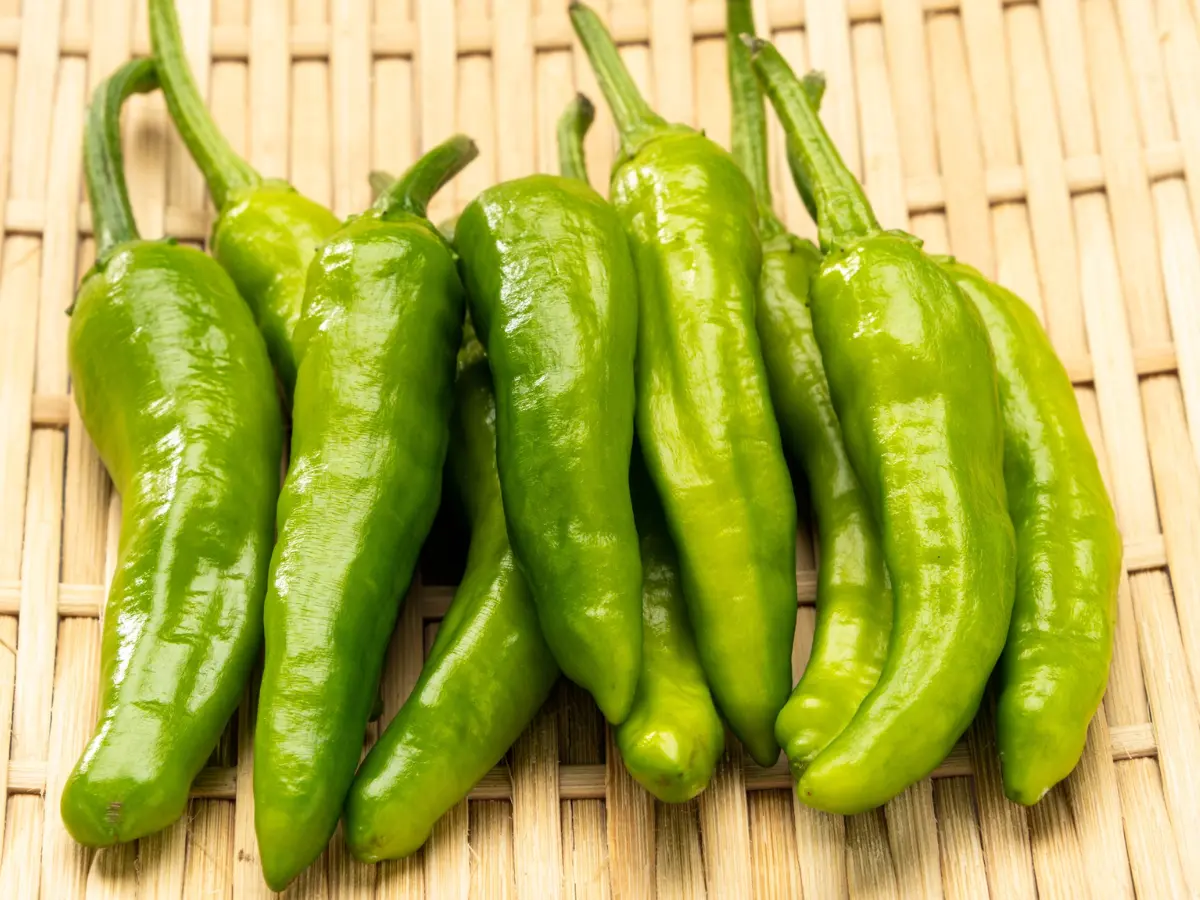
The Shishito is the “refined” choice for the modern gardener. Unlike other peppers that require chopping and cooking, these are best enjoyed whole, blistered in a hot pan with a splash of soy sauce. It offers a delicate, smoky flavor that feels like a sophisticated treat from a high-end bistro.
Because they are small and the plants stay compact, they are perfect for apartment dwellers with sunny balconies. They are incredibly high-yielding, often producing a “carpet” of green peppers by mid-summer.
Care Tips: Harvest them when they are about 2-3 inches long and still green. If you let them turn red, the skin becomes tougher and the flavor loses that signature “zing.” A helpful trick is to give them a quick drink of compost tea every two weeks to keep the fruit skin tender.
7. Poblano
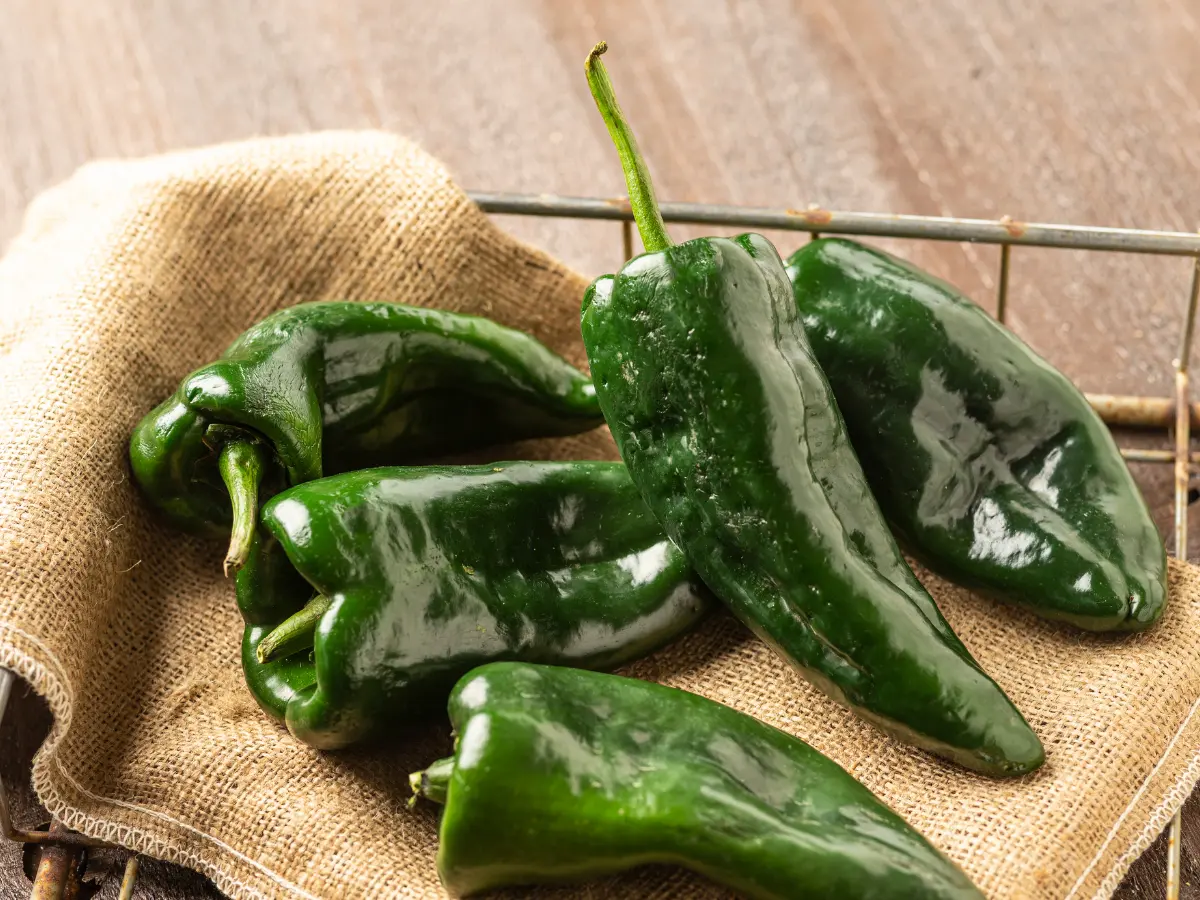
If you’re looking for a flavor that is deep, rich, and slightly smoky, the Poblano is the connoisseur’s choice. It is the “heart” of traditional Mexican cuisine, offering a mild heat that is perfect for roasting. It is the gold standard for anyone who wants a pepper with “soul” and a meaty texture that holds up to high heat.
These plants grow quite large and sturdy, making them a great centerpiece for a raised bed. They are popular across the Southwest but can be grown anywhere with a solid 3-4 months of warm weather.
Care Tips: For the best flavor, roast them until the skin blisters and peels away. A helpful trick is to wait until they are a very dark, glossy green before picking. If you leave them to turn red, they become “Anchos,” which are sweeter and better for drying.
8. Serrano Peppers
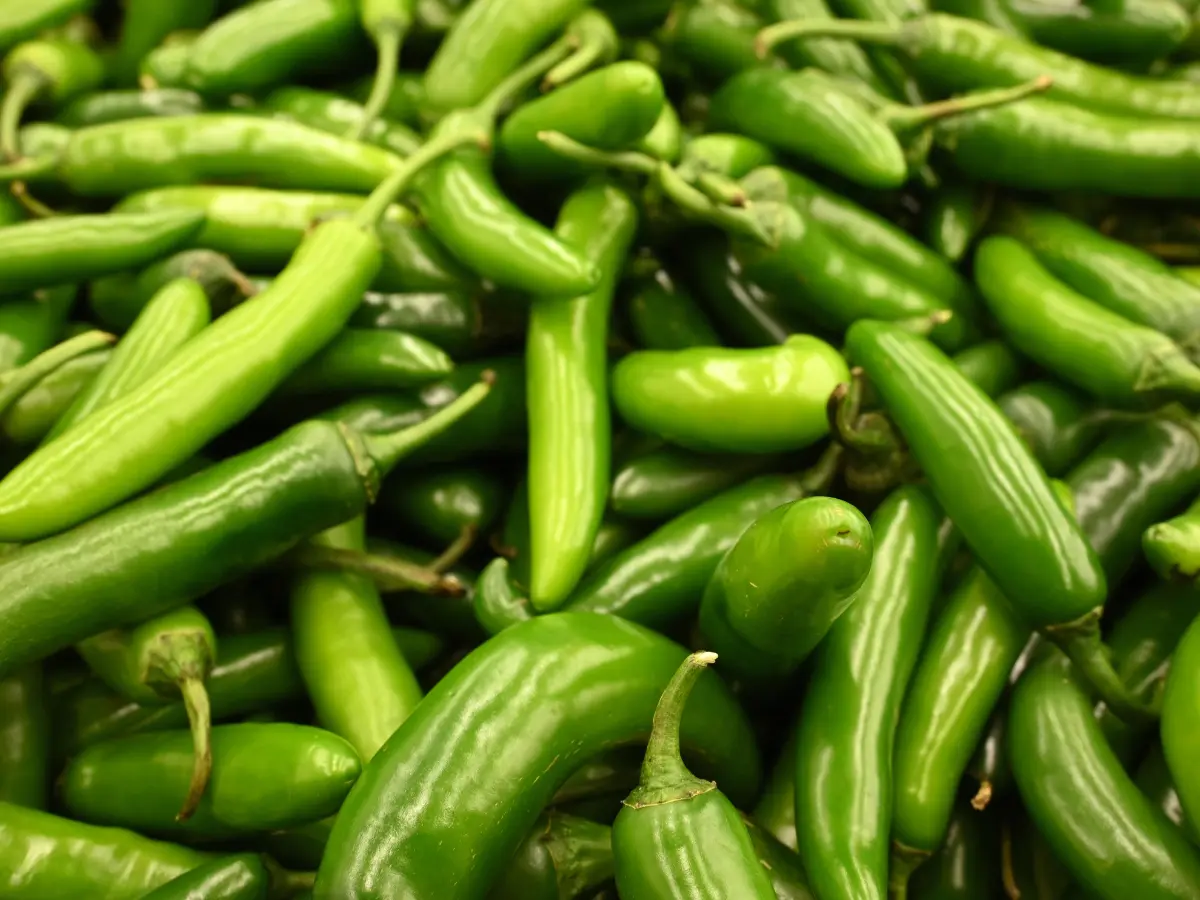
The Serrano is the perfect match for the gardener who thinks a Jalapeño is “just okay” but wants something more intense. It offers a bright, biting heat and a thin skin that doesn’t need to be peeled. It’s the “pro” choice for fresh pico de gallo where you want the heat to be the star of the show.
The plants are surprisingly ornamental, often growing quite tall with fuzzy green leaves that act as a natural deterrent to some smaller pests.
Care Tips: Serranos are heavy drinkers compared to other peppers. To keep the fruit from cracking, ensure they get a deep soak at the roots twice a week rather than light daily misting. This encourages the roots to grow deep into the cool earth.
9. Thai Bird’s Eye
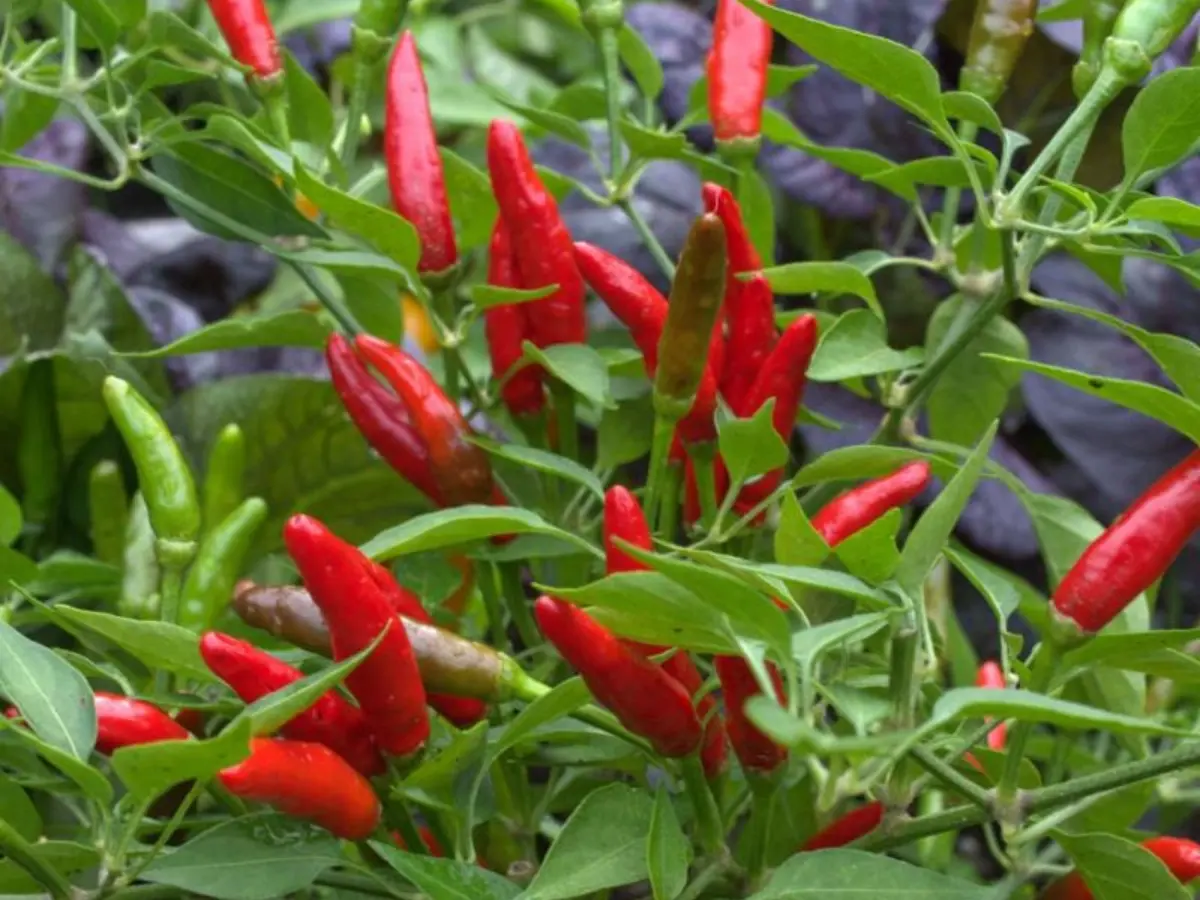
For the gardener who loves a “concentrated” punch of heat, the Thai Bird’s Eye is a miniature powerhouse. It offers a sharp, immediate spiciness that is essential for authentic curries and spicy oils. It reminds many of bustling street markets and vibrant, aromatic kitchens.
Because the plant is bushy and covered in tiny, upright peppers, it is a favorite for “edible landscaping.” It looks just as good in a flower border as it does in a vegetable garden.
Care Tips: These peppers love heat and can handle the humidity of a Florida summer better than almost any other variety. A helpful trick is to pinch off the very first set of flowers in late spring; this forces the plant to build a stronger “frame” before it starts putting all its energy into fruit.
10. Cherry Peppers
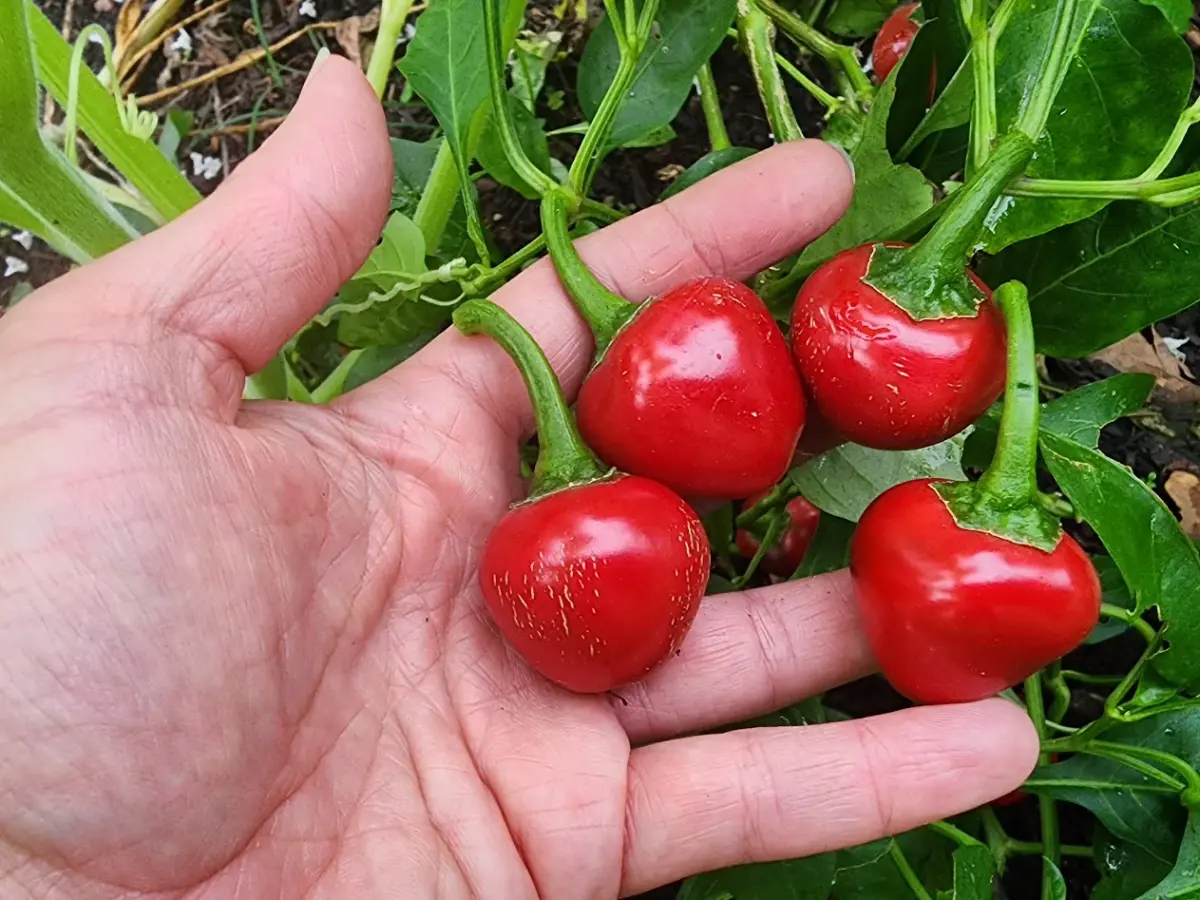
The Cherry Pepper is the “gem” of the garden, offering a round, cherry-like shape that is incredibly satisfying to harvest. Whether you choose the sweet or hot version, they offer a thick, crunchy wall that is the gold standard for pickling or stuffing with goat cheese.
They are a favorite for homeowners who love “kitchen gardening”—having ingredients that look beautiful in a glass jar on the counter.
Care Tips: Because the fruit is so dense, it takes a little longer to ripen to that “fire-engine red.” To speed things up, make sure they aren’t being shaded by larger plants like tomatoes. They need every bit of late-afternoon sun they can get.
11. Ghost Peppers
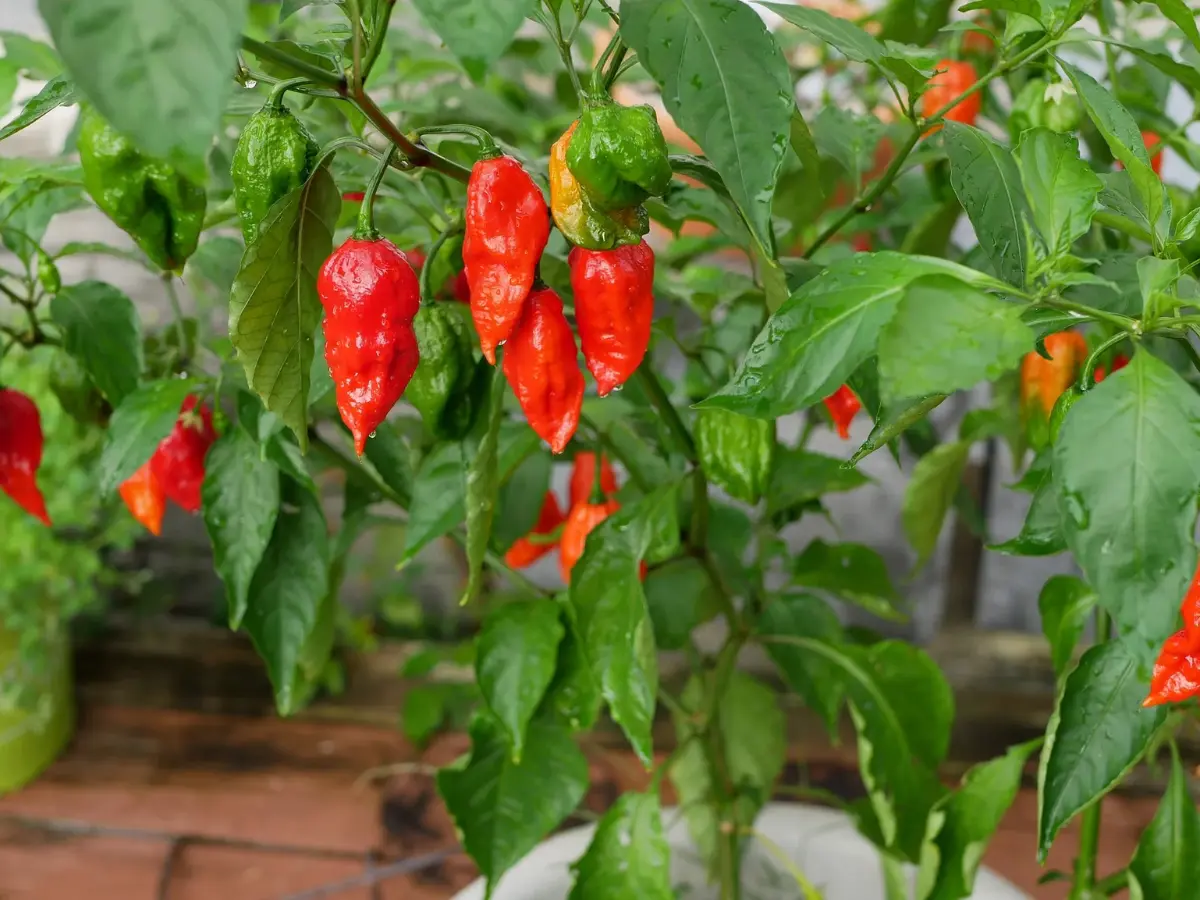
If you want to capture the “wild side” of gardening, the Ghost Pepper (Bhut Jolokia) is your ultimate project. It offers a slow-building, legendary heat that is famous worldwide. It is the gold standard for the “hot pepper community” and a true badge of honor for any backyard grower.
These require a bit of extra care and a very long growing season, making them a project for the patient gardener. They feel like a “trophy” plant in your collection.
Care Tips: Handle with extreme caution! Always use gloves when picking or cutting these. A helpful trick for cooler climates is to grow these in black plastic pots; the black material absorbs more heat from the sun, keeping the roots at the “tropical” temperatures these peppers crave.
12. Pimento Peppers
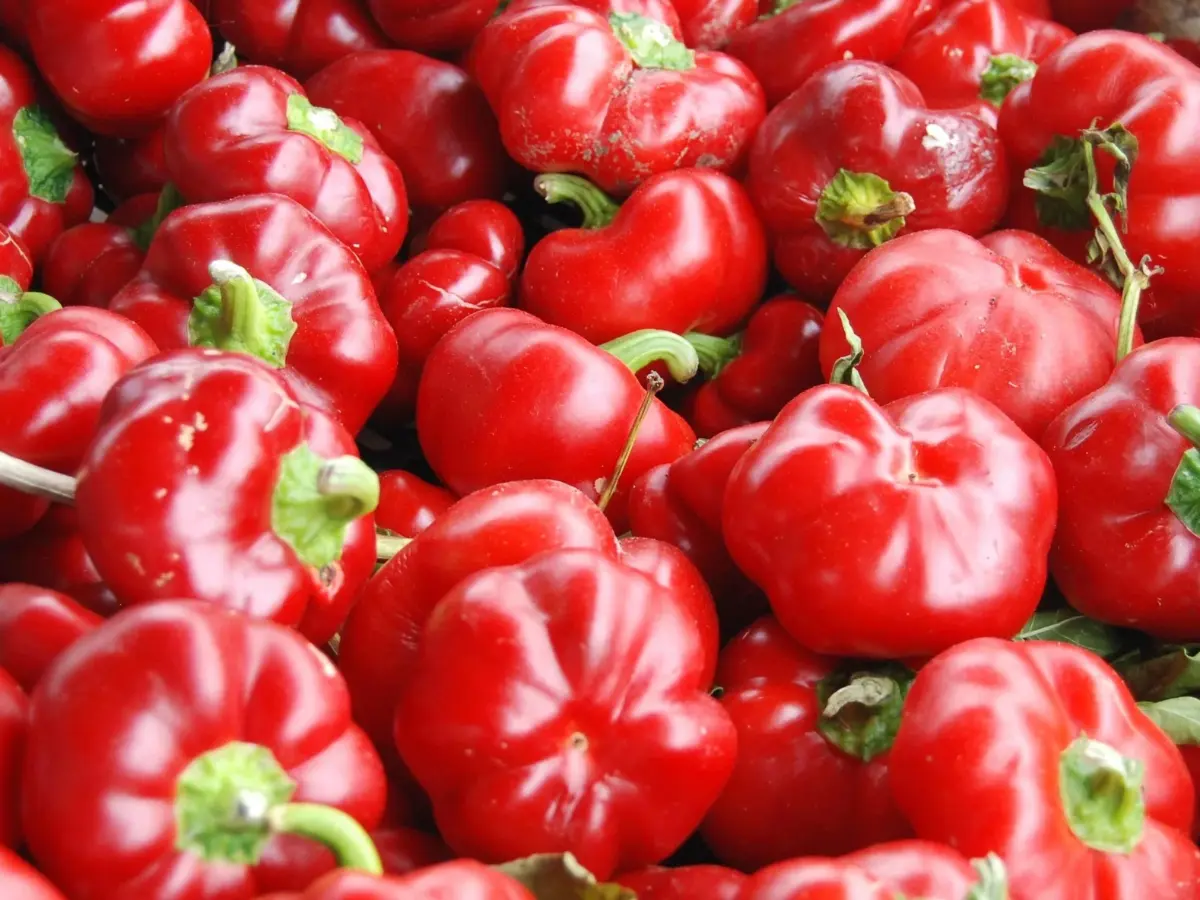
Finally, the Pimento is the perfect match for those who want the absolute sweetest experience a pepper can offer. It captures the essence of a mild, sugary fruit with almost no acidity. It is the gold standard for homemade pimento cheese or for roasting and jarring your own “roasted red peppers.”
Because they are heart-shaped and a deep, luscious red, they are a favorite for gourmet home cooks who want the highest quality ingredients.
Care Tips: These are “comfort seekers”—they don’t like cold nights. If a surprise late-season frost is predicted, be sure to cover them with a frost blanket. To maximize sweetness, wait until the fruit is fully red and just starting to feel a tiny bit soft to the touch.
Quick Tips for a Successful Pepper Harvest
To get the most out of your plants, you need to focus on a few basics. Peppers are not particularly needy, but they do have some non-negotiables.
- Peppers need at least 6 to 8 hours of direct sunlight. If they are in the shade, they will grow tall and “leggy” but won’t produce much fruit. Use a high-quality potting mix if you are using containers, and ensure your soil is well-draining. Peppers hate “wet feet.”
- If you are a beginner, try a 5-gallon bucket. It is easy to control the soil quality and move the plant if the sun shifts. Raised beds are also great because the soil warms up faster in the spring than the ground does.
- If the soil goes from bone-dry to soaking wet repeatedly, your peppers might develop blossom end rot. Use a balanced organic fertilizer once the first flowers appear to give the plant the energy it needs to grow fruit.
Frequently Asked Questions (FAQs)
How many hours of sunlight do peppers need?
At a minimum, aim for 6 hours. However, in most US climates, 8 to 10 hours is the “sweet spot” for a high-yield harvest.
Why are my pepper plants flowering but not producing fruit?
This is usually caused by extreme heat (above 90°F) or cold nights (below 55°F). When it is too hot, the pollen becomes sterile and the flowers drop. Just keep the plant healthy, and it will start producing again once the weather stabilizes.
Can I grow hot and sweet peppers next to each other?
Yes! A common myth is that the hot pepper will make the sweet pepper spicy through cross-pollination. This is not true. Cross-pollination only affects the seeds inside the fruit, not the taste of the pepper itself this season.
When is the best time to harvest my peppers?
You can harvest them at any size, but for the best flavor, wait until they reach their final color (red, orange, or yellow). The fruit should feel firm to the touch.
Conclusion
Choosing the right pepper varieties for your garden doesn’t have to be a guessing game. By selecting a mix of sweet bells for salads and perhaps some Jalapeños or Shishitos for the grill, you can enjoy a diverse harvest all summer long.
If you are just starting out, grab a few seedlings of the varieties mentioned above and get them in the sun. For more detailed advice on maintaining your garden, check out our recent guide on organic pest management or learn more about building the perfect raised bed.
What variety are you most excited to try this year? Whatever you choose, nothing beats the crunch of a fresh pepper grown in your own backyard. Happy gardening!