
Gardening Tips
Protect Your Abutilon Orange Tiger: Essential Guide to Common Diseases & Pests
Oct
If you’ve noticed yellowing leaves, wilting, or pest infestations on your Abutilon Orange Tiger plant, you might be dealing with common plant diseases or pests. As a plant owner, it can be frustrating to watch your beautiful ornamental plant struggle. But don’t worry! In this guide, we’ll walk you through the most common diseases and pests that affect the Abutilon Orange Tiger and give you actionable tips on how to protect your plant and keep it thriving.
Whether you’re a seasoned gardener or just starting your plant journey, understanding how to manage pests and diseases is crucial for maintaining a healthy and vibrant Abutilon. Let’s dive into the specifics!
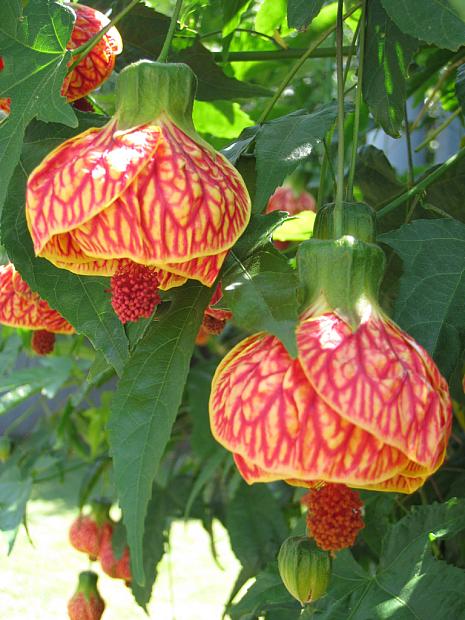
The Abutilon Orange Tiger, also known as the “Flowering Maple,” is a stunning tropical plant prized for its vibrant orange flowers and unique foliage. However, like all plants, it is susceptible to certain diseases and pests that can undermine its health and beauty.
To properly care for this plant, it’s essential to know the common problems it faces, including the pests and diseases that may invade your plant, the signs to look for, and the most effective treatment methods.
Read more: Abutilon Orange Tiger Care: Easy Tips for Healthy Blooming
Common Diseases Affecting Abutilon Orange Tiger

One of the most significant concerns for any gardener is disease prevention. Here are some of the most common diseases that can impact your Abutilon Orange Tiger:
Powdery Mildew: The White Fungal Growth
Powdery mildew is one of the most common fungal diseases affecting Abutilon Orange Tiger plants. This disease is typically caused by the fungus Erysiphe cichoracearum, which appears as white, powdery spots on the leaves. Over time, it can cause the leaves to become distorted, dry, and eventually drop.
-
Signs of Powdery Mildew:
-
White, powdery patches on leaves and stems.
-
Yellowing or curling leaves.
-
Stunted plant growth.
-
-
Treatment and Prevention:
-
Remove infected leaves immediately.
-
Use organic fungicides like neem oil or potassium bicarbonate.
-
Ensure good air circulation around the plant to prevent moisture buildup, which encourages fungal growth.
-
Leaf Spot Diseases: Bacterial and Fungal Infections
Leaf spot diseases are another common issue for Abutilon plants. These can be caused by bacteria or fungi and often manifest as dark, water-soaked spots on the leaves. Over time, the spots can grow larger and cause significant damage to the plant.
-
Signs of Leaf Spot Diseases:
-
Small, dark, or yellowish spots on leaves.
-
Spots that enlarge and cause leaves to yellow.
-
Premature leaf drop.
-
-
Treatment and Prevention:
-
Remove affected leaves to prevent further spread.
-
Use fungicides or bactericides to treat fungal or bacterial infections.
-
Avoid overhead watering, which can splash spores onto healthy parts of the plant.
-
Root Rot: The Silent Killer
Root rot occurs when the roots of your Abutilon Orange Tiger become waterlogged, often due to poor drainage or overwatering. Fungi like Pythium or Phytophthora are the typical culprits, causing the roots to rot and making it difficult for the plant to absorb nutrients.
-
Signs of Root Rot:
-
Yellowing leaves, despite adequate watering.
-
Wilting or drooping stems.
-
Foul odor coming from the soil.
-
-
Treatment and Prevention:
-
Remove the plant from the soil, inspect the roots, and cut off any rotting roots.
-
Repot the plant in fresh, well-draining soil.
-
Water the plant only when the top inch of soil is dry.
-
Common Pests That Affect Abutilon Orange Tiger
In addition to diseases, pests are another major threat to the health of your Abutilon Orange Tiger. Here are some of the most common pests that you should watch out for:
Spider Mites: Tiny Yet Destructive
Spider mites are tiny arachnids that can do a lot of damage to your Abutilon plant. They suck out the plant’s juices, causing the leaves to become stippled and discolored.
-
Signs of Spider Mite Infestation:
-
Small yellow or brown spots on leaves.
-
Fine webbing between leaves and stems.
-
Stunted growth.
-
-
Treatment and Prevention:
-
Spray the plant with water to dislodge mites.
-
Use insecticidal soap or neem oil to eliminate spider mites.
-
Keep humidity levels up, as spider mites thrive in dry conditions.
-
Aphids: The Soft-Bodied Pests
Aphids are soft-bodied insects that feed on the sap of plants, causing the leaves to curl, distort, and yellow. They also excrete a sticky substance known as “honeydew,” which can attract ants and lead to the growth of sooty mold.
-
Signs of Aphid Infestation:
-
Sticky honeydew on leaves or surrounding surfaces.
-
Distorted, curled leaves.
-
Presence of ants on the plant.
-
-
Treatment and Prevention:
-
Spray the plant with a strong stream of water to remove aphids.
-
Apply insecticidal soap or neem oil to treat aphid infestations.
-
Introduce beneficial insects like ladybugs to help control aphid populations.
-
Whiteflies: Small but Mighty
Whiteflies are tiny, flying insects that can cause damage to your Abutilon plant by feeding on the plant’s sap. They are also known for transmitting plant viruses, making them a serious threat.
-
Signs of Whitefly Infestation:
-
Yellowing of leaves.
-
Presence of tiny white insects on the undersides of leaves.
-
Honeydew production, leading to mold growth.
-
-
Treatment and Prevention:
-
Use yellow sticky traps to capture adult whiteflies.
-
Apply insecticidal soap or neem oil to kill whitefly larvae and adults.
-
Prune infested parts of the plant to reduce the population.
-
Preventive Care for Abutilon Orange Tiger
The best way to deal with pests and diseases is to prevent them in the first place. Here are some simple care tips to help you protect your plant:
Proper Watering Techniques
Both overwatering and underwatering can stress your Abutilon Orange Tiger, making it more susceptible to pests and diseases. Ensure the soil is well-draining and only water when the top inch of the soil is dry.
Choosing the Right Soil
A well-draining potting mix is essential for preventing root rot. Choose soil that allows excess water to drain away quickly, and always use pots with drainage holes.
Regular Inspection and Maintenance
Inspect your plant regularly for signs of pests or diseases. The earlier you spot a problem, the easier it will be to treat and prevent it from spreading. Prune away damaged leaves and stems to keep your plant healthy.
Conclusion
By understanding the common pests and diseases that can affect your Abutilon Orange Tiger, you can take proactive steps to protect your plant. Regular care, prompt treatment of any issues, and preventive measures will help your plant stay healthy and vibrant.
Remember, a little attention goes a long way in keeping your Abutilon free from pests and diseases. With the right care, you’ll enjoy its stunning flowers and lush foliage for years to come!
Frequently Asked Questions (FAQs)
1. What pests are most common for Abutilon Orange Tiger?
Spider mites, aphids, and whiteflies are the most common pests that affect Abutilon Orange Tiger plants.
2. How do I know if my plant has powdery mildew?
Look for white, powdery spots on the leaves, especially in areas with low airflow and high humidity.
3. How can I prevent root rot in my Abutilon plant?
Ensure your plant is in well-draining soil and avoid overwatering. Let the top inch of the soil dry out before watering again.
4. Can I use natural pest control for my Abutilon Orange Tiger?
Yes! Neem oil, insecticidal soap, and introducing beneficial insects like ladybugs can all help naturally control pests on your Abutilon.
By following these tips, you’ll be well on your way to maintaining a healthy and thriving Abutilon Orange Tiger. Happy gardening!