
Gardening Tips
Growing Walking Onions in Containers: The Ultimate Guide
Feb
Have you ever looked at your small balcony or cramped patio and wished you could grow a vegetable that actually lasts? Maybe you have tried growing standard onions from seeds, only to find them finicky, or perhaps you are tired of replanting your garden every single spring. If you are worried about space or the commitment of traditional gardening, you are not alone. Many urban gardeners feel the same frustration.
But what if I told you there is a plant that literally walks, plants itself, and thrives in a pot? Meet the Egyptian Walking Onion (Allium proliferum).
As a long-time gardener, I remember my first encounter with these “tree onions.” I was skeptical that a perennial onion could survive a harsh winter in a container. To my surprise, not only did they survive, but they became the most reliable source of fresh greens in my kitchen. Let’s dive into growing walking onions in containers so you can turn a simple pot into a lifetime supply of onions.
Why Grow Egyptian Walking Onions in Containers
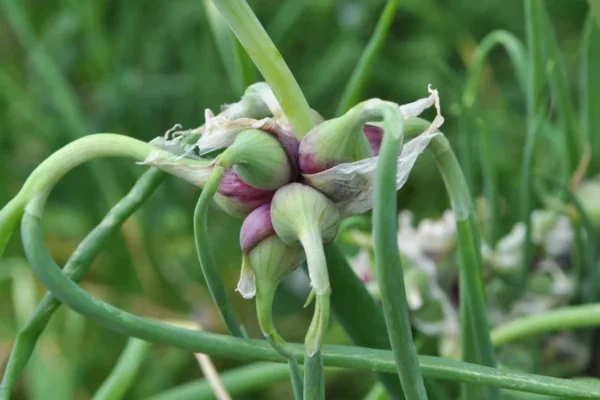
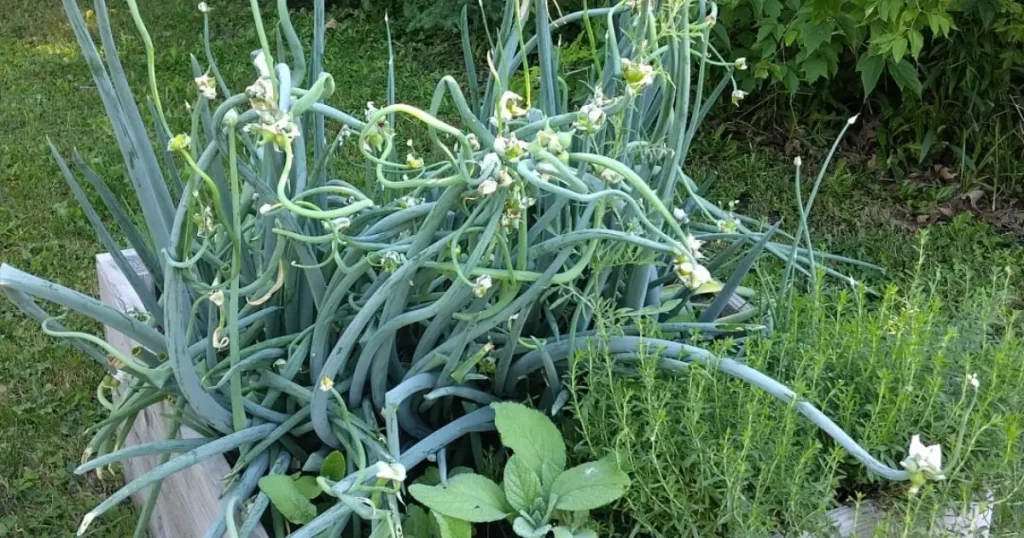
The biggest struggle with Egyptian Walking Onions in a traditional backyard is their name: they “walk.” When the heavy clusters of bulbils (the mini onions at the top) get too heavy, the stalks bend down, touch the ground, and start new roots. In a few years, they can migrate across your entire yard.
By using container gardening, you take back control. You get all the benefits of a perennial plant without the stress of it taking over your flower beds. Plus, if you live in an apartment in Seattle or a condo in Austin, you can move your pots to catch the best sunlight throughout the seasons.
Read more:
- When to Plant Walking Onions for a Bountiful Harvest: Your Complete Guide
- How to Grow Egyptian Walking Onions by Bulbils: A Beginner’s Guide
What You’ll Need for Growing Walking Onions in Containers
Before we get our hands dirty, we need the right gear. Don’t worry, you don’t need fancy tech, just a few basics that cater to the needs of the Allium family.
You want a container that is at least 12 inches deep. While walking onions have relatively shallow roots, the top-heavy nature of the stalks means a shallow pot might tip over in a summer breeze.
-
Material: Terra cotta is great for drainage, but in colder USDA zones (like Zone 5 or 6), high-quality plastic or resin pots are less likely to crack when the soil freezes.
-
Drainage: This is non-negotiable. Ensure your pot has plenty of drainage holes. Onions hate “wet feet,” which can lead to bulb rot.
Forget cheap garden soil. For success in containers, you need a well-draining potting mix rich in organic matter. I usually mix a standard potting soil with a handful of compost and a bit of perlite. This ensures the soil stays airy and provides the nitrogen-rich environment these onions crave.
Planting Egyptian Walking Onions in Containers
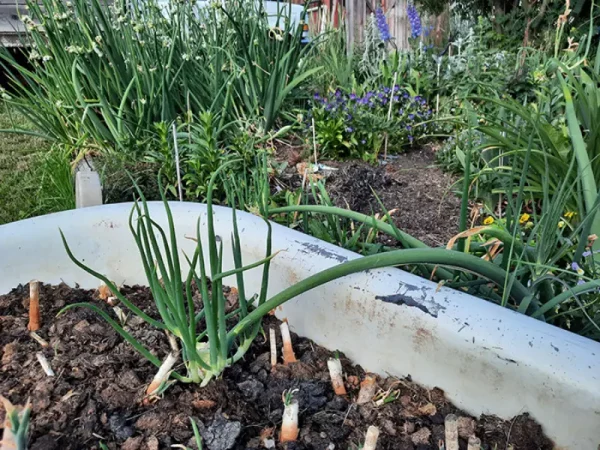
In the gardening world, we usually start with “sets” or “topsets” rather than seeds. These tiny bulbs are what you will likely receive if you order from a nursery or a friend.
-
Timing: The best time to plant in the US is late summer or early fall. This allows the roots to establish before the ground (or your pot) freezes.
-
Depth: Plant your bulbils about 1 to 2 inches deep.
-
Spacing: Since we are in a container, you can plant them a bit closer than in a garden bed. Aim for about 3 to 4 inches apart.
-
Watering: Give them a good drink right after planting, then keep the soil moist but not soggy.
I once gave a few topsets to a friend in Chicago. She planted them in October, and by the time the first snow hit, they had already sent up little green shoots. They sat under the snow all winter and were the first things to pop up in March.
Seasonal Care and Maintenance
Sunlight Requirements
Walking onions are sun-lovers. To get those strong stalks and flavorful bulbs, aim for at least 6 to 8 hours of full sun daily. If your balcony is a bit shady, they will still grow, but they might be a bit “leggy” or thin.
Feeding and Watering
In a container, nutrients wash out faster than in the ground. I recommend a balanced, slow-release fertilizer in early spring. During the heat of a Texas or Florida summer, you might need to water your pots every day. Check the soil with your finger; if the top inch is dry, it is time to water.
Overwintering in Pots
One of the most common questions I get is: “Will the pot freeze and kill the plant?” Egyptian Walking Onions are incredibly hardy (down to Zone 3). However, the roots in a pot are more exposed than in the ground. If you live in a very cold area, you can wrap your pots in burlap or move them against the side of your house for extra warmth during January and February.
Harvesting Walking Onions
The beauty of the walking onion is that it is a “cut and come again” plant.
-
Spring Greens: Use the green leaves like scallions or chives. Just don’t cut more than a third of the plant at once.
-
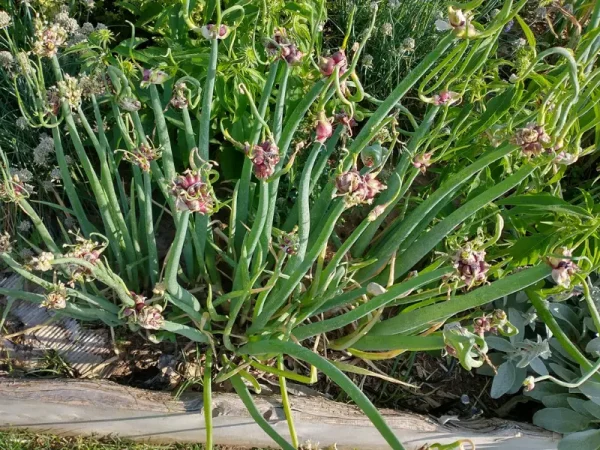
The Topsets: By mid-summer, you will see the clusters of bulbils forming at the top. These are great for pickling or tossing whole into a stir-fry.
-
The Base Bulbs: While you can eat the bulbs at the bottom, remember that these are perennials. If you harvest the base, that specific plant won’t come back next year. Most container gardeners keep the base bulbs in the soil and only harvest the tops.
Common Problems and Simple Solutions
Even though these plants are tough, they aren’t invincible. Keep an eye out for:
-
Onion Flies: If the leaves look wilted and yellow, you might have larvae at the roots. Using fresh potting mix usually prevents this.
-
Fungal Rust: This looks like orange spots on the leaves. It usually happens if the air is too humid or the plants are too crowded. Make sure your pots have good airflow.
Frequently Asked Questions (FAQs)
Can walking onions stay in the same pot for years?
Yes, but they will eventually become crowded. Every 2 to 3 years, it is a good idea to thin them out. You can take the extra bulbils and start a new pot or give them to a neighbor.
How many bulbils should I plant in a 12-inch pot?
I recommend starting with 3 to 5 bulbils. This gives them enough room to grow large base bulbs without competing too much for nutrients.
Why are my stalks falling over?
That is actually what they are supposed to do. In nature, they fall to “walk” to a new spot. In a container, you can use a small tomato cage or a few bamboo stakes if you want to keep them upright for a cleaner look.
Do I need to bring them indoors for winter?
Generally, no. They need a period of cold (vernalization) to produce the topsets the following year. Just keep them outside, and they will go dormant until spring.
Conclusion
Growing Walking Onions in containers is one of the most rewarding “set it and forget it” projects for any home gardener. You save space, prevent the plant from wandering off, and ensure a steady supply of fresh, pungent onions for your kitchen.
If you are ready to start your perennial onion journey, your first step is to find some quality topsets. Check with local gardening groups or online heirloom seed suppliers. Once you have your sets, grab a sturdy pot and some good soil, and you are halfway to a lifetime of harvests.