
Gardening Tips
How to Care for Fuchsia Hanging Baskets: 5 Essential Tips
Sep
Are you struggling to keep your fuchsia hanging baskets healthy and thriving? You’re not alone! Fuchsia plants, known for their beautiful, vibrant flowers, can be a bit tricky to care for, especially when grown in hanging baskets. But don’t worry, I’m here to help you keep your fuchsia plants looking stunning throughout the season with five essential tips.
Whether you’re a seasoned gardener or just starting out, this guide will give you practical advice on how to care for fuchsia hanging baskets, ensuring they bloom beautifully and last all season long. So, let’s dive into the basics!
1. Choosing the Right Location for Your Fuchsia Hanging Basket
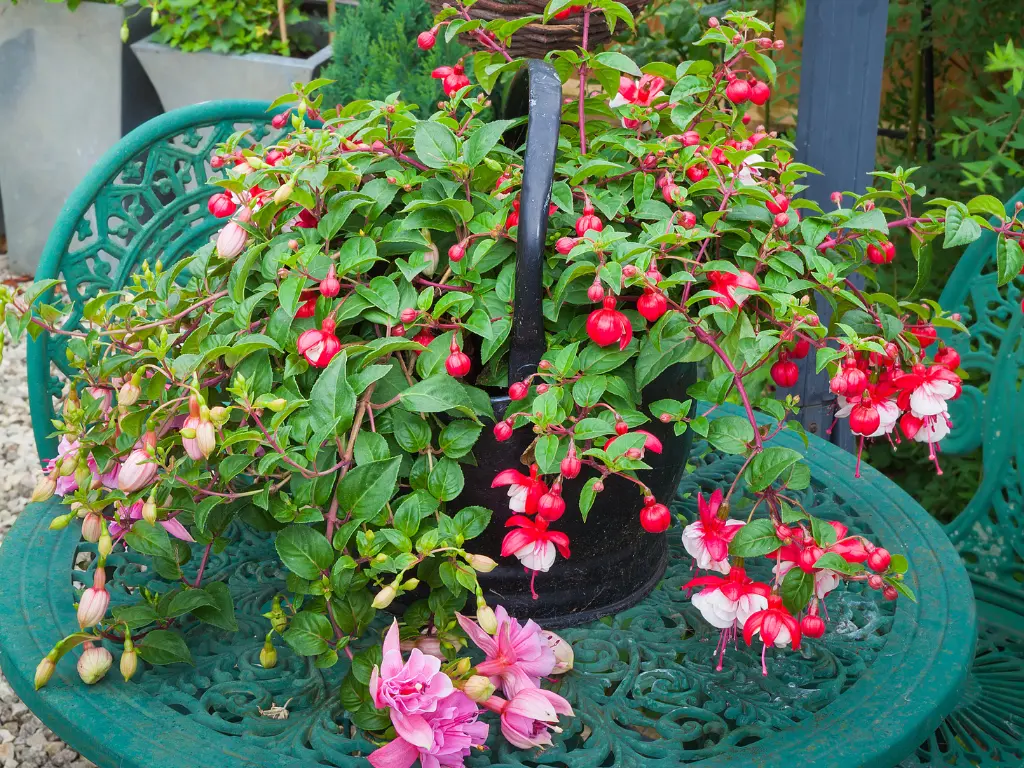
One of the most important factors in growing healthy fuchsia hanging baskets is selecting the right location. These plants thrive in a spot that offers a good balance of sunlight and shade, so it’s essential to find the right environment.
Light Requirements for Fuchsia Plants
Fuchsia plants are naturally shade-loving, so it’s best to place them in a spot where they get partial sunlight. Ideally, they should receive morning sunlight and be protected from the harsh afternoon sun, especially in hot climates. If you’re growing fuchsias outdoors, hanging them in a shaded or partially shaded area will provide the right conditions for them to flourish.
If you’re growing fuchsias indoors, place them near a window with indirect light. Direct sunlight can cause the leaves to burn, while insufficient light can lead to poor blooming.
How to Protect Your Fuchsia Hanging Basket from Harsh Conditions
During the hottest months, it’s crucial to protect your fuchsia hanging basket from scorching sun and strong winds. If you’re in an area with extreme heat, you can place your hanging basket under a pergola, balcony, or tree canopy for added protection.
2. Watering Your Fuchsia Basket
Fuchsia plants require consistent and proper watering to stay healthy. However, overwatering or underwatering can lead to issues such as root rot or wilting. So, finding the right balance is key.
How Often Should You Water Fuchsia Hanging Baskets?
Watering needs for fuchsias can vary depending on the weather and the size of your hanging basket. During the warmer months, you’ll need to water your fuchsia plants more frequently—sometimes even daily—especially if they are in full sun. Make sure the soil is consistently moist but not soggy.
If you notice the leaves of your fuchsia wilting or drooping, it’s likely a sign that your plant needs water. However, always check the soil before watering. If the soil feels dry a couple of inches down, it’s time to water. But be careful not to water too much, as fuchsias don’t like sitting in waterlogged soil.
How to Water Fuchsia Hanging Baskets
When watering, aim to moisten the soil evenly throughout the entire pot. It’s best to water thoroughly, letting the water run through the drainage holes, so the roots get enough moisture. Avoid wetting the foliage, as this can promote fungal diseases.
Related: Fuchsia Care Made Easy: How to Grow Stunning Blooms
3. Feeding and Fertilizing Your Fuchsia Plants
Choosing the Right Fertilizer for Fuchsia
When selecting fertilizer for fuchsia plants, go for a balanced, water-soluble fertilizer. Fuchsias tend to bloom best when they are fed with a high-potassium fertilizer. A good fertilizer choice would be one that is formulated for flowering plants or hanging baskets. You can also opt for a liquid fertilizer, which will be absorbed quickly by the roots.
Fertilizing Schedule
Fertilize your fuchsia hanging basket every two weeks during the growing season (spring through fall). In the winter months, when the plant is dormant, you can reduce the frequency of fertilization. Avoid fertilizing during periods of extreme heat, as this can lead to stress on the plant.
4. Pruning Your Fuchsia Hanging Baskets
Pruning Fuchsia hanging baskets is an essential part of maintaining a healthy fuchsia plant. Regular trimming encourages new growth and helps to maintain the shape of the plant, leading to more blooms.
The best time to prune fuchsias is in early spring, just before new growth begins. Remove any dead or damaged stems, and trim back any long, leggy growth to encourage a bushier, more compact plant.
How to Prune Fuchsia Plants
Use sharp pruning shears to cut back the stems just above a leaf node. This will promote new shoots and prevent the plant from becoming too tall or leggy. If your fuchsia is flowering in late summer, you can also pinch off dead blooms to keep the plant looking neat and encourage more flowers.
5. Dealing with Common Issues in Fuchsia Hanging Baskets
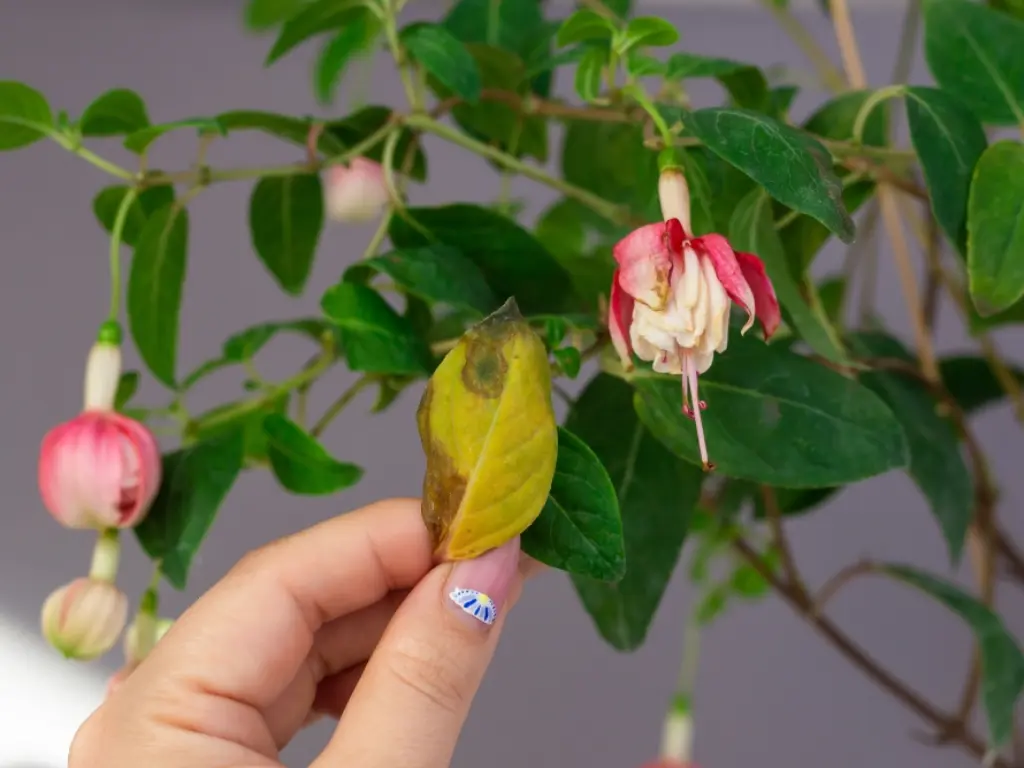
Like any plant, fuchsia hanging baskets are susceptible to a variety of issues, including pests, diseases, and poor blooming. Fortunately, most problems can be avoided or treated with the right care.
Why is My Fuchsia Not Blooming?
If your fuchsia isn’t blooming, it could be due to several factors, including insufficient sunlight, inadequate watering, or poor fertilization. Make sure your plant is getting the right amount of light and water, and use a potassium-rich fertilizer to encourage more blooms.
Pests and Diseases That Affect Fuchsia Plants
Common pests that may affect fuchsias include aphids, whiteflies, and spider mites. Regularly inspect the leaves for signs of pests and treat them with an appropriate insecticidal soap or natural pest control methods. Additionally, keep an eye out for fungal diseases such as powdery mildew, which can occur in humid conditions. Prevent disease by ensuring your fuchsia gets adequate airflow and avoiding overhead watering.
Conclusion
Caring for fuchsia hanging baskets doesn’t have to be a difficult task. By following these five essential tips, you can ensure that your plants remain healthy, vibrant, and full of blooms throughout the season.
Remember to choose the right location, water properly, feed regularly, prune effectively, and stay on top of any potential issues. With a little attention and care, your fuchsia hanging baskets will be the envy of your garden.
Don’t forget, gardening is all about experimenting and learning from your plants. So, if one tip doesn’t work for your specific environment, feel free to adjust. Happy gardening!
Frequently Asked Questions
1. How often should I water my fuchsia hanging basket?
Fuchsias require consistent watering, particularly during warmer months. Water thoroughly when the soil feels dry a couple of inches down. Be sure not to overwater, as this can lead to root rot.
2. Can I grow fuchsia in a hanging basket indoors?
Yes, fuchsia plants can thrive indoors as long as they receive adequate indirect light. Avoid direct sunlight, which can cause the leaves to burn.
3. Why is my fuchsia not blooming in the hanging basket?
If your fuchsia isn’t blooming, check for insufficient sunlight, improper watering, or lack of nutrients. Ensure it’s getting enough light, water, and potassium-rich fertilizer.
4. What type of fertilizer is best for fuchsia plants in hanging baskets?
A balanced, water-soluble fertilizer with a high potassium content is ideal for fuchsia plants. Fertilize every two weeks during the growing season to encourage vibrant blooms.
By following these expert tips, your fuchsia hanging baskets will surely thrive and add a beautiful splash of color to your garden or home.
You may like: